



Tortoiseshell Dressing Box
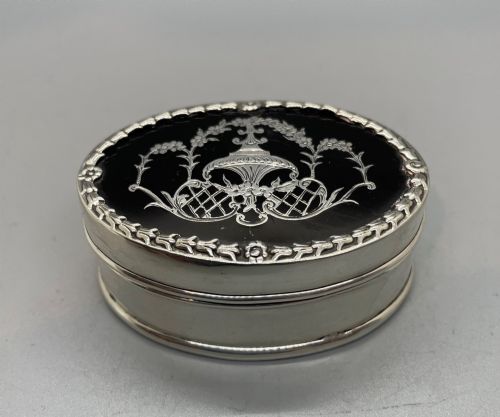
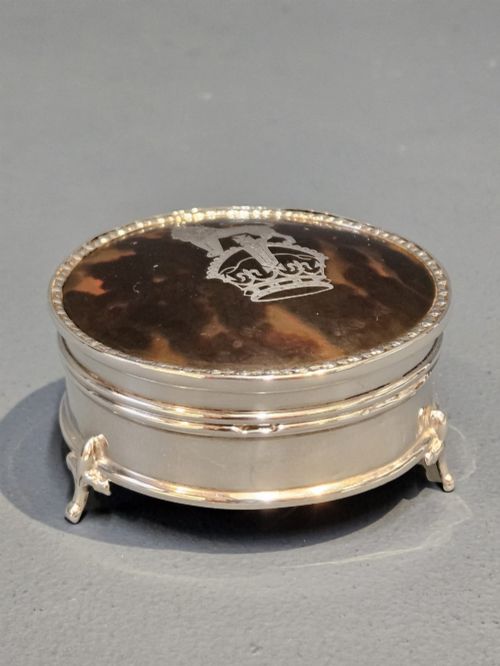
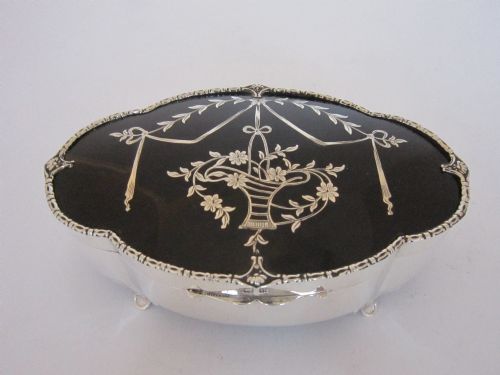
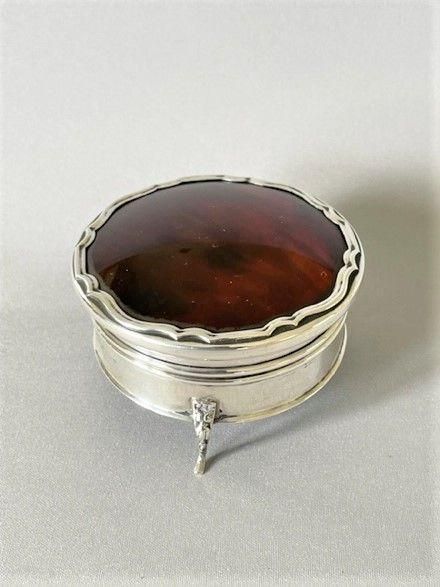
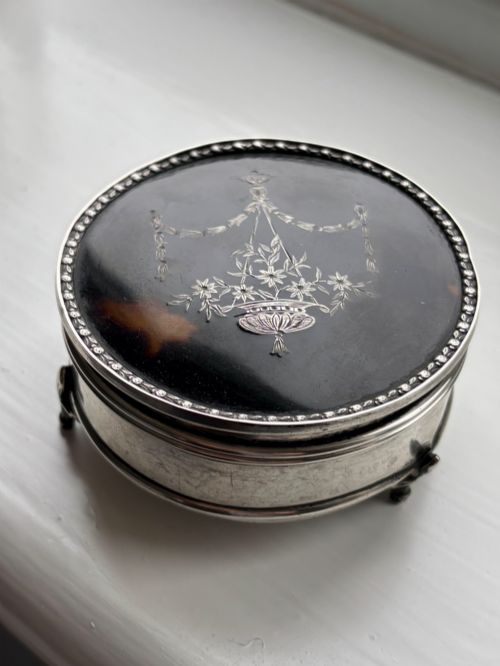
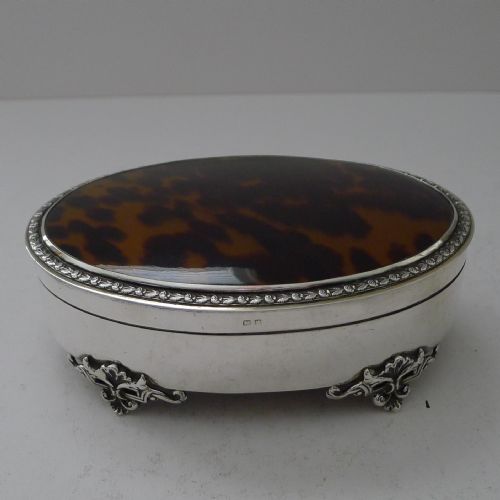
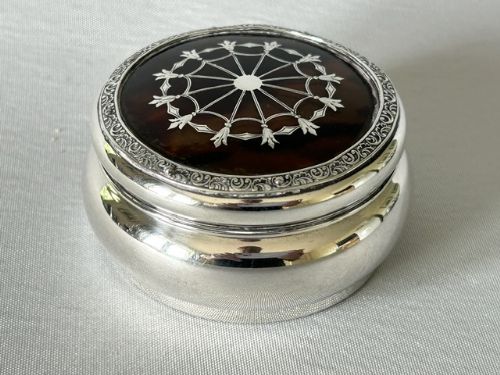
A tortoiseshell dressing box brings together rich natural shell and bright sterling silver to sit upon a bedroom table.
Tortoiseshell Dressing Box
A tortoiseshell dressing box serves as a refined vessel for jewellery, trinkets, and dressing table accessories. These pieces typically take the form of small caskets, trinket boxes, or fitted jewellery containers designed for daily use.
The pieces on this page span the nineteenth and early twentieth centuries, covering the Regency, Victorian, Edwardian, and George V periods. You will encounter both compact stud boxes and larger fitted vanity cases.
Materials range from genuine tortoiseshell and faux variants to sterling silver, silver gilt, wood, glass, leather, and celluloid. Many examples incorporate pique work ornamentation upon the shell lid.
Materials and construction
Craftsmen built the core structures from wood or metal before applying plates of tortoiseshell or celluloid to the exterior surfaces. Sterling silver mounts, hinges, and fitted interiors were then added to complete the construction.
Many lids feature intricate pique work, where tiny pins of gold or silver are inlaid directly into the warm amber and brown tones of the shell. Cut crystal and glass components appear alongside leather linings and sterling silver gilt fittings.
Tortoiseshell Dressing Box Retail Price Guide 2026
Typical asking prices for tortoiseshell dressing box among the pieces listed under this phrase on Sellingantiques today, from the lower quarter to the upper quarter. They describe what is for sale here now, not the wider market.
Gentlemen of the Victorian era required dedicated boxes just for their cuffs and studs before heading out.
Qualities of craftsmanship
The distinction between standard examples and superior work lies in the precision of the silver mounts and the intricacy of any pique work inlay. Finer boxes display seamless integration between the natural shell panels and the metal framework.
The thickness and rich figuring of the tortoiseshell itself, combined with the presence of hallmarks and original fitted interiors, separate ordinary utility pieces from exceptional collector items.
Asprey & Co.·Ollivant & Botsford·Lund Of Cornhill
The Tortoiseshell Dressing Box Glossary
- Tortoiseshell
- A mottled brown and amber material traditionally sourced from the shell of certain turtle species and used to veneer decorative boxes. It provides a glossy, translucent surface that catches the light.
- Pique work
- A decorative technique involving tiny gold or silver pins tapped into tortoiseshell to form delicate geometric or floral patterns. This meticulous inlay creates a striking contrast against the dark shell.
- Sterling silver gilt
- Silver that has been coated with a thin layer of gold, giving the interior fittings a warm golden sheen. This treatment protects the metal and adds a touch of luxury to dressing table boxes.
- Vanity jar
- A small glass or crystal container topped with a silver and tortoiseshell lid, designed to hold creams or powders. These jars often form part of a larger fitted dressing case.
Tortoiseshell Dressing Box: Frequently Asked Questions
How do I date a tortoiseshell dressing box?
Dating relies primarily on the style of the box, the shape of the silver mounts, and any official hallmarks stamped upon the metal. Maker marks and assay office letters provide a precise year of manufacture for pieces bearing silver.
Style periods such as Regency, Victorian, Edwardian, and George V also offer strong visual clues regarding the decade of production.
What is the difference between real and faux tortoiseshell?
Genuine tortoiseshell is an organic material with natural variations in depth, translucency, and warm amber figuring. Faux versions, including celluloid, often present a more uniform pattern and lack the organic warmth of the genuine material.
Closer inspection under a magnifying glass usually reveals the cellular structure of true shell versus the manufactured surface of substitutes.
How should I clean my tortoiseshell box?
Careful dusting with a soft, dry microfibre cloth is generally sufficient to maintain the glossy surface of the shell and silver. Avoid using harsh chemical cleaners, abrasives, or excessive water, which can damage both the shell veneer and the metal mounts.
Silver components can be polished gently with a dedicated silver cloth, taking care not to touch the surrounding tortoiseshell.
Were these boxes used for travel or home?
Many smaller trinket and stud boxes were designed specifically for stationary use upon a dressing table or bedroom chest. Larger fitted dressing cases and travelling vanity sets included secure clasps and leather cases for transport.
Owners in the nineteenth and early twentieth centuries utilised them to organise daily jewellery and grooming essentials.