




Topographical Watercolour Landscape
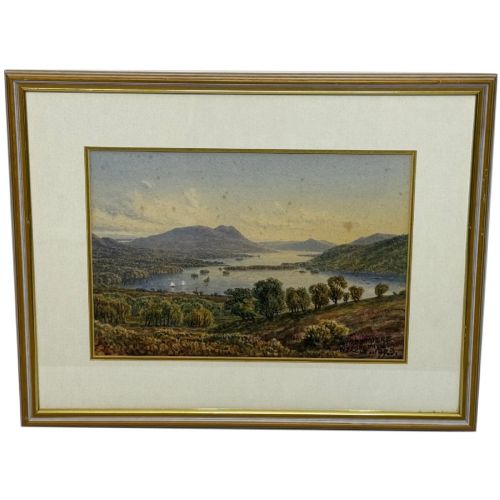
These topographical watercolour landscape works record specific towns, buildings, and river views with exact draftsmanship and fluid pigment.
Topographical Watercolour Landscape
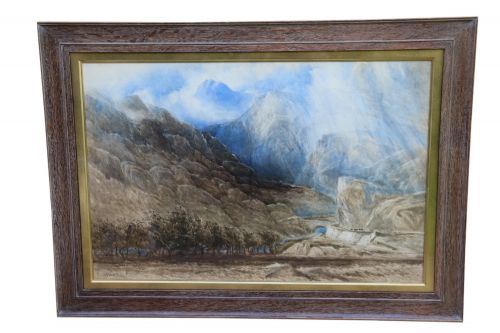
A topographical watercolour landscape captures precise views of recognizable places, ranging from Welsh mountain passes and northern English rivers to London landmarks and Middle Eastern scenes. The selection here spans the nineteenth century through the mid twentieth century, reflecting shifting tastes in landscape recording.
Buyers will encounter works from specific periods including the Georgian, Regency, Victorian, and Edwardian eras, executed by named artists and regional painters. These paintings function as visual records of topography before the dominance of photography, detailing architecture, towns, and natural scenery.
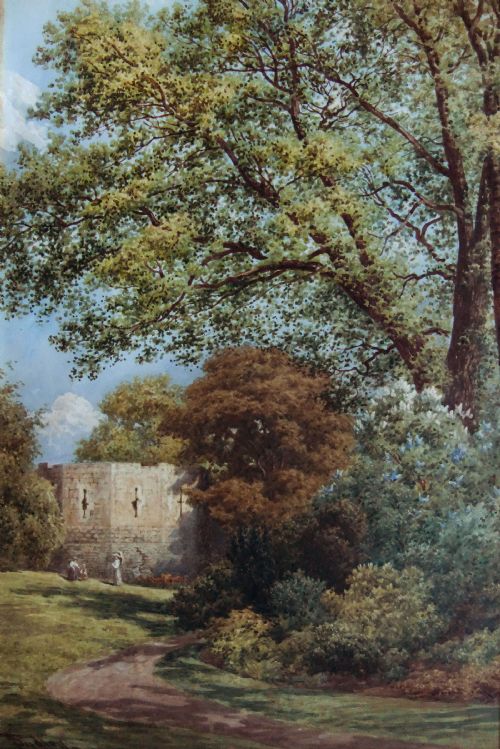
Many examples focus on British sites such as York, Nottingham, and the Thames, while others capture Grand Tour scenes or Italian landmarks. The structural format varies from single framed sheets to sets of intricate architectural studies.
Materials and technique
Artists painted these topographical watercolour landscape works using water-soluble pigments applied to paper or board. Wash techniques created subtle atmospheric effects in skies and water, while fine brushwork defined architectural facades and foliage.
Framing materials commonly include wood, gilt wood, and glass to protect the delicate paper surfaces from moisture and light damage. Oak frames frequently appear on pieces dating from the nineteenth and early twentieth centuries.
The listings on this site feature paper, board, watercolour pigment, glass, wood, gilt wood, and oak across periods from 1800 to 1960.
Judging quality in topographical works
Quality rests upon the precision of the draughtsmanship and the handling of the pigment across the paper surface. Stronger examples demonstrate confident perspective in architectural elements and atmospheric depth in landscape expanses.
The reputation of the artist and the specific historical interest of the location depicted also influence the standing of a piece. Works that retain their original framing materials and clear signatures offer greater documentary value.
Henry Martin Pope·Thomas Cooper Moore·Amos Green·Tom Dudley·Claude Muncaster·Herbert John Finn·Joseph William Carey
The Topographical Watercolour Landscape Glossary
- Watercolour
- A painting method where the pigments are suspended in a water-based solution. The paper surface often shows through the translucent washes of colour.
- Gilt
- A thin layer of gold leaf applied to wooden frames to provide a decorative metallic finish. It enhances the visual weight of nineteenth-century presentations.
- Grand Tour
- A traditional trip through Europe undertaken by upper-class young men for educational purposes. It generated a demand for topographical views of continental landmarks and scenery.
Topographical Watercolour Landscape: Frequently Asked Questions
How do I date a topographical watercolour?
Dating relies on costume details in any figures present, architectural additions shown in the background, and the style of the signature or framing.
Paper stock and watermark evidence also help determine the period when the work was executed.
Where should I hang these watercolours?
Keep these works away from direct sunlight to prevent the watercolour pigments from fading over time.
Display them in rooms with stable humidity levels to protect the paper and the wooden frames.
Are these works signed by the artists?
Many examples include the artist signature within the lower corners of the composition, sometimes accompanied by a titled location.
Unsigned works are often attributed through stylistic comparisons and period framing.
What subjects are most common?
British river scenes, castles, cathedrals, and specific townscapes dominate the selection, alongside occasional continental and Middle Eastern views.
Artists frequently recorded historical monuments and bustling waterways.