


Timber Writing Table
A timber writing table is a dedicated workspace built from sturdy woods like mahogany, oak, or walnut for daily correspondence and paperwork.
Timber Writing Table
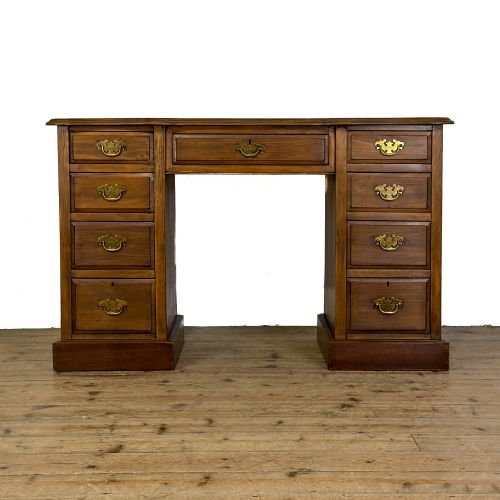
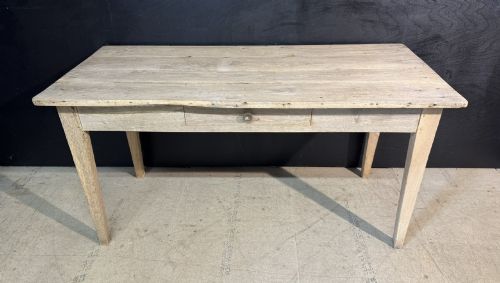
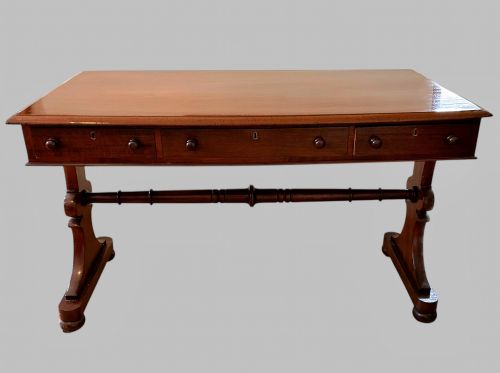
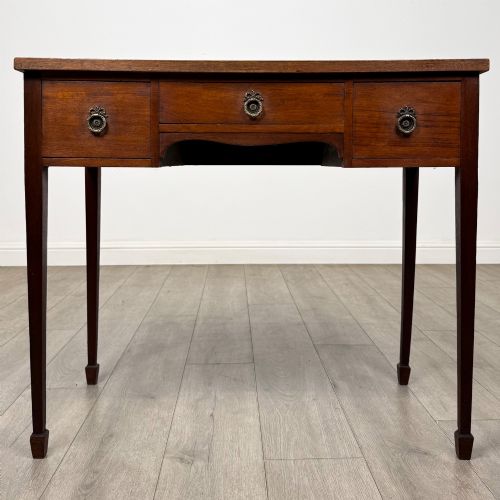
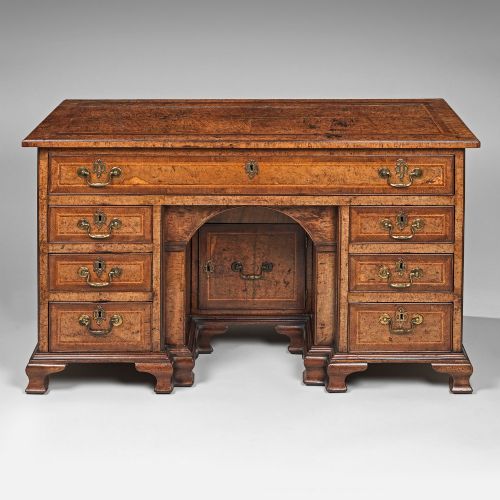
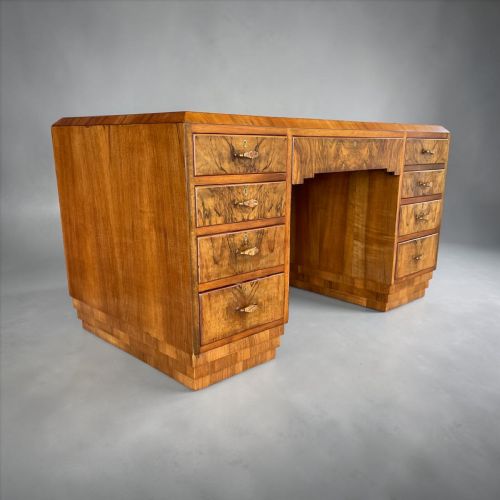
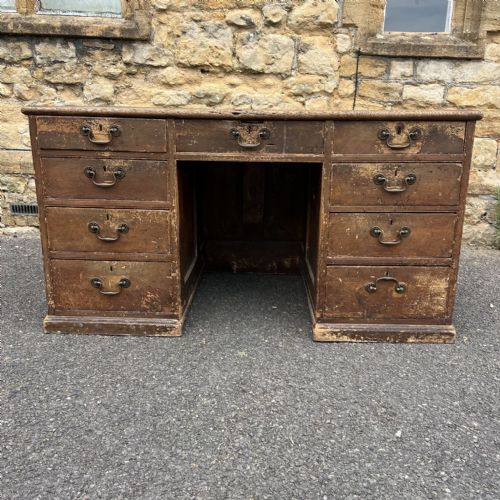
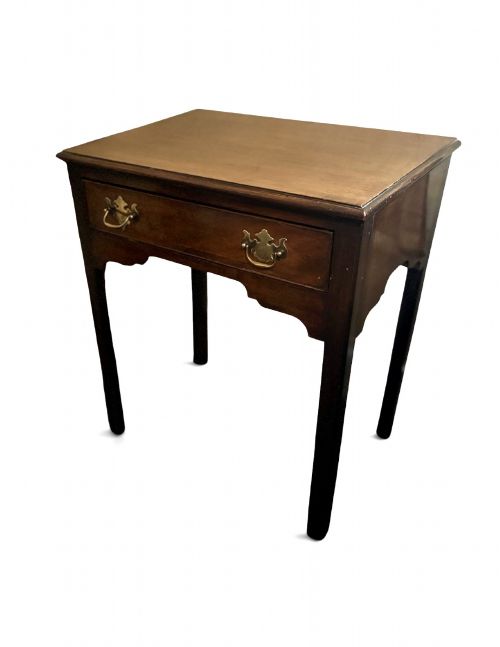
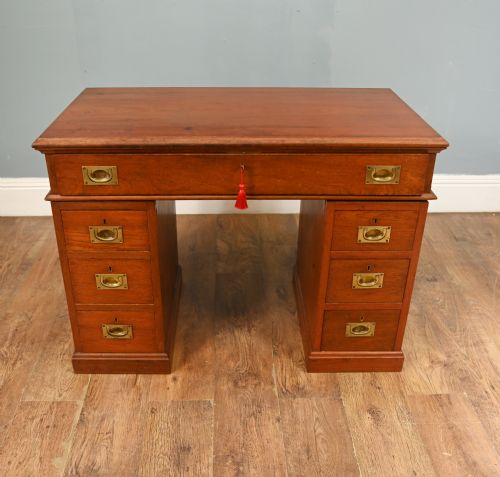
A timber writing table encompasses various forms designed primarily for correspondence and administrative tasks across multiple historic periods. Buyers encountering this search phrase find pieces ranging from compact Georgian lowboys and pedestal desks to larger Victorian library tables.
How they were made
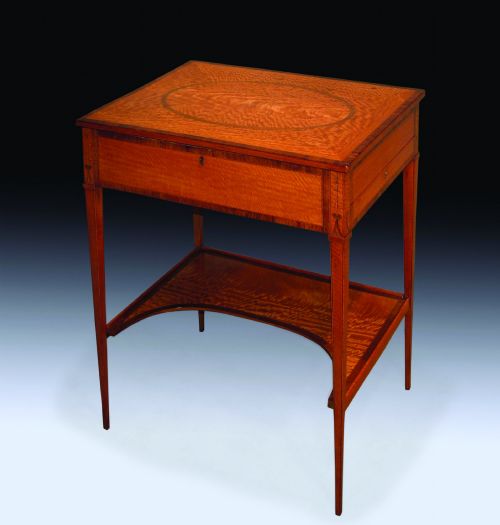
Cabinet makers utilised dense hardwoods such as mahogany, walnut, rosewood, and satinwood for visible surfaces, often pairing them with secondary pine or oak for drawer linings and internal framing. Construction techniques relied on traditional joinery to ensure stability across pedestals, legs, and writing surfaces.
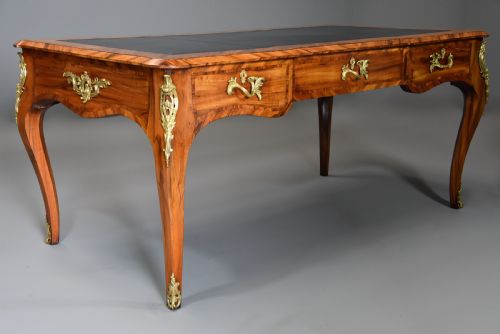
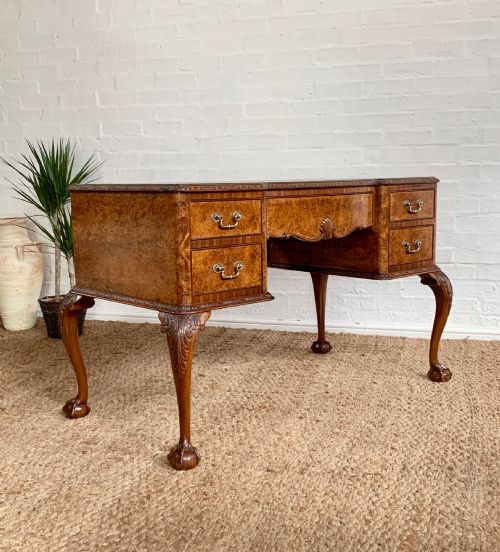
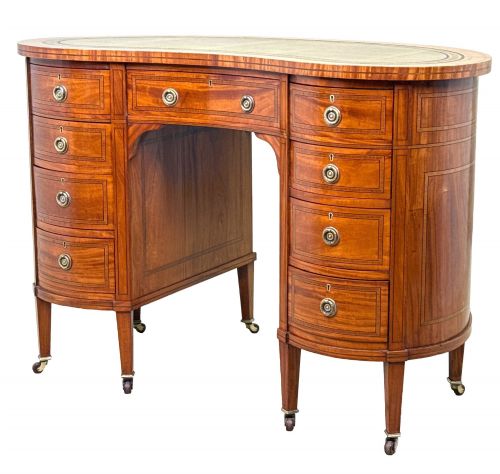
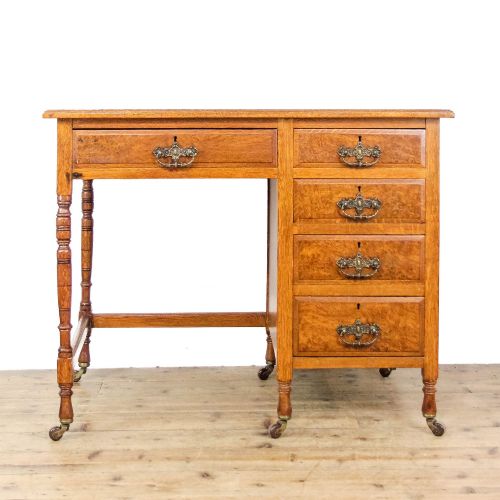
Many examples incorporate inset tooled leather writing surfaces, brass handles, and keyhole escutcheons to combine utility with decorative finish. Intricate details such as carved elements, satinwood inlay, or burr wood veneers demonstrate the specialised handwork applied during construction.
Listings feature timber writing tables spanning the eighteenth, nineteenth, and twentieth centuries, incorporating materials such as mahogany, walnut, pine, rosewood, and satinwood.
What varies in quality
The standard of a timber writing table is determined by the selection of timber figures, such as burr elm or figured mahogany, and the precision of the underlying joinery. Superior examples maintain balanced proportions and careful attention to secondary timbers used out of sight.
Refined execution in surface finishes, hardware integration, and decorative inlays distinguishes higher-grade pieces from simpler utilitarian tables. The consistency of historical materials throughout the desk structure similarly defines the overall grade.
Trollope and Sons·Heal and Son
The Timber Writing Table Glossary
- Lowboy
- A small side table or dressing table featuring drawers, commonly standing on four legs and dating from the eighteenth century. These pieces often served dual purposes in smaller chambers.
- Pedestal desk
- A substantial writing desk supported by two pedestals containing banks of drawers beneath the main work surface. They frequently feature inset leather writing panels.
- Partners desk
- A large freestanding desk designed for two people to work opposite one another, equipped with drawers or cupboards on both sides. These were traditionally utilised in libraries and administrative offices.
- Goncalo alves
- A dense exotic hardwood prized for its striking contrasting grain patterns, utilised in high-status nineteenth-century cabinet making. It is occasionally referred to as zebrawood.
- Escutcheon
- A protective plate surrounding a keyhole, usually cast from brass and fitted to desk drawers. It prevents wear on the surrounding timber from repeated key usage.
Timber Writing Table: Frequently Asked Questions
How do I identify a Georgian writing table?
Georgian tables typically display clean classical proportions, utilising solid mahogany, oak, or fruitwood with minimal exterior ornamentation. They often take the form of compact side tables, lowboys, or kneehole desks.
Drawer construction relies on hand-cut dovetails, and hardware is generally restrained, consisting of brass drop handles or plates appropriate to the eighteenth century.
What is the difference between a writing table and a pedestal desk?
A writing table generally stands on four legs with one or more drawers built into the frieze beneath the top. It is lighter in appearance and often finished on all sides for freestanding placement.
In contrast, a pedestal desk relies on two banks of drawers or cupboards to support the top. This creates a heavier, more permanent piece designed for intense administrative work.
Where should I place a timber writing table?
These tables adapt well to studies, living rooms, or bedrooms, depending on their scale and finish. Freestanding models with finished backs suit centre placement in a room.
Positioning the desk near natural window light assists with reading and writing while highlighting the grain of woods like mahogany, walnut, or satinwood.
How do I care for leather writing surfaces?
To maintain tooled leather writing inserts, keep them away from direct sunlight and excessive heat sources that can dry the material. Dust gently with a dry cloth and avoid harsh chemical cleaners.
Applying a specialist leather balsam periodically helps preserve suppleness and protects the gold tooling often found on nineteenth-century surfaces.