
Timber Wall Art
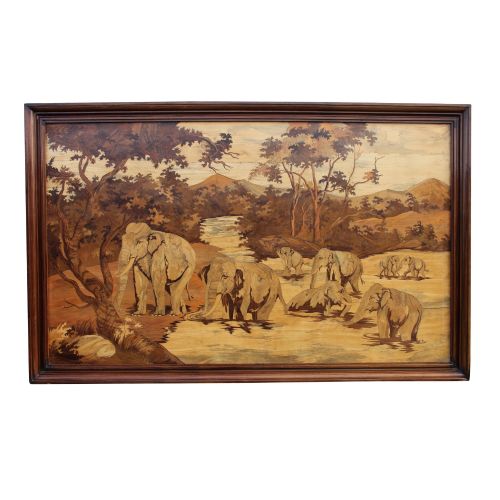
Timber wall art brings together centuries of carved panels, framed paintings, and architectural fragments designed to hang directly on the wall.
Timber Wall Art
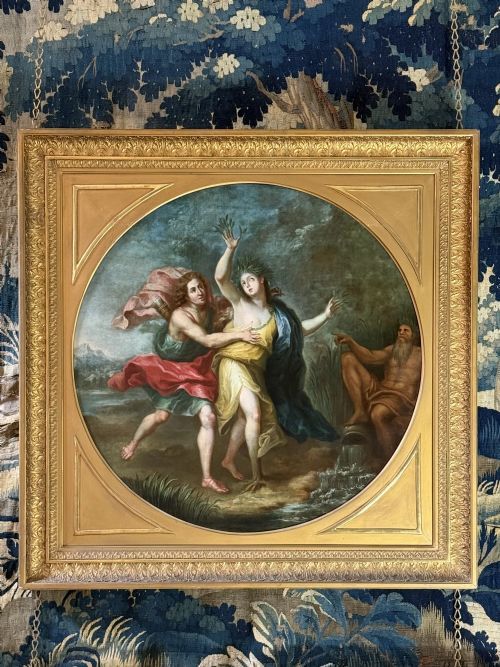
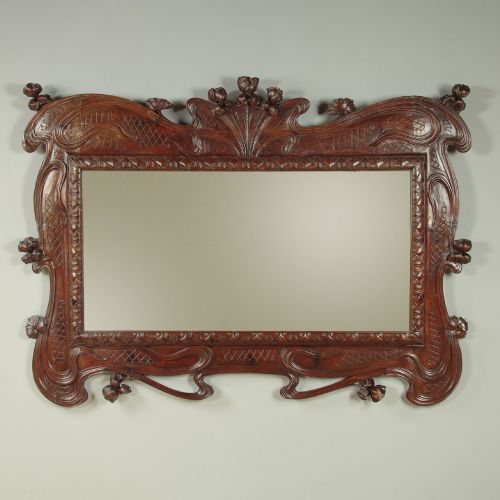
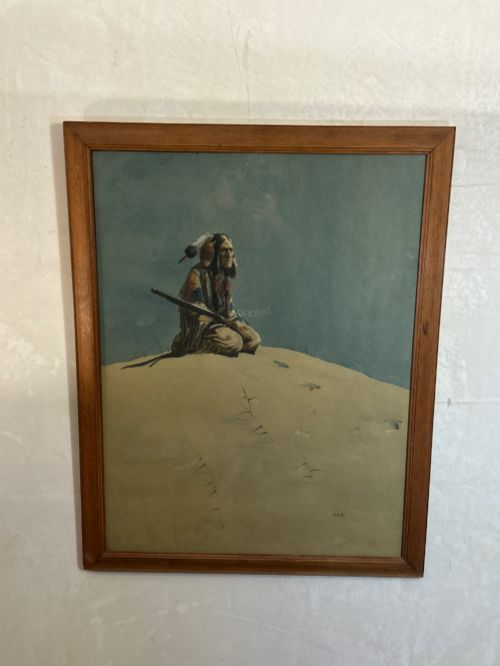
Timber wall art encompasses a diverse range of hanging objects, from carved wooden panels and architectural salvage to framed oil paintings and mirrors. Pieces span multiple centuries, originating from workshops across Britain, continental Europe, and beyond.
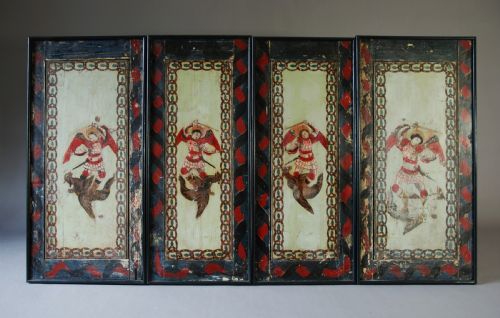
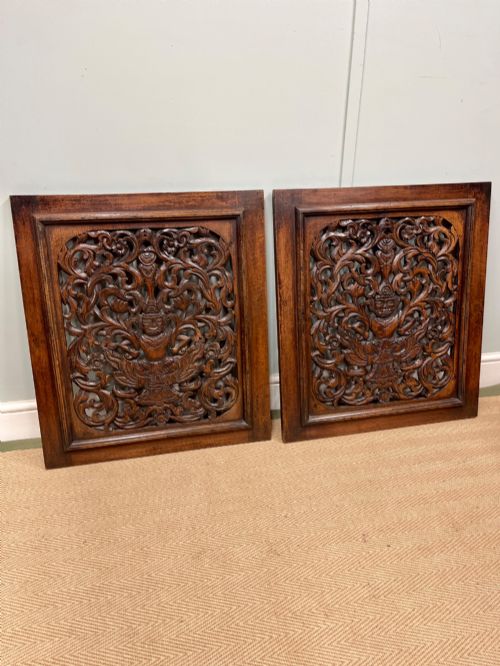
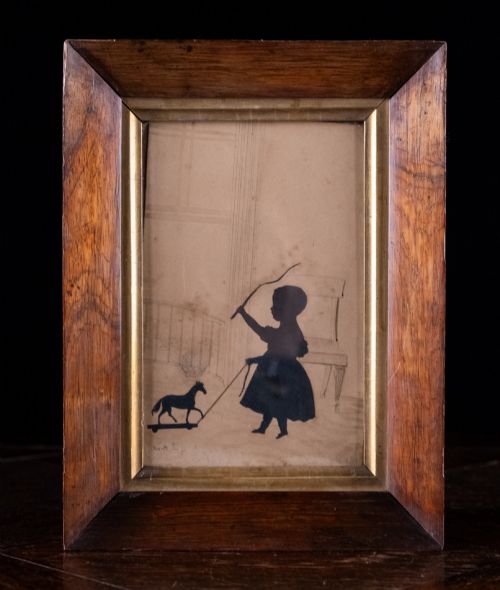
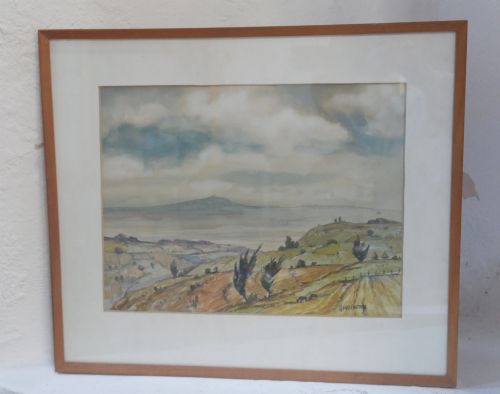
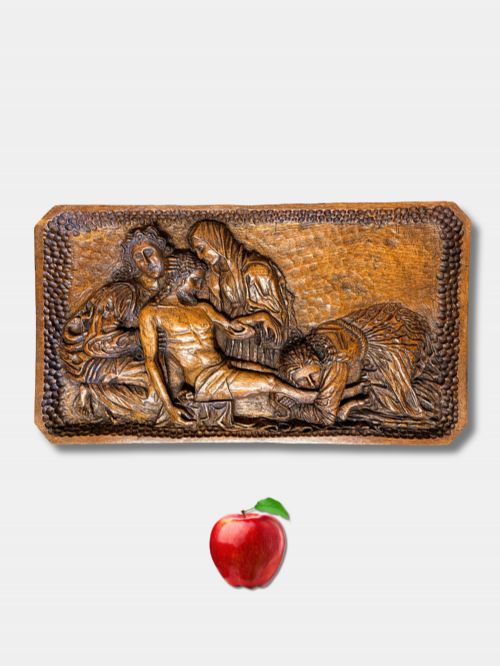
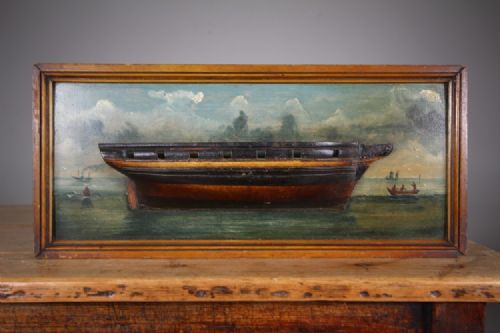
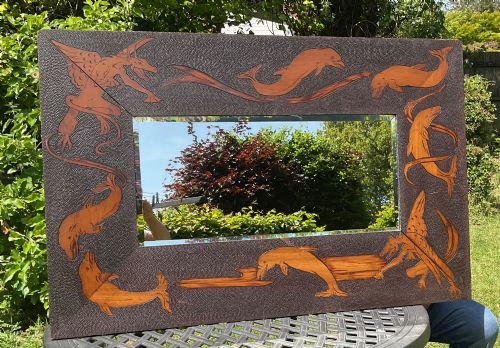
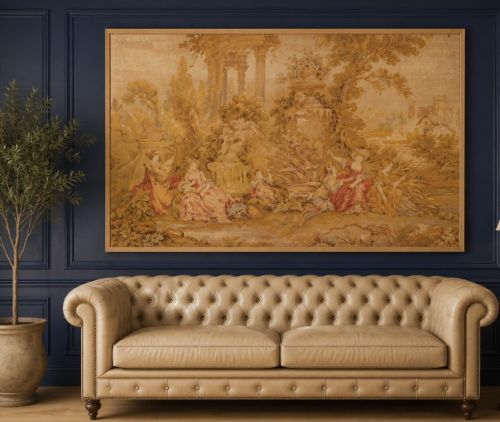
The most common examples encountered in this category include carved wooden panels, framed paintings on canvas or panel, and decorative wall mirrors incorporating carved wooden frames. These works often reflect regional folk traditions, religious iconography, or decorative arts movements from the seventeenth century onwards.
Materials and Technique
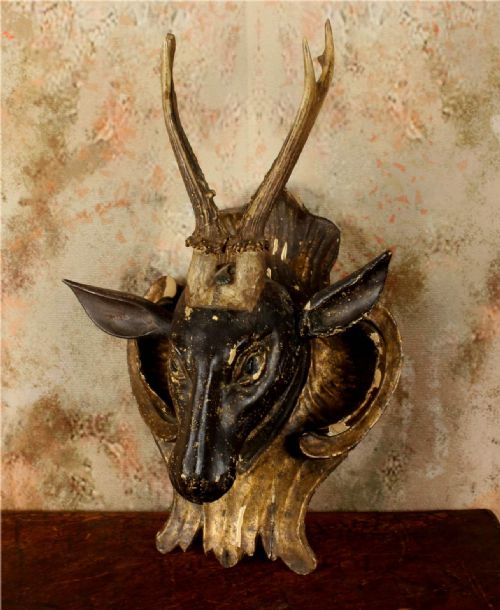
Makers utilised native and exotic timbers such as oak, elm, chestnut, pine, and fruitwood, often shaping them through hand-carving, joinery, and turning. Surfaces were frequently embellished with polychrome paint, gilding, or polished to reveal the natural grain of the wood.
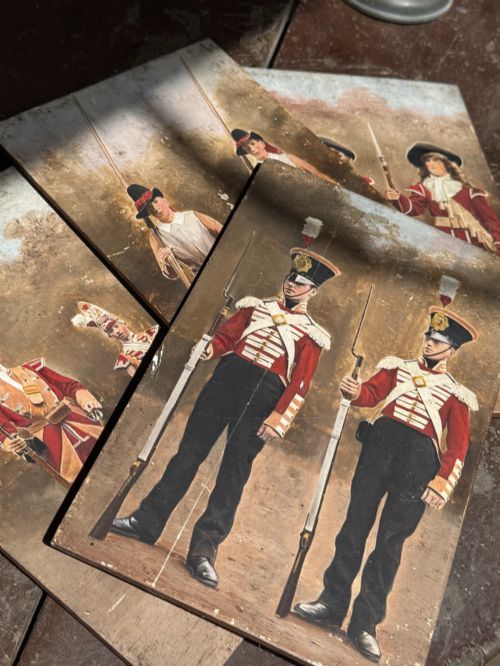
Framed artworks and panels incorporate diverse media applied directly to wood, canvas, paper, or glass. Many pieces rely on traditional joinery techniques to stabilise large wooden panels against warping over time.
Discarded agricultural threshing boards and decommissioned aircraft propellers find new life here as striking timber wall art.
Judging Quality
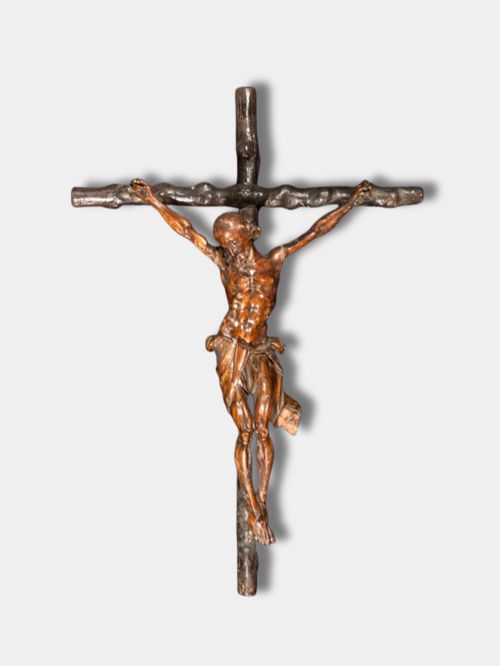
Quality rests primarily in the crispness and depth of the hand-carving and the integrity of the original surface. Pieces carved with assured handling and anatomical or decorative precision stand apart from simpler vernacular work.
The preservation of original painted surfaces, patination, and structural stability dictates the standing of an item. Greater depth is found in works where original fixings, framing, and timber retain their authentic character without intrusive later restoration.
Charles-Antoine Coypel·John Hassall·Augustin Edouart·Raimond Louis Lecourt·C W Tuck·George E Sharpe·W.E. Evans·James William Booth
The Timber Wall Art Glossary
- Marquetry
- The art of creating decorative patterns by fitting together small pieces of veneered wood. This technique provides intricate surface decoration on panels and furniture.
- Architectural salvage
- Elements rescued from older buildings, such as panels, fragments, and mouldings, repurposed for interior display. These pieces retain the marks of their original structural context.
- Folk art
- Art produced from an indigenous cultural tradition or by self-taught makers, often featuring naive styling. Such objects prioritise direct expression over academic convention.
- Polychrome
- Painted or decorated in several colours. This finish is frequently found on historic carved wooden figures and architectural panels.
- Reverse print on glass
- An image painted or printed directly onto the rear side of a glass plate and viewed from the front. This technique produces a distinctive glossy surface sheen.
Timber Wall Art: Frequently Asked Questions
What is timber wall art?
Timber wall art comprises decorative objects made primarily from wood designed to be hung on a wall. This category includes carved architectural panels, framed paintings, mirrors, and sculptural reliefs.
These items range from functional architectural fragments to fine art paintings set within carved wooden frames, spanning multiple centuries of craftsmanship.
How do I hang heavy wooden panels?
Heavy wooden panels require secure fixings anchored directly into wall studs or masonry using appropriate wall plugs and heavy-duty brackets. Weight distribution must be carefully calculated.
Due to the natural movement of timber with humidity and temperature changes, mounting systems should allow the wood to expand and contract safely.
How do I care for antique wood panels?
Antique wood panels require stable indoor humidity levels and protection from direct sunlight and strong heat sources. Extreme environmental shifts cause timber to warp and split.
Dusting should be performed gently with a dry, soft cloth, avoiding commercial polishes or moisture that might harm aged finishes and historic paint.
How do I date a carved wooden panel?
Dating a carved wooden panel involves examining the tool marks, timber species, joinery methods, and stylistic motifs. Hand-cut marks differ noticeably from later machine-sawn surfaces.
Historical wear patterns, oxidation of the wood, and the nature of any surface finishes further help place an object within its correct period.