
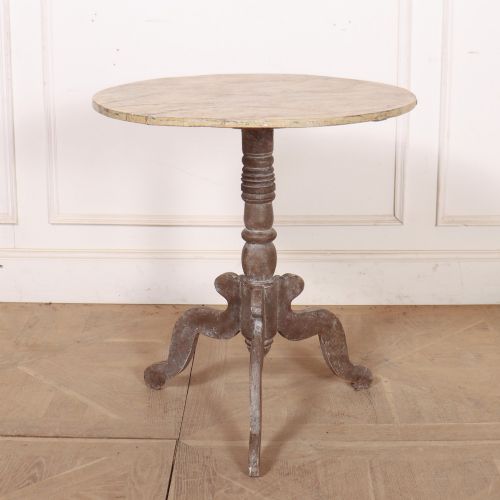
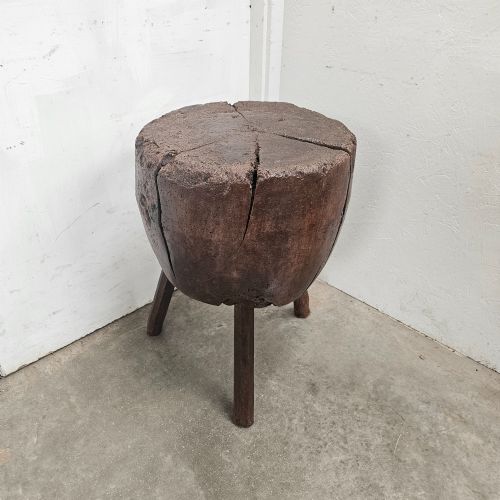
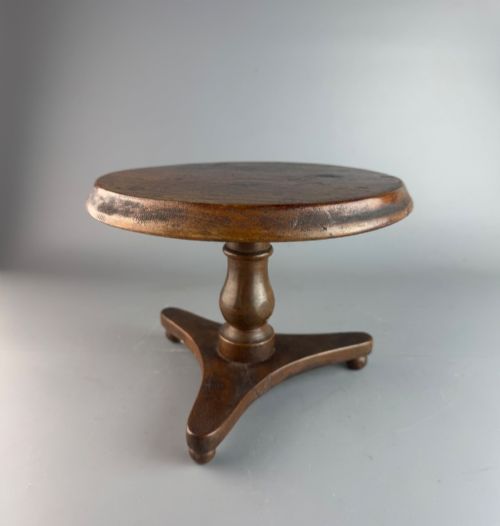
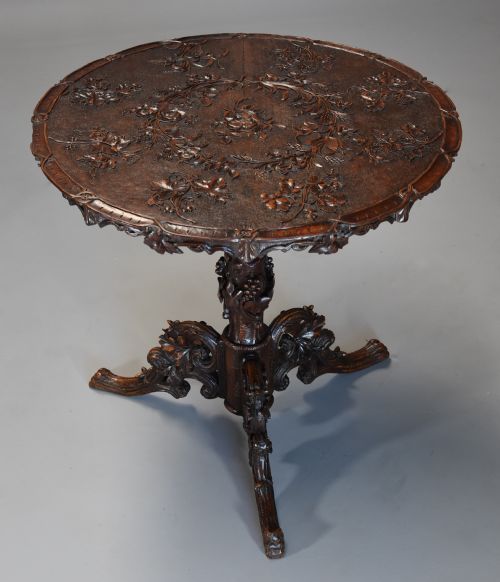



Timber Tripod Table
A timber tripod table brings three legs and a balanced top to any corner, offering versatile display space and enduring character.
Timber Tripod Table
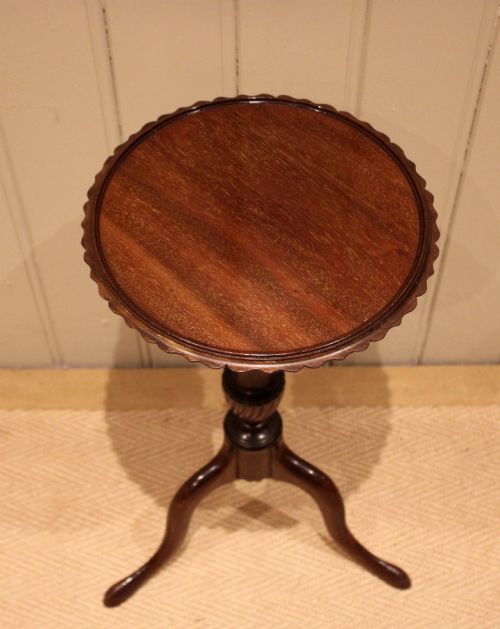
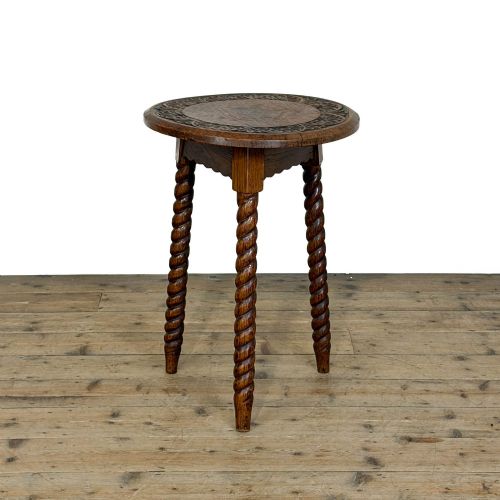
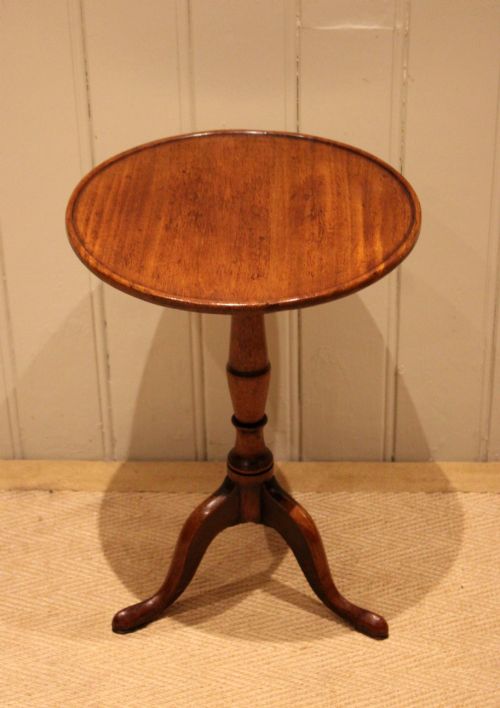
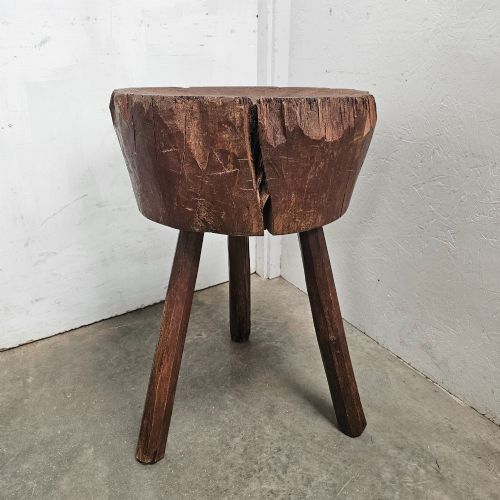
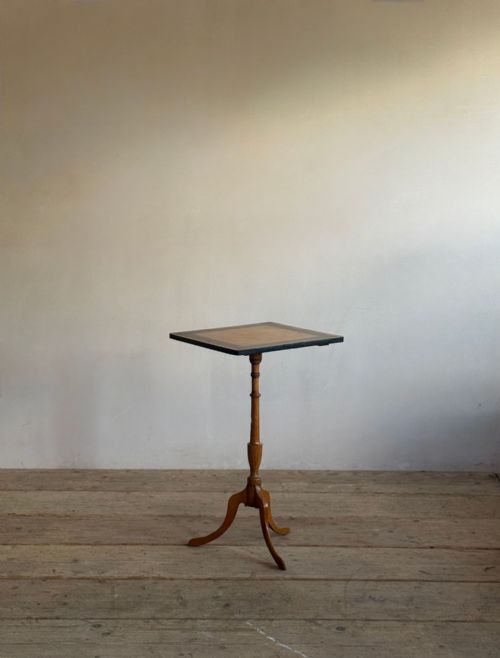
A timber tripod table is a compact surface supported by a three-legged base, designed for occasional use as a wine table, candlestand, or small centre table. These pieces appear in numerous forms across this page, ranging from utilitarian cricket tables to decorative occasional tables and carved stands.
The selections span multiple periods, most notably the nineteenth century and the Victorian era, alongside Georgian, Edwardian, and twentieth-century examples. Buyers will find variations from regional workshops and diverse stylistic traditions, including rustic farmhouse, French provincial, and Black Forest designs.
How they were made
Cabinetmakers and rural artisans utilised a broad palette of native and exotic woods, working with mahogany, oak, walnut, elm, sycamore, beech, and pine. Structural elements often combine solid timbers with specialised veneers, turning blocks on lathes and joining tops to pedestals with traditional joints.
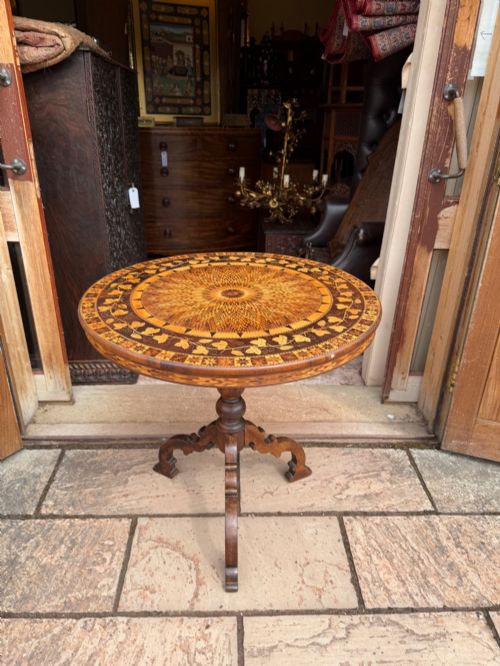
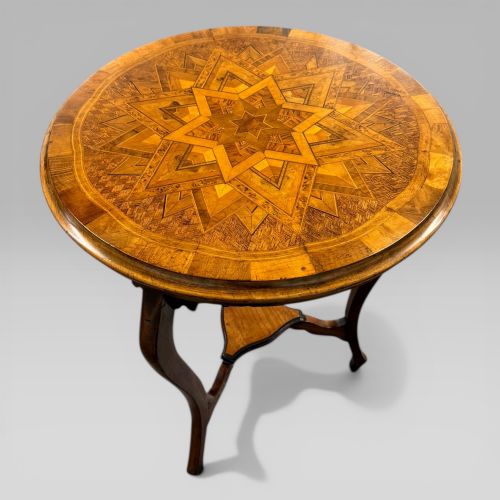
Surface treatments vary widely according to the origin and function of the table, encompassing plain scrubbed timber, hand-applied paint, and intricate hand-carving. Certain examples incorporate marquetry, penwork decoration, or iron hardware alongside the primary wooden construction.
Listings feature woods ranging from native oak and elm to imported mahogany, walnut, and teak across nineteenth and twentieth-century periods.
What varies in quality
The standard of a timber tripod table depends on the harmony of its proportions and the fidelity of its construction, particularly the stability of the three-legged base. Pieces with refined turning, well-balanced tilt mechanisms, and secure joints represent more deliberate craftsmanship than simpler utilitarian blocks.
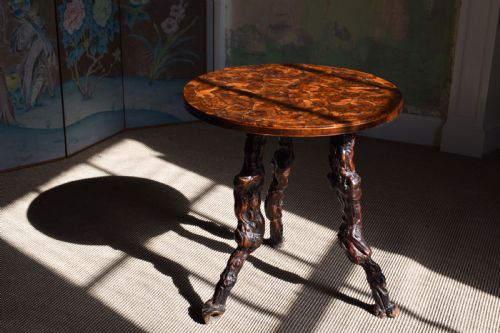
Material selection and decorative execution further distinguish the range, from plain vernacular chopping blocks to elaborately carved linden wood, specimen wood marquetry, and figural Black Forest stands. The sophistication of the carving or inlay directly reflects the ambition of the original maker.
Anton Seuffert
The Timber Tripod Table Glossary
- Cricket table
- A small three-legged table with a round wooden top, traditionally associated with vernacular English and Welsh domestic use. These sturdy pieces typically feature simple peg joinery and triangular frames.
- Tilt top
- A tabletop mounted on a catch mechanism that allows the surface to fold vertical when not in use. This clever design saved space in historic interiors.
- Candlestand
- A tall, slender tripod table designed specifically to support a single candle or lamp. They offer elevated surfaces for focused illumination in dark rooms.
- Jardiniere stand
- A tall pedestal or table built to hold a plant pot or flower arrangement. These pieces often feature raised rims or recessed tops to contain moisture.
- Pie crust
- A decorative carved tabletop edge featuring raised, undulating curves resembling pastry work. This ornamental detail is frequently found on eighteenth and nineteenth century wine tables.
Timber Tripod Table: Frequently Asked Questions
What is a timber tripod table used for?
These versatile tables serve as convenient surfaces for holding drinks, books, lamps, or decorative objects in living spaces and hallways. Their compact footprint allows them to fit easily beside armchairs or into neglected corners.
Historically, specific variations like candlestands and wine tables fulfilled distinct domestic duties, while cricket tables provided sturdy moveable surfaces for daily household tasks.
How do I tell a Georgian table from a Victorian one?
Georgian examples often display restrained classical proportions, elegant tripod bases, and minimal ornamentation that prioritises the natural grain of mahogany or walnut. Victorian pieces frequently embrace heavier proportions, elaborate turned elements, and dense carving or exotic wood veneers.
Examining the construction methods, tool marks, and secondary timbers beneath the tabletop helps confirm the likely period of manufacture.
How do I care for an antique wooden table?
Keep wooden tables away from direct sunlight and heat sources to prevent the timber from drying out, cracking, or warping over time. Dust gently with a soft cloth and apply appropriate beeswax or furniture polish sparingly to maintain the finish.
Avoid placing damp items directly onto antique timber surfaces to protect the historic polish and underlying wood grain from water staining.