




Timber Standing Statue
These timber standing statue pieces are carved wooden figures and sculptures spanning centuries, offering characterful forms and rich historical presence for your interior.
Timber Standing Statue
When you search for timber standing statue, you encounter a diverse range of carved wooden sculptures and figures spanning from the seventeenth century through to the Edwardian period. The selection includes religious figures, folk art carvings, and animal studies originating from European, Asian, and regional traditions.
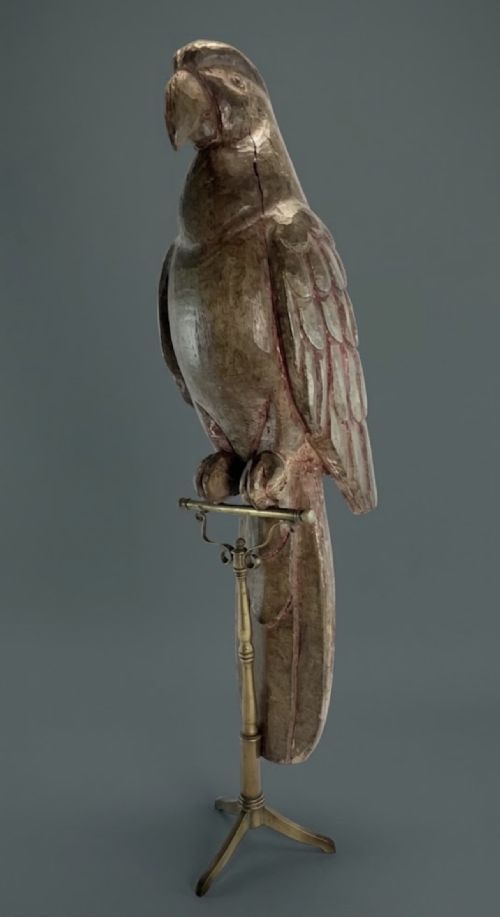
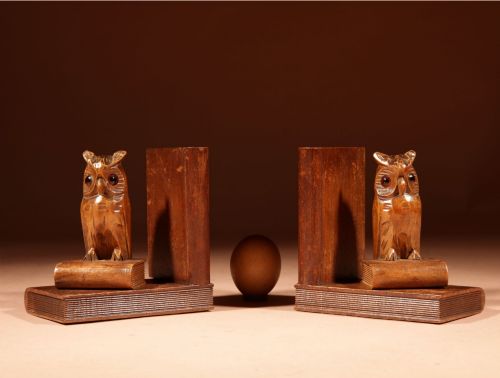
You are most likely to meet nineteenth-century examples on this page, including Black Forest carvings, Chinese hardwood figures, and Japanese sculptures. Forms vary widely from bookends and candlesticks to large life-size animal figures and religious representations mounted on stands or columns.
How they were made
The makers of these timber standing statue works utilised various woods, ranging from local hardwoods to exotic varieties, shaping them primarily through hand carving and turning techniques. Many pieces feature added polychrome pigment, paint, or lacquer to enhance the surface details and garments of the figures.
Construction methods often involved joining separate timber sections for larger sculptures, while smaller items like bookends and decorative figures were frequently carved from single blocks. Supplementary materials such as brass stands, metal elements, and glass details occasionally complete the composition of these works.
Timber Standing Statue Retail Price Guide 2026
Typical asking prices for timber standing statue among the pieces listed under this phrase on Sellingantiques today, from the lower quarter to the upper quarter. They describe what is for sale here now, not the wider market.
Listings feature items spanning from the seventeenth century through to the 1920s, incorporating carved wood, paint, metal, glass, and polychrome pigment.
What varies in quality
The calibre of a timber standing statue rests primarily on the depth and confidence of the carving, distinguishing skilled anatomical or textural rendering from stiff, rudimentary execution. Surface finish also dictates value, with original polychrome pigment or patinated wood surfaces offering greater visual integrity than later repainting.
Proportion and stance create distinction, particularly in figurative and animal subjects where balanced weight and expressive posture elevate the piece. The complexity of the design, whether a simple turned column or an intricate geisha figure in the nata-tsukuri style, directly reflects the artisan's investment of time and skill.
The Timber Standing Statue Glossary
- Black Forest
- A style of wood carving originating from the mountainous region of central Europe during the nineteenth century. These pieces typically depict bears, owls, and other animals with deep texturing.
- Folk art
- Objects created by self-taught or traditional artisans outside academic traditions, often displaying charming stylistic quirks. The listings feature carved candlesticks and figures produced in this vernacular style.
- Nata-tsukuri style
- A Japanese wood carving technique that deliberately leaves the faceted marks of the hatchet or adze visible on the finished surface. This imparts a textured, direct aesthetic to the sculpture.
Timber Standing Statue: Frequently Asked Questions
How do I clean a carved wooden figure?
Dust your timber standing statue gently with a soft, dry brush or a lint-free cloth to remove surface particles.
Avoid using water, chemical polishes, or harsh detergents, as these can damage old painted surfaces, polychrome pigments, and aged wood finishes.
Where should I place a large wooden sculpture?
Position your sculpture away from direct sunlight and heat sources like radiators to prevent the timber from drying out, cracking, or warping over time.
Larger figures and statues often look best displayed on dedicated pedestals, columns, or sturdy floor surfaces where they can command the room.
Can these statues be used as functional items?
Certain timber standing statue pieces, such as bookends, candlesticks, and floor lamps, serve practical daily functions alongside their decorative appeal. Others, including religious figures and animal sculptures, are purely aesthetic.
When using functional items like lamps or candlesticks, ensure any electrical components or metal fittings are checked for modern safety standards.