
Timber Seating Bench
A timber seating bench brings enduring utility to a hallway, garden or room, fashioned from solid woods and metals.
Timber Seating Bench
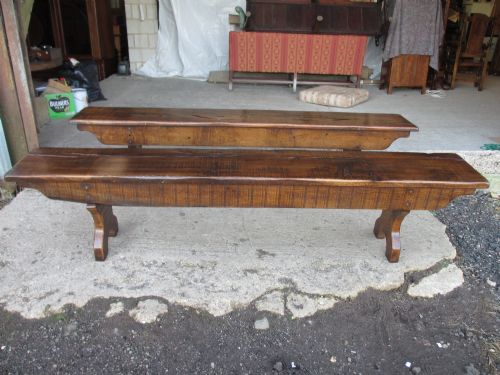
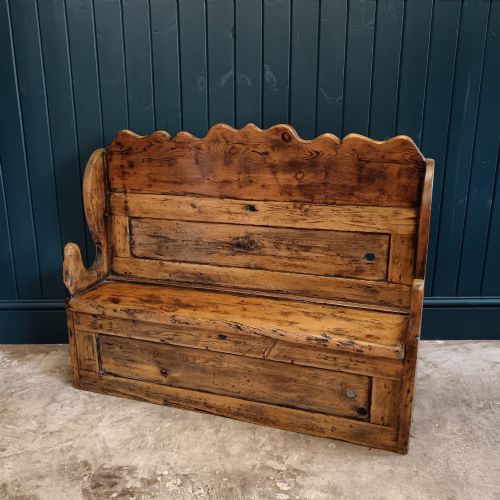
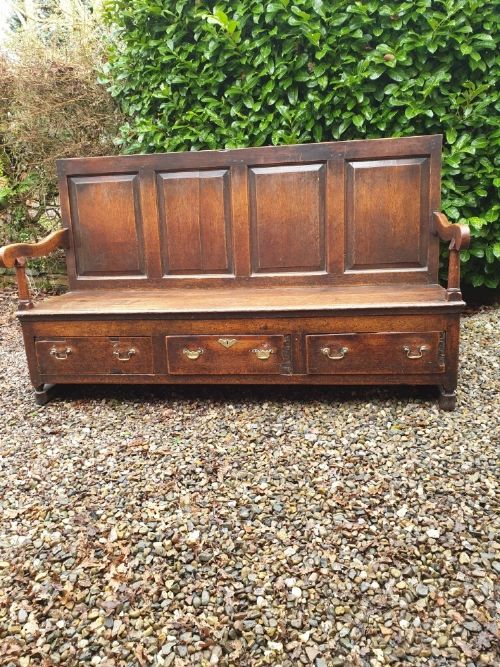
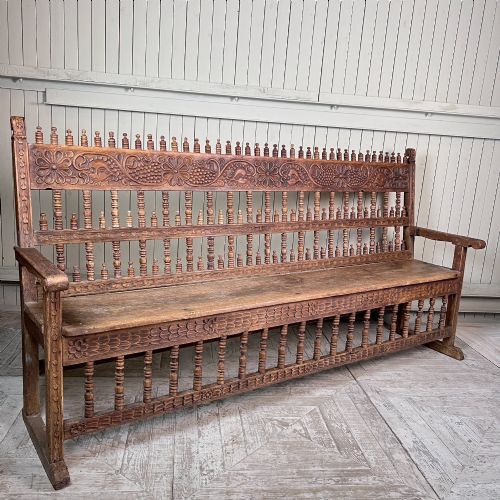
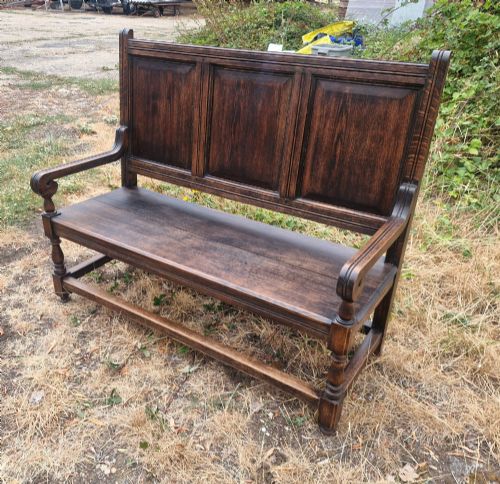
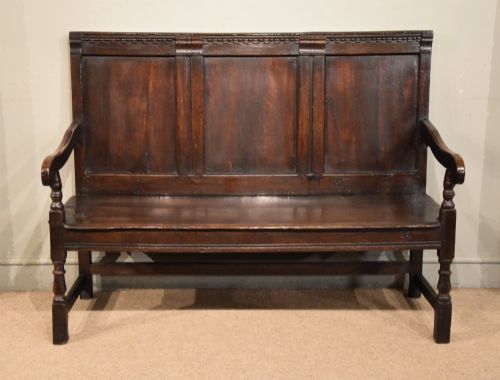
A timber seating bench encompasses a broad range of utilitarian and formal furniture designed for multiple sitters, spanning indoor settles and outdoor garden furniture. When you examine this selection, you encounter forms ranging from 18th-century oak box settles to 19th-century cast iron garden pieces and Edwardian oak hall seats.
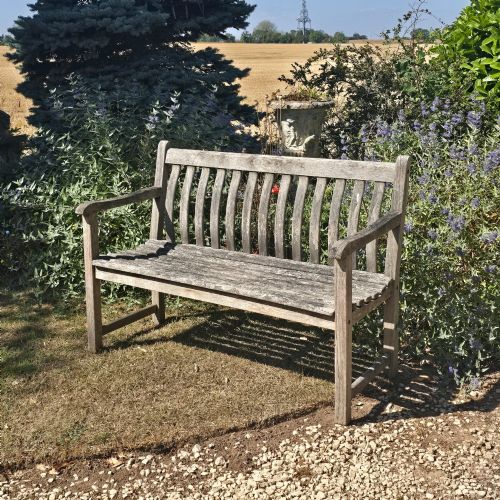
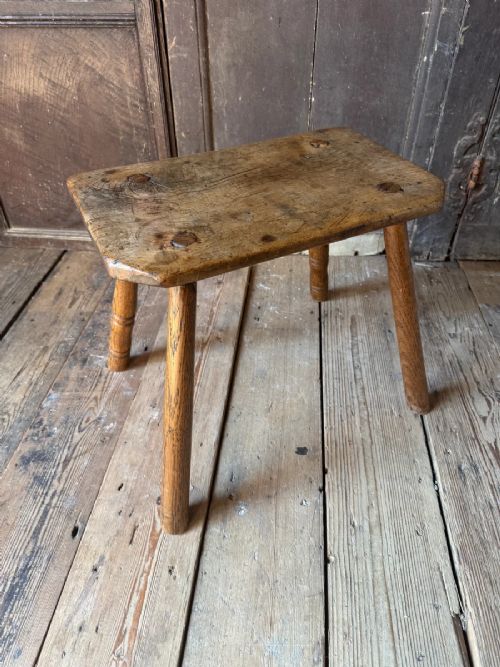
The varieties most commonly met include rustic pine hallway benches, vernacular elm stools, and weathered teak garden benches. Pieces draw on styles such as Victorian, Edwardian, French Provincial, and Jacobean Revival, utilising local timbers suited to their intended function.
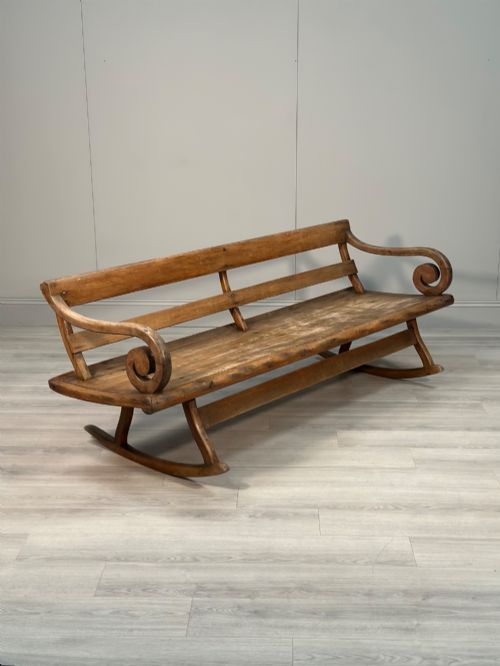
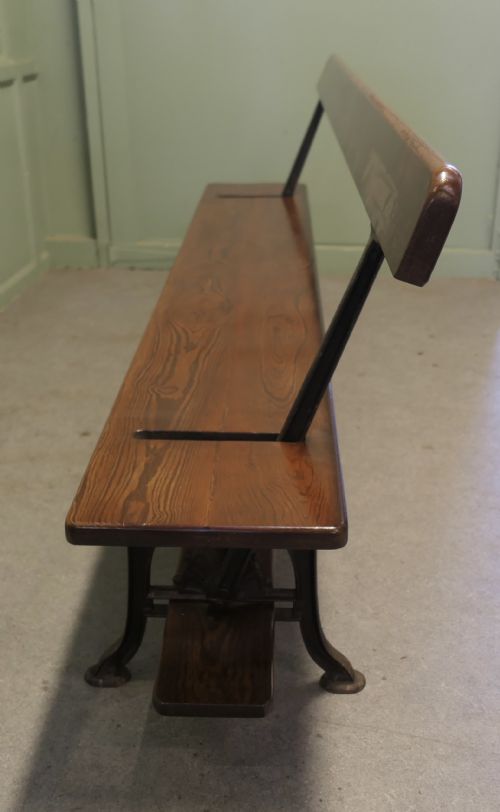
Makers and workshops produced these forms for diverse settings, from country house hallways to public transport and domestic gardens. The category bridges domestic seating and architectural joinery, incorporating storage compartments in box settles or open slatted frames for outdoor use.
How they were made
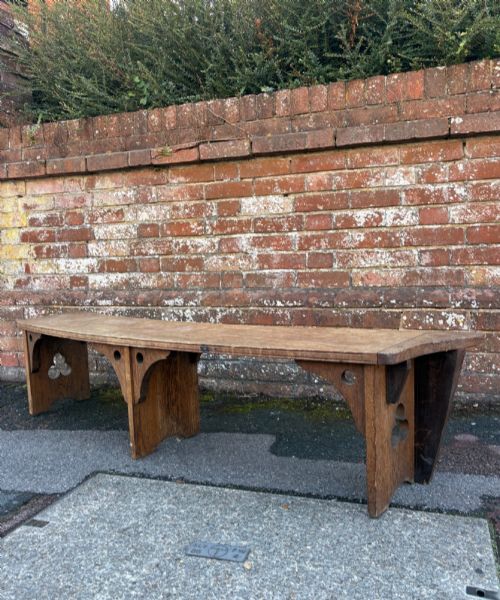
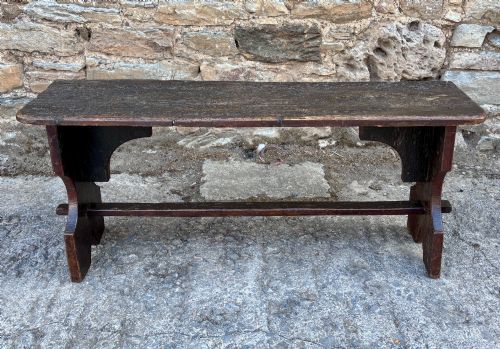
Construction relies heavily on traditional joinery methods utilising native hardwoods and softwoods such as oak, elm, ash, pine, and teak. Joiners employed panelled construction for box settles and sturdy trestle ends for heavy benches, often securing joints with pegs or traditional fastenings.
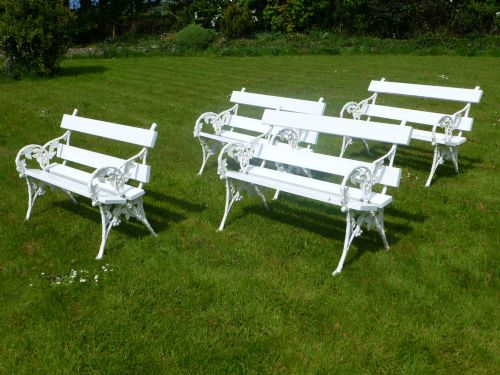
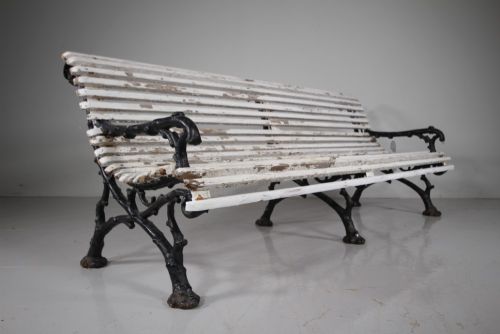
Outdoor variants frequently integrate cast iron supports, seen in garden benches featuring detailed foliate or blackberry patterns from foundries like Falkirk. Surface treatments range from waxed and polished finishes on interior oak and mahogany to painted surfaces in original ochre or green on vernacular pieces.
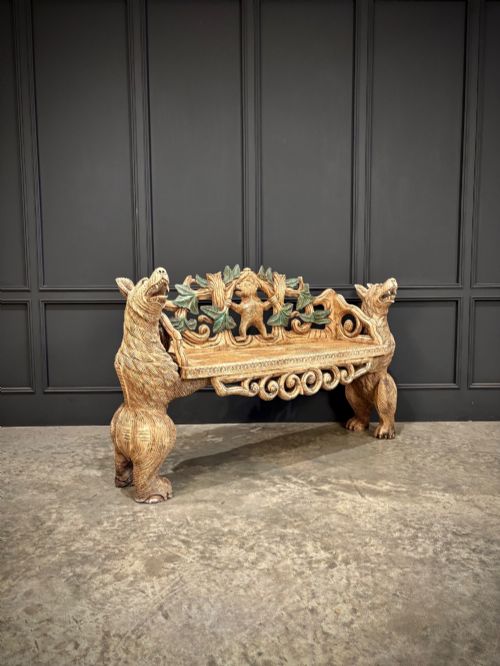
Weathering and natural patina develop on outdoor teak and pine benches exposed to the elements, while interior pieces retain the rich grain patterns of cherrywood, sycamore, and burr elm. Carved details, such as trefoil supports in Gothic styles or Black Forest bear motifs, demonstrate specialised hand-carving techniques.
What varies in quality
Quality in a timber seating bench rests on the integrity of the original construction and the selection of timber. Dense hardwoods like oak, elm, and teak provide structural stability that softer or compromised timbers lack.
The preservation of original surface finishes, whether an early paint layer, a honey brown patina, or natural silvered weathering, dictates the visual merit of a piece. Alterations to structural elements or replaced boards diminish the authenticity of older country furniture.
The refinement of hand-carved details and the balance of proportions distinguish standard utility pieces from exceptional examples. Form and function harmonise more successfully when the joinery remains tight and the original hardware or foundry marks stay intact.
Falkirk foundry
The Timber Seating Bench Glossary
- Settle
- A wooden bench with high back, solid arms, and often a box base for storage. This form kept draughts away from sitters in older domestic halls.
- Box Settle
- A bench featuring an enclosed compartment beneath the seat accessed by lifting the lid or seat boards. It served dual purposes for seating and household storage.
- Vernacular
- Furniture made by local craftsmen using regional traditions and readily available woods without high-style academic design. These pieces reflect local building methods.
- Faux Bois
- A technique imitating wood grain or tree branches, commonly executed in cast iron or concrete for garden furniture. It translates organic forms into durable metal.
Timber Seating Bench: Frequently Asked Questions
What is a timber seating bench?
A timber seating bench is a long seat designed for multiple people, constructed primarily from woods like oak, pine, elm, or teak. These pieces range from indoor hall settles to outdoor garden seating.
They appear in various historical styles, incorporating elements like panelled backs, cast iron supports, or integrated storage compartments.
How were old settles used?
Old settles served as primary seating in domestic halls and farmhouses, positioned near fires to block cold draughts. The high backs and solid sides kept sitters warm.
Many examples included a box base beneath the seat to store blankets, linen, or household goods in rooms with limited furniture.
Can teak garden benches stay outside?
Teak garden benches possess natural oils that make them highly resistant to moisture and rot. They withstand outdoor conditions year-round.
Over time, exposed teak develops a silvered grey patina while maintaining its structural integrity without requiring chemical treatments.
How do I date a wooden bench?
Dating a wooden bench involves examining the tool marks, construction methods, wood species, and wear patterns. Hand-sawn boards and pegged joinery usually indicate earlier periods.
Style indicators, such as Gothic revival carving or Edwardian trestle ends, help narrow the era of manufacture alongside any remaining foundry marks.