
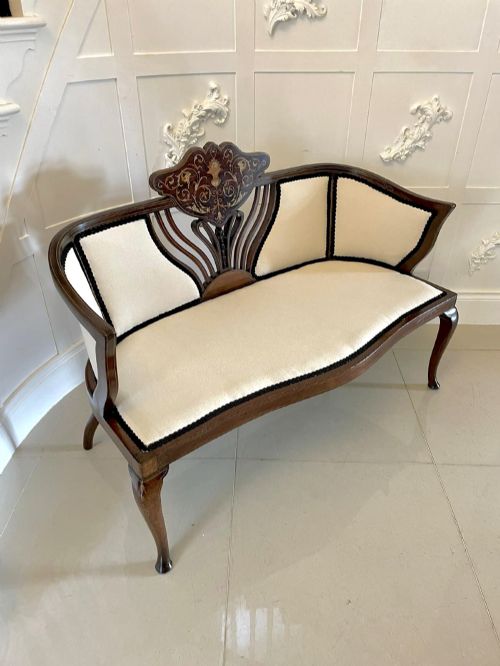
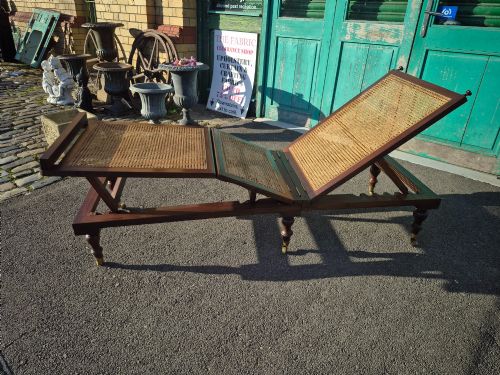
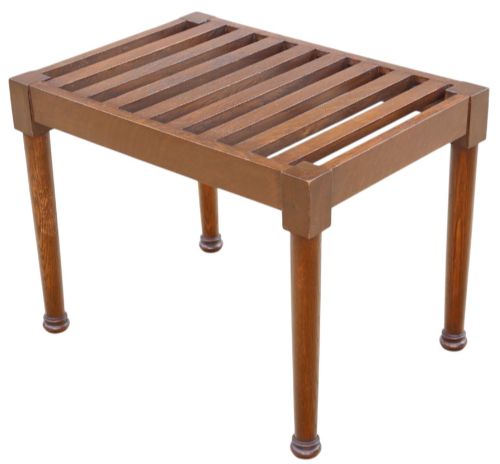
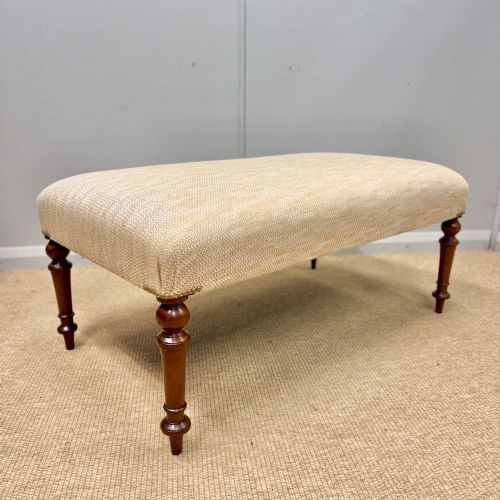
Edwardian Wooden Bench
An edwardian wooden bench offers sturdy utility and understated domestic charm, spanning heavy oak refectory forms and simple slatted garden seats.
Edwardian Wooden Bench
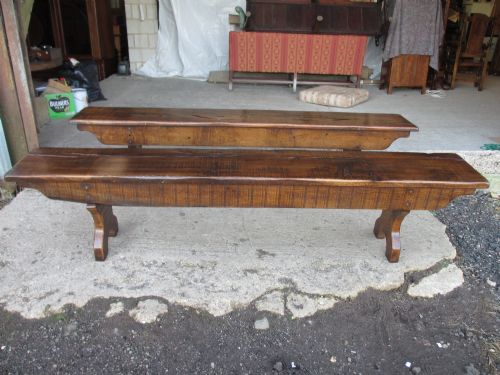
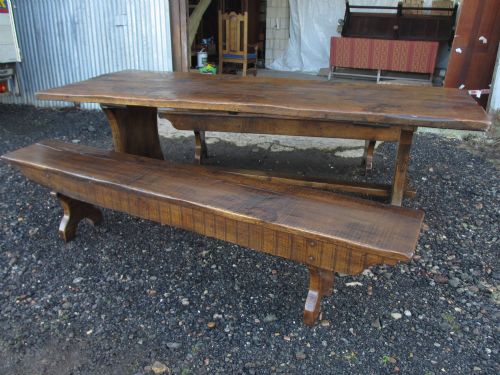
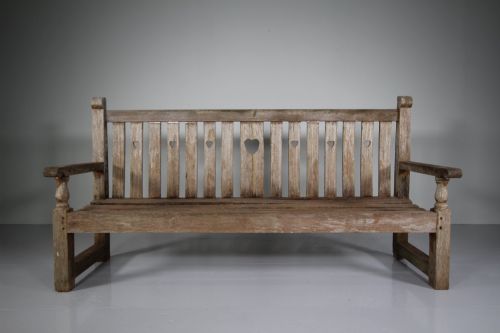
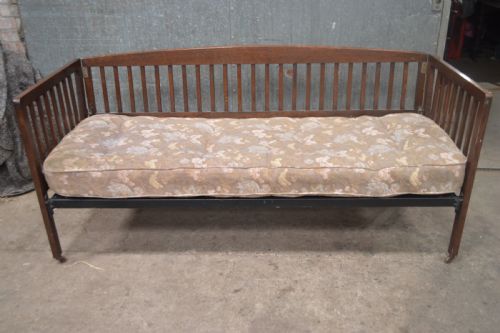
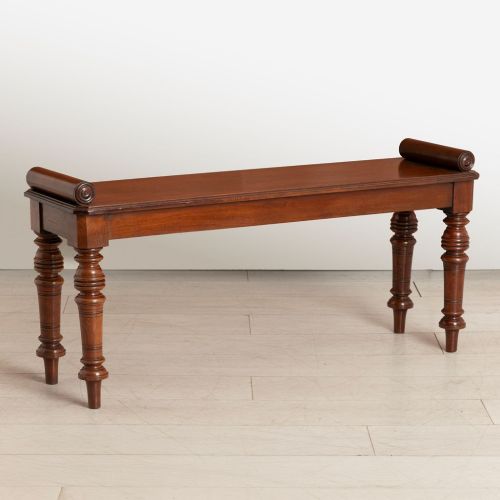
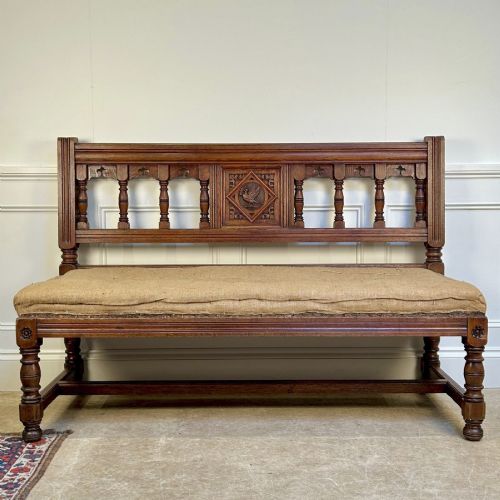
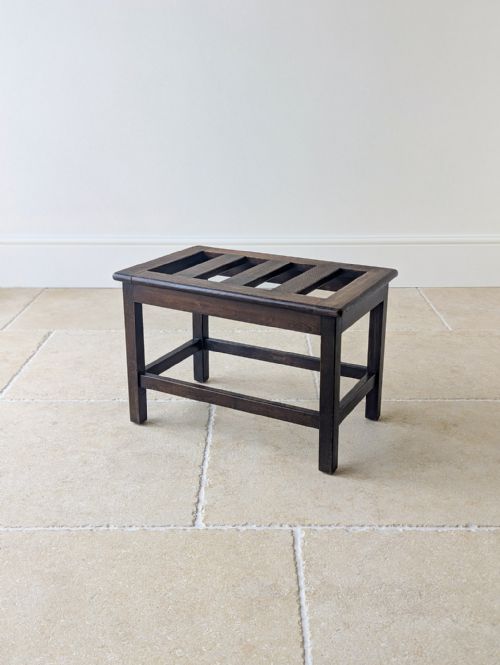
When you search for an edwardian wooden bench, you encounter practical hallway seating, refectory dining forms, and slatted garden seats originating primarily from the early twentieth century alongside adjacent Victorian and later survivals. The selection ranges from heavy oak benches with shaped trestle ends to rustic garden seating fashioned from wood and iron.
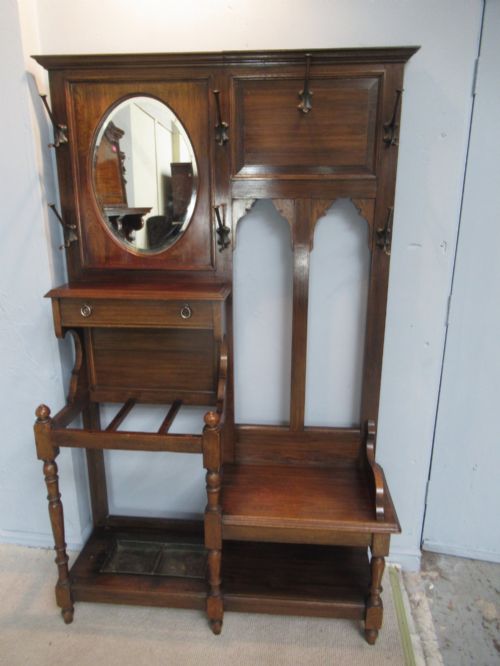
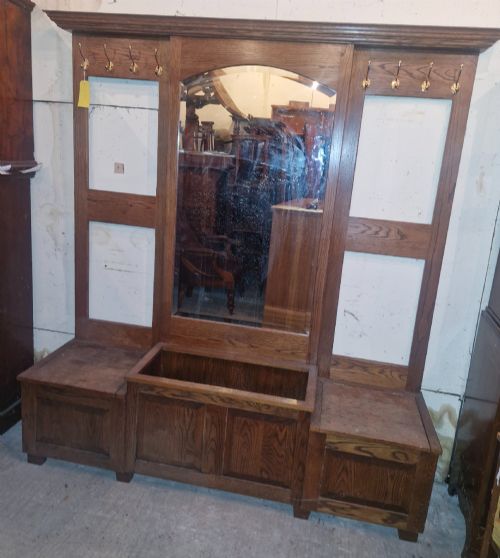
Makers and workshops of the period produced versatile seating solutions, often pairing solid timber frames with integrated hat and coat stands or incorporating carved motifs typical of the Arts and Crafts movement and Sheraton Revival styles.
Materials and Techniques
Construction relies heavily on durable timbers such as oak, mahogany, beech, and pine, frequently finished with polished surfaces that highlight the natural grain. Garden variations combine wooden slats with iron frameworks to withstand outdoor exposure.
Joinery techniques reflect traditional craftsmanship, utilising sturdy trestle supports, shaped ends, and occasional inlaid mahogany details or carved heart motifs characteristic of Edwardian and Arts and Crafts workshop practices.
Listings feature oak, mahogany, beech, and pine timbers across Edwardian, Victorian, and Regency periods.
Assessing Quality
Quality rests upon the selection of timber, the integrity of the joinery in weight-bearing trestles and frames, and the preservation of original surface finishes rather than later alterations. Pieces featuring crisp carving or integrated multi-functional elements like stick stands demonstrate higher workshop ambition.
The distinction between utilitarian commercial production and superior craftsmanship lies in the weight of the oak, the precision of shaped ends, and how well the timber has aged and retained its structural stability over decades of domestic use.
Gillows·James Shoolbred & Co·Liberty
The Edwardian Wooden Bench Glossary
- Trestle ends
- Upright supports placed at the ends of a bench or table, often shaped for stability and visual weight.
- Refectory table
- A long, narrow dining table traditionally paired with matching bench forms for communal seating.
- Arts and Crafts
- A design movement emphasising handcraftsmanship, simple forms, and honest materials.
- Sheraton Revival
- A late nineteenth and early twentieth century style drawing inspiration from eighteenth-century neoclassical furniture designs.
- Hall seat
- A functional piece of furniture placed in an entranceway, frequently combining storage, coat hooks, or stick stands.
Edwardian Wooden Bench: Frequently Asked Questions
Where were these benches typically placed?
These benches found homes in entrance halls, dining rooms, and gardens depending on their construction and timber treatment.
Indoor hall variants often integrated coat racks or stick stands, while robust oak and teak versions served outdoor spaces.
How do I care for an antique wooden bench?
Keep wooden benches away from direct heat sources and sudden humidity changes to prevent the timber from splitting or warping.
Apply occasional appropriate wax polish to maintain the polished finish on indoor oak and mahogany pieces.
Can these benches be used outdoors?
Only specific models designed for external use, such as teak or iron-framed garden benches, suit outdoor environments.
Indoor oak and mahogany pieces lack weather-resistant treatments and require sheltered placement.
What defines Edwardian style furniture?
Edwardian design often lighter proportions than heavy Victorian pieces, drawing on earlier Sheraton and Chippendale revivals.
Simpler country styles and Arts and Crafts influences also flourished during this period.