

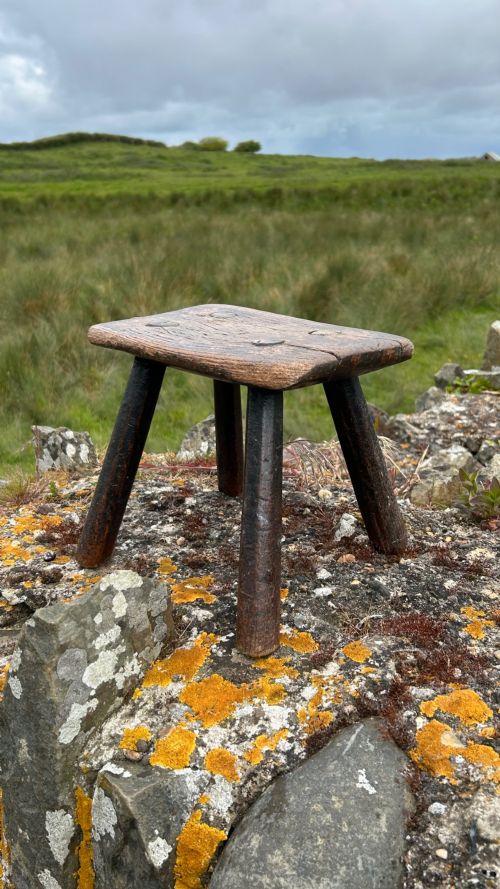
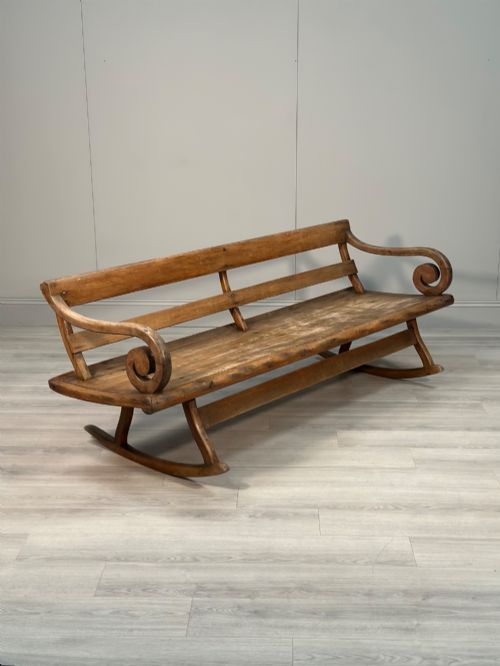
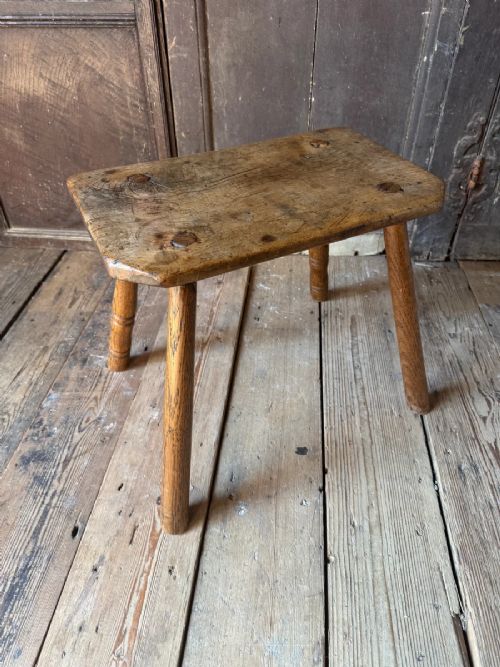
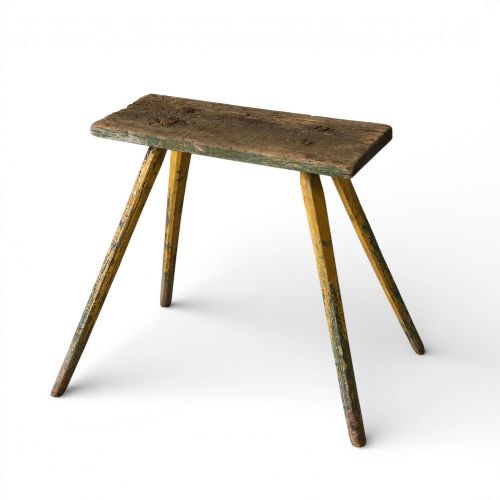


Vernacular Wood Bench
These pieces known as a vernacular wood bench are honest country seating items built for daily utility from natural timber.
Vernacular Wood Bench
A vernacular wood bench represents practical country seating shaped by local hands rather than metropolitan workshops. When searching for a vernacular wood bench, a buyer encounters rustic forms ranging from simple children's seating to long shepherd benches.
The examples on this page span the eighteenth century, the nineteenth century and the early twentieth century. These items typically reflect regional traditions across English, French and Spanish rustic styles.
Forms include settling seats, work stools and long benches built for hard use in domestic and rural settings. Such pieces bring unpretentious character and straightforward utility into contemporary interiors.
How they were made
Maker-joiners utilised accessible local timbers including oak, pine, sycamore, ash, yewtree and general timber. These woods were chosen for durability and strength rather than decorative grain show.
Construction relies on straightforward joinery and natural forms where tree branches and solid boards dictate the final shape. Selected pieces retain traces of original paint applied to protect or decorate the timber surfaces.
Vernacular Wood Bench Retail Price Guide 2026
Typical asking prices for vernacular wood bench among the pieces listed under this phrase on Sellingantiques today, from the lower quarter to the upper quarter. They describe what is for sale here now, not the wider market.
The inventory spans the eighteenth and nineteenth centuries up to nineteen hundred.
What varies in quality
Quality in these items rests upon the integrity of the original construction and the character of the timber. Untouched surfaces and honest patination resulting from decades of use elevate certain examples above others.
The degree of sculptural handling in sculpted rounded seats or natural forms distinguishes basic utility objects from pieces with distinct regional artistry.
The Vernacular Wood Bench Glossary
- Vernacular
- An object designed and made by local craftspeople using traditional methods and regional materials without academic architectural influence.
- Settle
- A wooden bench featuring a high back and solid arms, often designed to block drafts in older homes.
- Patina
- The deep surface sheen and mellow colour developed on timber through years of handling, light exposure and polishing.
- Sycamore
- A dense hardwood utilised by country makers for domestic items requiring strength and resistance to splitting.
Vernacular Wood Bench: Frequently Asked Questions
Where were these benches used?
These benches and stools served hardworking roles in farmhouses, cottages, workshops and dairies across rural communities. They provided practical seating by hearths, at workbenches and in milking sheds.
Over generations, their sturdy construction and simple utility made them indispensable items for daily rural life.
How do I style a wooden bench?
A rustic bench fits easily into modern spaces as a hallway seat, a low display surface or extra dining seating. Its understated form complements both minimalist and traditional interiors.
Allow the natural timber texture and aged surface to remain the visual focus without heavy ornamentation.
What woods were used?
Country makers built these pieces from whatever local timber was readily available in their region. Common choices include sturdy oak, resilient ash, pale sycamore and figured yew.
Each wood species ages differently, contributing unique tones and textures to the finished piece.
How do I date a piece?
Dating relies upon observing tool marks, construction joints, timber shrinkage and the overall wear patterns on the seat. Eighteenth-century examples often display hand-hewn surfaces and pegged joints.
Nineteenth and early twentieth-century versions show subtle shifts in hardware and machining while retaining traditional vernacular forms.