


Timber Outdoor Bench
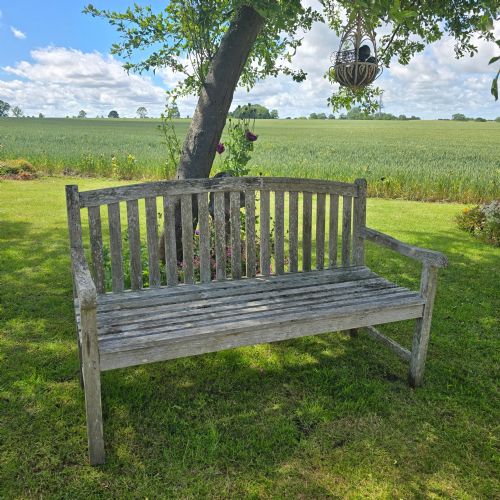
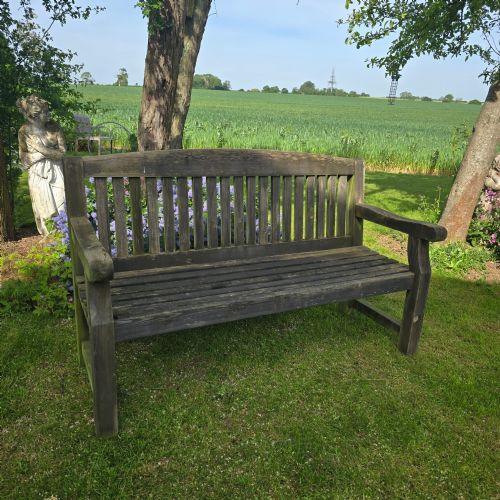
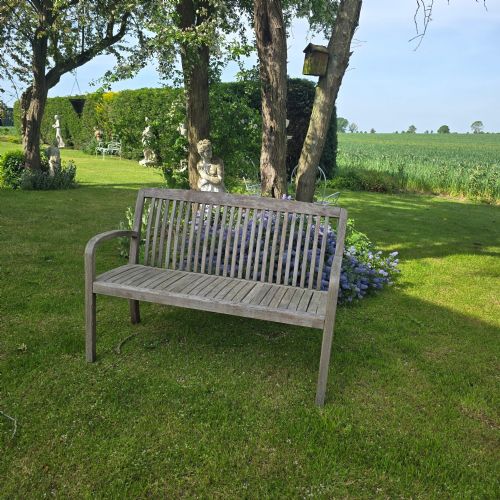
A timber outdoor bench offers a sturdy seat for the garden, combining durable hardwoods with robust metal frames.
Timber Outdoor Bench
A timber outdoor bench serves as a practical garden seat, appearing frequently in teak, pine, elm, and oak alongside painted variants. These pieces span periods from the nineteenth century through the Edwardian era and into the 1930s.
The selections range from simple vernacular garden seats to formal Victorian designs and rustic country styles. French and English country garden examples both feature prominently.
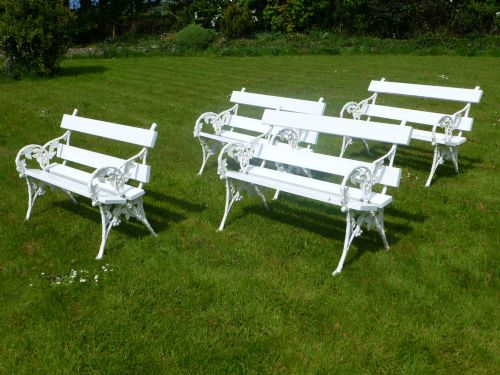
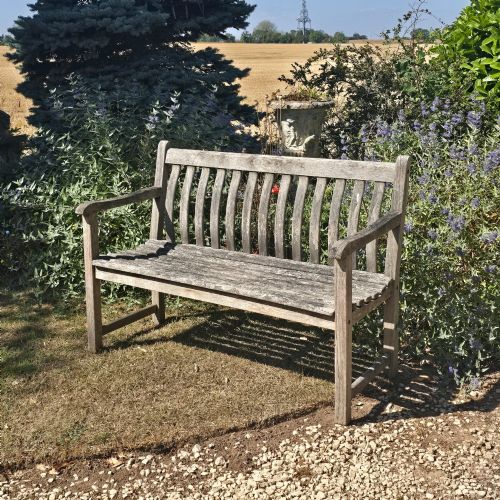
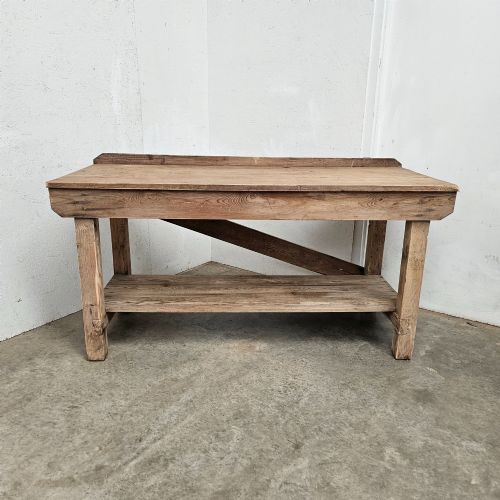
Forms include standard garden benches, pairs of benches, and related pieces like potting tables and railway station benches. Buyers will most commonly encounter weathered teak and cast iron combinations from the nineteenth and early twentieth centuries.
Materials and Construction
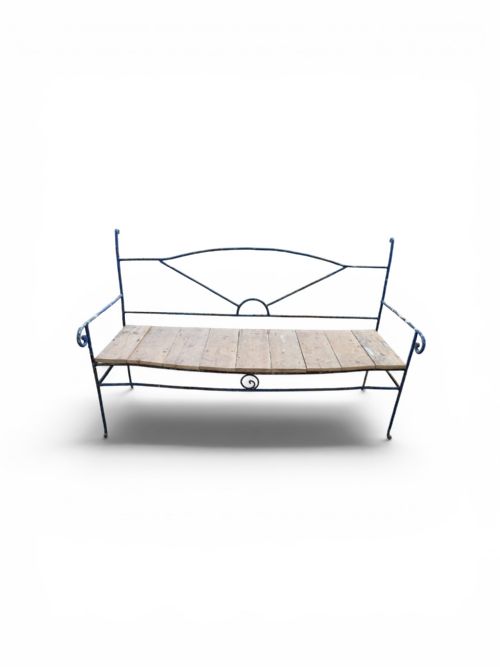
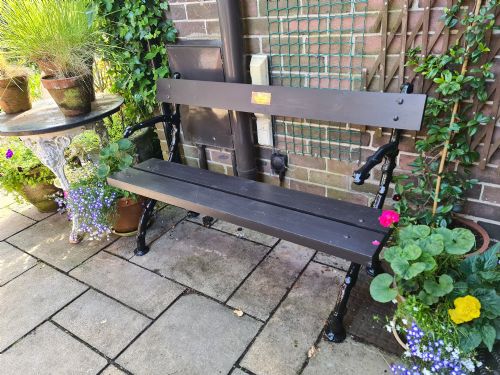
Construction relies heavily on durable timbers such as teak, oak, elm, and pine, paired with structural metal supports. Cast iron and wrought iron provide heavy, decorative ends and frames that anchor the wooden slats.
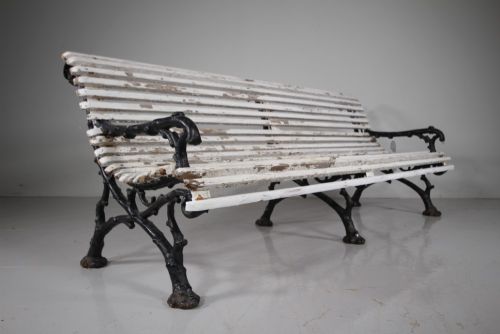
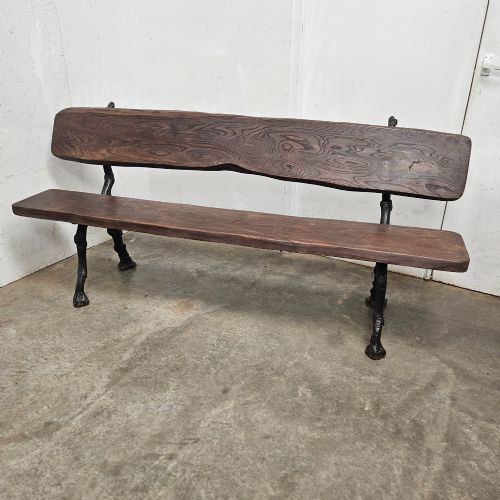
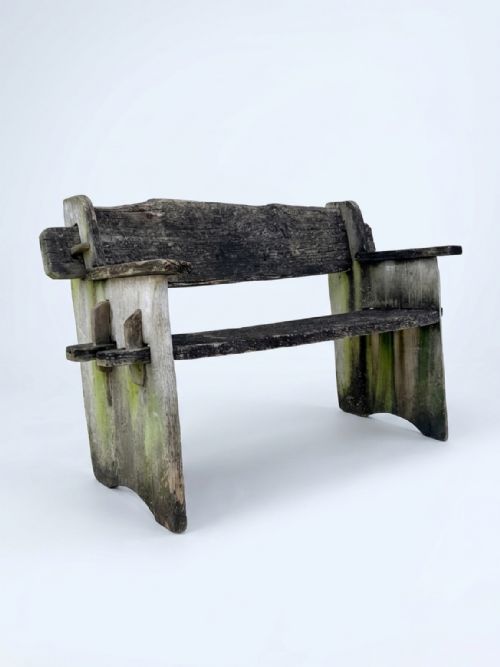
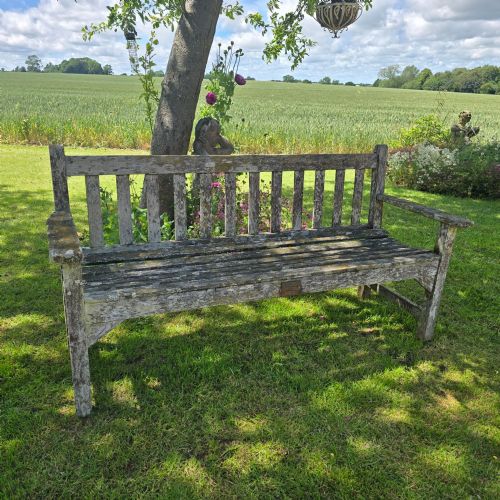
Many surfaces show decades of natural weathering, resulting in a silvered or painted finish. Specialised techniques include faux bois styling, where iron or wood is shaped to mimic natural branches.
Joinery and metal casting methods from the nineteenth and early twentieth centuries ensure structural longevity. Iron frames often feature botanical motifs like blackberry and leaf patterns.
Listings feature timbers including teak, pine, elm, and oak, often paired with cast or wrought iron frames.
Assessing Quality
Quality rests in the selection of timber and the integrity of the metalwork, with dense hardwoods like teak commanding greater durability. The crispness of cast iron ornamentation distinguishes standard production from finer foundry work.
Proportion and form dictate the visual weight of the bench within a garden landscape. Unusual structural variations, such as specific railway station origins or faux bois detailing, set certain examples apart.
The degree of weathering alters the surface character of the timber, where even silvering indicates superior outdoor exposure and care over decades.
The Timber Outdoor Bench Glossary
- Teak
- A dense, oil-rich tropical hardwood prized for its exceptional resistance to outdoor weathering. It naturally ages to a silver-grey patina when left untreated.
- Cast iron
- Molten iron poured into a mould to create rigid, highly decorative bench ends and structural supports. It provides substantial weight to garden seating.
- Faux bois
- An artistic technique imitating wood grain or natural branches, executed here in iron and elm. It became popular during the nineteenth century for rustic garden furniture.
- Weathered wood
- Timber exposed to sun and rain over many years, losing its original colour to develop a textured silvered surface. This process highlights the grain of the wood.
- Rustic pattern
- A design style incorporating natural forms like tree branches, twigs, and leaves into the construction of the bench. It was widely favoured in Victorian and Edwardian country gardens.
Timber Outdoor Bench: Frequently Asked Questions
How do I protect my timber outdoor bench?
Hardwoods like teak naturally resist the elements and require minimal maintenance beyond occasional cleaning. Leaving the timber untreated allows it to develop a silver-grey patina over time.
Applying specific oils can preserve the original warm colour if preferred. During harsh winter months, storing the bench under cover helps prolong its lifespan.
Are these benches suitable for year round outdoor use?
Most examples are constructed from durable timbers and cast iron designed specifically for exterior conditions. The combination of seasoned wood and metal framing withstands changing weather throughout the seasons.
Regular checks on fixings ensure the structure remains stable when placed on lawns or patios.
How do I identify a 19th century bench?
Nineteenth century pieces often feature heavy cast iron frames with detailed botanical motifs like leaves and branches. The construction methods typically show traditional joinery and thicker timber dimensions.
Foundry marks or specific regional styles can also provide clues to the manufacturing period.
What is a railway station bench?
Railway station benches are heavy-duty public seating pieces salvaged from old transport platforms. They are usually built for rigorous daily use, resulting in exceptionally robust frames and thick timber slats.
Many bear stamps or inscriptions indicating their specific station origin.