


Weathered Timber Seat
A weathered timber seat brings garden history to life, offering character and utility that modern reproductions simply cannot match.
Weathered Timber Seat
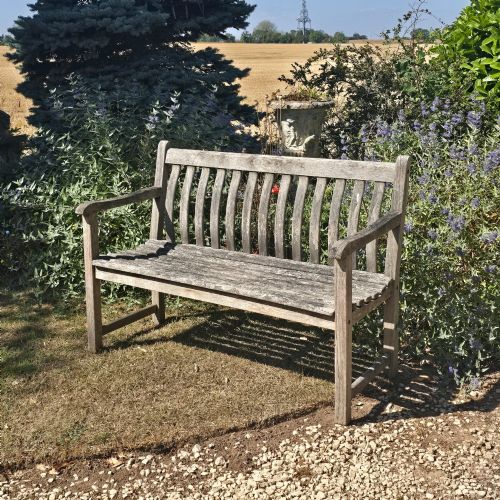
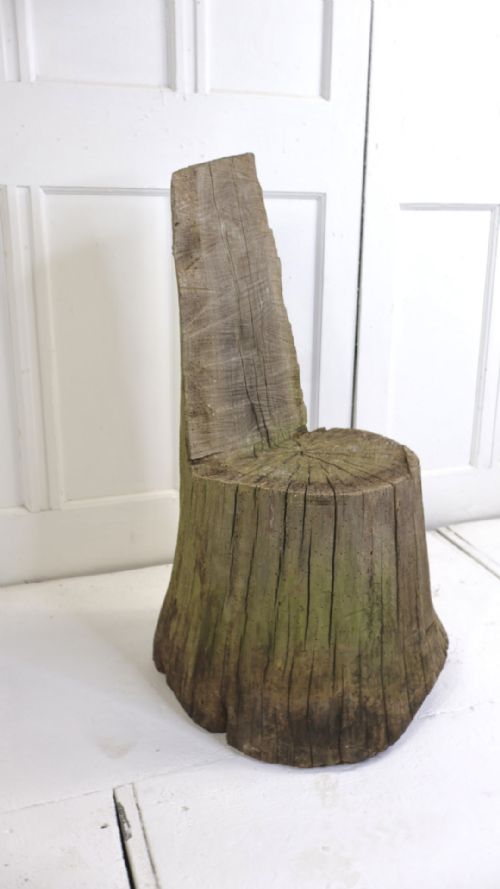
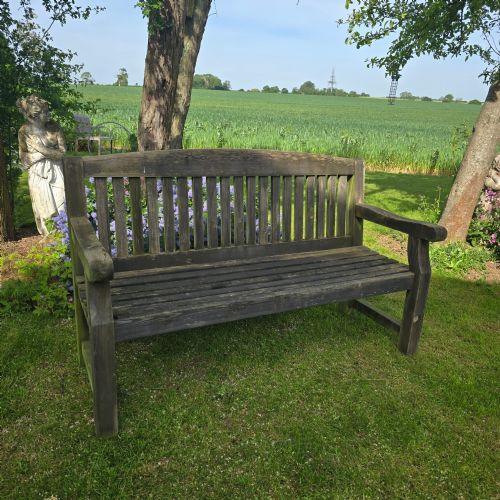
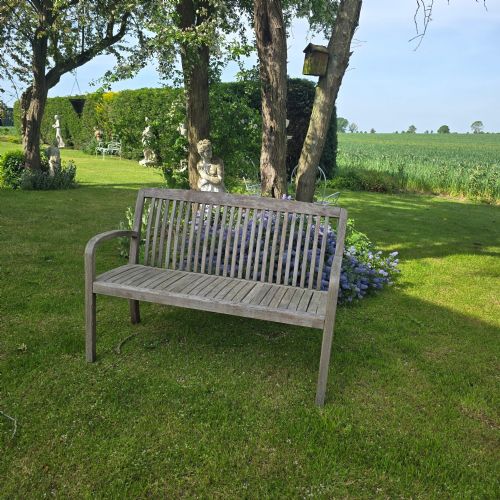
A weathered timber seat provides both practical outdoor utility and historic garden character. When you search for a weathered timber seat, you encounter benches, stools, and sculptural forms shaped by decades of exposure.
The pieces on this page span the eighteenth century to the twentieth century, taking in Edwardian designs, country house styles, and rustic folk art creations. Teak and oak appear frequently, alongside pine and general timber constructions.
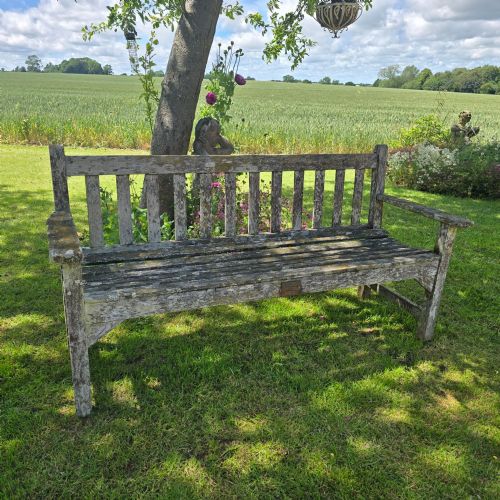
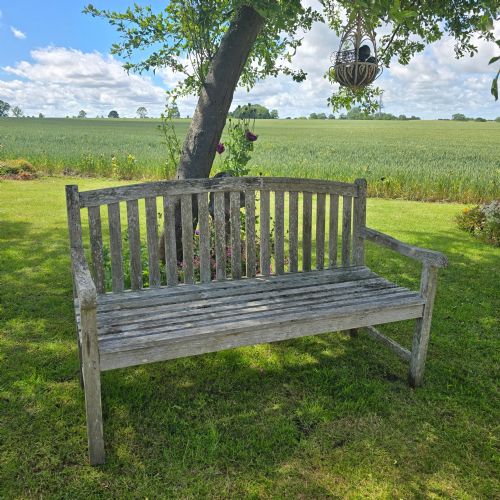
You are most likely to meet garden benches and seats fashioned from teak or oak, often displaying a silvered patina earned through long exposure to the elements. These range from straightforward garden seating to unusual natural forms and sculptural tree seats.
Materials and Construction
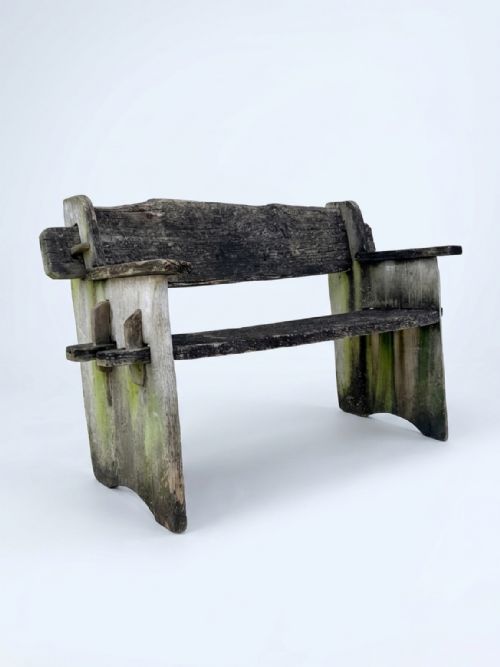
Makers utilised durable hardwoods like teak and oak alongside country pine to build seating that would withstand decades outdoors. Scratch-built construction methods appear in vernacular pieces, prioritising utility and rustic charm over formal workshop polish.
Natural forms and carved details demonstrate traditional woodworking techniques, whether shaping a solid oak childs stool or constructing an orangery bench of unusual form. Weathering naturally alters the exposed wood surfaces, creating distinct silvered tones on teak and timber.
Paint finishes occasionally feature alongside bare wood, adding another layer of visual history to country pine and folk art items.
Listings feature periods spanning from the eighteenth century through the Edwardian era to nineteen thirty, constructed in teak, oak, and pine.
Judging Quality and Character
Quality in these pieces rests upon the integrity of the original construction and the authenticity of the weathering. Superior examples display honest patination earned through genuine age rather than artificial distress.
Unusual structural forms and thoughtful proportions elevate certain benches and seats above standard utility items. The balance between rustic simplicity and structural soundness determines the lasting appeal of each piece.
The Weathered Timber Seat Glossary
- Patina
- The surface sheen and colour developed by wood through age, use, and exposure to weather. A genuine silvered patina is valued for its depth and history.
- Teak
- A dense, durable tropical hardwood highly resistant to rot, making it the preferred material for outdoor garden seating. It weathers to a characteristic silver-grey.
- Folk art
- Utilitarian objects created by self-taught or local artisans, often displaying idiosyncratic designs and regional character. These pieces emphasise direct expression over academic style.
- Orangery bench
- A long seating form traditionally placed within a glazed garden structure for tender plants and relaxation. They often feature lighter proportions than heavy park benches.
- Tree seat
- A circular or polygonal bench constructed to fit around the trunk of a mature garden tree. Edwardian examples often showcase ambitious sculptural carpentry.
Weathered Timber Seat: Frequently Asked Questions
How do I care for a weathered timber seat?
Allow the natural weathering process to continue without applying harsh varnishes or heavy seals. Occasional gentle washing removes dirt while preserving the silvered surface.
Position the seat on level ground and protect it from standing water during prolonged winter months to ensure the timber remains sound.
Can I leave these seats outside year-round?
Hardwoods like teak and oak withstand outdoor conditions exceptionally well due to their natural oils. They are built to endure changing seasons.
Moving delicate folk art pieces or painted pine items into a sheltered porch during harsh winter weather helps protect the surface finishes.
What causes the silver colour on old wood?
Sunlight and rain gradually break down the surface lignin in exposed timber. This natural oxidation process reveals the silvery-grey tones characteristic of aged outdoor furniture.
Genuine weathering takes decades to develop and cannot be easily replicated by artificial treatments.
How do I identify an Edwardian garden seat?
Edwardian pieces often combine traditional craftsmanship with the period's enthusiasm for landscaped gardens and outdoor leisure. Look for characteristic proportions and construction methods typical of the early twentieth century.
Tree seats and rustic vernacular forms frequently date from this energetic period of garden design.