


Timber Frame Mirror
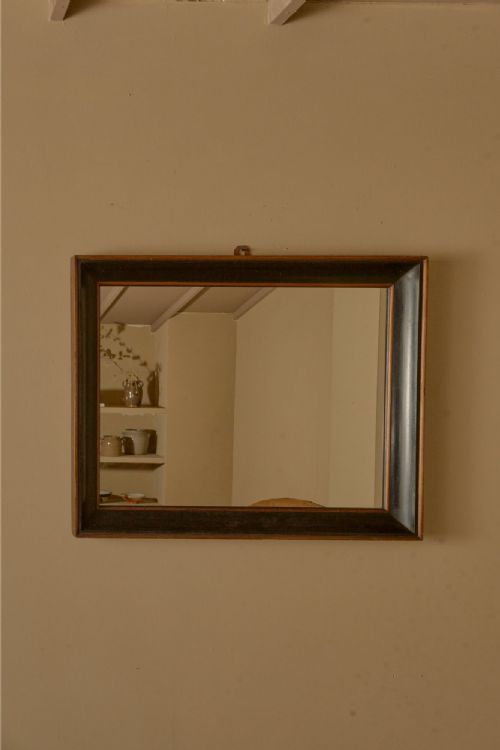
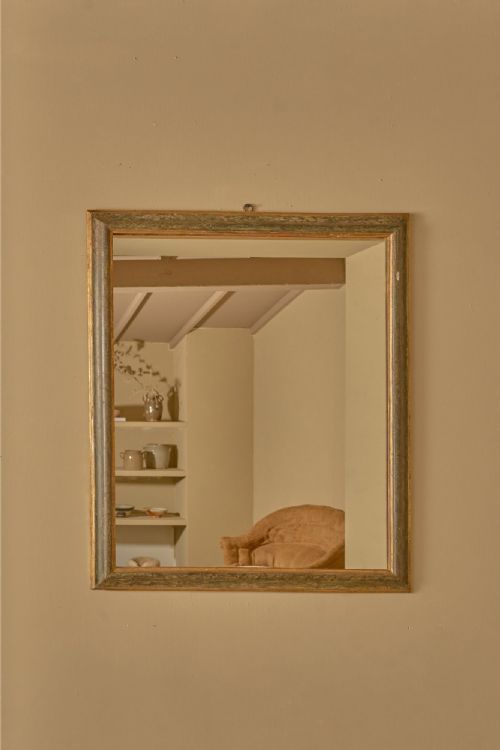
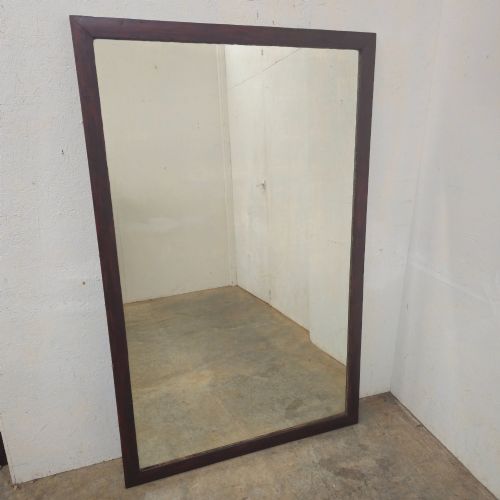
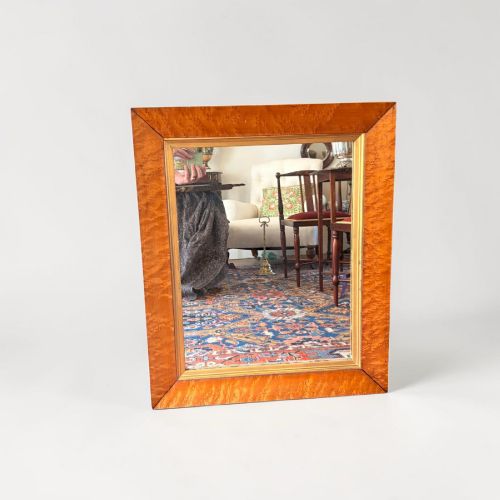
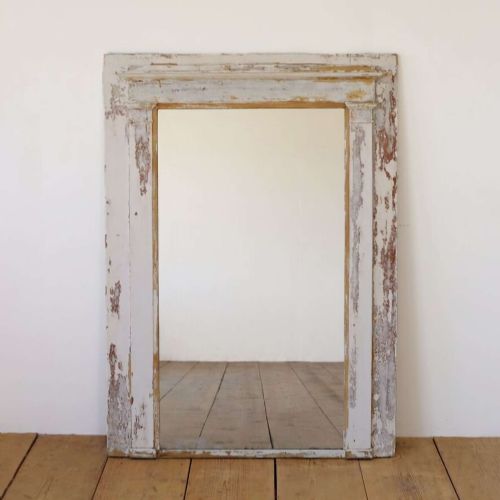
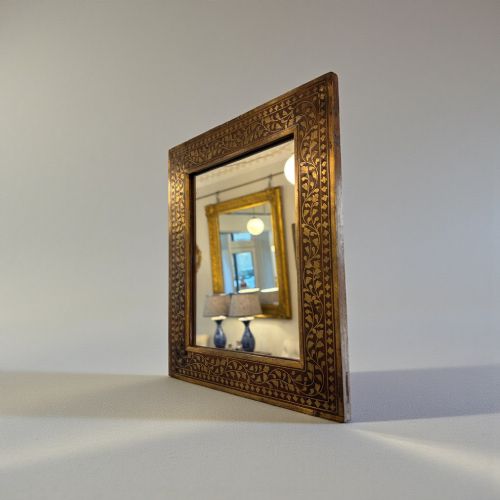
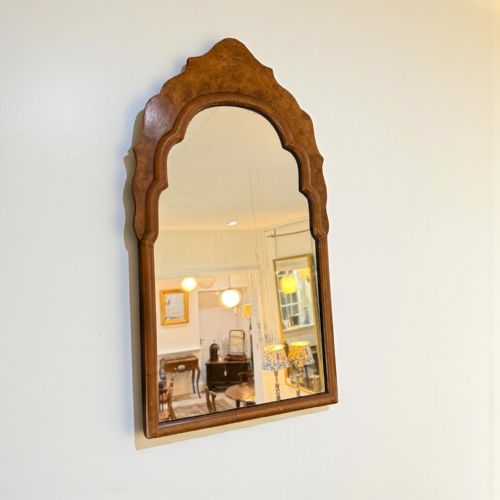
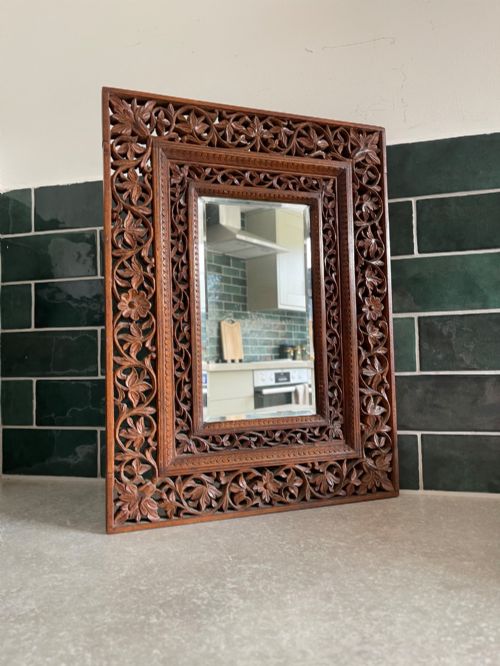
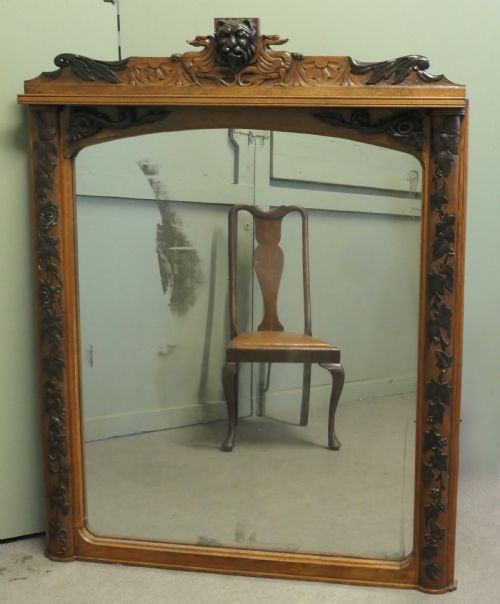
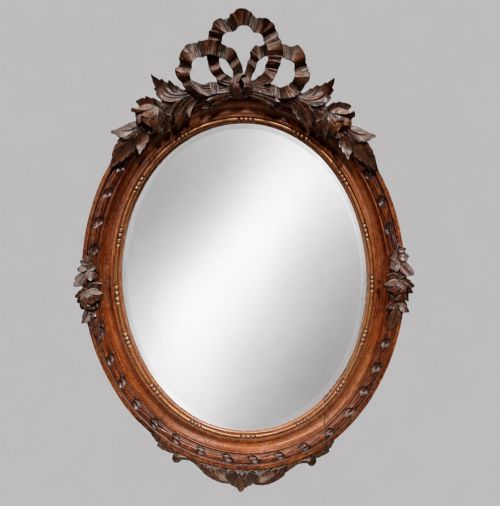
A timber frame mirror brings warmth and depth to a room through solid woods, carved details and aged glass.
Timber Frame Mirror
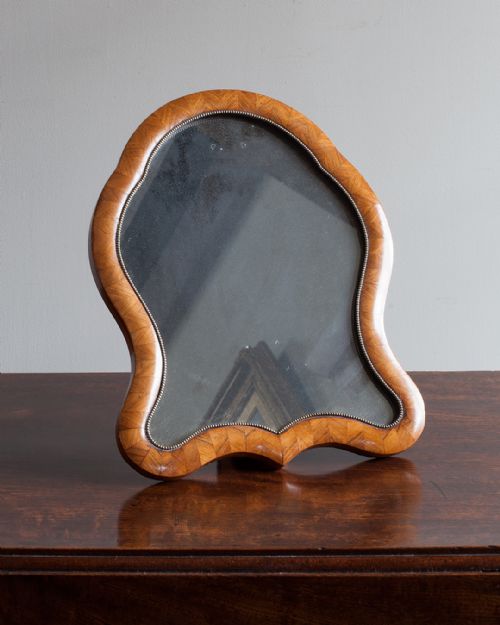
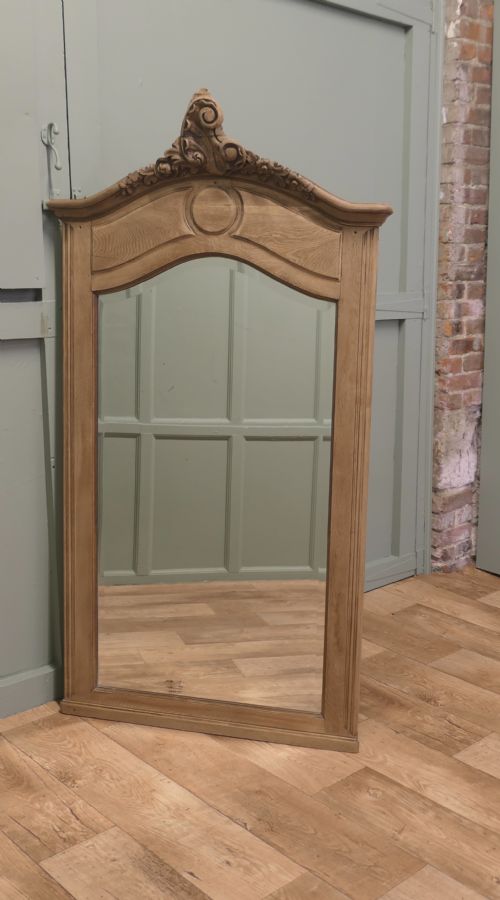
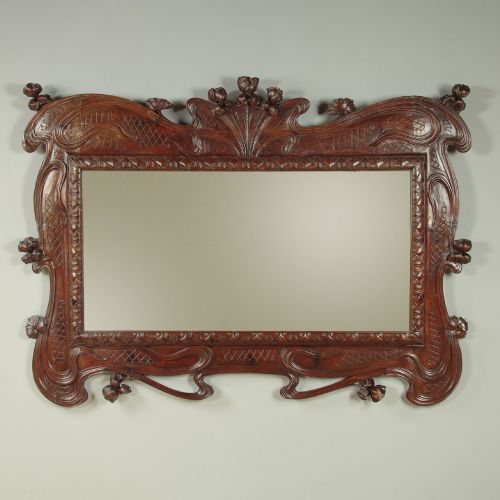
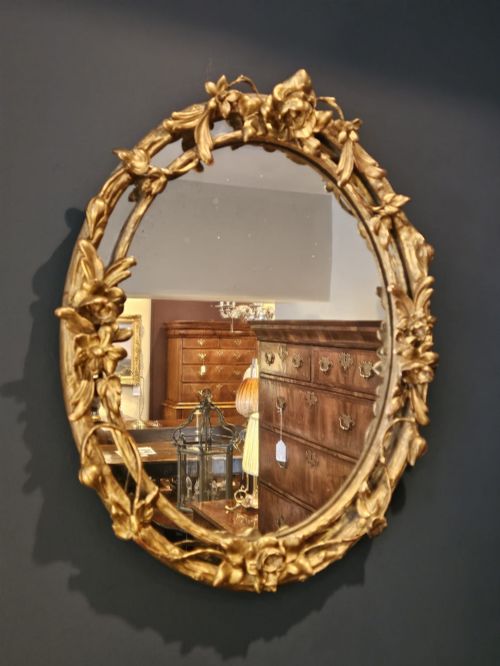
A timber frame mirror uses solid woods and glass to create functional wall art for domestic spaces. Buyers searching for a timber frame mirror encounter diverse regional styles spanning several centuries.
Oak, walnut, maple and kingwood form the primary body of pieces found in this category. Workshops utilise these materials alongside giltwood, brass inlay and carved wood elements to finish each frame.
The selection ranges from large overmantel mirrors designed for reception rooms to compact table mirrors and wall-hanging examples. Victorian and Edwardian periods contribute heavily to the available pool, alongside Georgian and early twentieth-century items.
Materials and construction techniques
Carpenters and joiners constructed these frames using traditional timber joinery, often incorporating carved wood ornamentation, gesso and gold leaf. Oak and walnut provide robust structural foundations, while softer limewood allows for deep, intricate relief carving.
Surface treatments vary from polished French polish and wax finishes to scrubbed oak and ebonised details. Marquetry inlay, brass mounts and faux tortoiseshell finish many of the higher-tier items.
Timber Frame Mirror Retail Price Guide 2026
Typical asking prices for timber frame mirror among the pieces listed under this phrase on Sellingantiques today, from the lower quarter to the upper quarter. They describe what is for sale here now, not the wider market.
The listings span the Victorian, Edwardian and Georgian eras, incorporating oak, walnut, maple and giltwood.
Distinctions in quality and execution
The standard of carving and the selection of timber dictate the overall character of a piece. Deeply undercut relief work and tightly fitted mitre joints separate standard utility frames from ambitious workshop commissions.
The preservation of original surface finishes, whether untouched scrubbed oak or intact giltwood, influences the visual impact. Secondary elements like brass inlay and original glass plates also contribute to the distinction between examples.
The Timber Frame Mirror Glossary
- Overmantel mirror
- A large horizontal mirror specifically designed to hang above a fireplace mantelpiece. These pieces often span the full width of the hearth.
- Giltwood
- Timber that has been coated with a thin layer of gold leaf or gesso and gold paint. This technique gives frames a bright, reflective metallic surface.
- Marquetry
- Decorative veneer work where small pieces of different woods are fitted together to form geometric or pictorial patterns. Cabinet makers used this technique on high-status frames.
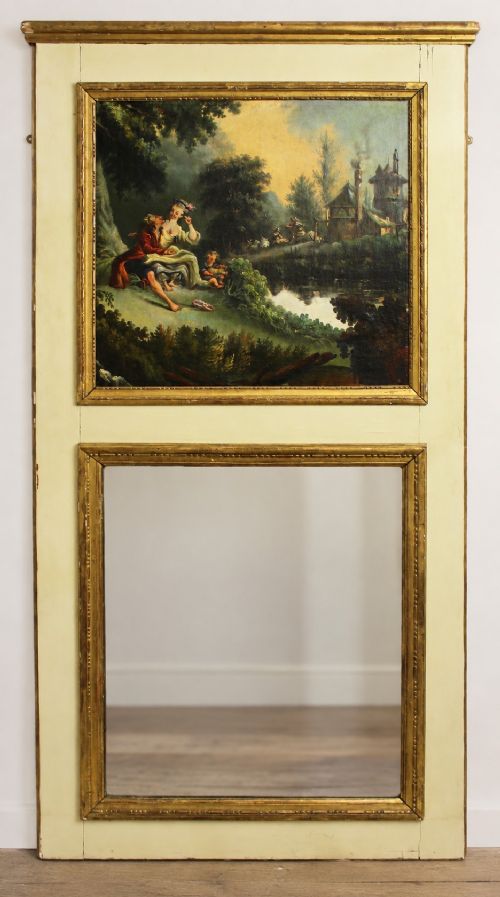
- Trumeau
- A decorative wall mirror paired with an oil painting or panel above the glass plate. These French pieces integrate art and mirror glass into a single vertical composition.
- Cushion frame
- A broad, rounded frame profile that slopes inward toward the mirror plate. This style creates a pronounced three-dimensional border around the glass.
Timber Frame Mirror: Frequently Asked Questions
How do I hang a heavy timber frame mirror?
Heavy mirrors require secure wall fixings attached directly into masonry or timber studs using appropriate brackets.
Distributing the weight evenly across two fixing points prevents strain on the frame joints.
Can I place these mirrors in a bathroom?
High humidity can damage antique timber and compromise the silver backing of older glass plates.
Dry rooms with stable temperatures suit these materials much better than steamy environments.
What is an overmantel mirror used for?
An overmantel mirror sits directly above a fireplace to reflect light and anchor the decorative scheme of a room.
They also serve as a central focal point for large wall spaces in sitting rooms.
How should I clean the wooden frame?
Dust the timber gently with a dry, soft cloth to remove everyday particles without disturbing the finish.
Avoid liquid polishes and chemical sprays that can soften antique wax or varnish over time.