

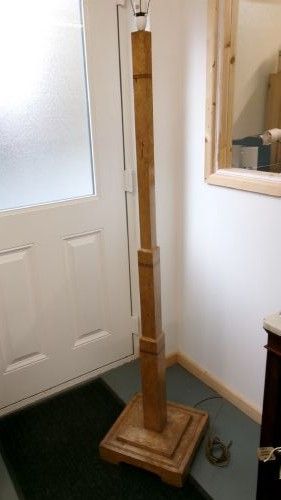


Timber Column Stand
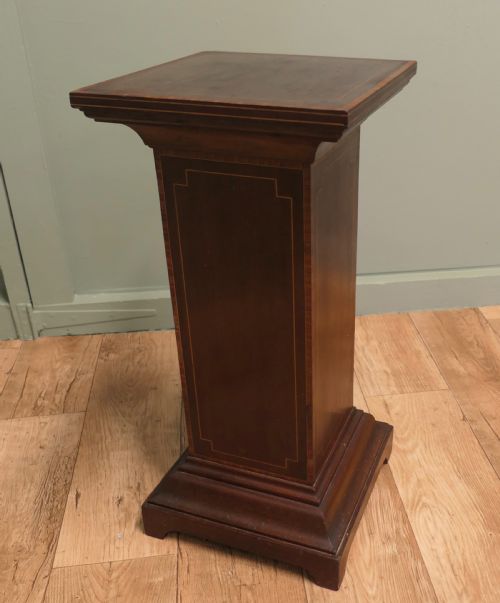
These timber column stand pieces are solid vertical supports designed to elevate sculptures, plants or lamps in a room.
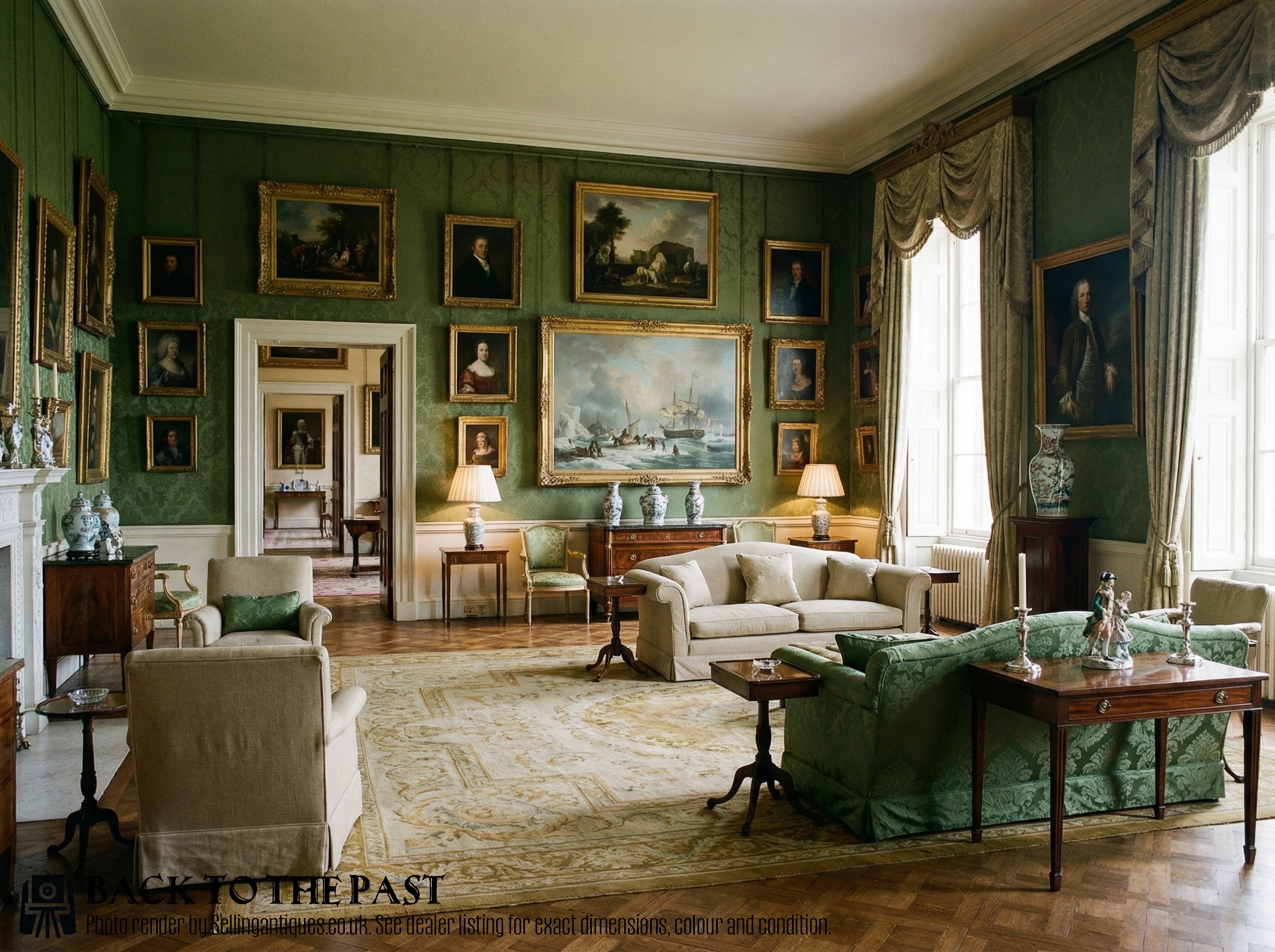
Timber Column Stand
A timber column stand is a vertical architectural support designed to elevate decorative objects, plants or lighting within a room. When exploring this selection, buyers frequently encounter Victorian examples alongside nineteenth century pedestal forms and occasional Edwardian pieces.
Makers utilised various timber types to achieve different heights and decorative impacts, ranging from slender plant holders to substantial sculptural columns. These pieces bring architectural proportion and vertical interest to domestic interiors.
What varies in quality
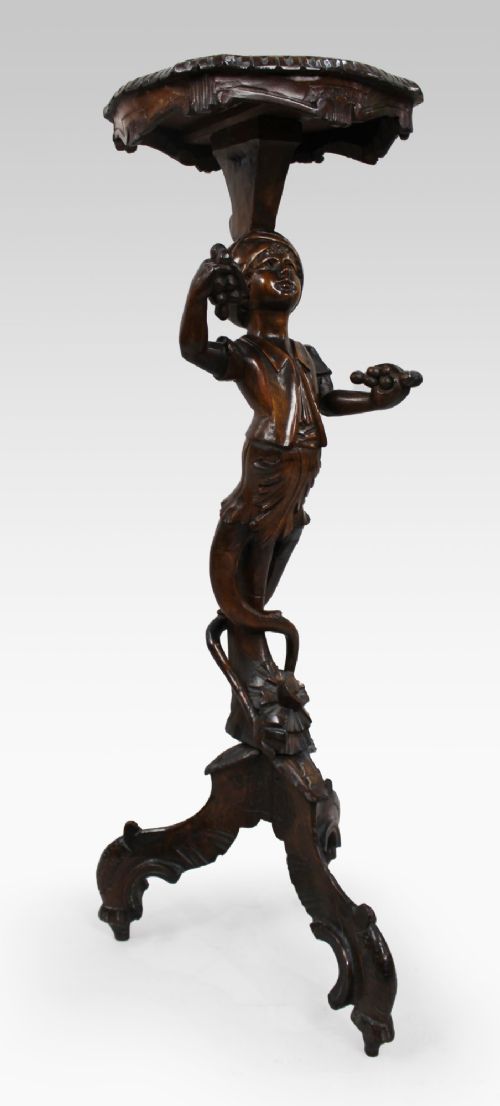
Quality depends upon the depth and crispness of the hand carving, particularly on figural caryatids, Blackamoor figures and acanthus leaf details. Finely turned fluting and balanced proportions distinguish superior examples from simpler turned utility posts.
The choice of dense hardwoods like mahogany and walnut over soft pine elevates the status of a piece. Original painted surfaces or convincing faux marble finishes also determine the visual weight and historical interest of an individual stand.
Listings feature woods including mahogany, walnut, oak, pine, birch, beech and rosewood alongside painted and faux marble finishes.
The Timber Column Stand Glossary
- Torchere
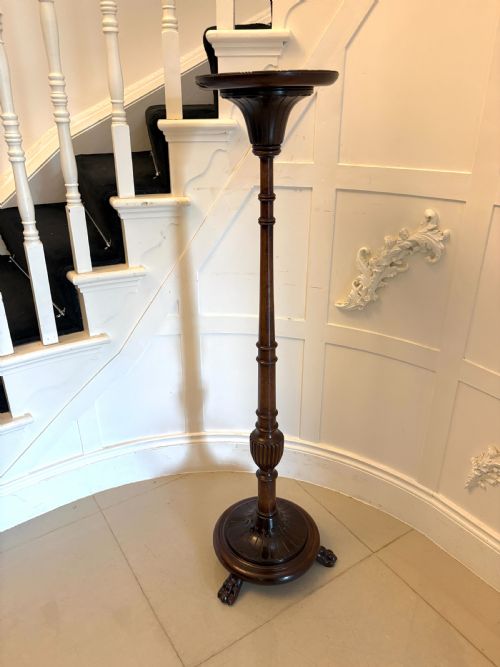
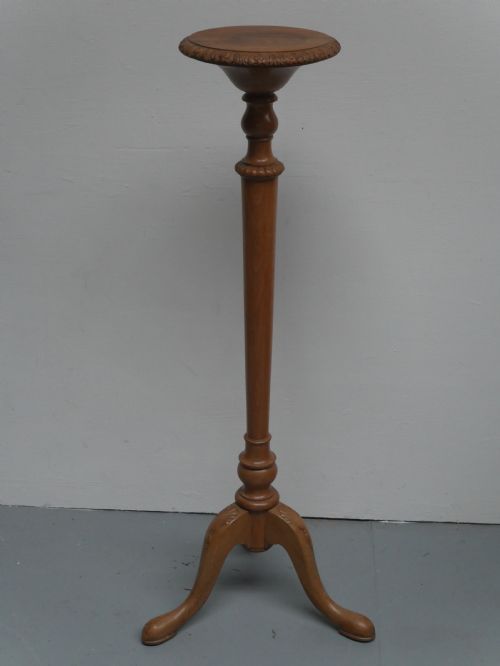
- A tall stand designed specifically to hold a light or a candle. These fixtures often feature slender wooden shafts and decorative carved tops.
- Caryatid
- A sculpted female figure serving as an architectural support taking the place of a column. They appear on nineteenth century pedestals.
- Jardiniere
- A decorative pot or stand for holding plants and flowers. These pieces often feature waterproof liners or raised wooden platforms.
- Plinth
- The heavy base upon which a column, statue or pedestal rests. It provides physical stability and visual grounding for the structure above.
- Fluted
- Decorated with parallel vertical grooves cut into the surface of a column. This classical technique adds visual rhythm and elegance to timber shafts.
Timber Column Stand: Frequently Asked Questions
What is a timber column stand used for?
These vertical stands serve primarily to elevate sculpture, display art objects or support indoor plants and lamps. They raise items to eye level to create focal points in hallways and reception rooms.
Historically, larger country house examples also functioned as hall stands or sculpture pedestals. Their primary role remains decorative display within interior spaces.
How do I date a timber column stand?
Dating relies upon timber selection, turning techniques and decorative styles associated with specific eras like the Victorian or Georgian periods. Hand-cut joinery and aged patina indicate earlier nineteenth century origin.
Later pieces from the Art Deco era display streamlined geometric forms and blond walnut finishes. Comparing carved motifs against known period styles helps narrow the manufacturing date.
Are these stands strong enough for heavy items?
Solid hardwood versions constructed from mahogany, oak or walnut offer substantial weight-bearing capacity for heavy bronze sculptures or large urns. Pine and softer wood variations suit lighter plant pots or standard lamps.
Checking the width of the base plinth reveals how stable the column remains under load. Taller, slender columns require careful placement on level flooring.
Where should I place a column stand at home?
These vertical pieces fit naturally into empty corners, entrance hallways or framing architectural doorways. They draw the eye upward and utilise vertical space without occupying a large floor area.
Placing a lamp or sculptural vase on top completes the display. Paired columns often flank a fireplace or console table for symmetry.