


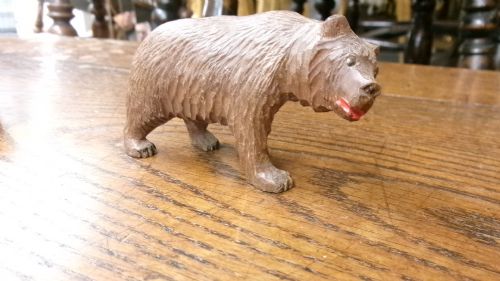
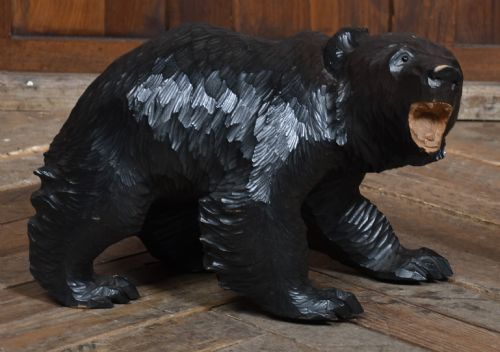


Timber Animal Carvings
Timber animal carvings are sculptural representations shaped from wood across various historic periods, offering collectors detailed studies of domestic and wild creatures.

Timber Animal Carvings
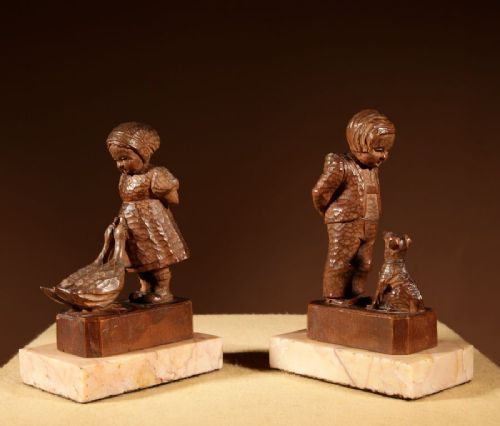
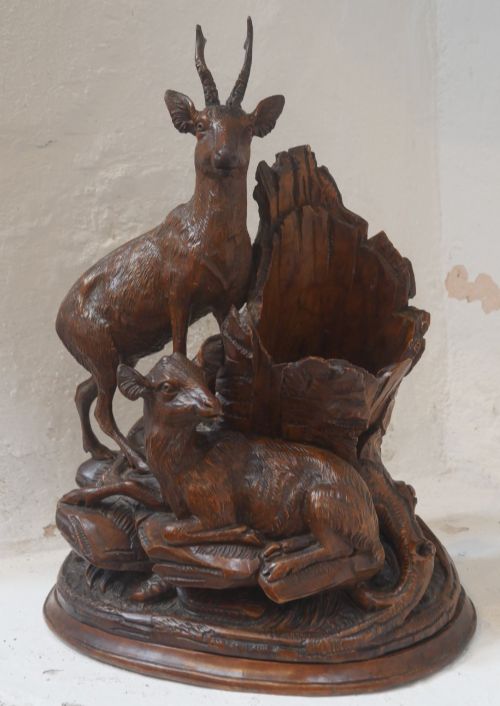
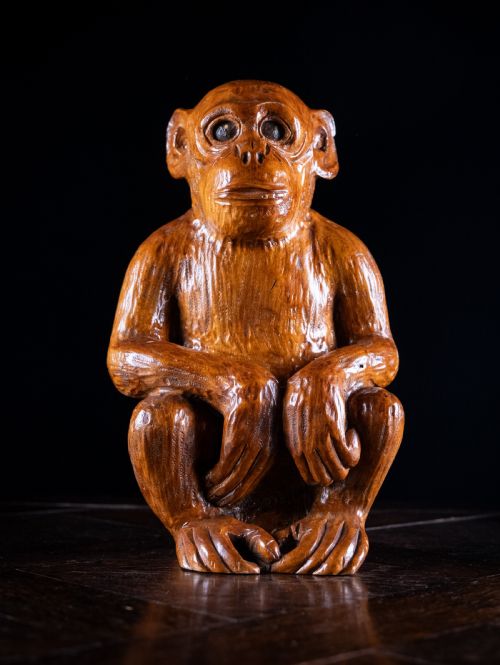
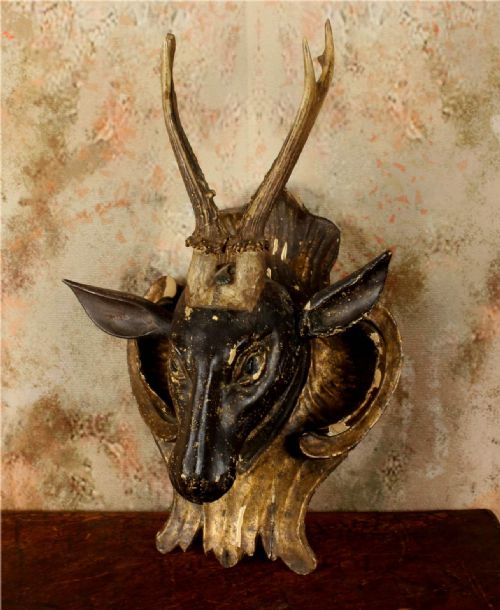
Timber animal carvings span several centuries of craftsmanship, ranging from seventeenth-century figures to mid-twentieth-century sculptures. These pieces take the form of freestanding statues, bookends, wall masks, and functional items such as inkwells and walking sticks.
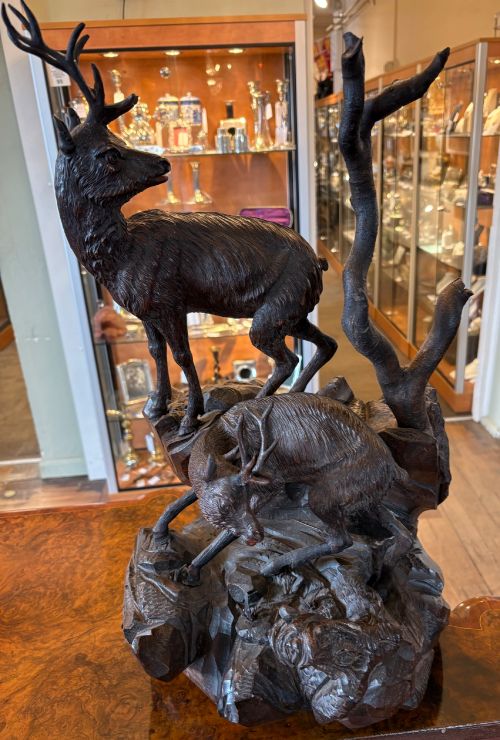
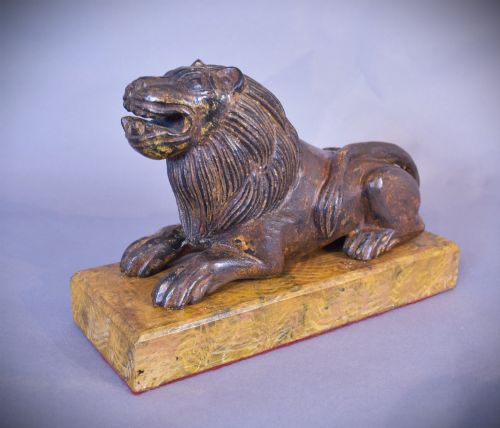
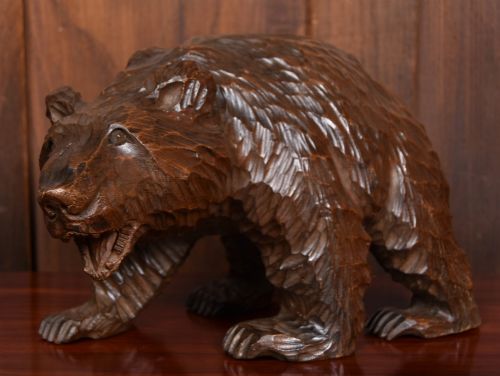
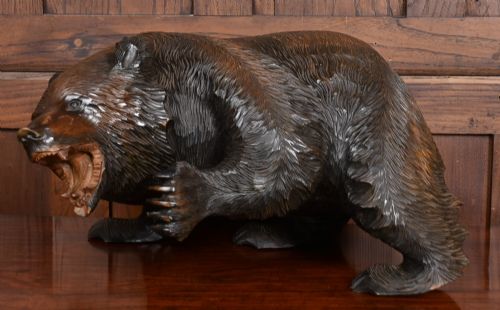
The selections frequently feature European Black Forest works alongside Japanese folk art, Anglo-Indian regional pieces, and Chinese hardwood creations. Bears, lions, deer, and dogs dominate the subjects, rendered either as solitary studies or in pairs.
Materials and methods
Artisans carved these figures primarily from hardwoods and softwoods, utilising walnut, teak, and lindenwood. Selection of the timber depended on the regional tradition, with European workshops favouring lindenwood and walnut while makers in other regions utilised dense tropical hardwoods.
Detailing was achieved through hand-chizzling and occasionally augmented with paint, glass inserts for eyes, or mounted antlers. Articulation and glass elements appear in specific nineteenth-century examples to enhance realism.
Listings feature timber animal carvings spanning from the seventeenth century through to the mid-twentieth century.
Evaluating the carving
Quality rests upon the anatomical accuracy and expression captured by the carver. Finer examples display careful muscle definition and fur texture that reveal the natural grain of the wood without masking flaws behind heavy finishes.
The depth of relief and proportion distinguish masterworks from simpler decorative ornaments. Wear patterns and original surface patination further separate untouched historical specimens from later alterations.
The Timber Animal Carvings Glossary
- Black Forest
- A style of wood carving originating from the Brienzerwald region of Switzerland, renowned for naturalistic representations of wildlife, particularly bears.
- Kibori Kuma
- A Japanese term for traditional wood-carved bears, often produced as folk art in Hokkaido.
- Raj period
- Pertaining to the British administration in India, producing hardwood carvings of elephants and local fauna.
- Lindenwood
- A pale, fine-grained timber frequently utilised by European carvers for intricate detail work.
- Grand Tour
- Cultural travel undertaken by nineteenth-century Europeans, collecting souvenirs such as carved stone or wood lion figures.
Timber Animal Carvings: Frequently Asked Questions
What are timber animal carvings?
Timber animal carvings are three-dimensional sculptural objects shaped from various woods by historic artisans.
They represent both domestic and wild animals across international folk art and regional traditions.
How were these wooden animals used?
Many served purely as decorative sculptures, table ornaments, or wall masks within nineteenth-century interiors.
Others fulfilled practical functions as inkwells, bookends, walking sticks, and table lamps.
How do I identify Black Forest carvings?
Black Forest carvings are typically rendered in lindenwood or walnut and depict European wildlife like bears, deer, and dogs.
They often exhibit distinct regional styling originating from Swiss and German mountain workshops.
What woods were used for carving?
Carvers selected timbers based on availability and regional provenance, ranging from European walnut and lindenwood to dense tropical hardwoods.
Some pieces incorporate painted surfaces or glass elements to accent the natural wood grain.
How should I care for antique wood carvings?
Maintain stable indoor humidity levels and keep wooden sculptures away from direct heat sources to prevent cracking.
Dust gently with a soft dry cloth and avoid applying modern chemical polishes.