
Tilting Top Wine Table
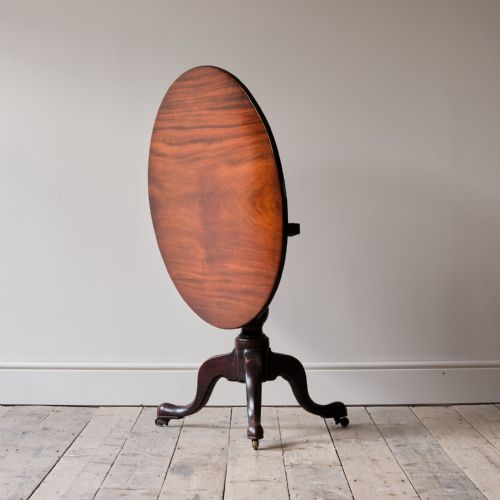
A tilting top wine table is a compact pedestal piece designed to swing flat for storage, offering practical surface space with characteristic period proportion.
Tilting Top Wine Table
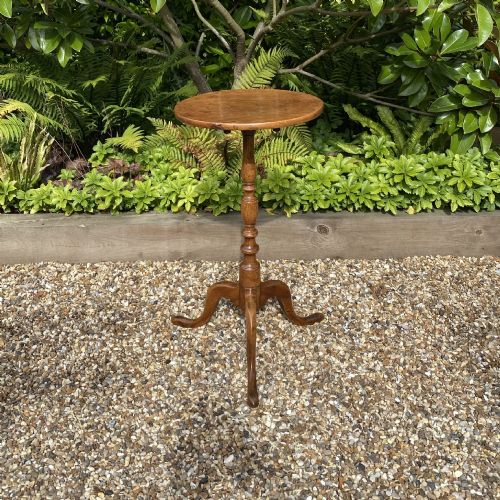
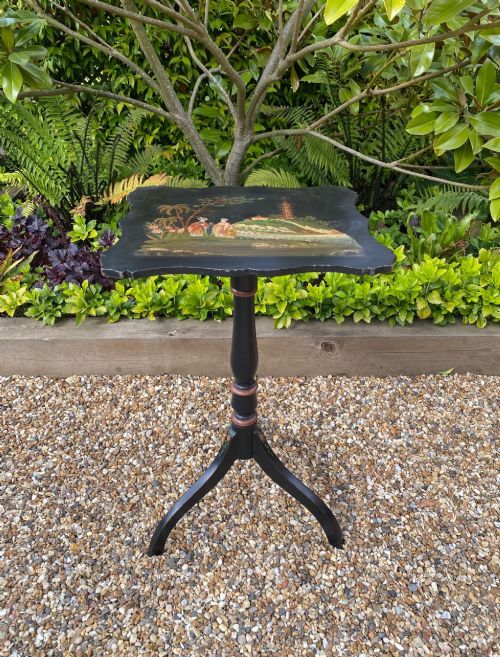
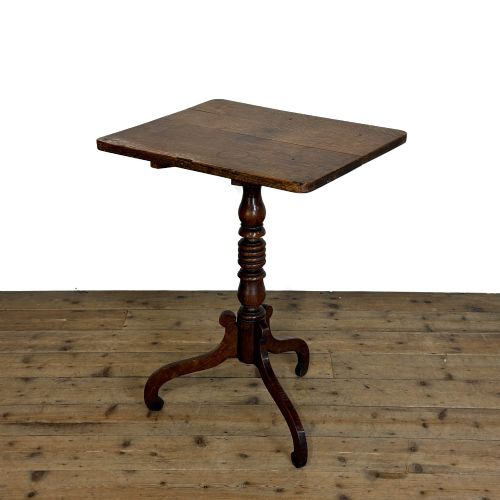
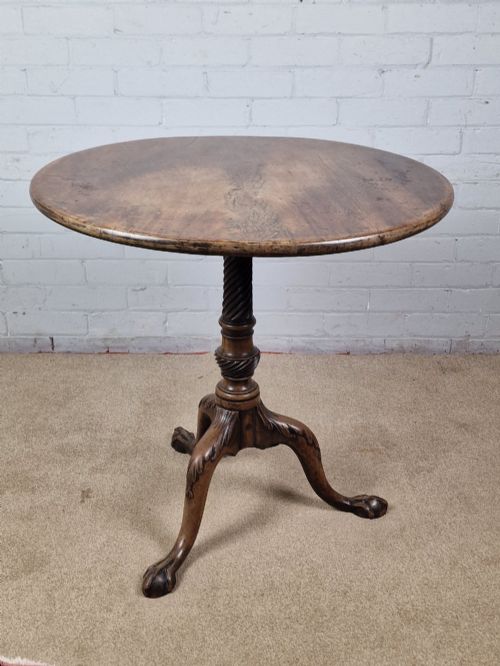
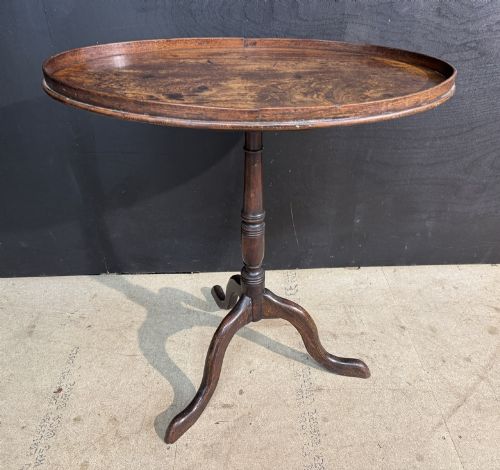
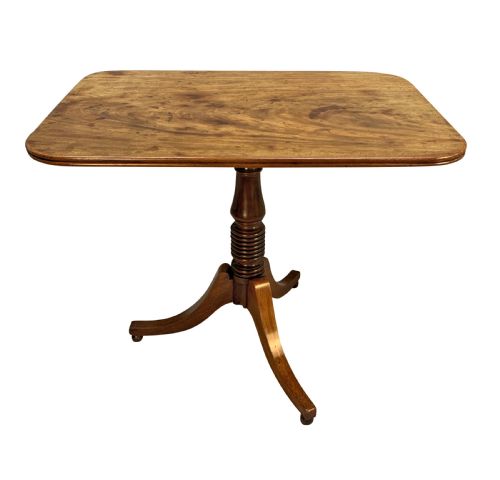
A tilting top wine table is an occasional piece built around a central pillar and tripod base, designed for flexible placement in period interiors. When searching this phrase, a buyer encounters forms spanning the Georgian, Regency, and Victorian eras, alongside later revival pieces.
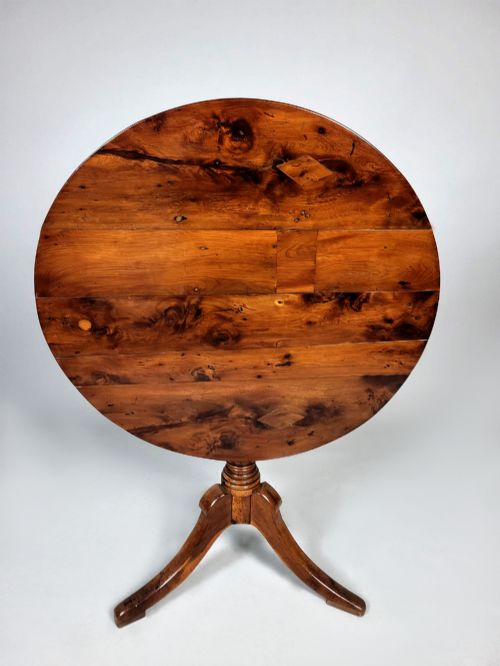
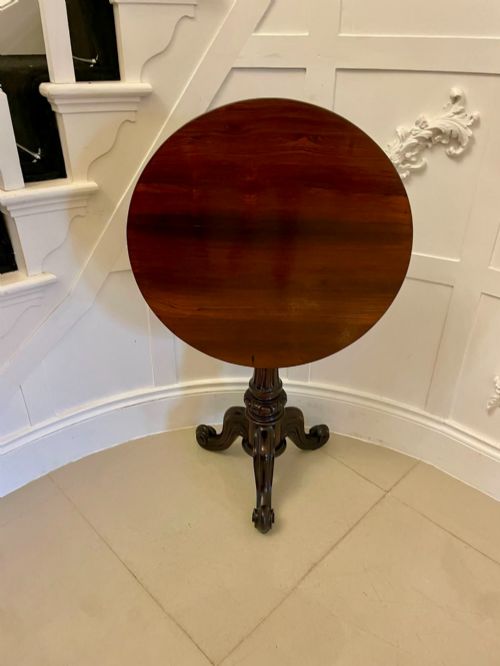
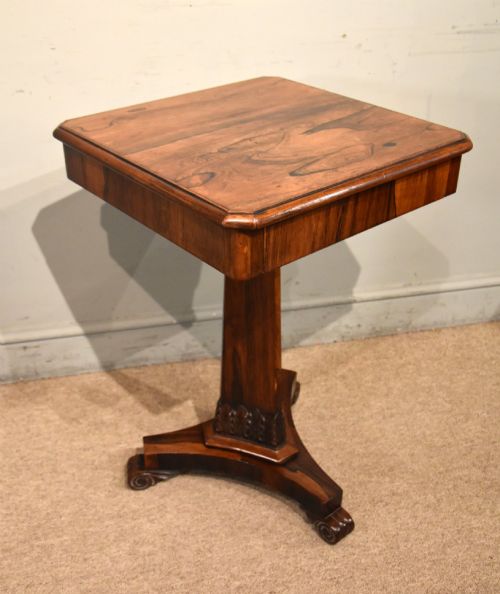
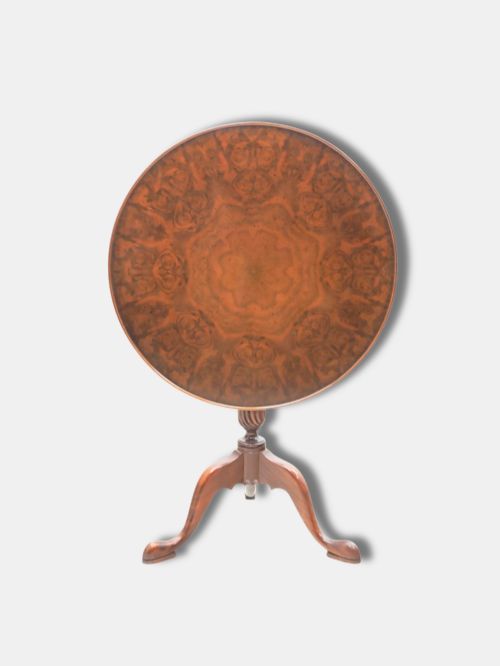
Mahogany dominates the selection, accompanied by walnut, oak, and occasional exotic timbers such as rosewood and burr birch. The circular or oval tops frequently feature tilting mechanisms, including birdcage actions, allowing the surface to fold vertically against the base when not in use.
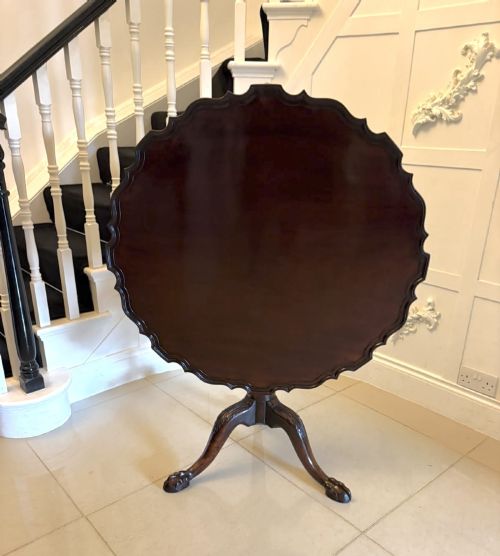
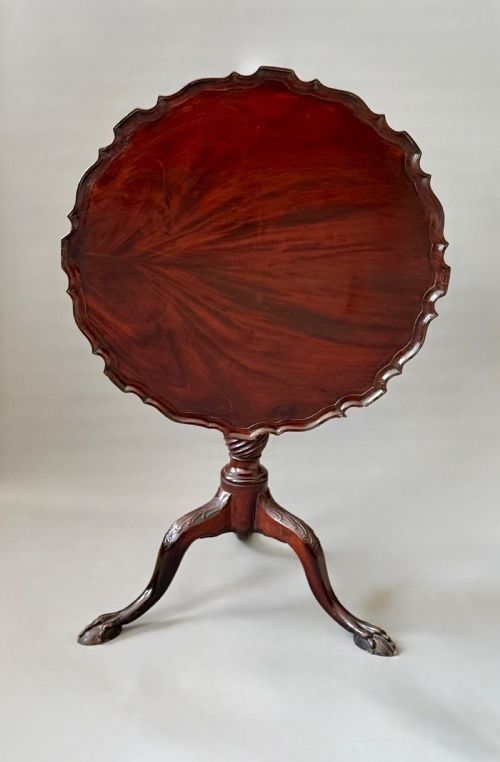
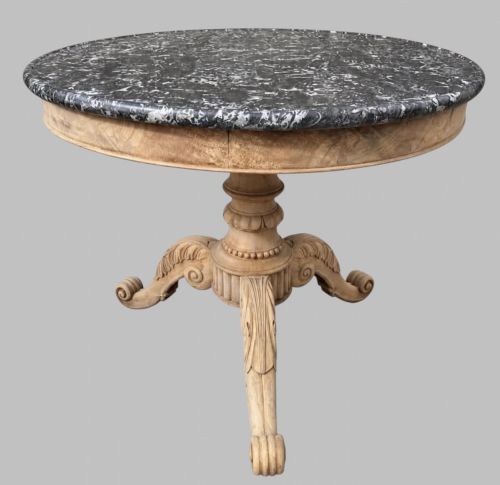
Examples range from plain circular boards to pie crust edges and snap top configurations. Origin points stretch across British workshops as well as continental European centres, providing varied interpretations of the form.
How they were made
Cabinet makers utilised dense hardwoods like mahogany, walnut, and oak to construct the slender stems and stable three-legged bases. Turning lathes shaped the central pedestals, while traditional joinery secured the tripod legs to the shaft.
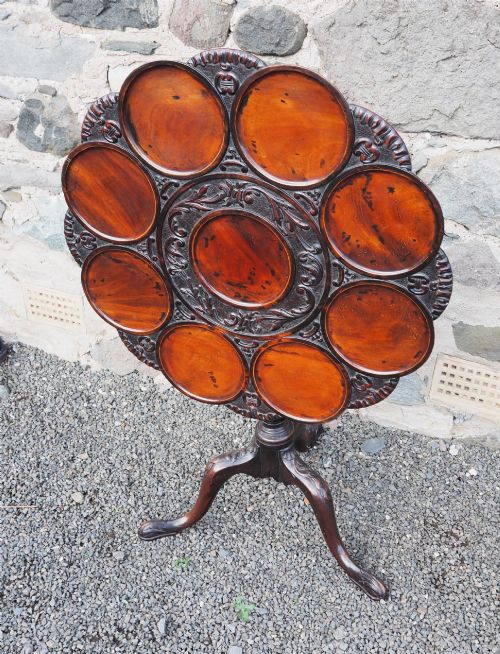
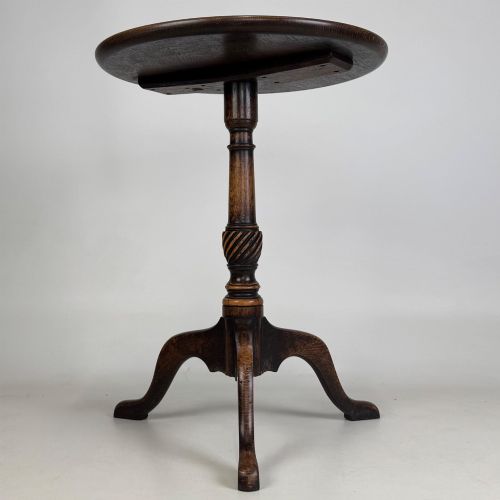
The pivoting mechanism relies on clever carpentry, often incorporating a birdcage block or a snap top catch with a brass spring fitting. Tops were turned or sawn from solid boards or veneered over stable secondary timbers, sometimes finished with raised carved borders or inlaid decorative motifs.
Some tables feature a birdcage mechanism that lets the top spin like a lazy Susan while tilted.
What varies in quality
Quality rests in the crispness of the timber carving and the architectural balance between the top and the supporting tripod legs. Superior pieces display well-proportioned pillar turnings and choice timber figuring, such as Cuban mahogany or burr walnut.
The mechanical action dictates much of the functional standard. A tight, reliable tilt mechanism that locks flush without wobble distinguishes better workshops from utilitarian examples.
Gillow
The Tilting Top Wine Table Glossary
- Tilt top
- A table construction where the surface pivots on a horizontal axis to stand vertically when stored. This mechanism saved valuable floor space in historical rooms.
- Tripod base
- A support structure featuring three legs radiating from a central pillar. It ensured stability on uneven floorboards.
- Pie crust edge
- A decorative raised rim carved with undulating curves resembling pastry work. It prevented glassware from sliding off the surface.
- Birdcage
- A timber framework beneath the table top that allows the surface to both tilt and rotate. This complex mechanism adds desirable mechanical interest.
- Snap top
- A catch system that locks the tilting surface securely into the horizontal position during use. It releases via a small peg or spring latch.
Tilting Top Wine Table: Frequently Asked Questions
What is a tilting top wine table used for?
These tables served primarily as movable surface stands for drinks, lighting, or small items in domestic interiors. Their compact footprint allowed them to sit beside seating or in corners.
Because the top tipped flat, staff could store several pieces against a wall when the room needed to clear for other activities.
How do I spot a Georgian table?
Georgian examples typically display hand-turned mahogany pedestals, slender pad or snake feet, and construction methods using native hardwoods. The proportions remain restrained and functional.
Later Victorian and Edwardian iterations often introduce heavier turning, rosewood or walnut veneers, and more ornate carving styles.
What is a birdcage mechanism?
A birdcage is a small wooden cage-like frame fitted between the table top and the central pillar. It permits the surface to spin around as well as tilt.
This feature allowed users to orient the grain or reach items easily without moving the entire heavy base.
Are these tables stable on carpets?
Tripod bases naturally find three points of contact, making them surprisingly stable on uneven antique flooring. However, thick modern carpets can cause the three legs to sit unevenly.
Placing them on firmer rugs or bare timber ensures the pedestal stands level.