
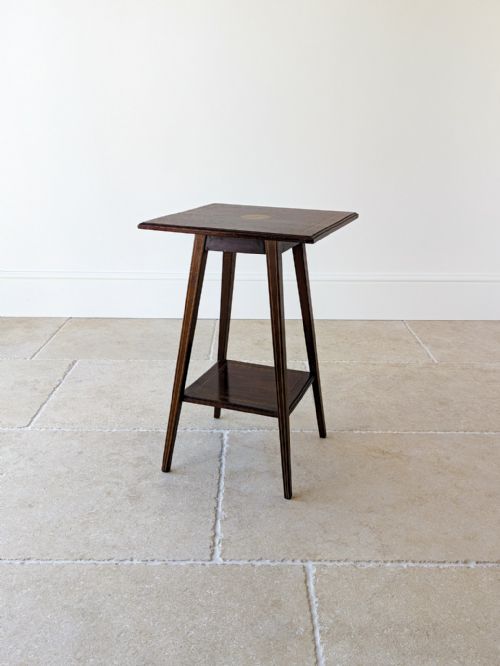
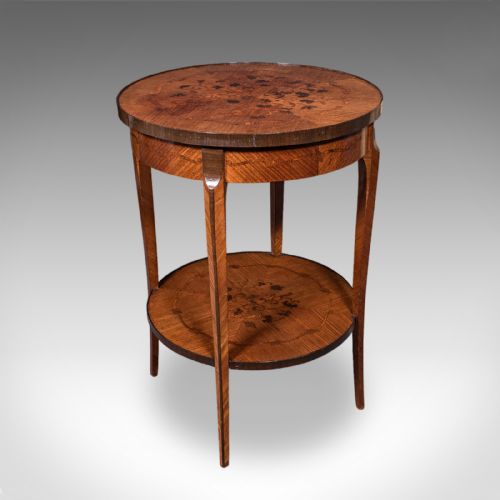
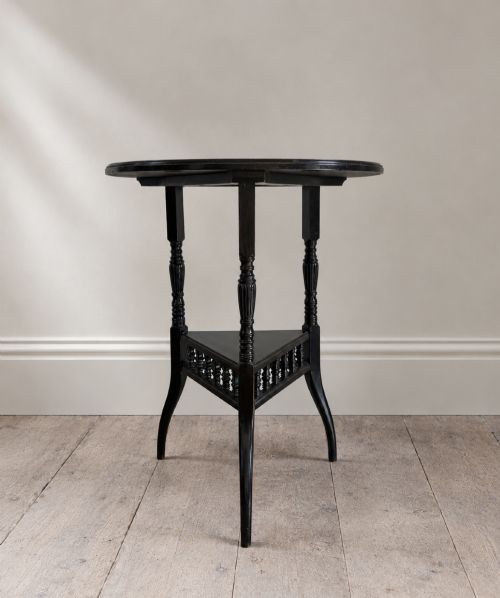
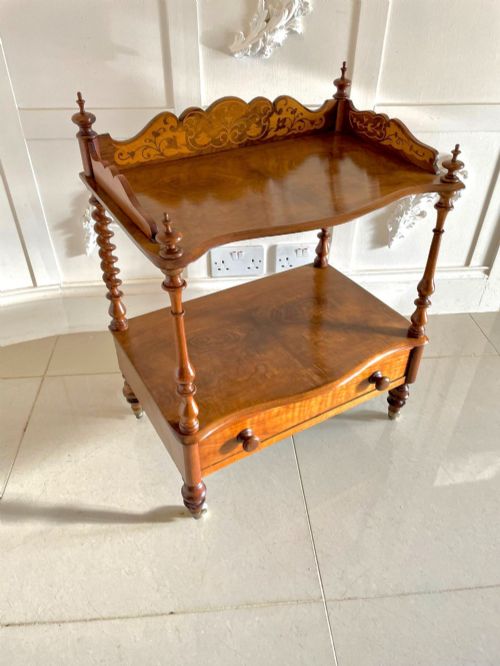

Tiered Lamp Stand
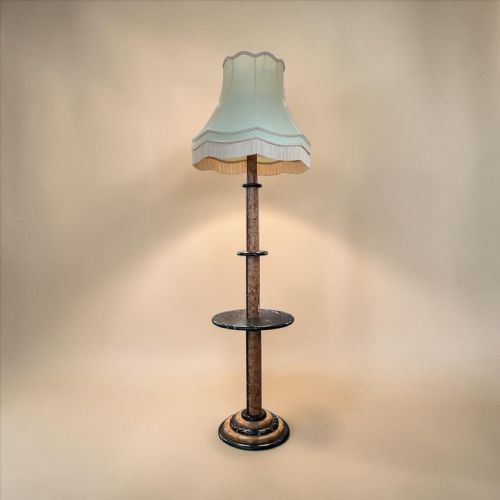
A tiered lamp stand provides multiple surfaces for illumination and display, combining practical shelving with period timber craftsmanship.
Tiered Lamp Stand
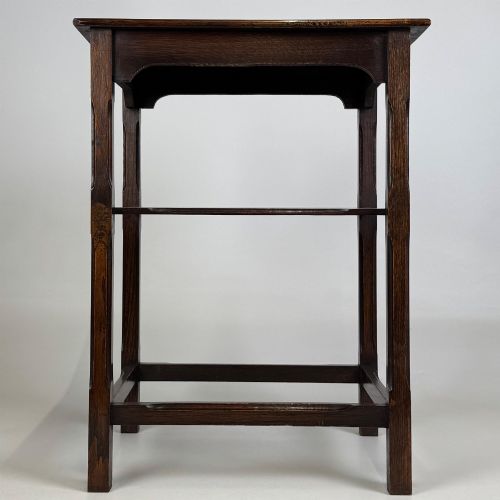
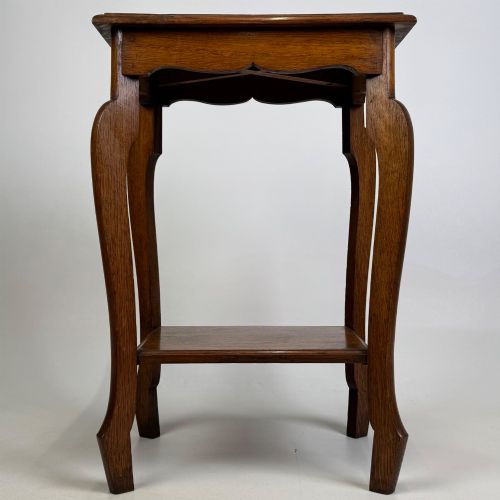
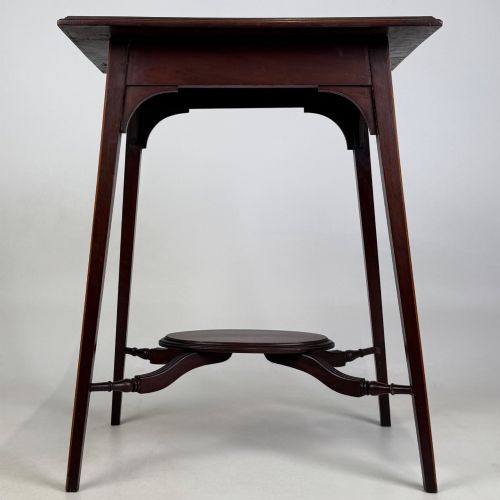
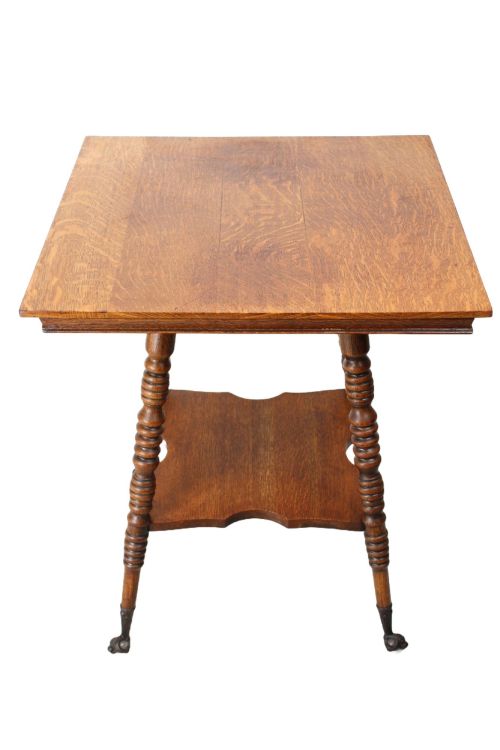
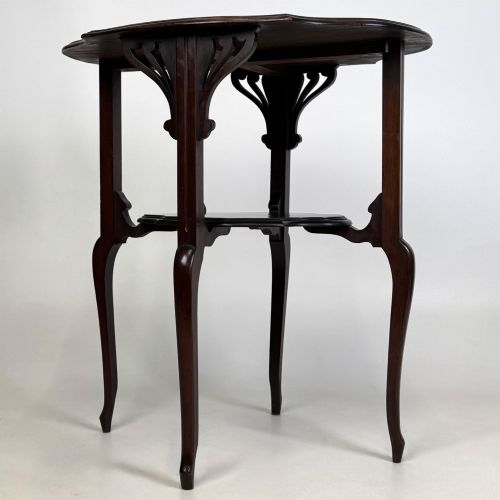
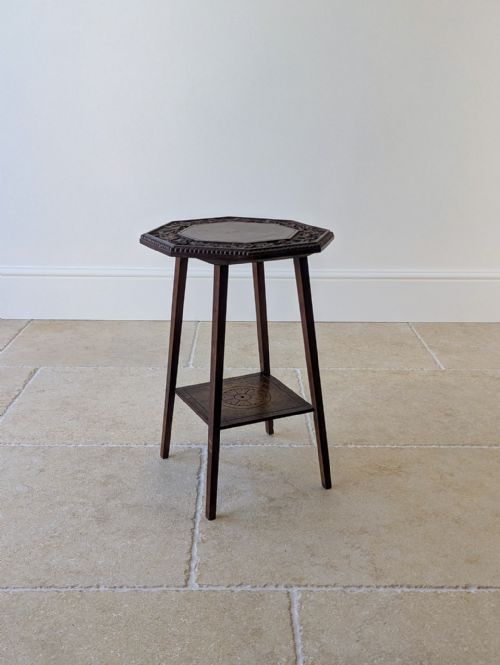
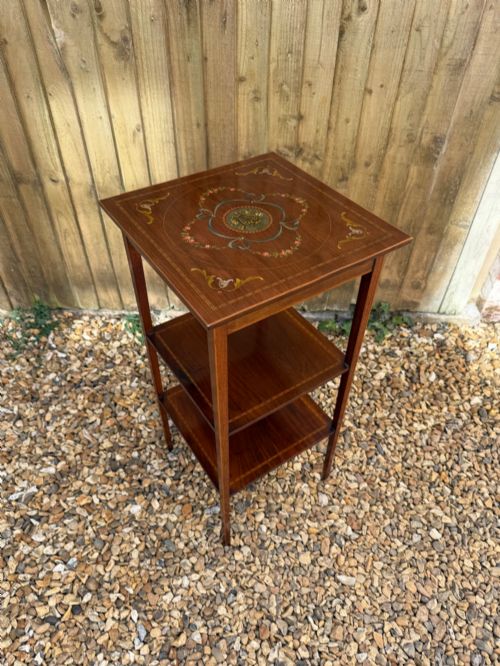
A tiered lamp stand takes the form of an occasional, side or bedside table designed to hold a light fitting alongside books or ornaments. When searching for a tiered lamp stand, buyers encounter pieces spanning the Victorian, Edwardian and Art Deco eras.
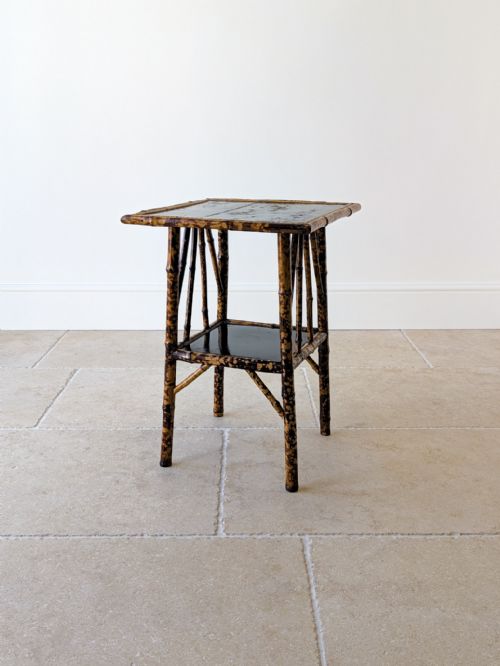
The material construction relies heavily on traditional woods such as mahogany, oak and walnut, alongside bamboo and brass. These tables often incorporate multiple levels or shelves, operating as etageres or multi-tiered plant stands adapted for domestic lighting.
Materials and construction methods
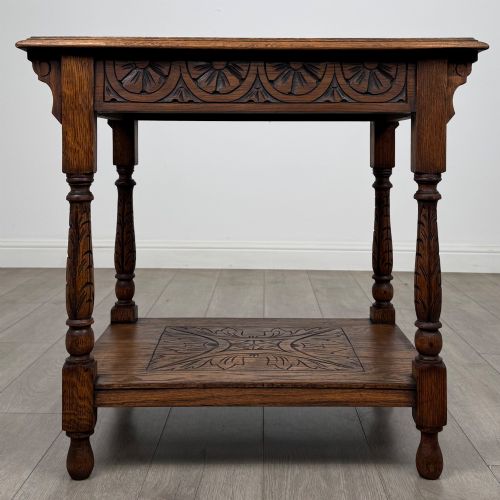
Cabinet makers utilised solid hardwoods including oak, mahogany and walnut, frequently applying veneer or ebonised finishes to achieve specific aesthetic results. Brass elements and bamboo framing also appear across various pieces from the late nineteenth and early twentieth centuries.
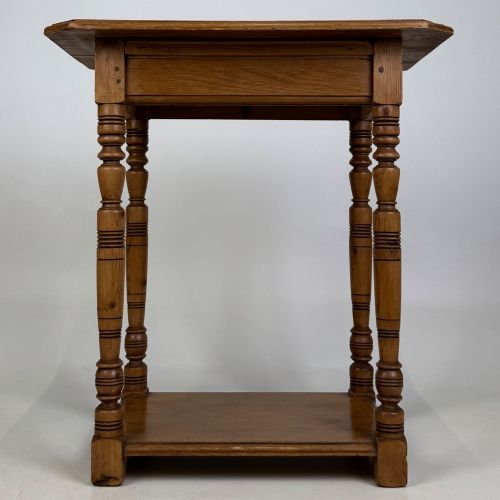
Joinery techniques ranged from standard framing to distinctive Arts and Crafts construction methods. Etagere designs incorporated multiple supported platforms, whilst other pieces integrated solid marble tops or delicate turned supports.
Listings span multiple eras from the nineteenth century through the Art Deco period, dominated by mahogany, oak and walnut.
Assessing construction and design standards
Quality rests upon the selection of timber and the precision of the underlying joinery, separating standard utility pieces from finer cabinet work. The integration of secondary tiers, inlay work and brass detailing dictates the overall refinement of a table.
Design coherence within specific movements, such as the Arts and Crafts style or the Aesthetic Movement, influences the standing of a piece. Solid timber construction and balanced proportions remain indicators of superior craftsmanship.
Liberty of London·William Birch
The Tiered Lamp Stand Glossary
- Etagere
- A piece of furniture consisting of a set of open shelves for displaying small articles. These multi-tiered units often function as lamp stands or side tables.
- Occasional table
- A small table designed for intermittent use in a living space. They appear frequently in configurations with multiple shelves or tiers.
- Ebonised
- Wood finished to resemble ebony through staining or painting. This treatment is common on pieces associated with the Aesthetic Movement.
- Inlay
- Decorative wood or other materials inserted into a solid timber surface to form patterns. Burr walnut and mahogany tables frequently display this technique.
Tiered Lamp Stand: Frequently Asked Questions
What defines a tiered lamp stand?
A tiered lamp stand is a small multi-level table, often categorized as an occasional or side table, designed to support a lamp while offering additional shelves for storage or display.
These pieces emerged across the Victorian and Edwardian periods, utilising timbers such as mahogany, oak and walnut.
How were these tables used?
They served primarily beside seating or beds to hold lighting fixtures, books and decorative objects within domestic interiors.
Additional tiers allowed households to display plants, small ceramics or reading materials within a compact floor footprint.
How do I identify an Edwardian piece?
Edwardian tables generally display lighter timbers like mahogany and satinwood, often featuring simpler lines compared to heavier Victorian designs.
Craftsmen of this era frequently produced occasional tables with inlaid veneers and subtle brass fittings.
What materials are most common?
Mahogany and oak form the foundation of the majority of surviving examples, supplemented by walnut, bamboo and ebonised hardwood.
Some iterations incorporate brass frames, marble tops or decorative veneer work depending on the stylistic period.