



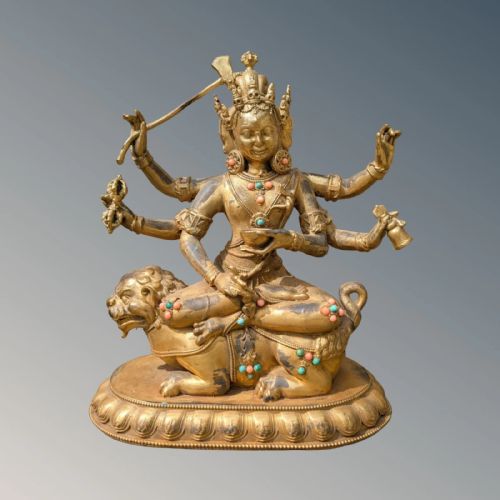

Tibetan Bronze Buddha
A tibetan bronze buddha brings centuries of devotion and ritual into a room, cast in heavy metals and detailed with sacred iconography.
Tibetan Bronze Buddha
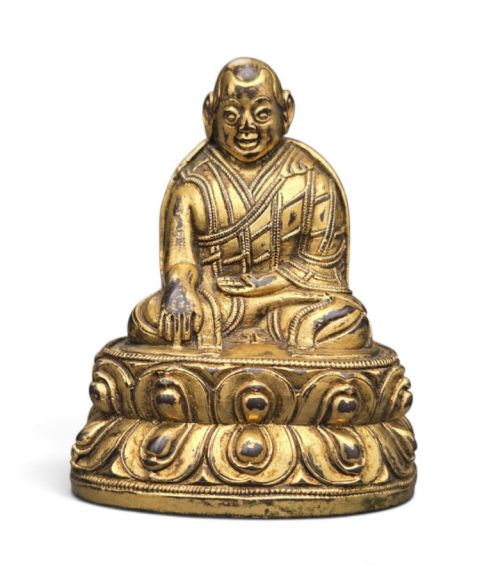
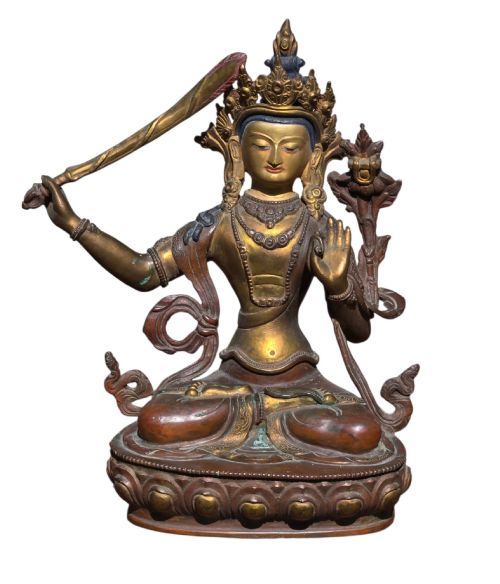
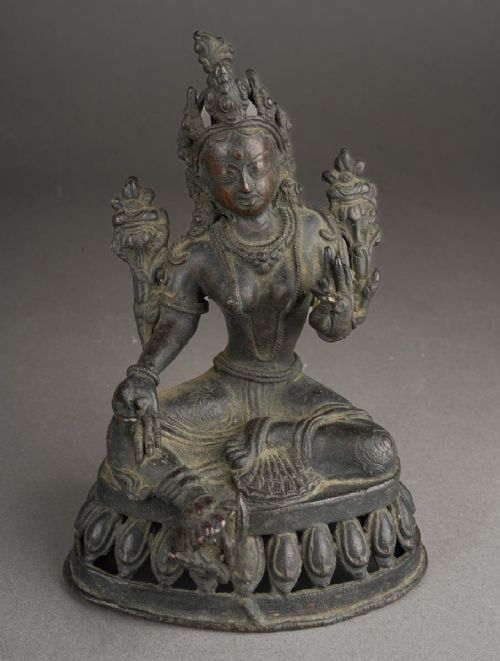
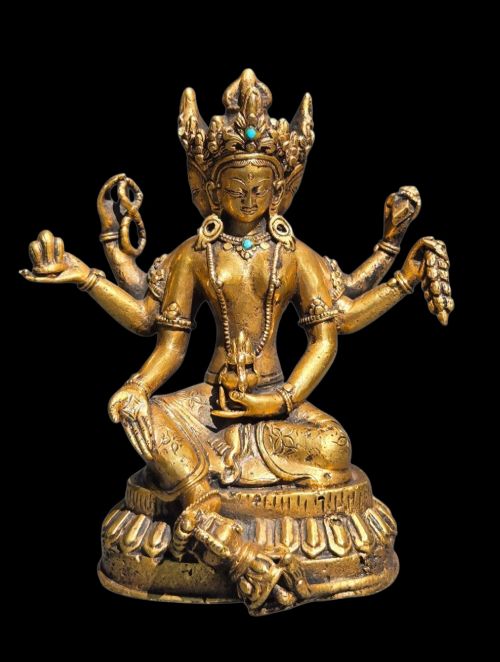
A tibetan bronze buddha encompasses sculptural depictions of enlightened figures, deities, and lamas originating from Himalayan traditions and Sino-Tibetan workshops. These pieces range from diminutive personal shrine figures to larger statues, capturing revered forms such as Tara, Avalokiteshvara, and Manjushri.
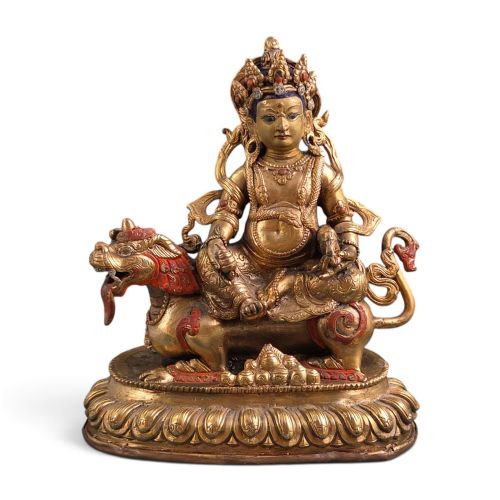
The selections encountered here span from the eighteenth century through the early twentieth century, reflecting stylistic developments across different periods. Buyers frequently encounter gilt-bronze finishings and intricate multi-armed representations rooted in Vajrayana Buddhist practice.
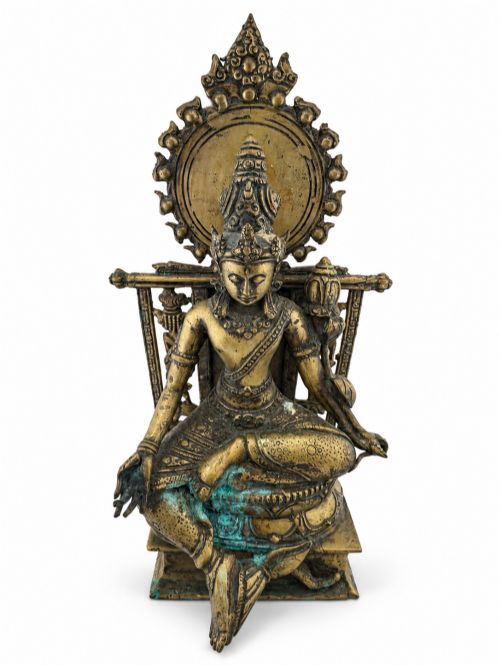
Works on this page draw from Tibetan, Nepalese, and Sino-Tibetan aesthetics, showing regional variations in posture, facial expression, and ornamentation. Each sculpture serves as both an object of artistic skill and a focal point for contemplation.
Materials and Methods
Foundries cast these sculptures using copper alloys and bronze, often applying fire gilding to create a brilliant golden surface that endures across generations. Artisans combined traditional lost-wax casting techniques with precise chasing to define garments, hair, and lotus bases.
Tibetan Bronze Buddha Retail Price Guide 2026
Typical asking prices for tibetan bronze buddha among the pieces listed under this phrase on Sellingantiques today, from the lower quarter to the upper quarter. They describe what is for sale here now, not the wider market.
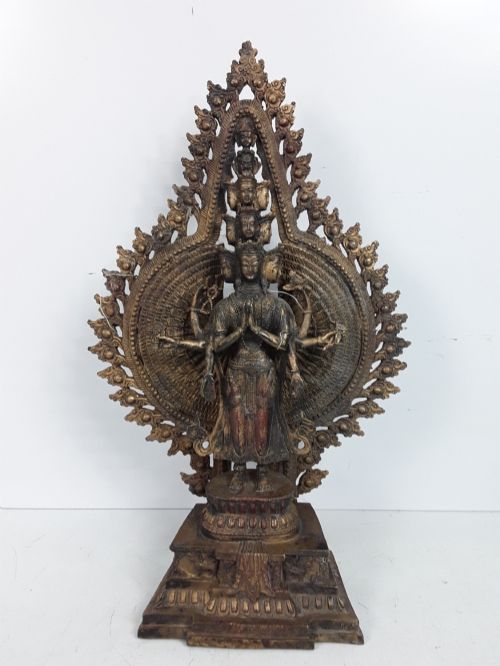
Eleven heads give Avalokiteshvara a panoramic view of suffering, ensuring no plea for help goes unnoticed.
Distinguishing Quality
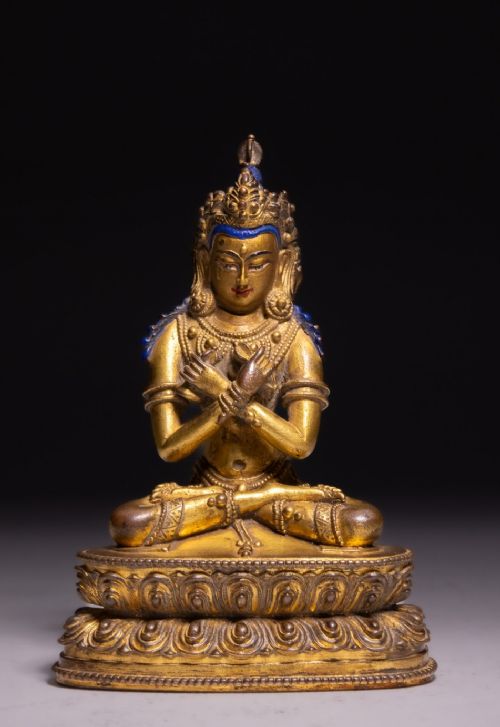
Preservation of original gilding and integrated mineral inlays significantly elevates a piece, as does the retention of cold-painted pigments on the face. Artisans who executed finer details achieved a distinct sense of movement and serenity within the metal.
The Tibetan Bronze Buddha Glossary
- Gilt Bronze
- Bronze metal treated with a layer of finely ground gold amalgamated with mercury and heated to bond the precious metal to the surface. This technique produces a durable, rich golden sheen characteristic of high-status ritual objects.
- Avalokiteshvara
- The bodhisattva who embodies the compassion of all buddhas, frequently depicted with multiple heads and arms to aid suffering beings. This deity is a central figure in Himalayan sculptural traditions.
- Sino-Tibetan
- A descriptor for works produced within Chinese imperial workshops that incorporate Tibetan Buddhist iconography and stylistic conventions. These pieces often display refined casting and distinct regional court influences.
- Tara
- A female meditation deity in Tibetan Buddhism associated with protection and enlightened activity, commonly shown seated upon a lotus throne. Green and white variants are frequently represented in shrine statues.
- Lost-Wax Casting
- A metalworking method where a model is encased in mould material, melted out, and replaced with molten bronze. This process allows for intricate undercuts and high fidelity in sculptural detail.
Tibetan Bronze Buddha: Frequently Asked Questions
What is a tibetan bronze buddha?
A tibetan bronze buddha is a cast metal sculpture representing enlightened beings, deities, or teachers from the Himalayan region. These figures were created for private shrines, monasteries, and ritual use.
They combine metallurgical skill with profound religious symbolism, serving both devotional and artistic functions. Each statue reflects the specific iconography of Vajrayana Buddhist traditions.
How were these statues used?
These figures functioned as focal points for meditation, prayer, and offerings within temples and domestic shrines. Owners engaged with them daily to cultivate spiritual qualities and honour sacred lineages.
Portable shrine pieces allowed practitioners to maintain their devotions while travelling. Their presence sanctified the space they occupied.
How do I care for bronze sculpture?
Bronze figures require stable indoor humidity and protection from direct sunlight to preserve applied pigments and surface gilding. Dusting should be done gently with a soft, dry brush without using commercial cleaning agents.
Handling the metal directly can transfer oils that react with the surface over time. Maintaining a consistent environment ensures the patination remains stable.