
Three Tiered Side Table
A three tiered side table stacks surface space vertically, bringing practical tiers of timber or brass into compact rooms.
Three Tiered Side Table
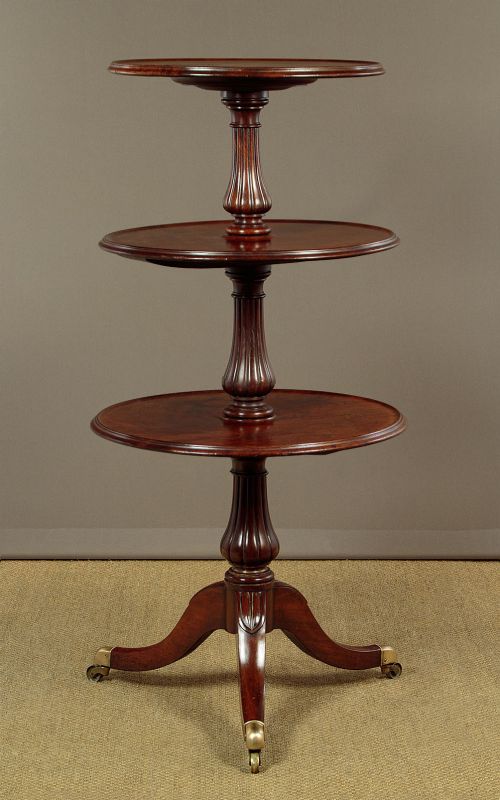
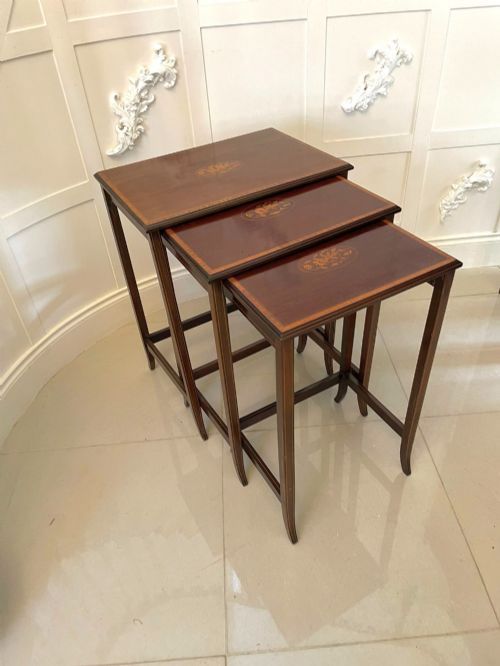
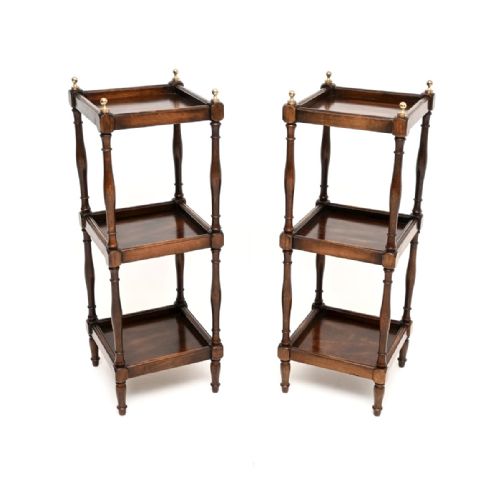
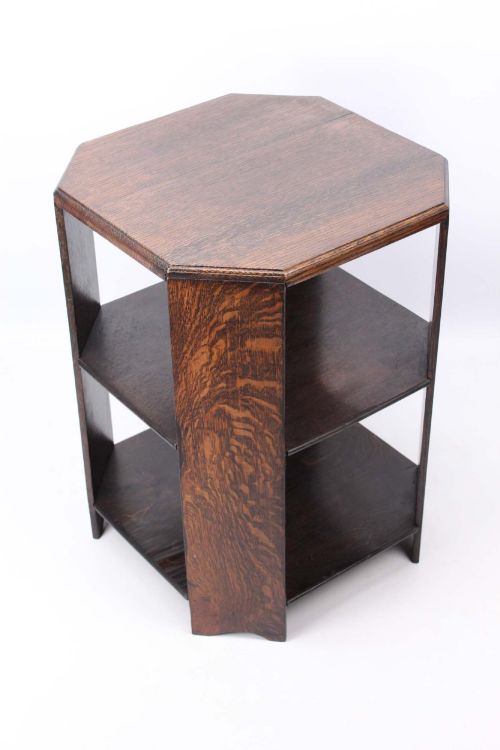
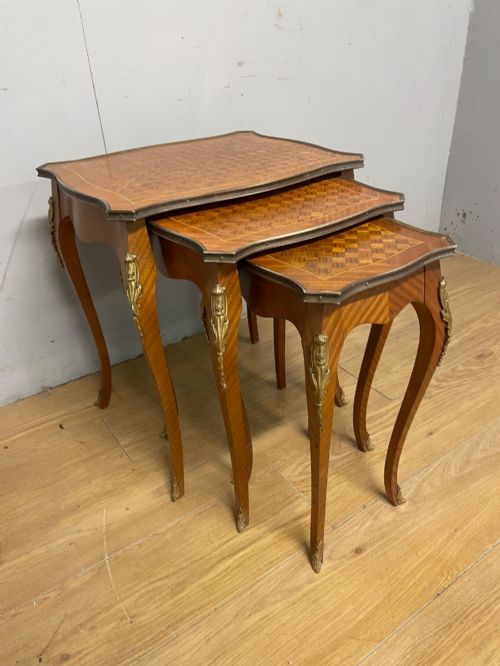
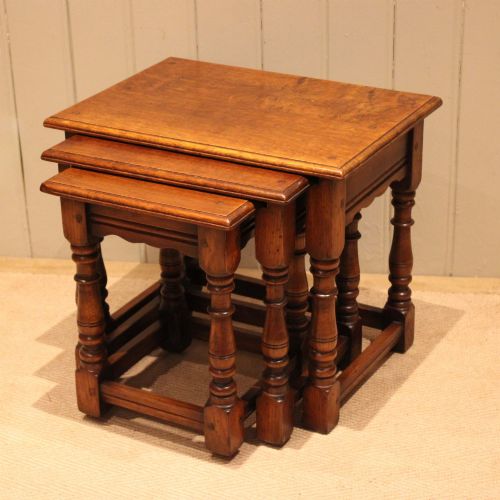
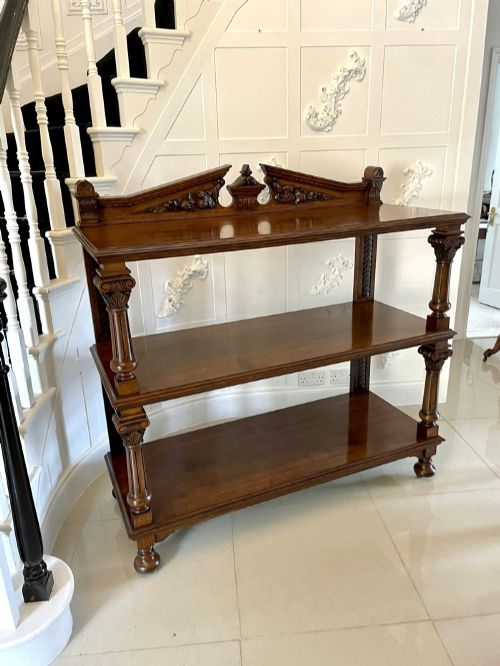
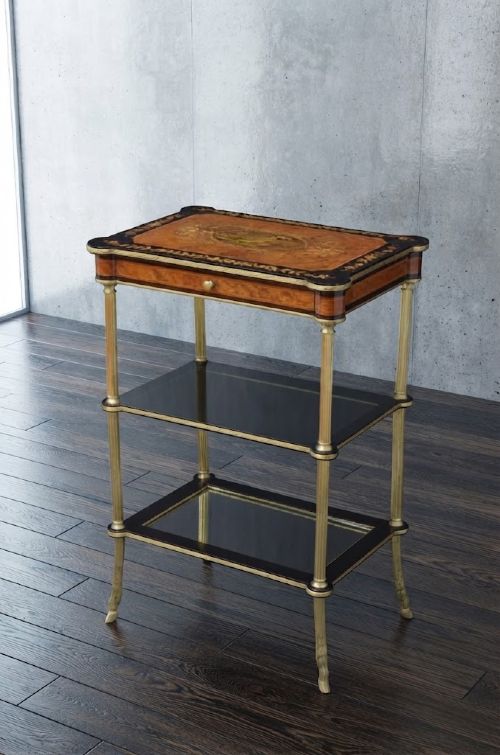
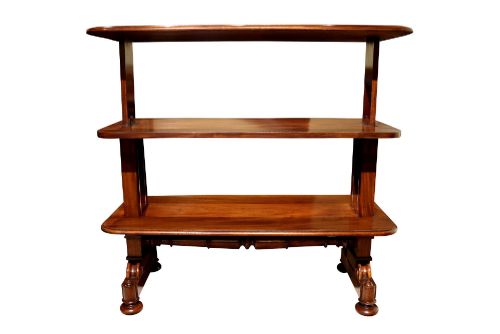
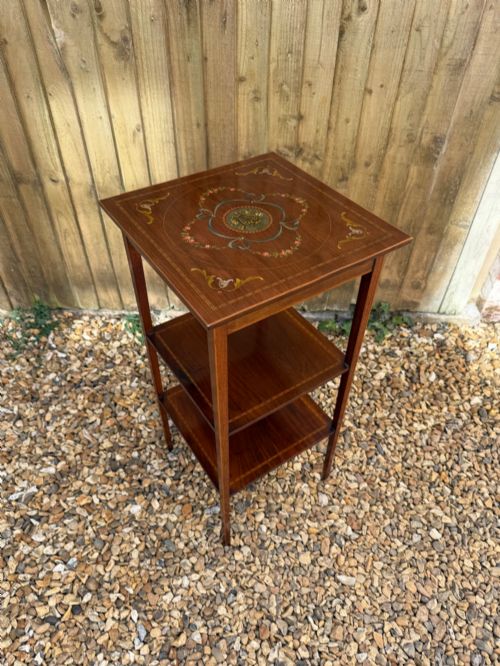
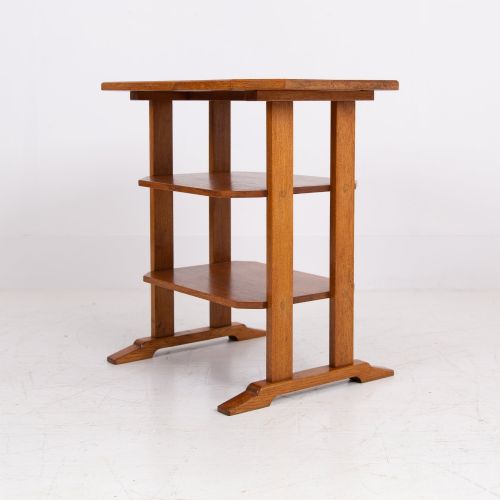
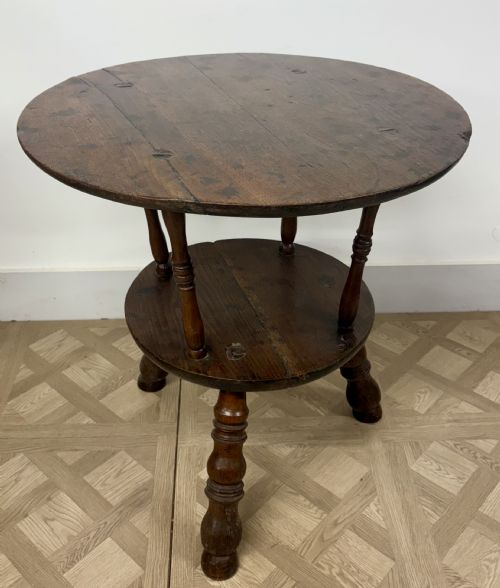
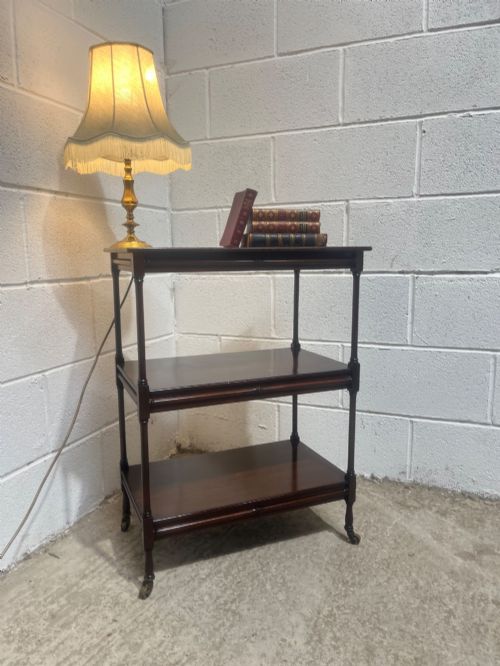
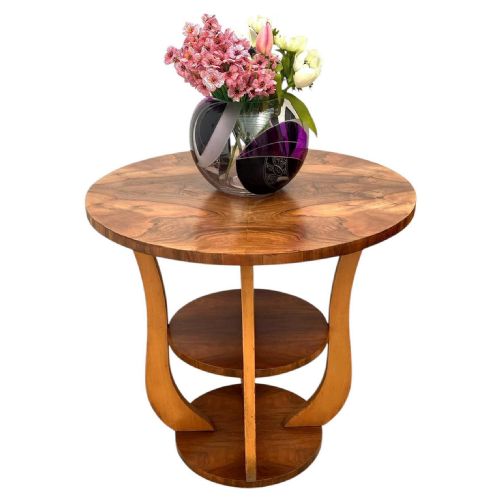
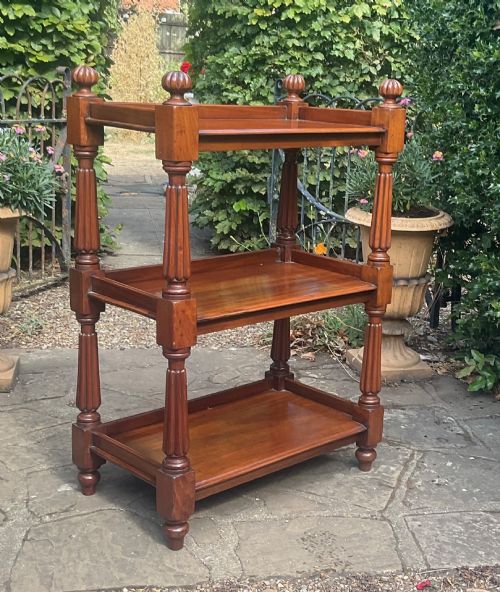
A three tiered side table delivers graduated surface levels arranged in a vertical stack, appearing across centuries as etageres, whatnots, dumbwaiters, and buffets. These pieces provide multiple platforms for display or service without demanding extensive floor space in a room.
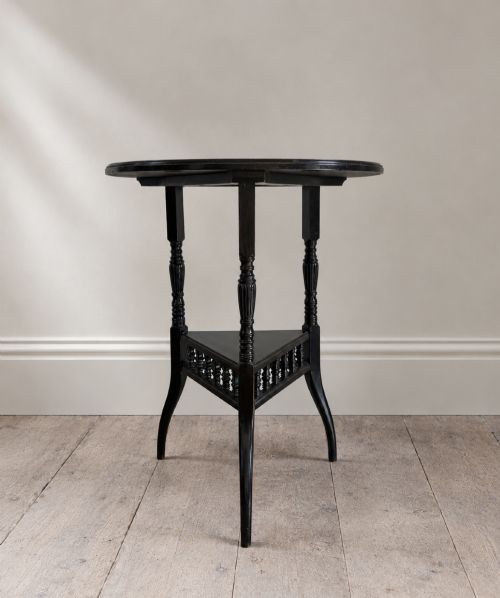
The selections available range from Georgian mahogany dumbwaiters to Victorian ebonised whatnots and Art Deco walnut occasional pieces. Buyers frequently encounter forms featuring three distinct shelves supported by turned columns, pillars, or pedestals.
Originating to serve functional domestic roles in dining rooms, libraries, and parlours, these tiered items adapt readily to modern interiors as lamp stands, bedside units, or plant pedestals.
Materials and construction methods
Cabinetmakers utilised dense hardwoods including mahogany, walnut, oak, and rosewood, frequently applying veneers over secondary timbers or shaping solid planks for the tiers. Ebonised wood and painted finishes also appear, alongside brass components and mirrored glass inserts.
Joinery techniques involved turned uprights, rebated shelves, and structural dowels, with certain larger buffet and dumbwaiter forms incorporating mechanical rise-and-fall mechanisms or original castors for mobility.
The documented periods span the eighteenth century, Regency, William IV, Victorian, Arts and Crafts, Edwardian, and Art Deco eras.
Distinctions in quality
The standard of a piece rests upon timber selection, evident in the choice of figured mahogany, burr walnut, or quarter-sawn oak for the visible tiers. Finer examples display meticulous inlay, parquetry, or delicate brass mounts executed with precision.
Structural integrity depends on the rigidity of the upright supports and the soundness of the joints securing each shelf, ensuring the tiered stack remains stable under weight.
The Three Tiered Side Table Glossary
- Étagère
- A piece of furniture consisting of a set of open shelves for displaying small objects. These tiered stands developed in France during the eighteenth century.
- Whatnot
- A multiple-shelf stand designed for storing or displaying ornaments, books, or china. This domestic form gained immense popularity throughout the nineteenth century.
- Dumbwaiter
- A tiered serving table featuring revolving or fixed circular trays mounted on a central pillar. Such items stood beside dining tables to hold dishes without requiring servants.
- Buffet
- A sideboard or tiered server utilised for holding food, silver, or glassware. Certain nineteenth-century versions employed metamorphic or rise-and-fall designs.
- Veneer
- A thin layer of superior wood applied to a softer or less decorative timber base. Cabinetmakers utilised this method to display rich grain patterns across large surfaces.
Three Tiered Side Table: Frequently Asked Questions
What is a three tiered side table used for?
These tiered items serve multiple display and storage functions within a domestic interior. They hold lamps, books, and decorative objects across their stacked surfaces.
Historically, similar forms acted as serving tables or dumbwaiters in dining spaces. Today, their vertical design suits tight corners and bedside settings.
How do I identify a Victorian whatnot?
Victorian whatnots typically feature three or more open shelves supported by turned wooden columns or pillars. They frequently incorporate woods like mahogany, walnut, or ebonised finishes.
Many examples from this period rest upon small ceramic or brass castors. Their decorative detailing often reflects revival styles popular during the nineteenth century.
What timber was used for antique etageres?
Cabinetmakers constructed etageres using a variety of hardwoods depending on the prevailing fashion of the period. Mahogany and walnut appear regularly alongside exotic woods like rosewood.
Other materials include oak, ebonised wood, and painted finishes. Some pieces integrate brass mounts, mirrored glass, or parquetry panels into the shelves.
Are these tables sturdy enough for daily use?
Solidly built antique tiered tables offer reliable stability when placed on level flooring. The central supports and shelf joints distribute weight safely across the structure.
Heavier items such as dumbwaiters and buffets were engineered to carry dishes and silverware. Placing moderate loads across the tiers presents no structural concern.