


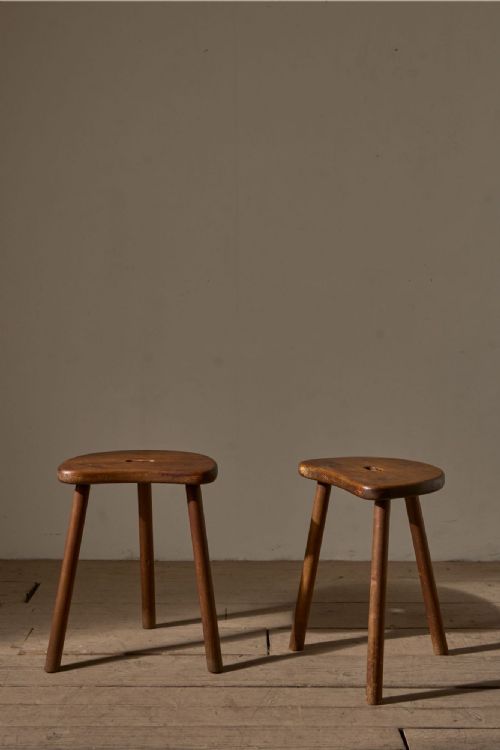
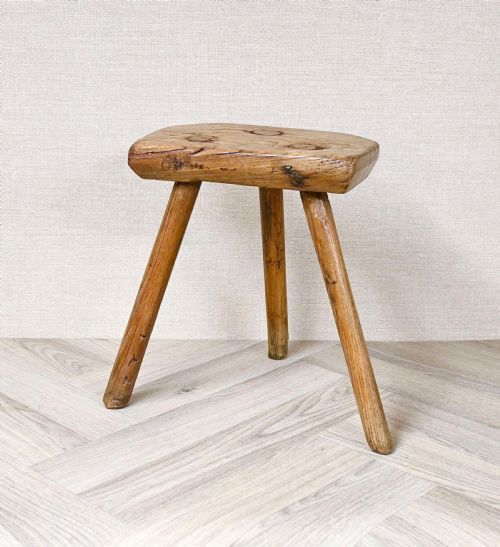


Three Legged Stool
A three legged stool offers a stable seat on uneven floors through its simple geometry, making it a enduring essential of rustic and vernacular interiors.
Three Legged Stool
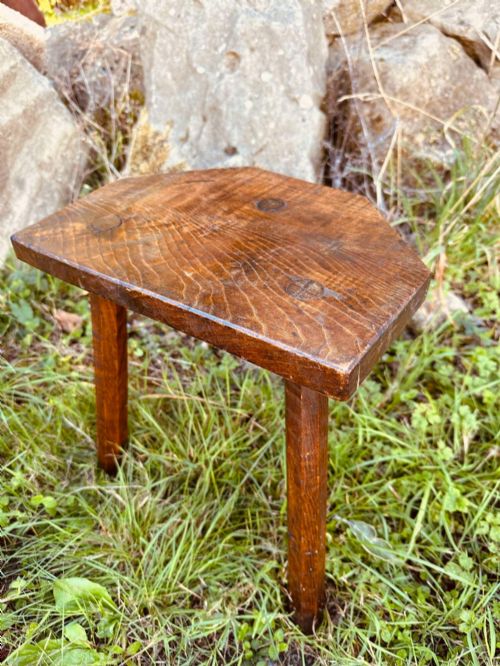
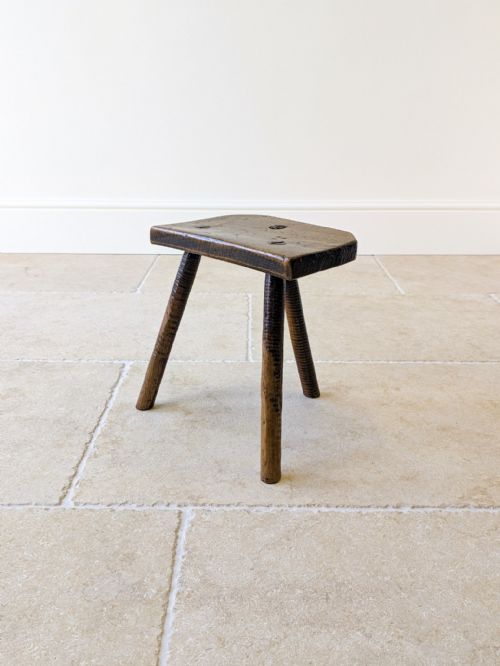
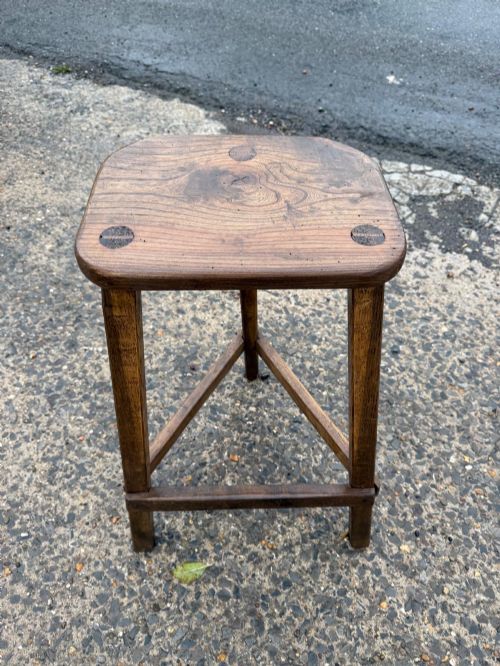
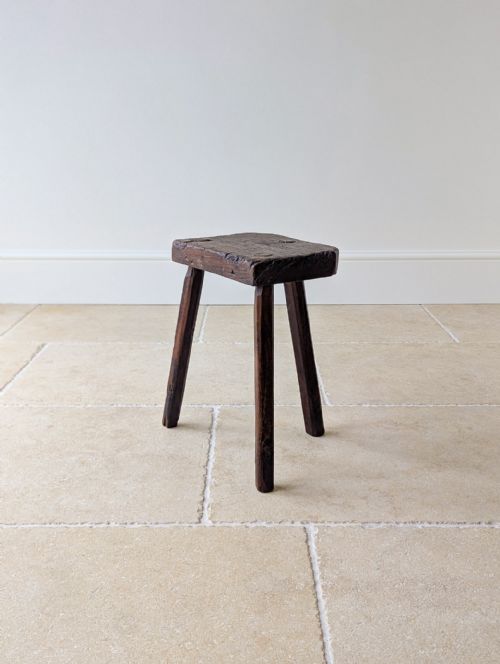
A three legged stool is a fundamental seating form shaped by practical utility, appearing across domestic, agricultural and workshop settings. When you search for this phrase, you encounter pieces designed for specific tasks, including milking, cutting, and artisan trades.
The versions most frequently met on this page include country milking stools and workshop seating from the eighteenth and nineteenth centuries. These items range from simple vernacular constructions to specialised trade furniture.
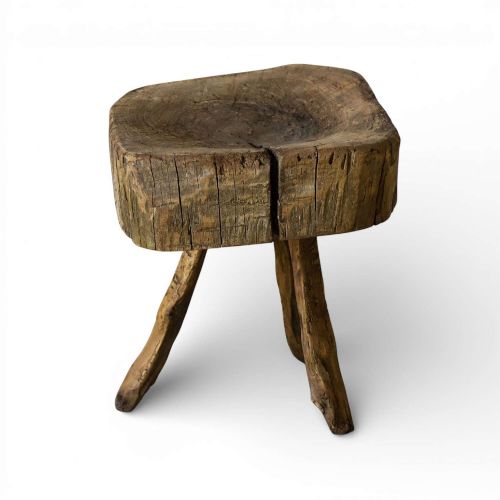
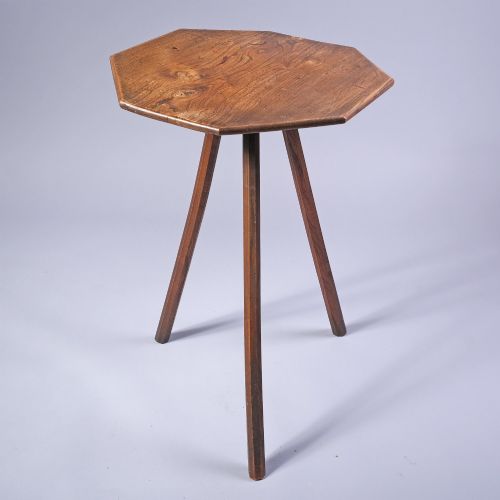
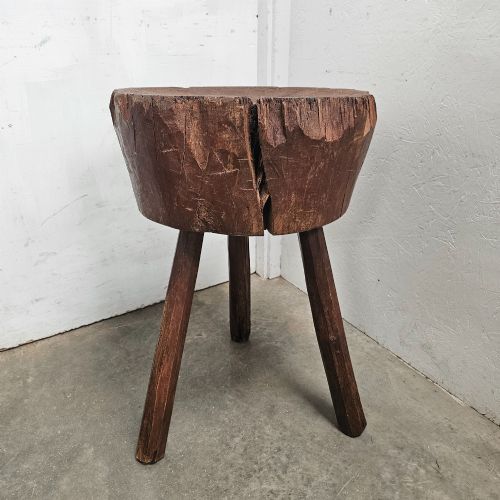
Beyond basic seating, related forms emerge in the selection, such as occasional tables, cricket tables, and heavy chopping blocks sharing the same tripod principle. Regional variations span English country pieces alongside French and Chinese examples.
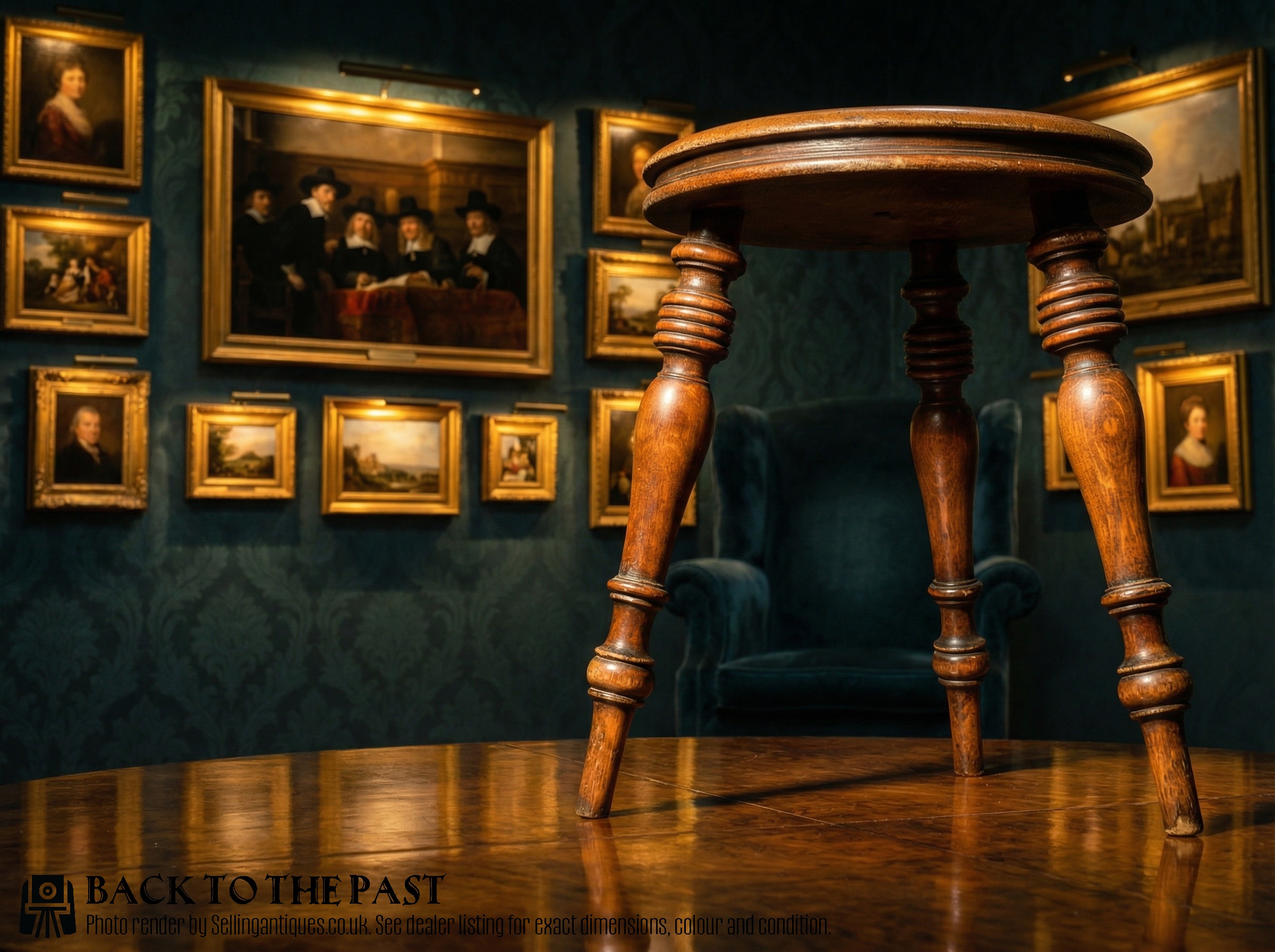
Materials and construction
Makers utilised native hardwoods like elm, ash, oak, and beech, selecting woods for toughness and resistance to splitting. Elm seats frequently display rich grain and resilience, paired with sturdy legs turned or shaped from ash and beech.
Construction relies on traditional joinery where legs are wedged directly into bored holes through the seat top in a pegged tenon method. Blacksmith repairs and hedgerow splayed legs indicate utilitarian longevity and field maintenance.
Three Legged Stool Retail Price Guide 2026
Typical asking prices for three legged stool among the pieces listed under this phrase on Sellingantiques today, from the lower quarter to the upper quarter. They describe what is for sale here now, not the wider market.
Listings feature eighteenth and nineteenth-century pieces alongside Victorian examples, constructed primarily from oak, elm, ash, and pine.
Assessing quality and character
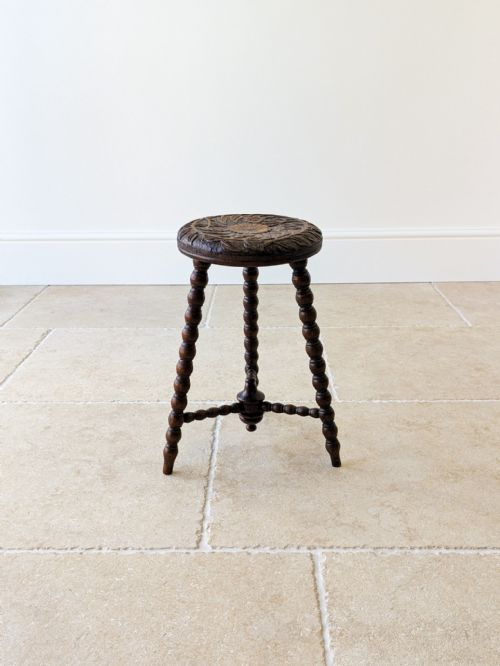
Quality rests in the balance of the timber and the honesty of the wear, where centuries of daily use impart a deep surface patina. The thickness of the solid wood top and the natural gnarled form of the original legs distinguish superior examples.
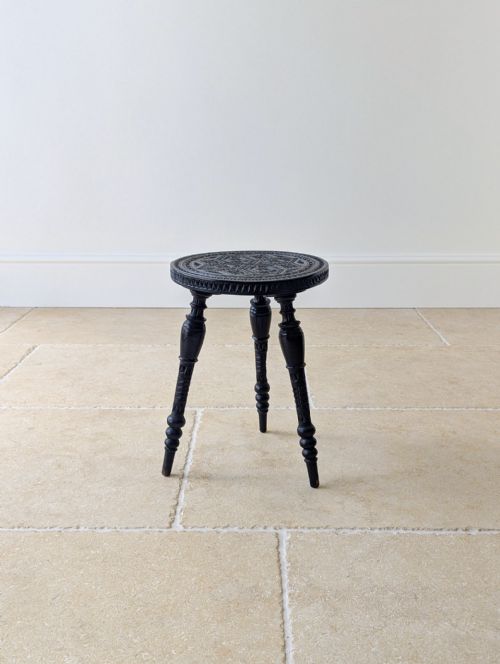
Fine workmanship shows in thoughtful touches like chip-carving, pokerwork, or ebonised finishes, contrasting with purely functional workshop blocks. Retaining original surfaces without over-restoration preserves the historical integrity of each piece.
J. Shoolbred·Thonet
The Three Legged Stool Glossary
- Vernacular
- Everyday furniture made by local country craftsmen for utility rather than following grand stylistic decrees. These pieces prioritize function and local timber availability over high-style fashion.
- Milking stool
- A low three-legged seat designed for use in barns and dairies. The tripod base provides stable placement on uneven earthen floors.
- Cricket table
- A small wooden table standing on three legs. The design shares the tripod stability found in traditional stools.
- Chip-carved
- Wood decorated by chipping away small geometric facets with a knife or chisel. This technique adds texture to otherwise plain surfaces.
- Splayed legs
- Legs angled outwards from the centre of the seat to increase stability. This geometry prevents tipping on irregular ground.
Three Legged Stool: Frequently Asked Questions
What were three legged stools used for?
These stools served practical roles in agriculture, domestic households, and specific trades like cutting or Jeweller work. Their low profile and simple build suited repetitive tasks in confined spaces.
Milkers utilised them in barns, while artisans kept them close at hand in workshops. The tripod design ensured the seat remained steady on uneven ground.
How do I date an antique stool?
Dating relies on tool marks, timber choice, construction methods, and surface wear. Eighteenth-century examples often feature hand-split timbers and blacksmith repairs.
Nineteenth-century pieces incorporate machine-turned legs alongside traditional seating tops. Examining the underside reveals how the legs were secured into the seat.
How do I live with a rustic stool?
These pieces adapt easily to modern interiors as side tables, plant stands, or minimalist seats. Their compact footprint allows them to fit into tight corners.
Treating the wood with appropriate wax preserves the historic surface. Avoid placing them near direct heat sources to protect the aged timber.