


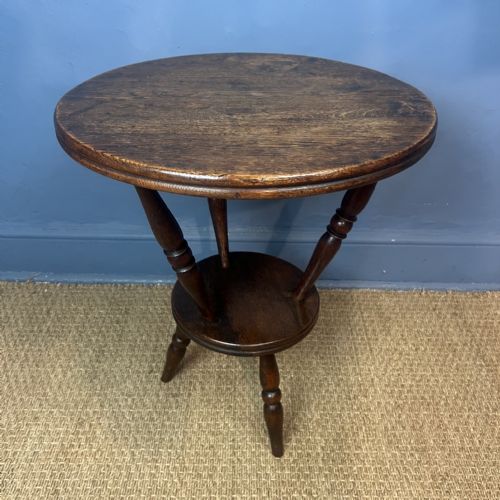

Three Legged Accent Table
A three legged accent table offers compact surface utility across periods from the Georgian era to the Edwardian period, bringing practical charm to small spaces.
Three Legged Accent Table
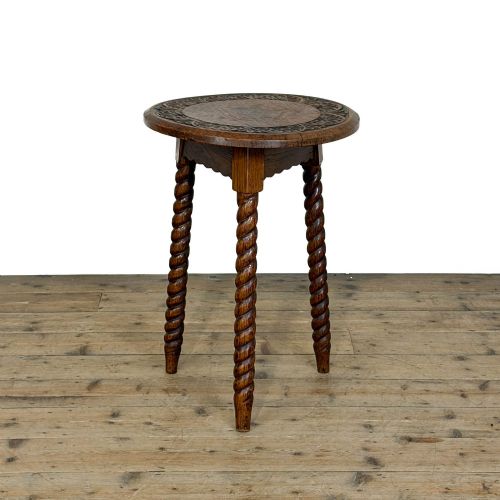
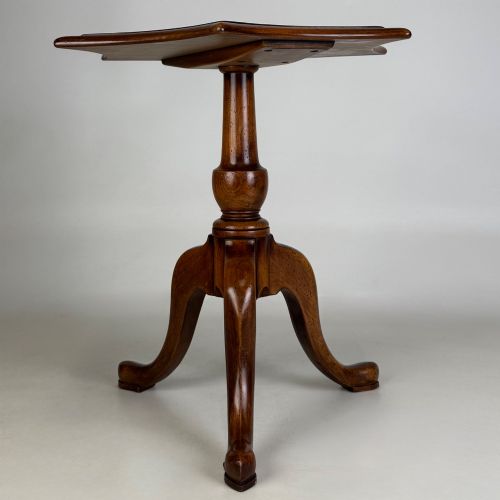
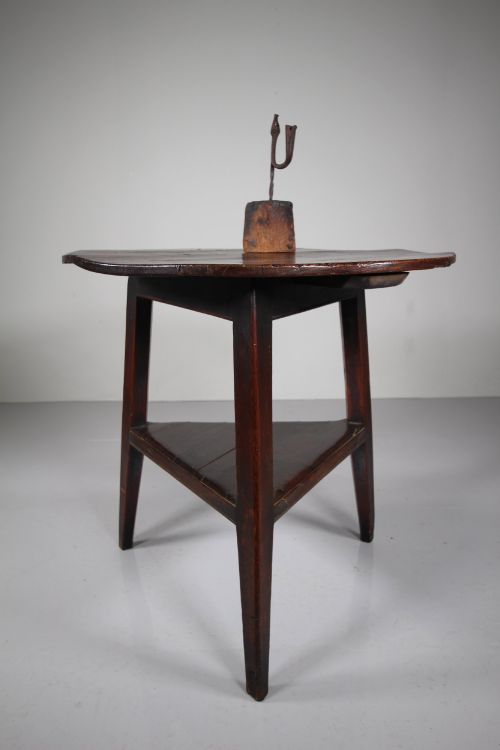
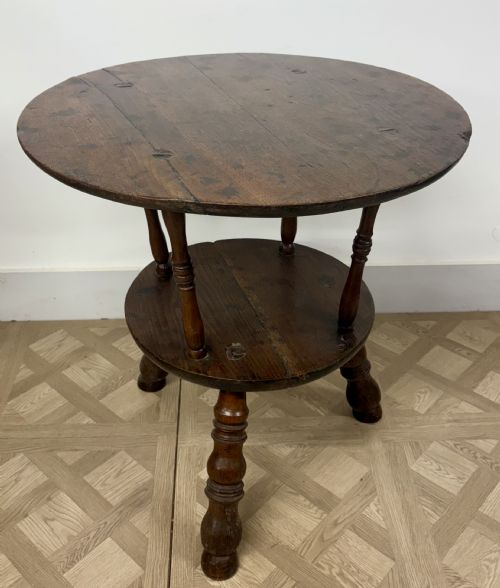
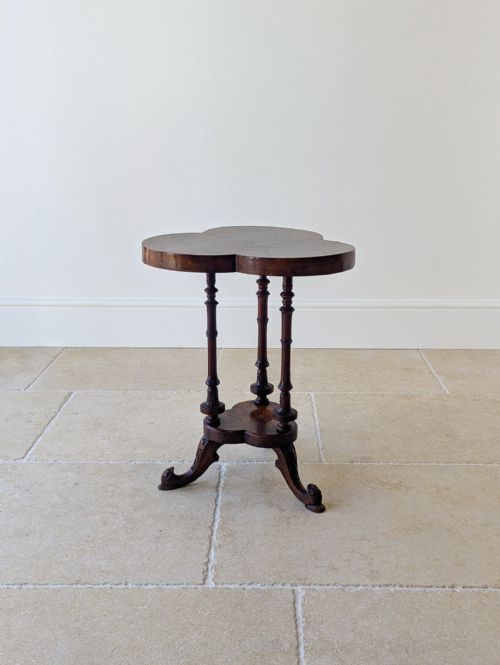
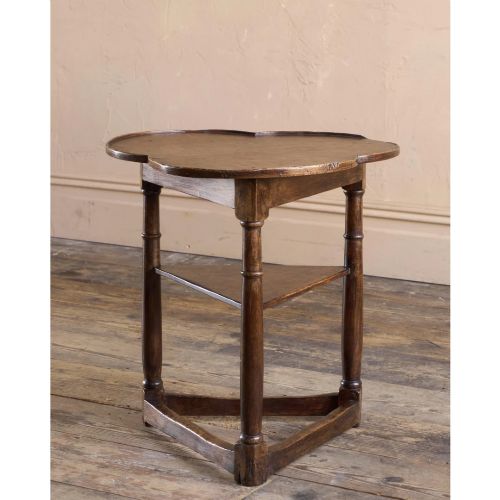
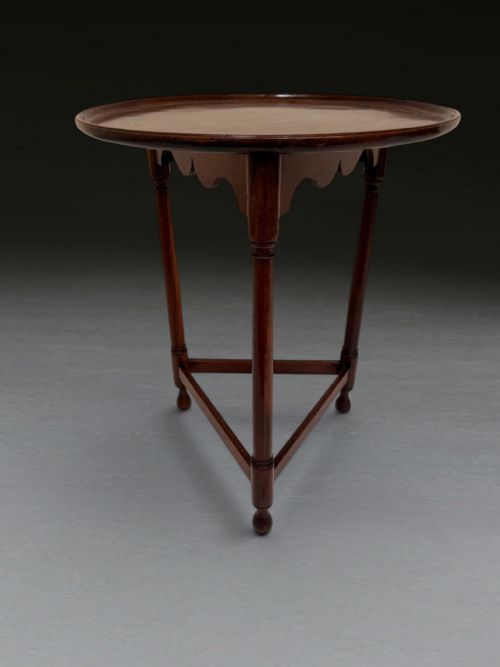
A three legged accent table encompasses a variety of compact forms including cricket tables, tripod tables, plant stands, and occasional tables designed for versatile placement around a room. The most common iteration met on this page is the traditional cricket table, typically constructed from oak or pine with three distinct legs radiating to ensure stability on uneven floors.
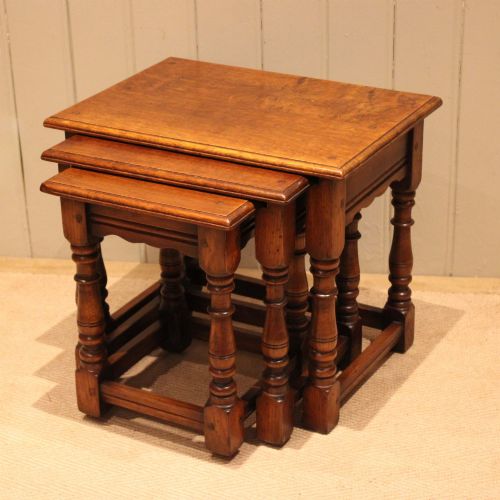
Pieces span multiple centuries, originating from the 18th century, Georgian period, 19th century, and continuing through the Victorian and Edwardian eras up to the 1920s. Alongside standard side and occasional tables, specific functional variants appear such as lowboys, nests of tables, console tables, and stools.
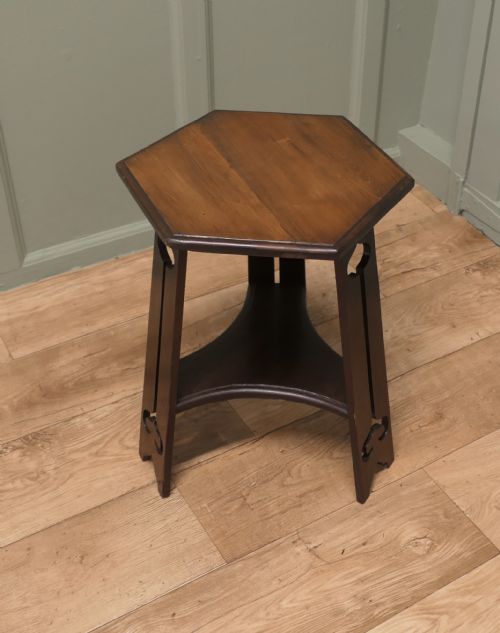
Styles range from utilitarian English Country and Rustic Country to refined Georgian and Victorian designs, alongside revivals like Jacobean Revival and Arts and Crafts. These diverse forms share the common denominator of a three-legged or tripod structural foundation serving varied domestic purposes.
How they were made
Makers utilised solid timbers native and accessible to their workshops, predominantly oak, mahogany, pine, walnut, and elm, occasionally incorporating marble tops or painted finishes. Construction often relied on traditional joinery techniques suited to three-legged formats, ensuring the three supports met the top firmly.
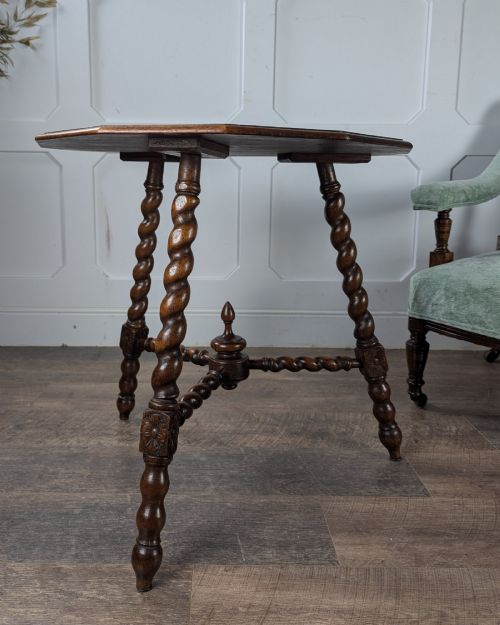
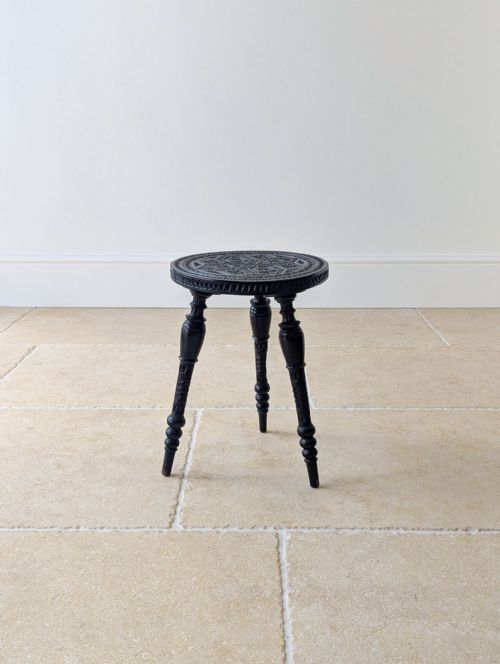
Surface ornamentation varied according to period and style, featuring chip-carving, bobbin turning, barley twist legs, inlay, and ebonising. Gilded brass mounts and hand-carved detailing appear on specific Victorian and Arts and Crafts iterations, showing the shift from rustic utility to decorative refinement.
Three Legged Accent Table Retail Price Guide 2026
Typical asking prices for three legged accent table among the pieces listed under this phrase on Sellingantiques today, from the lower quarter to the upper quarter. They describe what is for sale here now, not the wider market.
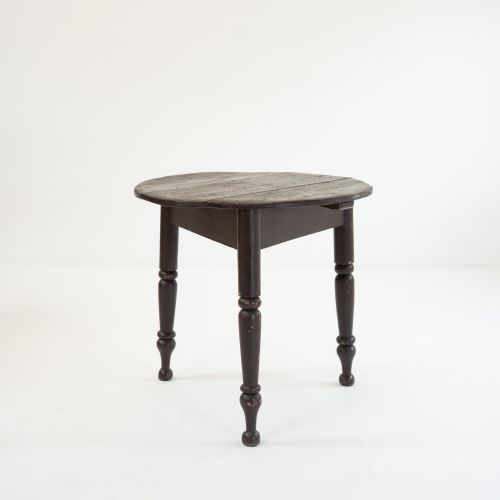
Some cricket tables feature bleached tops, having spent centuries earning honest marks from daily domestic use.
What varies in quality
The standard of a three legged accent table depends heavily on the integrity of its timber and the harmony of its proportions. Tables fashioned from well-figured walnut, pollard oak, or early mahogany display a deliberate selection of materials that elevates the piece beyond basic utility.
Execution of detail separates simpler vernacular items from finer examples, evident in the crispness of carved motifs, the precision of turned legs like bobbin or barley twist work, and the original retention of surfaces such as early paint or polished marble tops.
Liberty of London
The Three Legged Accent Table Glossary
- Cricket table
- A small, traditional English table featuring three legs and usually a circular wooden top, originally designed to stand steadily on uneven flagstone floors.
- Lowboy
- A small oak or mahogany table with drawers, produced during the 18th and Georgian periods, functioning as a dressing table or side table.
- Trefoil
- A three-lobed decorative shape resembling clover leaves, frequently seen in the design of tabletops and Gothic-influenced furniture.
- Bobbin turned
- Turned woodwork characterised by a series of rounded, spool-like shapes carved along the length of the furniture leg.
- Occasional table
- A small, light table intended to be moved about a room as needed for temporary use.
Three Legged Accent Table: Frequently Asked Questions
What is a cricket table?
A cricket table is a traditional small table characterised by three legs and a circular wooden top, historically built for stability on uneven floors.
These pieces frequently utilise oak or pine and appear across 18th and 19th-century English and Welsh country contexts.
How do I style a tripod table?
A tripod table fits easily beside armchairs, in narrow hallways, or as a display surface for lamps and plants.
Due to their compact footprint and three-legged design, they occupy minimal floor space while adding period character to a room.
How can I date an oak accent table?
Dating relies on observing construction methods, timber choice, and stylistic cues such as bobbin turning or chip-carving.
Earlier examples from the 18th century often display pegged joints and vernacular oak construction, whereas later Victorian pieces utilise ebonising or elaborate turned legs.
What is the difference between a lowboy and a side table?
A lowboy is a specific 18th or Georgian form featuring one or more drawers beneath the tabletop, historically used for storage or dressing.
Standard side tables and occasional tables lack these integrated drawers, focusing instead on surface utility and simpler frame structures.
Where were these tables made?
Many tables originate from regional English and Welsh workshops utilising local timbers like elm, oak, and pine.
Other examples reflect broader international craftsmanship, including Japanese hand-carved items and French occasional tables from the 19th century.