
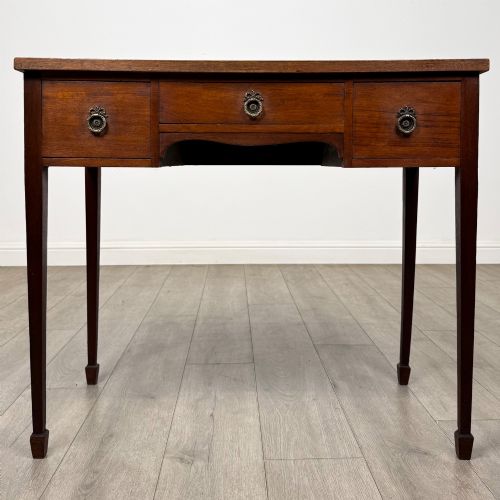
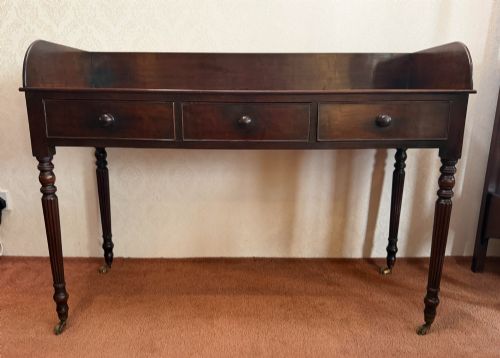
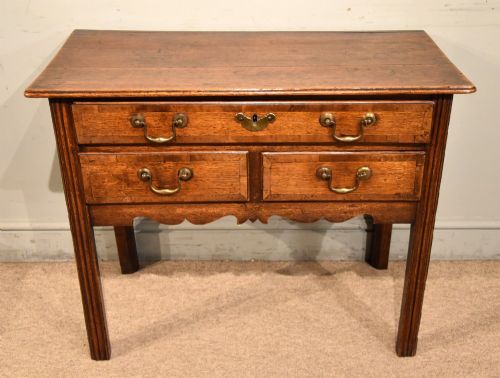
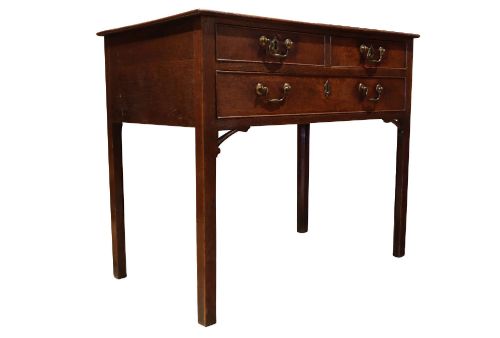
Three Drawer Dressing Table
A three drawer dressing table bridges the gap between a compact desk and a lowboy, offering neat storage beneath a timber top.
Three Drawer Dressing Table
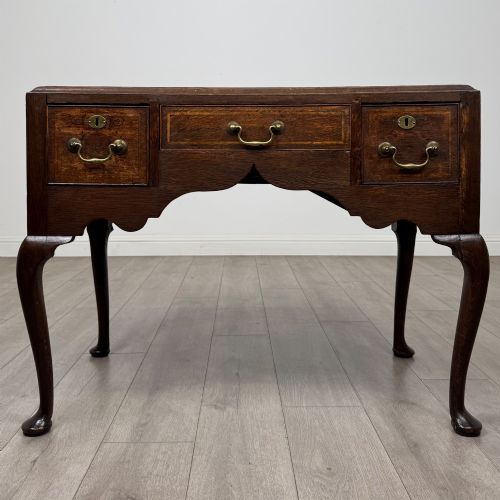
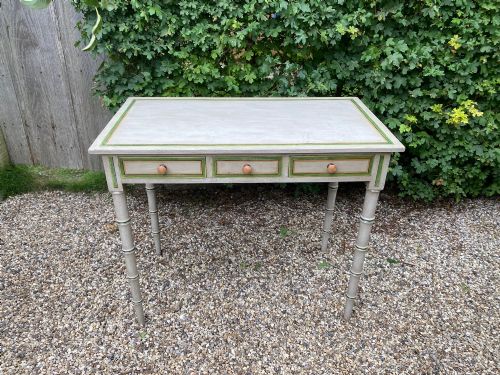
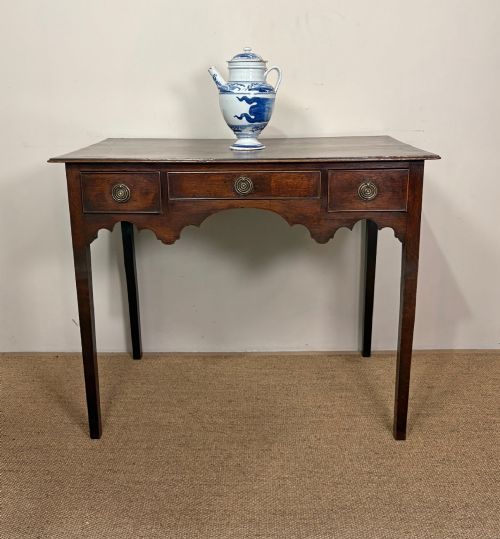
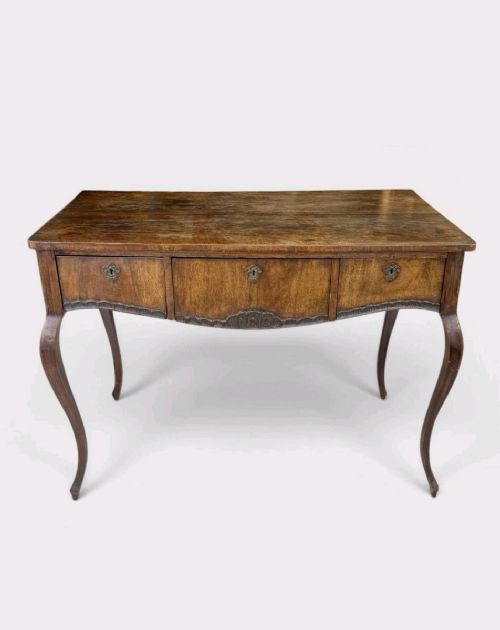
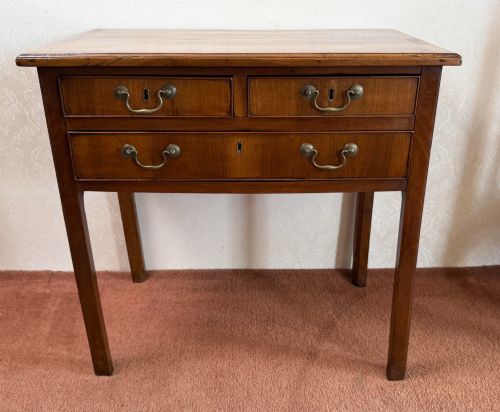
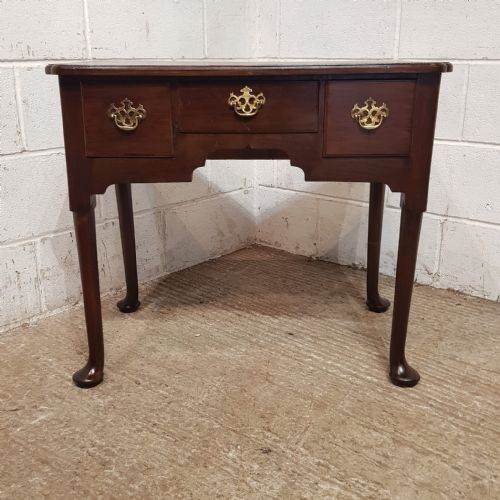
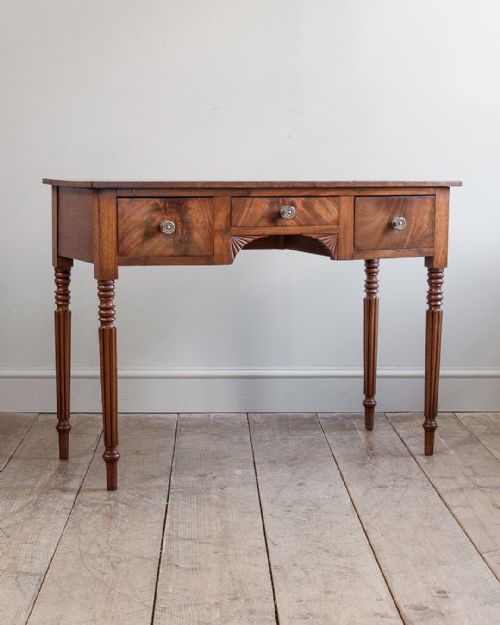
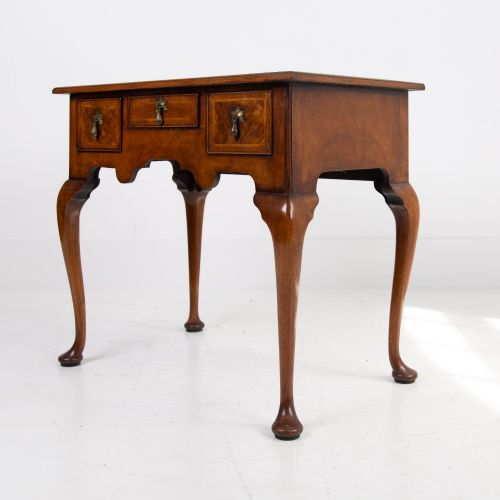
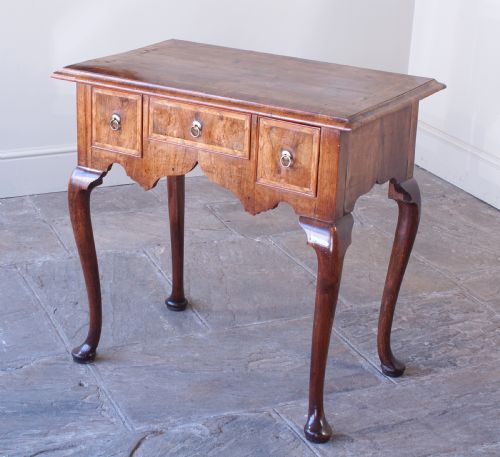
When searching for a three drawer dressing table, buyers encounter pieces that span from the eighteenth century through to the Edwardian period, often crossing paths with lowboys and writing tables. The most frequent iteration on this page is the eighteenth century or Georgian lowboy in oak or walnut, equipped with a trio of frieze drawers.
Makers historically adapted these compact forms for personal grooming or letter writing, meaning surviving examples frequently appear under various historical designations such as side tables or desks. These furniture items sit comfortably in hallways, bedrooms, and sitting rooms where floor space is at a premium.
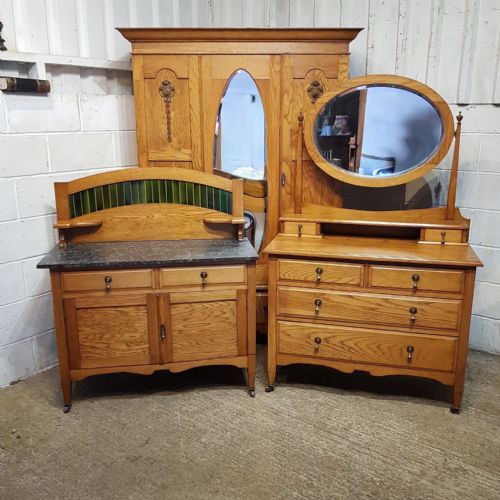
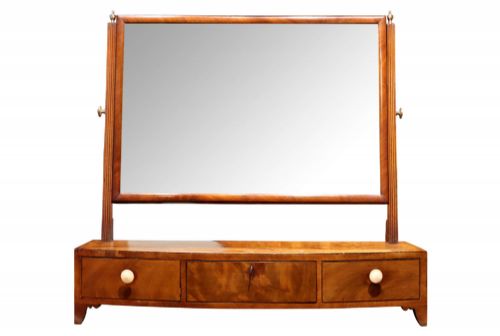
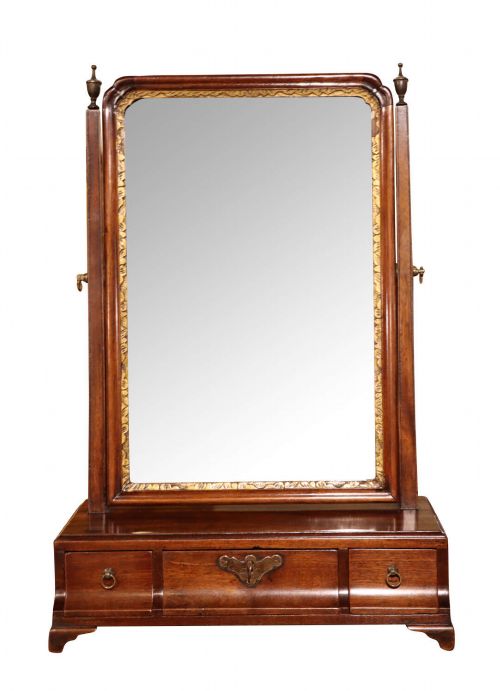
Stylistic variations range from simple country oak constructions to sophisticated walnut pieces featuring feather banding and cabriole legs. Alongside freestanding tables, the category includes tabletop dressing mirrors fitted with three small drawers in their base.
How they were made
Cabinet makers relied principally on timbers such as mahogany, oak, and walnut, selecting dense boards for structural integrity and figured veneers for display surfaces. Carpenters joined drawer linings and carcases using traditional hand-cut joints, ensuring durability across centuries of daily use.
Secondary materials like brass for drop handles and key escutcheons add functional detail, while specialist touches such as boxwood stringing and inlaid motifs elevate the surface decoration. Finishers applied oil, wax, or polish directly to the timber to protect the grain and develop a deep patina over time.
Materials span from native British oak to imported tropical mahogany and decorative fruitwood.
What varies in quality
Quality rests heavily on the choice of timber and the crispness of the cabinet work, distinguishing simple utility furniture from pieces commissioned for wealthier homes. Finer examples display carefully matched wood grain across the drawer fronts and well-proportioned legs that integrate smoothly into the apron.
The degree of original hardware, the retention of secondary timbers in the drawer bottoms, and the subtlety of decorative banding separate ordinary survivals from exceptional collector pieces. Proportion and restraint in ornament dictate the visual balance of the table.
The Three Drawer Dressing Table Glossary
- Lowboy
- A small oak, walnut, or mahogany table with drawers, standing on four legs. This form originated in the late seventeenth century and served various domestic functions.
- Frieze drawer
- A drawer fitted into the horizontal band immediately beneath the tabletop. These drawers often run the full width or divide into three distinct compartments.
- Feather banding
- A decorative inlay technique using veneer slices laid diagonally to form a herringbone pattern around the edge of a drawer front.
- Boxwood stringing
- A narrow strip of pale wood inlaid into a darker timber surface to create linear borders. This technique appears frequently on Regency pieces.
- Patina
- The surface sheen and mellow colour developed by aged wood through handling, waxing, and exposure to light over generations.
Three Drawer Dressing Table: Frequently Asked Questions
How do I use a lowboy today?
These tables function well as hallway console surfaces, compact writing desks, or traditional dressing tables in a bedroom.
Their shallow depth allows them to fit into narrow spaces where standard furniture proves too bulky.
Are these tables sturdy enough for daily use?
Solid timber construction and pegged or dovetailed joints provide robust support for regular surface tasks and light storage.
Careful handling of antique drawer runners preserves the original wood structure.
How do I distinguish a lowboy from a writing table?
Lowboys generally feature decorative aprons beneath the drawers and shorter proportions designed for occasional use rather than intensive writing.
Writing tables often prioritise knee clearance and feature flat working surfaces suited for a chair.
What is the difference between oak and walnut pieces?
Oak furniture tends to date from the seventeenth and eighteenth centuries, offering a robust, heavy grain suited to country houses.
Walnut gained popularity for its rich colour and ability to take fine veneers and cross-banding in fashionable urban interiors.