




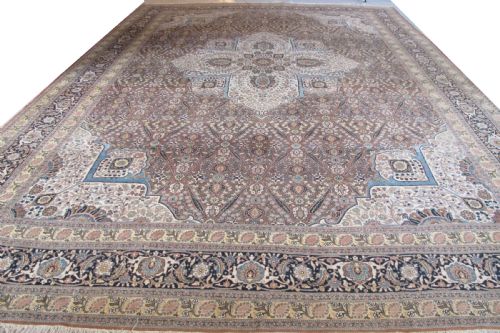
Terracotta Tabriz Rug
A terracotta tabriz rug brings warmth and intricate Persian design to a room, offering durability and historical charm.
Terracotta Tabriz Rug
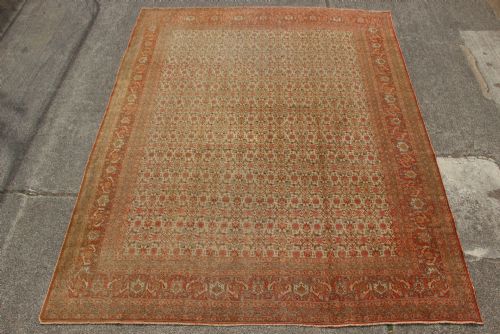
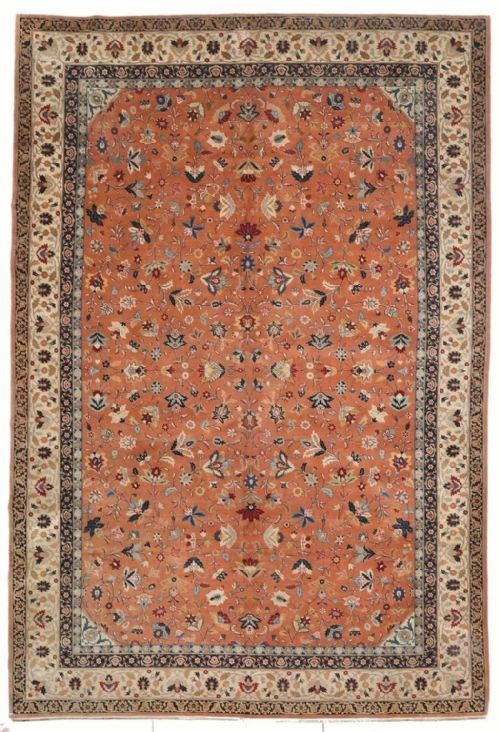
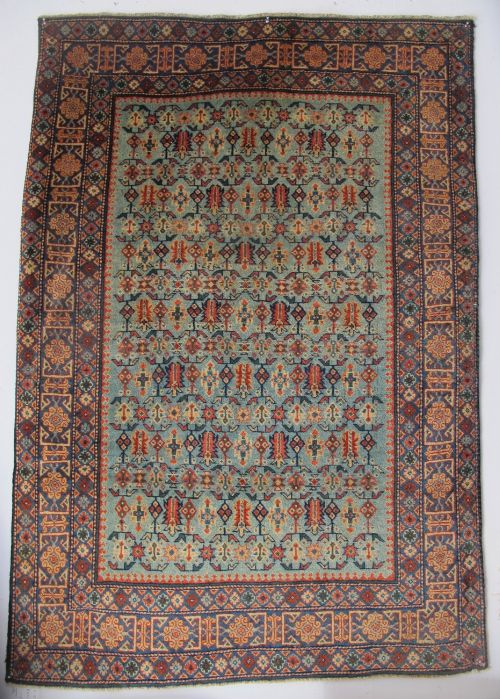
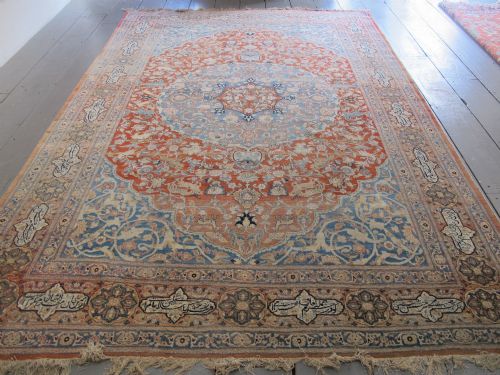
When searching for a terracotta tabriz rug, you are looking at hand-knotted floor coverings originating from North-West Persia. These pieces display traditional Persian aesthetics, often featuring detailed field patterns and rich terracotta backgrounds.
The selections available here range from room-size carpets down to smaller area rugs. They date across several decades, spanning the late nineteenth century into the early twentieth century.
You will encounter pieces designated under various traditional classifications, including Qajar period examples and named workshops. The predominant format remains the rectangular format suited to living spaces and studies.
What varies in quality
Knot density and precision of execution distinguish superior examples from standard production. Finer knotting allows for crisper botanical and geometric motifs across the field.
The quality of the dyes used for the terracotta ground and secondary hues dictates visual depth. Softer pastel tones and well-preserved natural dye palettes elevate the stature of a piece.
Terracotta Tabriz Rug Retail Price Guide 2026
Typical asking prices for terracotta tabriz rug among the pieces listed under this phrase on Sellingantiques today, from the lower quarter to the upper quarter. They describe what is for sale here now, not the wider market.
Early twentieth-century weavers sometimes incorporated whimsical minor border motifs that strayed entirely from traditional geometric symmetry.
Haji Jalili·Benlian
The Terracotta Tabriz Rug Glossary
- Tabriz
- A major carpet-weaving centre in North-West Persia known for diverse designs and fine knotting. Pieces from this origin often incorporate classical medallion layouts or all-over field patterns.
- Herati
- A repeating floral and leaf motif arranged around a central rosette, frequently seen across the field of these carpets. This traditional pattern provides an even texture to the visual design.
- Qajar Period
- The historical Iranian epoch spanning from the late eighteenth to the early twentieth century during which many of these textiles were produced. Pieces from this era reflect specific dynastic design preferences.
- Pile
- The vertical or slanted cut loops of wool, cotton, or silk that form the usable surface of the rug. The height and density of this layer affect both the tactile feel and durability.
- Foundation
- The underlying grid of warp and weft threads that supports the decorative knots. Cotton is commonly utilised for this structural framework in Persian weaving.
Terracotta Tabriz Rug: Frequently Asked Questions
How do I clean a terracotta tabriz rug?
Professional dusting and specialist washing are recommended to preserve the integrity of wool and silk fibres. Avoid harsh chemical treatments that can damage traditional natural dyes.
Regular gentle vacuuming without a beater bar helps remove surface grit that settles into the pile over time.
Where should I place this rug?
These carpets suit low-traffic or moderate-traffic reception rooms, studies, and bedrooms where their colours can be appreciated. Placing them away from direct, harsh sunlight prevents premature fading of the terracotta tones.
Using a quality underlay prevents slipping and cushions the foundation against premature wear on hard floors.
How do I identify a Qajar period piece?
Examination of the weave structure, palette, and stylistic motifs helps determine the approximate period of production. Pieces from the Qajar era often display specific regional nuances distinct from later commercial output.
Consulting the specific knot count and material composition provides further clues regarding the date of manufacture.
What is a Haji Jalili carpet?
Haji Jalili was a renowned master weaver in Tabriz whose workshop produced distinctive carpets known for subdued colour palettes and fine knotting. These pieces often feature atypical soft terracotta and pastel tones.
Such works are particularly sought after by collectors for their refined artistic departure from standard commercial coloration.