

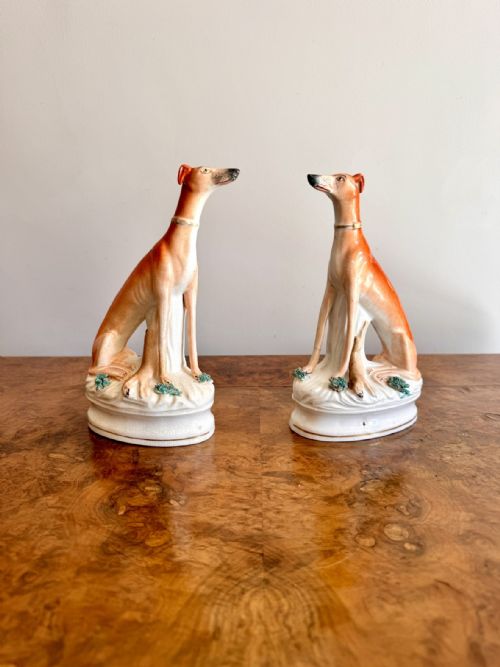
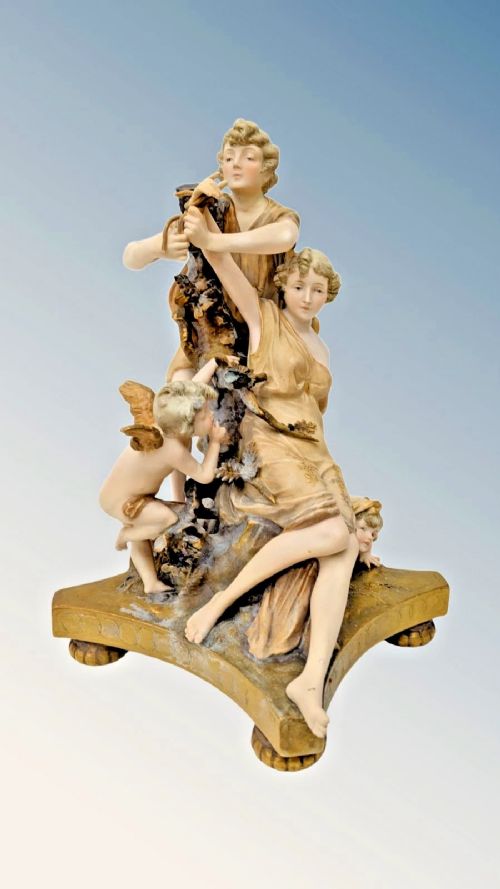


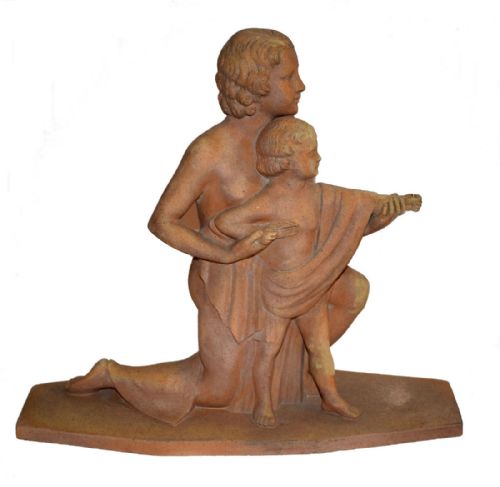


Terracotta Porcelain Statue
These terracotta porcelain statue pieces bring sculptural presence to a room, uniting delicate ceramic detail with the earthy warmth of modelled figures.
Terracotta Porcelain Statue
A terracotta porcelain statue search brings up figural works spanning the nineteenth and twentieth centuries, incorporating Edwardian, Art Nouveau, and Art Deco aesthetics. Buyers encounter everything from large monumental figures of maidens to animal studies and busts.
The objects on this page largely originate from European potteries and Asian traditions, capturing graceful human forms, mythological subjects, and traditional figures. Pieces range from detailed bisque models to glazed ceramic sculptures.
Works carrying distinct marks or model numbers, particularly from Central European workshops, appear alongside Japanese Meiji and Chinese Shiwan pottery. Each item reflects the sculptural preferences of its specific decade of production.
Assessing quality
The fidelity of the modelling and the crispness of the casting set apart the finest sculptures from standard production pieces. Superior examples display subtle facial expressions and carefully delineated fingers, drapery, and accessories.
The application of glaze, enamel, and gilding influences visual appeal, with master modeller work showing precise brushwork and controlled firing. Scale and proportion also distinguish monumental display figures from smaller cabinet items.
Terracotta Porcelain Statue Retail Price Guide 2026
Typical asking prices for terracotta porcelain statue among the pieces listed under this phrase on Sellingantiques today, from the lower quarter to the upper quarter. They describe what is for sale here now, not the wider market.
Listings incorporate items from the 1880s through the 1930s, utilising porcelain, terracotta, ceramic, and biscuit porcelain.
Royal Dux Bohemia·Ernst Wallace·Ernst Whaliss·B Rezl
The Terracotta Porcelain Statue Glossary
- Biscuits porcelain
- Unglazed porcelain fired to a hard, matte state that resembles marble in texture and tone.
- Art Nouveau
- A decorative style characterised by flowing lines and organic motifs popular around the turn of the twentieth century.
- Meiji
- The period in Japanese history spanning from 1868 to 1912 noted for detailed ceramic and metal production.
- Shiwan pottery
- Chinese ceramic ware known for expressive figural sculptures and varied reactive glazes.
- Terracotta
- Fired clay used for sculptural modelling, ranging in colour from pale buff to deep reddish brown.
Terracotta Porcelain Statue: Frequently Asked Questions
Where were these figures made?
The pieces originate from various European ceramic centres as well as Asian kilns, reflecting regional sculptural traditions.
European factories produced large decorative figures, whilst Japanese and Chinese makers contributed traditional subject matter and distinctive glazes.
How do I care for a ceramic statue?
Dust the surface gently with a soft dry brush to prevent the accumulation of dirt in intricate crevices.
Avoid using liquid cleaners or abrasive cloths on unglazed biscuit porcelain and painted surfaces to protect the finish.
What periods do these sculptures represent?
The selections span from the late nineteenth century through the Edwardian era and into the Art Deco period of the 1930s.
Stylistic shifts mark each decade, moving from ornate Victorian Orientalism and Art Nouveau curves to geometric modernist lines.
How are different ceramic types distinguished?
Biscuits porcelain has a matte, porous texture without surface glaze, whereas glazed ceramics feature a smooth, vitreous coating.
Terracotta utilises fired clay bodies that show earthy tones beneath any applied paint or enamel layers.