

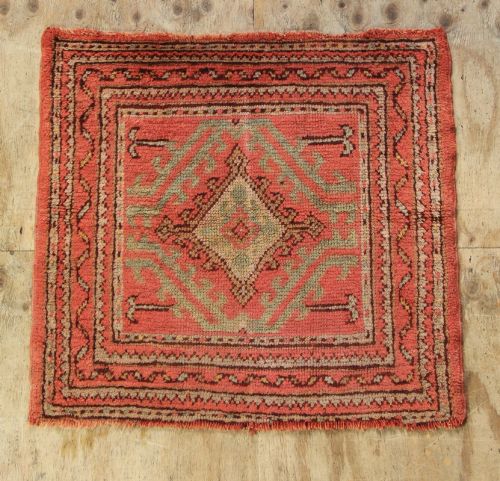


Terracotta Oushak Rug
A terracotta oushak rug brings distinct warmth and heritage to a floor, offering softly faded traditional patterns born in Western Turkey during the nineteenth and early twentieth centuries.
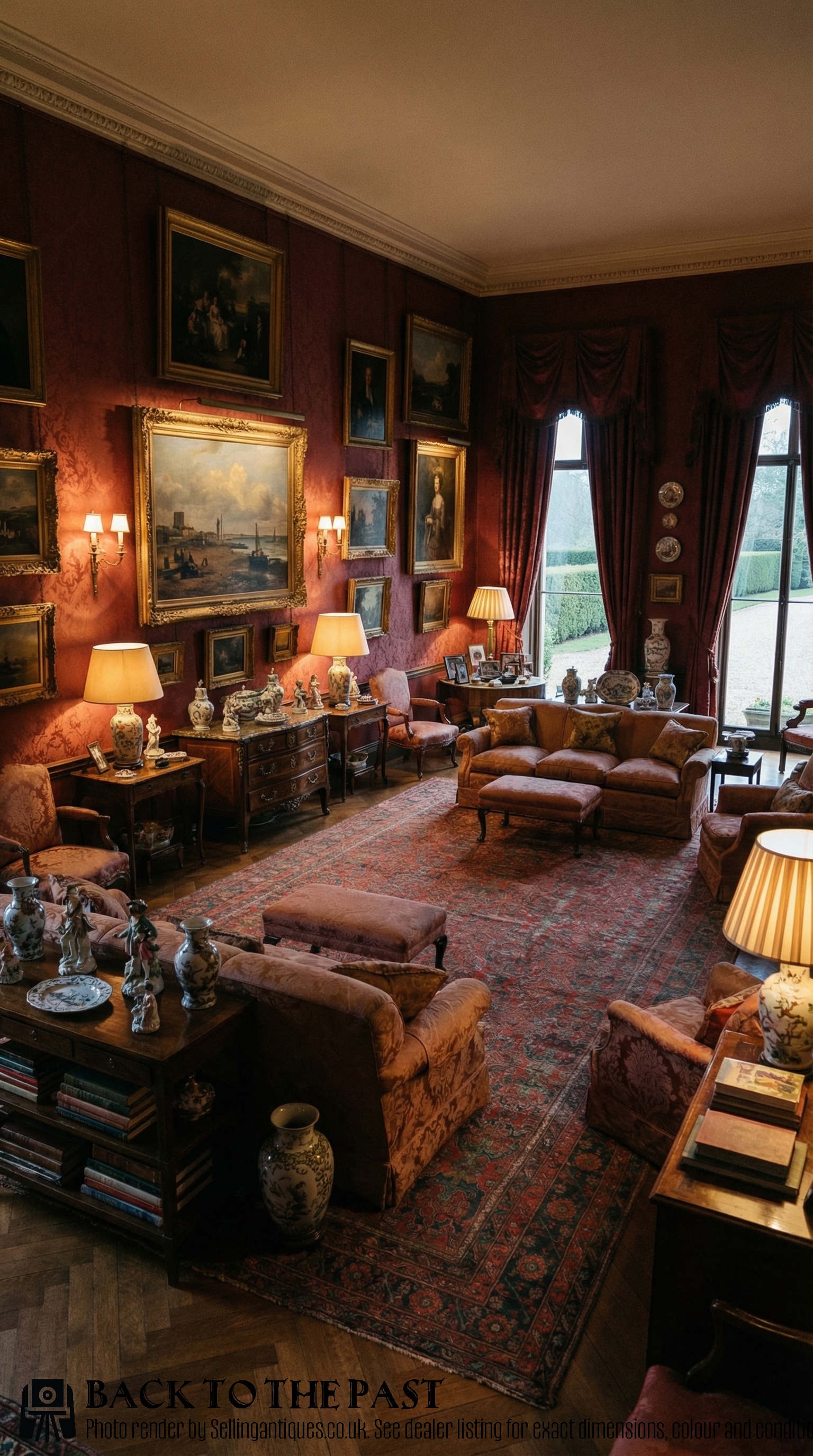
Terracotta Oushak Rug
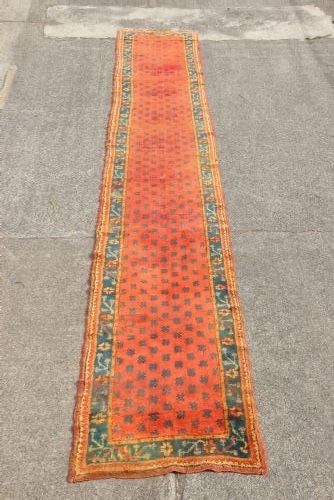
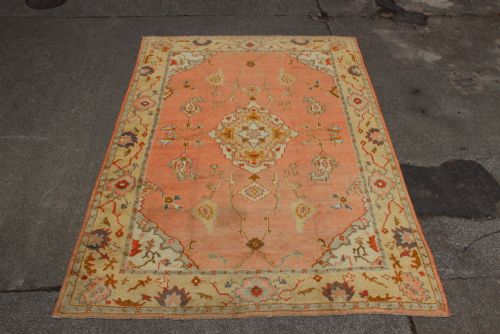
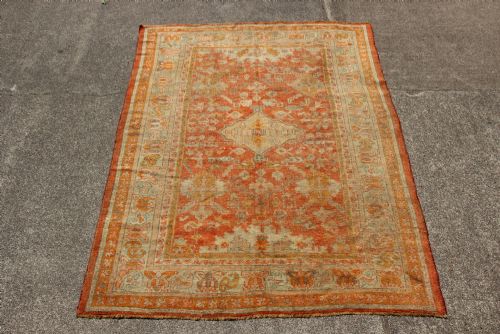
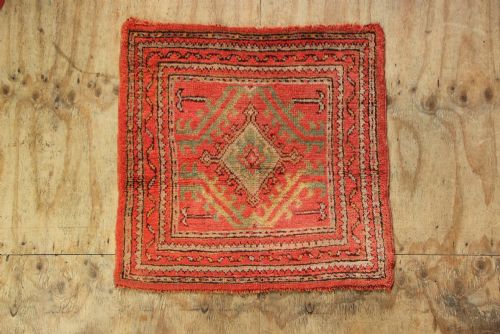
A terracotta oushak rug is a floor covering originating from Western Turkey, often appearing as a room-sized carpet, a square mat, or a long runner. The pieces gathered here span from eighteen-seventy through nineteen-twenty, encompassing the nineteenth century and the early decades of the twentieth century. Traditional Anatolian and Ottoman styles dominate these listings, reflecting centuries of regional weaving heritage.
Buyers will encounter various formats, from large carpets measuring over five metres in length to compact accent rugs and runners. Many examples display soft, muted tones alongside traditional motifs, fitting comfortably into diverse interior schemes. The geographical attribution remains firmly rooted in Anatolia, showcasing the enduring legacy of Oushak workshops.
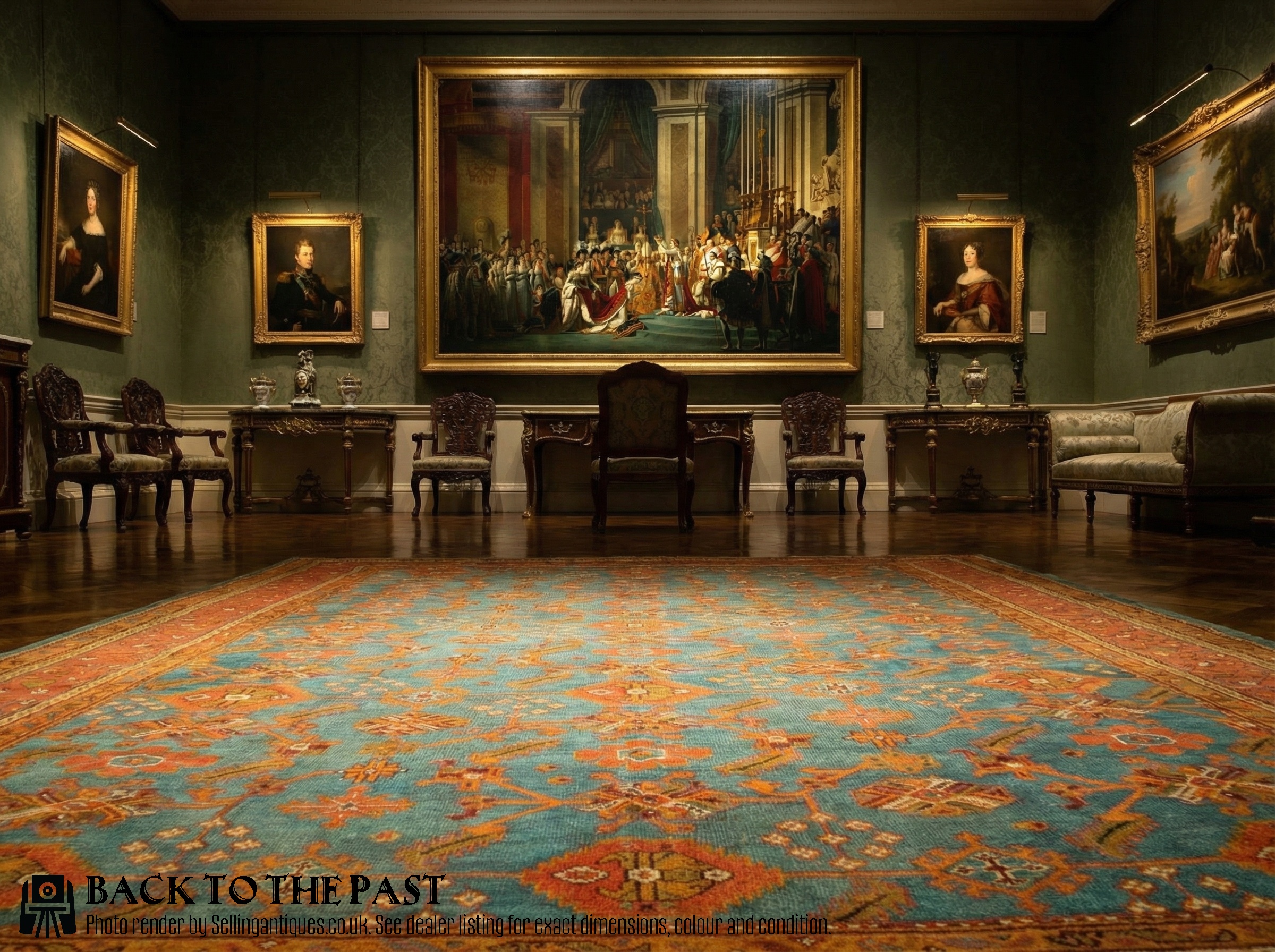
How these rugs were constructed
These textiles are hand knotted using natural fibres such as wool and cotton, occasionally incorporating fine angora wool for added softness. Artisans constructed the foundation and pile using traditional manual techniques handed down through generations in Western Turkey. The interplay of wool and cotton provided both structural durability and a pleasing underfoot texture.
Weavers utilised hand-spun materials dyed in characteristic regional palettes, which account for the terracotta, pale blue, ivory, and beige tones seen across the inventory. The density of the knotting varied by piece, supporting either large-scale grand carpets or narrower runner formats.
Terracotta Oushak Rug Retail Price Guide 2026
Typical asking prices for terracotta oushak rug among the pieces listed under this phrase on Sellingantiques today, from the lower quarter to the upper quarter. They describe what is for sale here now, not the wider market.
One remarkably vast carpet measures nearly six metres long, offering ample room for multiple household pets to lounge simultaneously.
What separates examples within this range
The distinction between standard and exceptional pieces rests upon the finesse of the hand knotting and the harmony of the faded palette. Finer examples display a greater precision in executing traditional Ottoman and Anatolian designs, while maintaining a supple handle. The choice of materials also plays a role, with certain pieces utilising angora wool to achieve a distinct tactile quality.
Proportion and scale significantly influence the character of each textile, ranging from diminutive square mats to enormous carpets spanning several metres. Degree of wear and the natural softening of colours over time contribute to the individual charm of each surviving rug, rather than detracting from its intrinsic merit.
Maples
The Terracotta Oushak Rug Glossary
- Oushak
- A term designating rugs woven in and around the town of Uşak in Western Turkey, renowned for distinct floral motifs and soft, luminous colour palettes. These carpets often feature larger scale designs than other regional Turkish weaving.
- Angora Wool
- A specialised fibre utilised in select antique rugs, prized for its silky lustre and soft handle. This material imparts a gentle sheen to the pile.
- Runner
- A long, narrow format of rug traditionally designed for hallways, staircases, or corridors. The listings include numerous examples of varying lengths.
- Anatolian
- Pertaining to the geographic region of Asia Minor, encompassing traditional Turkish rug-making heritage. It connects these pieces to a deep history of indigenous craft.
- Ghiordes
- A regional style and knot type associated with Turkish carpet production, often referenced alongside Oushak traditions. It denotes specific structural characteristics found in classical weaving.
Terracotta Oushak Rug: Frequently Asked Questions
Where were these rugs made?
These textiles were produced in Western Turkey, primarily associated with the historic weaving centre of Oushak and the surrounding Anatolian region.
Craftsmen utilised local materials and traditional Ottoman design vocabularies that have endured for centuries.
What periods do these rugs cover?
The available selection spans the late nineteenth century and the early twentieth century, with dates ranging from eighteen-seventy to nineteen-twenty.
This era captures a distinct period of traditional regional production before modern industrial methods transformed the craft.
How do I choose the right size?
Consider the spatial requirements of your room, noting that the inventory includes everything from small square mats and accent pieces to massive carpets and long runners.
Measuring your floor space carefully ensures the chosen format complements the proportions of the interior.
What materials are used in the pile?
The pieces are constructed primarily from wool and cotton, with select examples incorporating soft angora wool.
These natural fibres provide the durability and distinctive texture characteristic of traditional Turkish hand knotting.