



Terracotta Glaze Vase
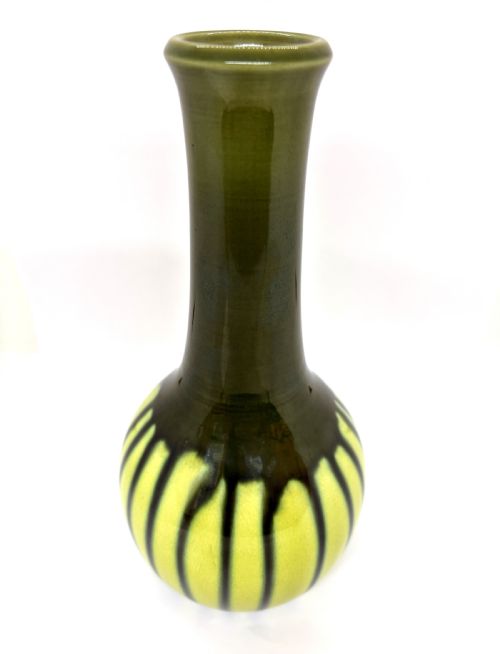
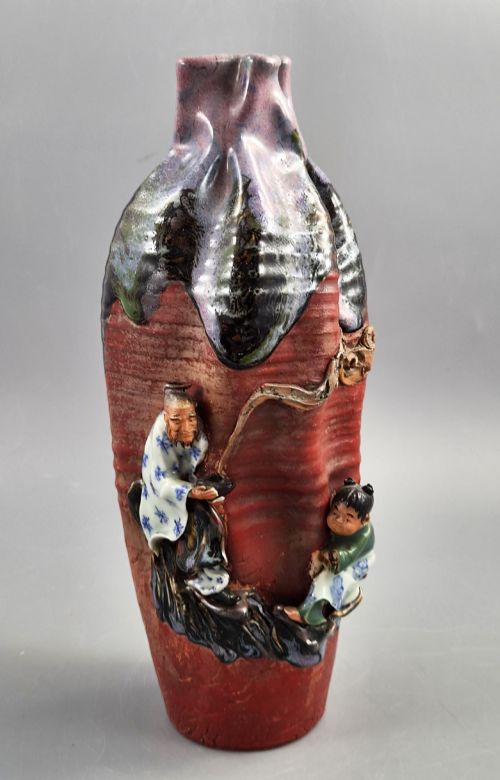
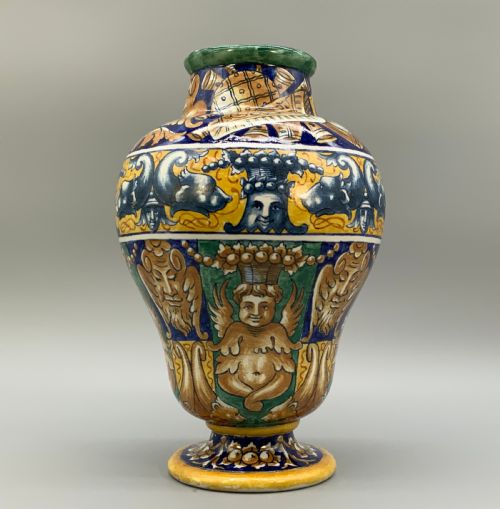
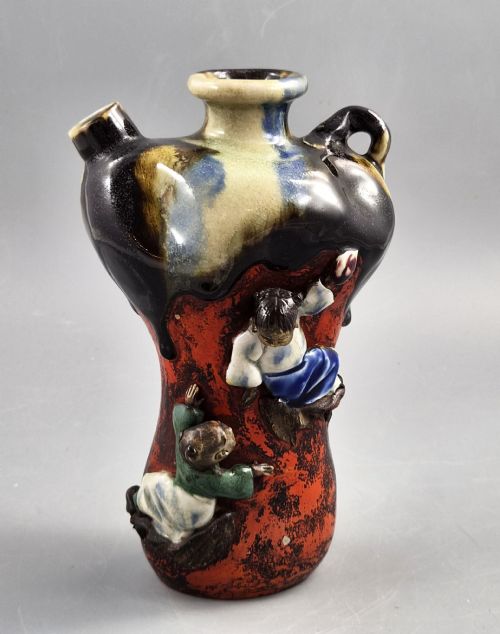
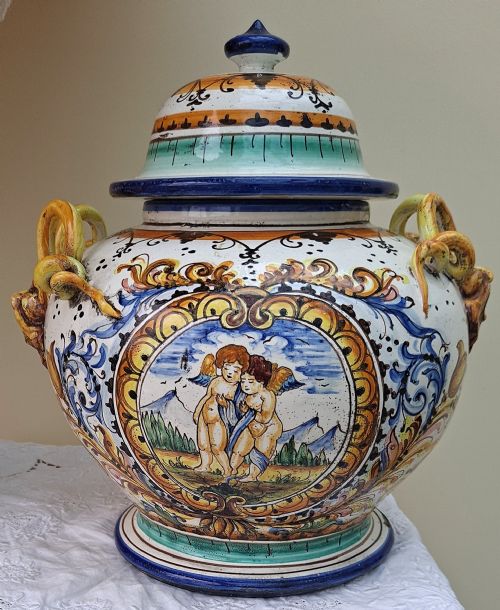
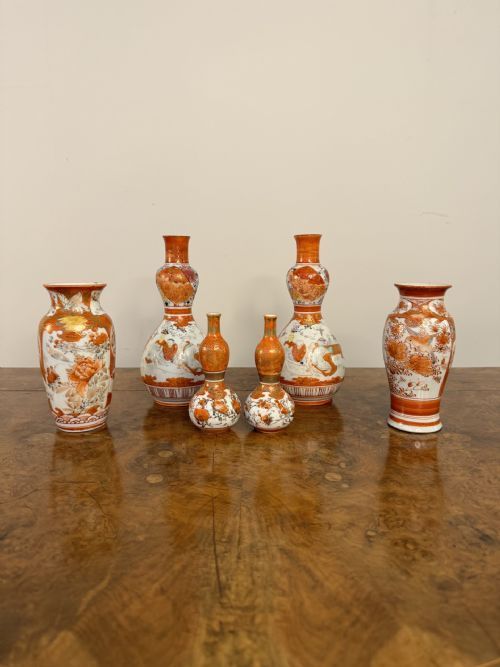
These terracotta glaze vase selections offer earthenware vessels defined by historic glaze work, spanning nineteenth-century revival styles and Japanese ceramic traditions.
Terracotta Glaze Vase
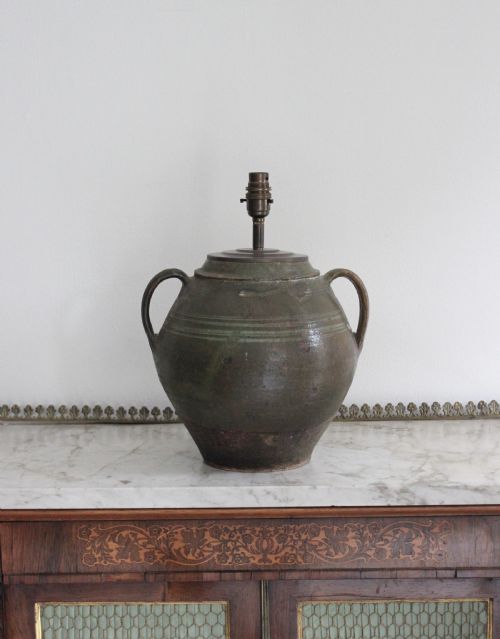
A terracotta glaze vase brings together porous clay bodies and protective vitreous coatings across various forms, including spill vases, baluster shapes, pitchers, and jars. When exploring this phrase, buyers encounter pieces originating from nineteenth-century European potteries as well as Japanese workshops from the Meiji and Taishō periods.
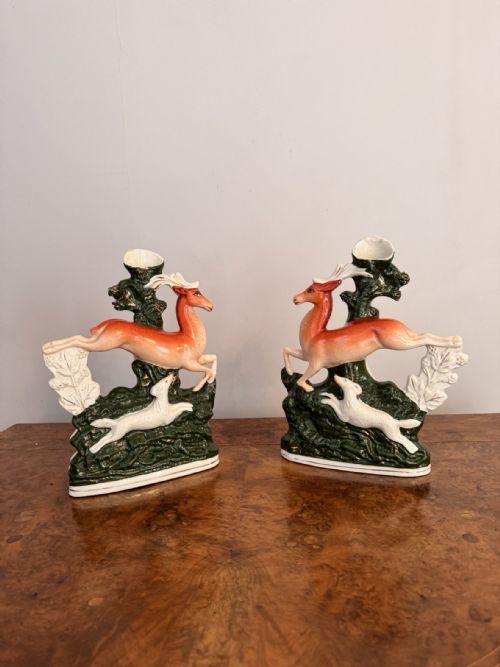
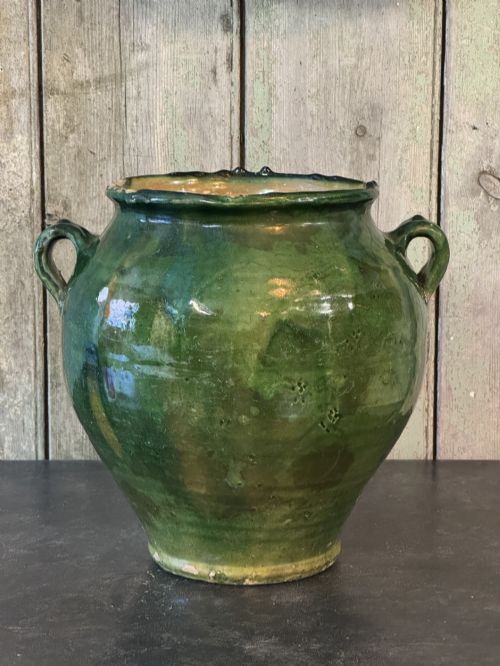
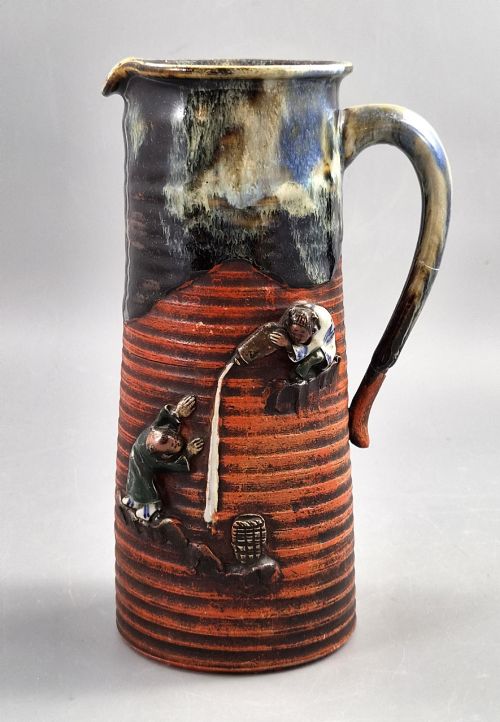
The objects span diverse stylistic movements, encompassing Victorian designs, Arts and Crafts productions, and Renaissance Revival majolica. Confit pots and amphora vessels sit alongside signed Japanese pottery bearing applied figures and distinctive flambé surfaces.
Materials and construction
Potters shaped earthenware and terracotta bodies by hand or on the wheel before applying specialised liquid ceramic finishes. These surfaces include tin glaze, salt glaze, and rich monochromatic or polychrome coatings that vitrified during kiln firing.
Many items incorporate additional decorative elements such as metal mounts, silver cabochons, or hand-modelled applied figures. Curing processes involved high-temperature kilns to set the porous clay and fix the overlying glaze securely.
Terracotta Glaze Vase Retail Price Guide 2026
Typical asking prices for terracotta glaze vase among the pieces listed under this phrase on Sellingantiques today, from the lower quarter to the upper quarter. They describe what is for sale here now, not the wider market.
Available forms include amphora vessels, baluster vases, confit pots, and figural pitchers from European and Japanese origins.
Measures of distinction
Quality rests in the precision of the throwing and modelling, evident in the crispness of applied figures and the controlled flow of the glaze. Master potters achieved depth through complex layering of colours, such as lavender or oxblood flambé effects, without excessive pooling or surface cracking.
The integrity of the underlying terracotta or earthenware body, combined with the preservation of delicate hand-painted details or metal mounts, separates standard domestic ware from exceptional studio and factory pieces.
Burmantoft's Pottery·Doulton Slater's·Cantagalli·Royal Dux·Moorcroft
The Terracotta Glaze Vase Glossary
- Terracotta
- Fired red earthenware clay that remains porous until sealed with a glaze or slip. It serves as the structural foundation for many traditional Mediterranean and European vessels.
- Majolica
- Tin-glazed earthenware decorated with colourful metal oxide pigments over an opaque white enamel. Italian and continental potteries utilised this technique to achieve vibrant pictorial surfaces.
- Confit Pot
- A utilitarian French pot featuring a partially or fully glazed earthenware body designed for preserving food. These storage vessels typically display rich green or earth-toned lead glazes.
- Flambé
- A streaky, variegated glaze effect produced by high-temperature reduction firing in a kiln. The technique creates unpredictable pools of colour ranging from lavender to deep oxblood.
- Spill Vase
- A slender upright vessel created to hold slender wooden spills used for lighting candles or fires. These decorative household items frequently appear in pairs on nineteenth-century mantelpieces.
Terracotta Glaze Vase: Frequently Asked Questions
What is a terracotta glaze vase?
It is an earthenware or terracotta vessel finished with a protective vitreous coating, ranging from nineteenth-century European majolica to Japanese art pottery.
These pieces combine porous clay foundations with decorative glazes, serving both utilitarian storage functions and ornamental display roles.
How were these vases used?
Historically, many of these vessels served practical functions in domestic spaces, acting as confit storage pots, liquid pitchers, or utilitarian amphora jars. Others were purely decorative items, including mantelpiece spill vases and grand centrepieces designed for display.
Over time, their roles shifted from daily household utility to collectable interior ornaments appreciated for their historic glaze techniques.
How do I care for glazed earthenware?
Keep these pieces away from sudden temperature fluctuations and excessive moisture to protect the porous terracotta body beneath the glaze. Dust them gently with a dry, soft cloth rather than using liquid cleaning solutions.
Display them securely on stable surfaces where they will not be knocked, as historic earthenware is susceptible to impact damage.
How can I tell the period?
Dating relies on examining the characteristics of the clay body, the specific formulation of the glaze, and any maker marks or signatures stamped into the base. Stylistic clues such as Victorian aesthetic motifs or Meiji period figural applications help narrow down the decade of production.
Comparing the manufacturing techniques with documented workshop outputs from the nineteenth and early twentieth centuries provides further chronological clarity.