



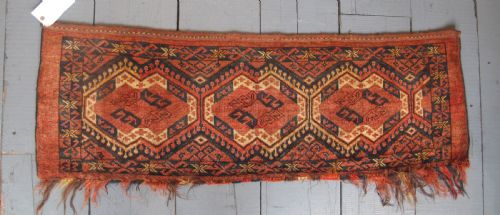
Tekke Rug Panel
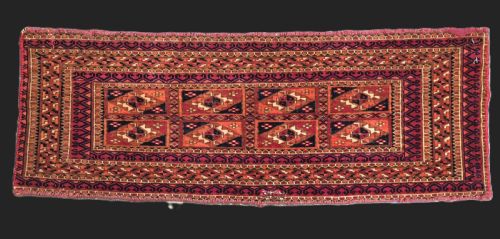
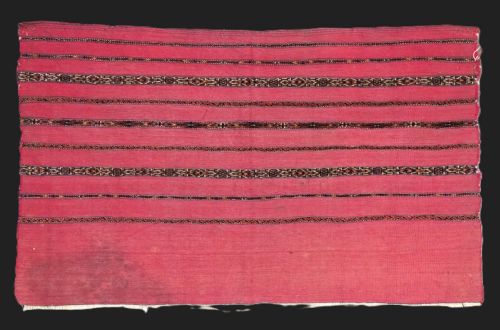
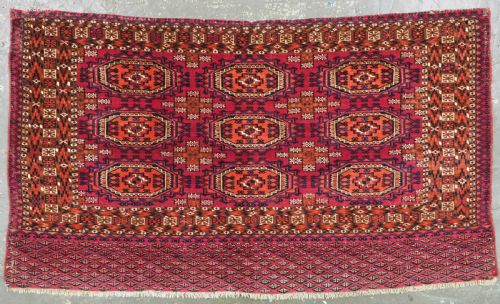
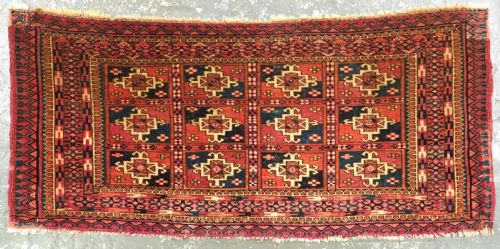
These tekke rug panel examples are tribal textile fragments and bag faces woven in Central Asia using natural dyes.
Tekke Rug Panel
A tekke rug panel is typically a fragment, face, or complete storage bag originating from Turkmen nomadic tribes in Central Asia. Buyers encounter torba faces, chuval faces, and mafrash fragments produced across the nineteenth century, including examples dated around eighteen eighty and earlier.
The objects served functional roles within nomadic households as tent bags and storage containers before entering the decorative textile market. Pieces range from single panels to pairs complete with backs, featuring traditional formats associated with the Merv Oasis and Turkmen tribes.
What varies in quality
The quality rests upon the fineness of the weave and the clarity of the drawing within the primary motifs and secondary guls. Superior examples display precise execution of complex layouts like the aina gul or salor guls.
Colour saturation and the preservation of natural dye hues influence the visual strength of each panel. Completeness also separates pieces, with surviving backs and matched pairs commanding distinct interest compared to single fragments.
Listings feature wool, cotton, and natural dyes across nineteenth century and eighteenth century periods.
The Tekke Rug Panel Glossary
- Chuval
- A large tent storage bag produced by Turkmen tribes for household organisation and bedding storage. These pieces frequently survive as decorative bag faces.
- Torba
- A smaller storage bag utilised within the nomad tent, typically wider than it is tall. Collectors prize the detailed gul arrangements found on these panels.
- Gul
- A primary medallion motif repeated across Turkmen tribal weaving to identify specific tribal lineages. Different variations include the aina gul and salor forms.
- Mafrash
- A rectangular storage container or box bag used for transporting goods during tribal migrations. Surviving fragments show distinctive panel and tree designs.
- Natural Dyes
- Colourants derived from plant and mineral sources prior to the introduction of synthetic alternatives. These materials create the shifting tones observed in nineteenth century textiles.
Tekke Rug Panel: Frequently Asked Questions
How were these bags used?
Nomadic families utilised these woven pieces as functional storage containers for bedding, clothing, and household possessions. Bags like chuvals and torbas hung inside the yurt or travelled during migrations.
Over time, many of these containers were separated into individual faces or reduced to fragments. Today, collectors preserve them as decorative wall hangings and textile studies.
How do I date a panel?
Dating relies on structural characteristics, wool quality, and the specific palette of the natural dyes. Pieces attributed to the first half of the nineteenth century or earlier often exhibit specific structural traits and drawing styles.
Comparative analysis with documented tribal weaving helps place examples within periods such as eighteen eighty or eighteen fifty. Structural wear and material analysis provide further indicators of age.
What do the different motifs mean?
The motifs primarily denote tribal affiliation and lineage through repeated symbols known as guls. Patterns like the aina gul or borrowed salor designs indicate specific weaving traditions within the region.
Panel tree designs and minor guls reflect the artistic vocabulary passed down through generations of Turkmen weavers. Each arrangement connects the textile to a specific geographic and cultural group in Central Asia.