




Taxidermy Glass Dome
A taxidermy glass dome preserves delicate specimens beneath blown glass, bringing nineteenth-century natural history directly into domestic interiors.
Taxidermy Glass Dome
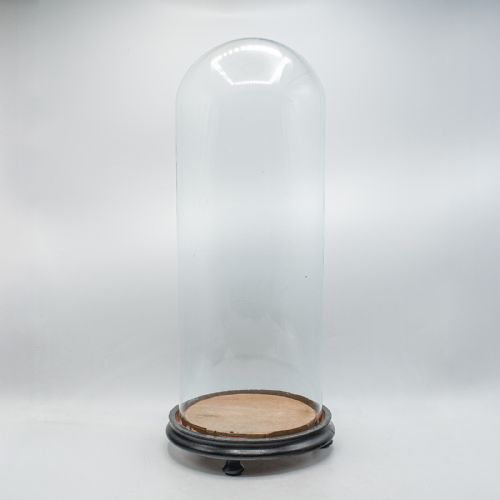
When searching for a taxidermy glass dome, buyers encounter Victorian and Edwardian display vessels designed to protect and exhibit preserved natural specimens. The form typically consists of a blown glass cover resting upon a wooden or ebonised base.
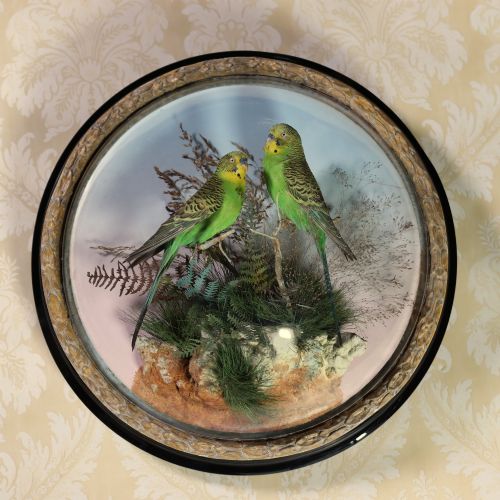
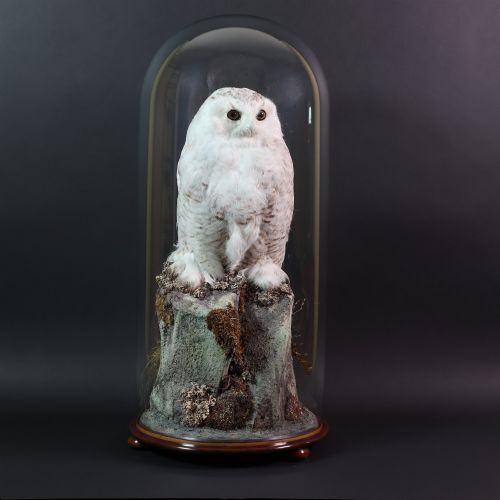
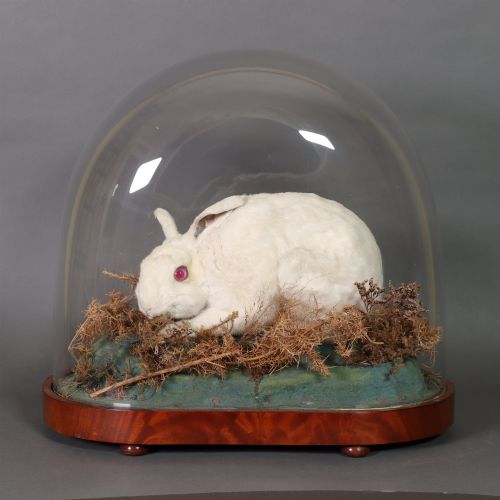
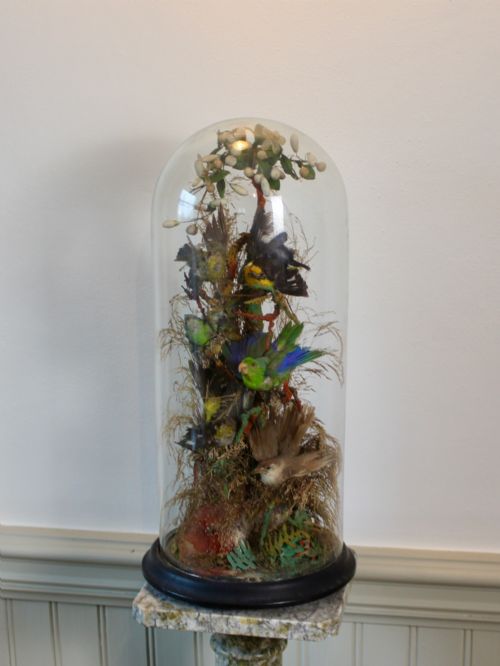
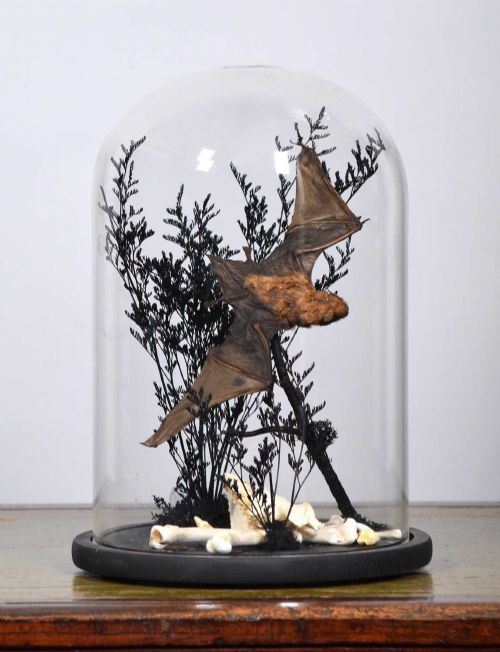
Examples range from compact enclosures housing single birds or bats to tall showcases containing complex compositions of exotic plumage, mammals, or fish. Many specimens sit securely upon fitted bases lined with velvet, felt, or fabric.
The aesthetic bridges scientific inquiry and parlour decoration, reflecting nineteenth-century fascination with ornithology and botany. Pieces originate predominantly from British makers, alongside occasional French examples.
How they were made
Interiors frequently incorporate marquetry details, leather accents, and naturalistic groundwork composed of foliage, felt, and velvet to support the taxidermy specimens. Bases often include a groove to seat the glass securely and seal the interior from dust.
Taxidermy Glass Dome Retail Price Guide 2026
Typical asking prices for taxidermy glass dome among the pieces listed under this phrase on Sellingantiques today, from the lower quarter to the upper quarter. They describe what is for sale here now, not the wider market.
Specimens preserved beneath the glass include birds of paradise, owls, squirrels, bats, and fish.
What varies in quality
Quality rests upon the clarity and weight of the blown glass, where older domes exhibit subtle irregularities, thickness variations, and small bubbles absent in machine-made glass. The joinery and finish of the wooden base also distinguish superior examples.
The skill of the taxidermy arrangement dictates the overall success of the piece, with professional compositions showing anatomical accuracy, natural postures, and well-preserved plumage or fur. Original bases matched to their specific glass covers command greater interest than assembled combinations.
James Gardner·Henry Ward·A Pollard·Hutchings of Aberystwyth·Davis and Co Bristol
The Taxidermy Glass Dome Glossary
- Cloche
- A bell-shaped glass cover used to protect delicate objects or food from dust. The term derives from the French word for bell.
- Ebonised
- Timber treated with a dark stain or finish to imitate ebony. This process was widely utilised on Victorian display bases.
- Ovoid
- An egg-shaped three-dimensional form. Glass domes of this profile provide extra interior height for perched specimens.
- Marquetry
- The art of applying small pieces of veneer to a structure to form decorative patterns. This technique appears on select display bases.
Taxidermy Glass Dome: Frequently Asked Questions
Are the glass domes removable?
Most antique domes lift straight off their wooden bases to allow access to the specimens. They were traditionally sealed with paper tape or putty to keep out insects.
Check carefully whether an older seal remains intact before attempting to lift the glass. Many have long lost this seal and simply rest in a wooden groove.
Where should I place my dome?
Position the display away from direct sunlight to prevent the plumage or fur from fading over time. A stable surface away from radiators and heavy foot traffic protects the fragile glass.
Avoid humid rooms such as kitchens or bathrooms, as moisture can damage both the internal taxidermy and the wooden base.
How do I date a taxidermy dome?
Examine the thickness and clarity of the glass, as nineteenth-century methods left subtle bubbles and wavy lines. The wood of the base and the style of the taxidermy mount provide additional clues to the decade of manufacture.
Trade labels pasted beneath the wooden base often name the specific taxidermist and shop location. These labels offer the most reliable dating evidence.