



Taxidermy Glass Bell Jar
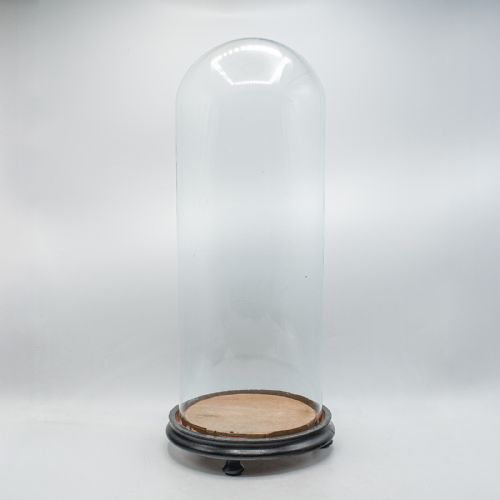
A taxidermy glass bell jar protects preserved specimens under clear glass while keeping dust away.
Taxidermy Glass Bell Jar
A taxidermy glass bell jar combines a blown glass dome with a timber base to protect delicate specimens from dust and damage. These covers appear across the Victorian, Edwardian, and late nineteenth-century periods in various heights and widths.
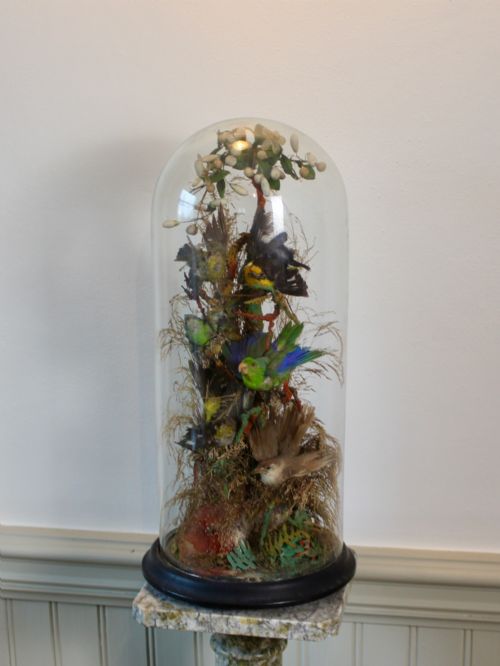
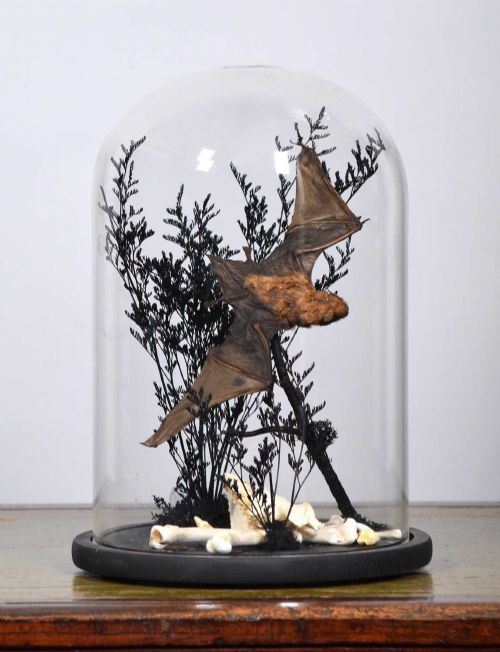
The versions most common on this page are English display domes housing birds, bats, or compositions of colourful specimens. Bases typically use ebonised wood, oak, beech, or pine, sometimes fitted with flat sides or oval shapes.
How taxidermy glass bell jar items were made
Glassmakers blew molten material into large rounded covers to achieve the clear, seamless curves required for specimen display. These glass covers sit upon turned or polished timber bases made from oak, beech, pine, or ebonised wood.
Makers arranged birds, bats, and botanical specimens inside on fabric, velvet, or felt linings to frame the taxidermy display. Structural elements rely on simple timber joinery for the circular, oval, or flat-sided bases.
Taxidermy Glass Bell Jar Retail Price Guide 2026
Typical asking prices for taxidermy glass bell jar among the pieces listed under this phrase on Sellingantiques today, from the lower quarter to the upper quarter. They describe what is for sale here now, not the wider market.
Current listings feature Victorian and Edwardian items using glass, ebonised wood, oak, pine, fabric, and velvet.
What varies in quality in taxidermy glass bell jar examples
The clarity and thickness of the blown glass differentiate standard utility domes from finer collector pieces. Older glass often shows subtle natural bubbles and slight surface distortions from historical manufacturing methods.
The choice of timber for the base and the complexity of the interior taxidermy composition influence the overall character of the piece. Well-matched pairs and unusual oval or flat-sided forms represent more ambitious nineteenth-century production.
The Taxidermy Glass Bell Jar Glossary
- Bell jar
- A rounded glass cover shaped like a bell, designed to protect items placed underneath. These vessels sit upon a flat base.
- Ebonised wood
- Timber treated with a dark finish to imitate expensive ebony. This dark surface provides a strong contrast against colourful feathers and specimens.
- Cloche
- A bell-shaped glass cover used historically in gardens and interiors. The term often describes display domes intended for tabletop viewing.
- Diorama
- A three-dimensional scene enclosing taxidermy specimens within a defined setting. These arrangements often feature artificial foliage and painted backgrounds.
Taxidermy Glass Bell Jar: Frequently Asked Questions
How do I clean a glass dome?
Lift the glass cover very carefully from its timber base using both hands on a flat, stable surface.
Wipe the glass with a soft cloth and mild cleaner while keeping moisture away from the interior taxidermy specimens.
Can the glass be removed?
Most glass covers lift freely from their wooden bases without permanent fixings or adhesives holding them down.
Take care when lifting, as historical glass can be heavy and sits within a simple wooden groove.
What specimens are found inside?
Common contents include British birds such as snow buntings, exotic colourful birds, and bats mounted on fabric or felt.
Some enclosures house botanical specimens or clock movements instead of taxidermy.
How do I date these domes?
Examine the thickness and bubble content of the glass alongside the type of timber used for the base.
Victorian and Edwardian examples often display specific turning styles on the wooden plinth and distinct hand-blown glass characteristics.