









Victorian Curiosity Display
These Victorian curiosity display pieces gather taxidermy, specimens and natural history objects inside glass and wood to bring eccentric nineteenth-century wonder into a room.
Victorian Curiosity Display
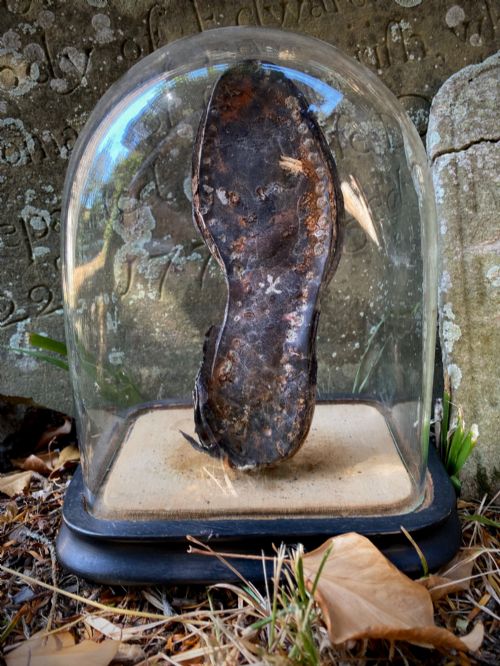
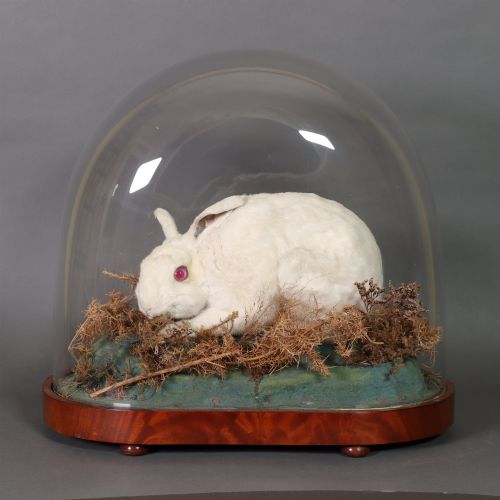
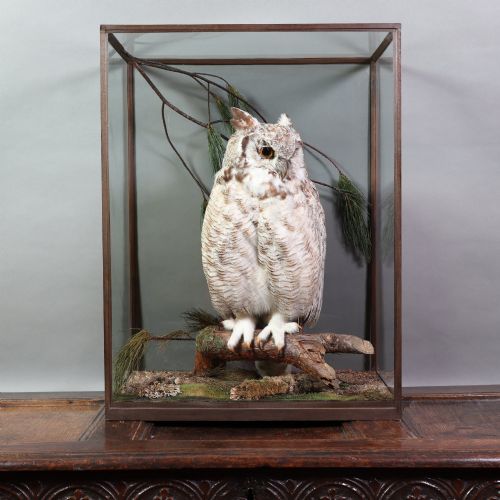
A Victorian curiosity display encompasses taxidermy birds and mammals, glass domes, and specimen cases that collectors assembled during the nineteenth century. These items range from single owls and parrots under glass to multi-bird compositions and cabinets filled with coral or shells.
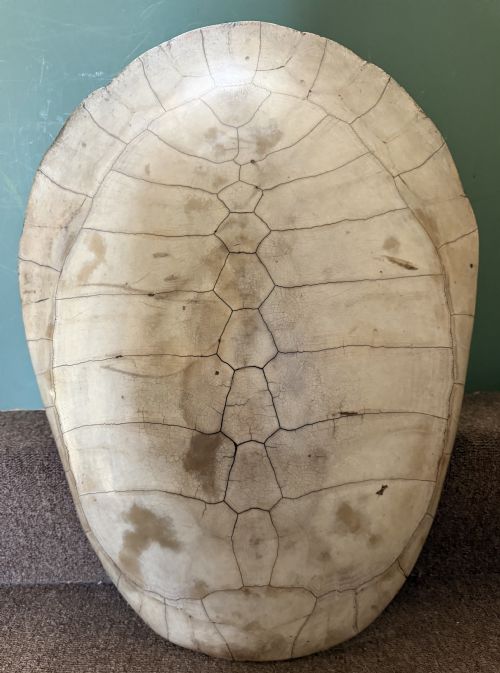
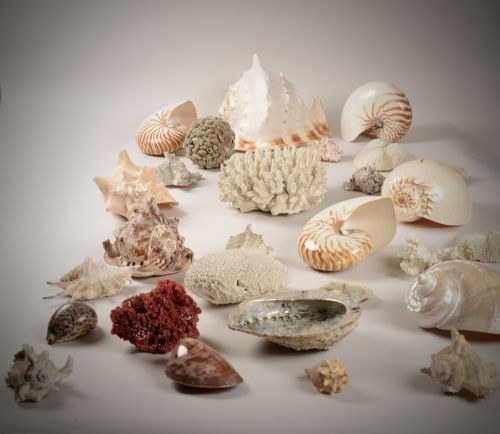
The most common formats on this page are glass display domes and wooden taxidermy cases housing British and exotic birds. Alongside these sit specimen collections, including coral, starfish, and seed pods such as the coco de mer.
Makers and taxidermists constructed these pieces to showcase natural philosophy and exotic exploration for domestic parlours. They survive today as focal points for interiors that embrace nineteenth-century natural history.
Materials and Construction
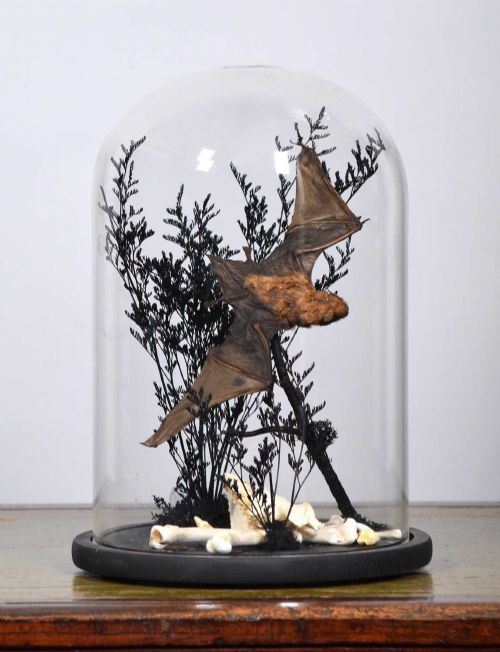
Makers housed delicate specimens beneath blown glass domes or cloches, resting them on turned wooden bases lined with velvet, paper, or fabric. Wall-hanging cases employed ebonised wood or oak with glass fronts to protect taxidermy from dust and handling.
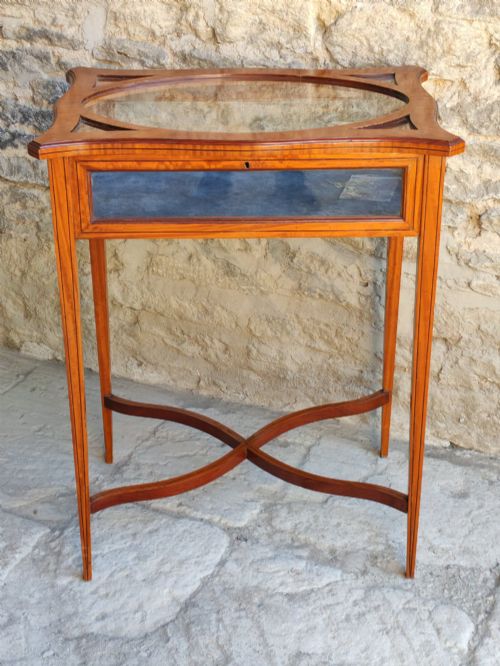
Taxidermists shaped birds and mammals over wire and body armatures, arranging them within naturalistic settings made from painted foliage, grasses, and branches. Cabinet makers utilised satinwood and marquetry inlay for tabletop bijouterie cases and small collectors' cabinets.
Victorian Curiosity Display Retail Price Guide 2026
Typical asking prices for victorian curiosity display among the pieces listed under this phrase on Sellingantiques today, from the lower quarter to the upper quarter. They describe what is for sale here now, not the wider market.
Nineteenth-century naturalists occasionally posed stuffed owls and squirrels reading tiny books or playing cards to amuse Victorian parlour guests.
Factors of Quality
Quality rests upon the skill of the taxidermist and the integrity of the original glass dome. Master taxidermists achieved lifelike posture and anatomical accuracy, whereas lesser work appears stiff or disproportionate.
The scale and complexity of the composition dictate distinction. Single common birds command less attention than multi-specimen dioramas featuring exotic birds of paradise or signed work by prominent London firms.
James Gardner of London·Rowland Ward Ltd·Henry Ward London·A Pollard·Hutchings of Aberystwyth·J Dobson
The Victorian Curiosity Display Glossary
- Bijouterie table
- A glass-topped display table designed to hold small curiosities and jewellery. These pieces usually feature hinged lids and satinwood frames.
- Cloche
- A bell-shaped glass cover used to protect delicate taxidermy and specimens from dust. They sit directly upon wooden or fabric-lined bases.
- Entomology case
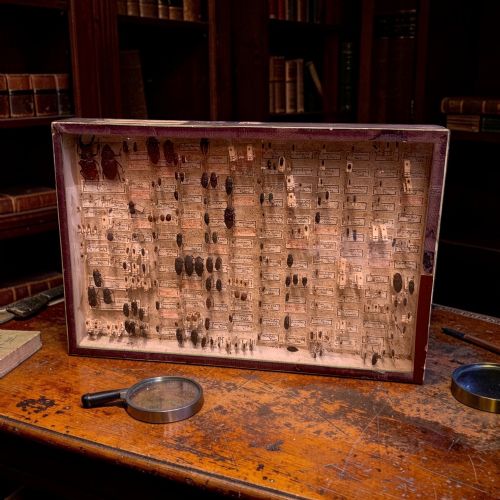
- A shallow wooden box fitted with a glass lid for displaying preserved insects. Collectors arrange butterflies and beetles neatly inside.
- Coco de mer
- The large double nut of the Seychelles palm, collected as a botanical curiosity. Cabinets often display these polished seed pods.
- Naturalistic setting
- The artificial ground and foliage arranged inside a taxidermy case to mimic a living habitat. Makers used painted paper, dried grasses, and twigs.
Victorian Curiosity Display: Frequently Asked Questions
Where should I place a taxidermy dome?
Position your display dome away from direct sunlight and strong heat sources to prevent feathers from fading and wood from drying out. A sturdy console table or dedicated cabinet keeps the piece secure from knocks.
Keep these displays out of damp rooms like kitchens or bathrooms, because excess humidity damages historical textiles, paper linings, and taxidermy mounts.
How do I identify a Victorian glass dome?
Examine the glass closely for tiny air bubbles, minor surface ripples, and slight thickness variations. These minor imperfections indicate traditional mouth-blown glass manufacturing methods from the nineteenth century.
The wooden base often shows period construction traits such as turned mouldings, ebonised finishes, or traditional velvet linings without modern staples.
What is a bijouterie table used for?
A bijouterie table functions as an elegant display case for small personal treasures, fossils, and natural history specimens. The glass top allows visitors to inspect delicate items without handling them.
Victorian drawing rooms used these tables to showcase conversation starters and collection highlights to guests during afternoon gatherings.