


Taxidermy Bell Jar
A taxidermy bell jar is a preserved specimen housed beneath blown glass, bringing quiet Victorian natural history directly into a modern room.
Taxidermy Bell Jar
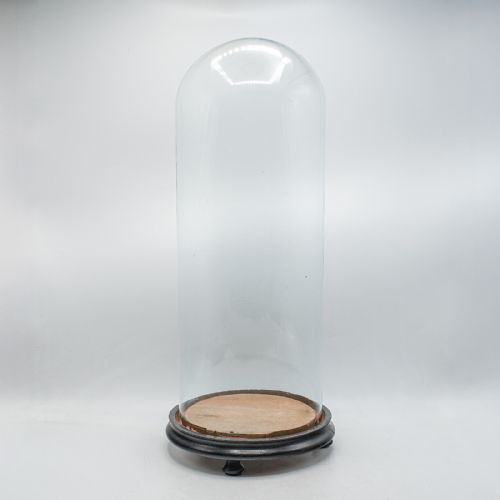
A taxidermy bell jar combines a blown glass dome with a wooden base, protecting preserved specimens from dust and handling. When you search for this phrase, you find display pieces designed to showcase birds, bats, and botanical arrangements in domestic settings.
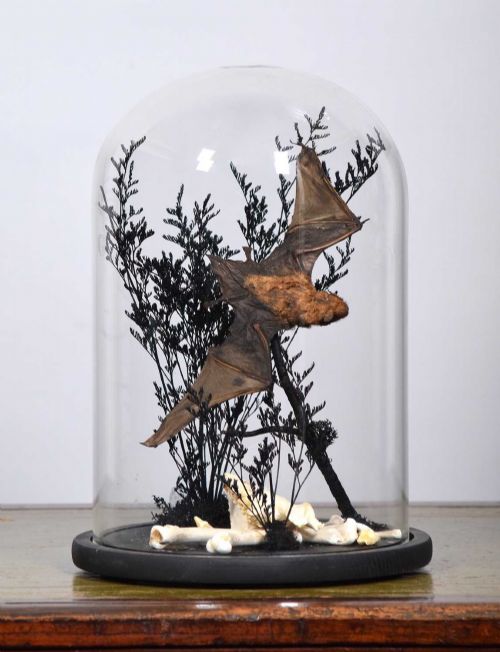
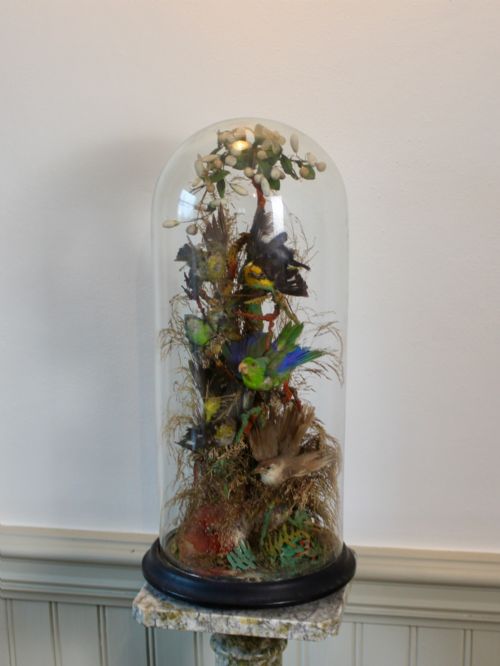
The pieces appearing on this page span the Victorian and Edwardian eras, with dates stretching from roughly eighteen sixty through to nineteen ten. You meet tall showcases, flat-sided domes, and oval diorama cases housing everything from solitary bats to compositions of six colourful birds.
English origins dominate the selection, utilising timber bases made from oak, beech, pine, or ebonised wood. These enclosures served as collector's domes and professor's specimen cases before becoming decorative items for the home.
Materials and construction methods
Interiors frequently incorporate fabric, velvet, or felt linings to stage the taxidermy specimens and botanical displays effectively. Specimens such as snow buntings and bats are arranged carefully upon these textile backdrops inside the glass enclosures.
Listings span the Victorian and Edwardian periods, featuring glass domes mounted on oak, beech, pine, and ebonised wood bases.
Factors influencing quality and craftsmanship
Quality rests upon the clarity and thickness of the blown glass dome, alongside the joinery and timber selection of the base. Superior examples exhibit heavy, clear glass without significant distortion, paired with well-turned oak, beech, or ebonised wooden plinths.
The ambition of the interior composition also defines the piece, moving from simple single specimens to complex arrangements of multiple colourful birds or botanical dioramas. Exceptional specimens retain their original positioning and taxidermy condition within the protective showcase.
The Taxidermy Bell Jar Glossary
- Bell jar
- A bell-shaped glass cover used to protect delicate items, ornaments, and specimens from dust. It rests upon a fitted wooden or ebonised base.
- Cloche
- A bell-shaped glass cover sharing similar protective functions with a bell jar, frequently used for display cases.
- Diorama
- A three-dimensional scene enclosed within a glass case, often featuring multiple taxidermy birds or specimens arranged in a naturalistic setting.
- Ebonised wood
- Timber treated with a finish to imitate ebony, providing a dark, formal base common in nineteenth-century display pieces.
- Specimen case
- A specialised enclosure designed to hold and display natural history items, botanical finds, or taxidermy safely.
Taxidermy Bell Jar: Frequently Asked Questions
What is a taxidermy bell jar?
A taxidermy bell jar is a glass dome set on a wooden base designed to protect and display preserved birds, bats, and natural history specimens.
These pieces originate primarily from the Victorian and Edwardian periods, serving both scientific study and domestic decoration.
How do I clean a glass dome?
Clean the exterior glass carefully using a soft cloth and standard glass cleaner while keeping moisture away from the wooden base and interior taxidermy.
Avoid lifting heavy domes without adequate support, as antique blown glass requires gentle handling to prevent damage.
Where were these pieces made?
The pieces listed on this page are predominantly of English origin, produced during the nineteenth and early twentieth centuries.
Workshop production focused on combining blown glass covers with turned timber bases made from oak, beech, pine, or ebonised wood.
What animals are found inside?
Interiors feature preserved fauna such as bats, snow buntings, and compositions of multiple colourful birds arranged upon fabric or velvet linings.
Botanical specimens and collector items also appear alongside the animal displays within the protective glass enclosures.