
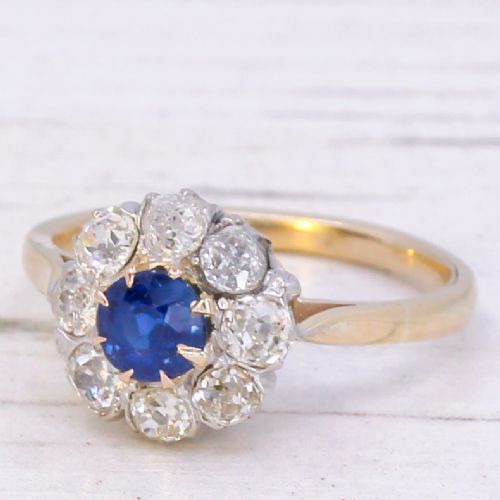


Target Ring Sapphire Diamond
When you search for a target ring sapphire diamond, you encounter concentric rings of precious stones designed with geometric precision.
Target Ring Sapphire Diamond
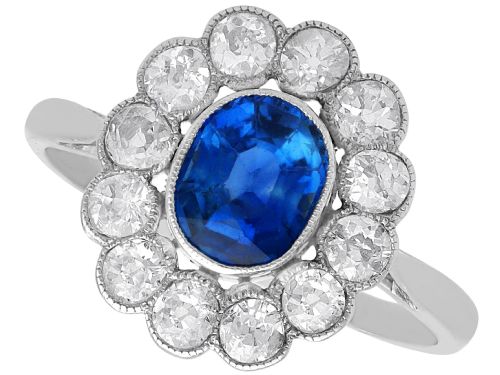
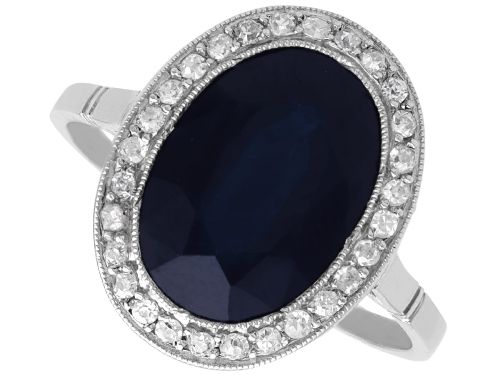
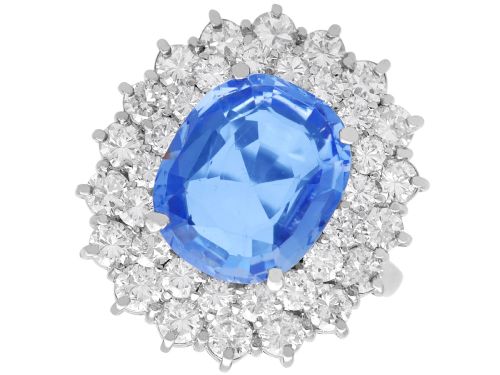
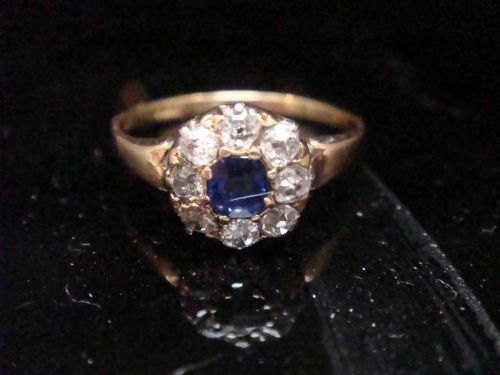
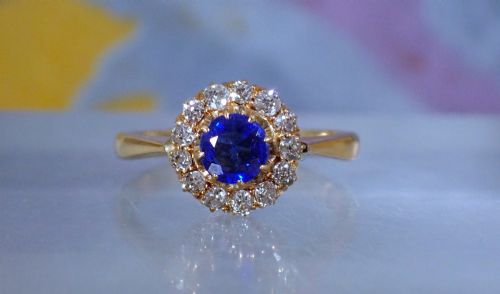
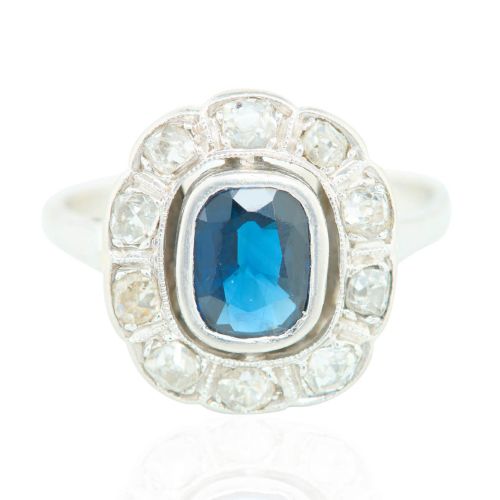
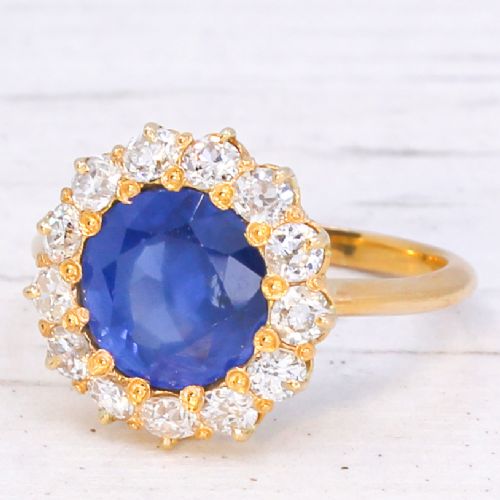
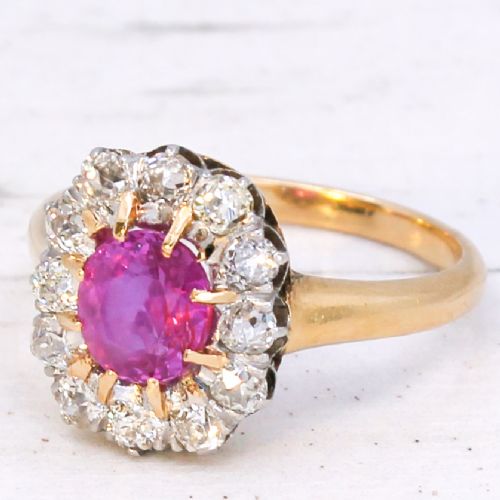
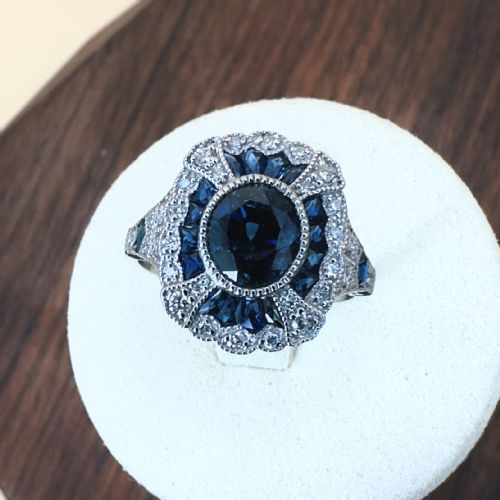
A target ring sapphire diamond arrangement centres on a vibrant blue or pink sapphire encircled by concentric rings of sparkling diamonds, creating a distinct bullseye motif. You will most frequently meet this form styled during the Art Deco and Edwardian periods, utilising platinum or white gold settings to enhance the brilliance of the stones.
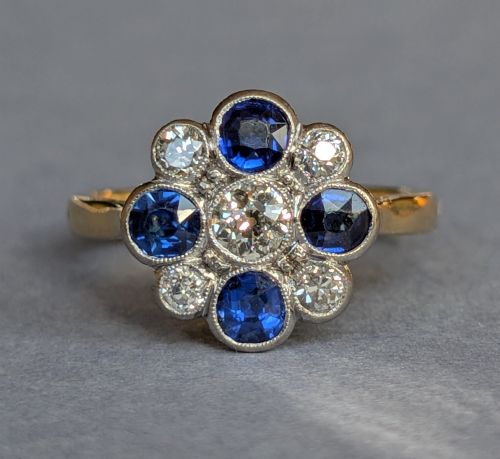
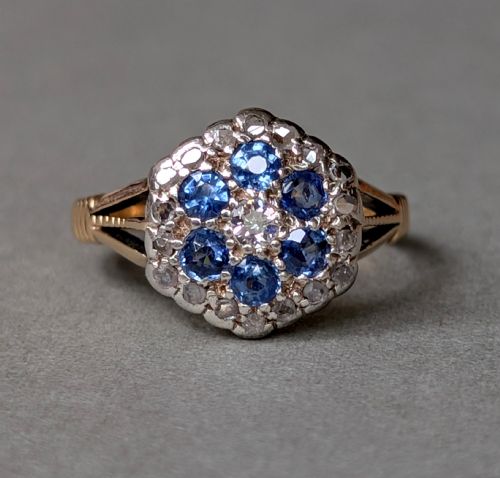
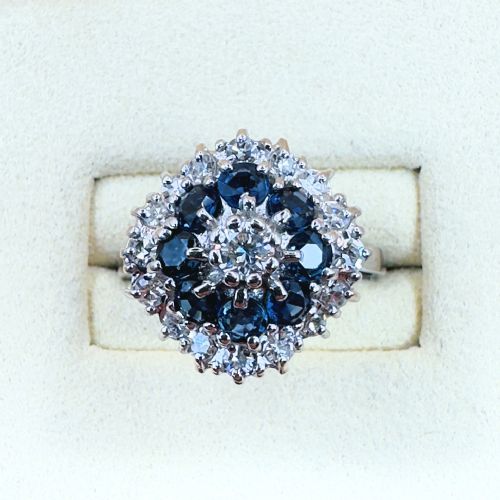
The selections span dress rings and engagement rings originating from the early twentieth century through to mid-century revivals. Geometric cluster configurations, daisy clusters, and precise target patterns dominate the surviving examples on this page.
How they were made
Goldsmiths and platinum-smiths of the early twentieth century combined durable platinum with yellow and white gold to construct intricate mountings. These metals secured central sapphires alongside old-cut, rose-cut, or calibre-cut diamonds.
Craftsmen utilised meticulous claw, bezel, and channel settings to align the concentric stone borders tightly. This technical precision allowed the distinct circular layers of the target design to maintain structural integrity while maximising light reflection.
Listings incorporate platinum, yellow gold, and white gold alongside diamond and sapphire combinations spanning the Edwardian era to the nineteen-sixties.
What varies in quality
The distinction between standard examples and superior specimens rests upon the geological origin and clarity of the central sapphire, alongside the cut and match of the surrounding diamonds. Unheated Burmese or Ceylon stones command greater regard than basaltic alternatives.
Design execution further separates the tiers, where precise symmetry in calibre-cut stones or uniform old-cut diamond borders demonstrate superior workshop competence. The harmonious integration of platinum over gold adds structural and aesthetic refinement.
The Target Ring Sapphire Diamond Glossary
- Target ring
- A ring featuring concentric circular bands of gemstones surrounding a central stone, resembling a bullseye. This geometric layout defined much of the jewellery design during the Art Deco era.
- Calibre cut
- Gemstones specifically shaped and faceted to fit tightly together in a geometric pattern without visible metal separating them. This technique required exceptional skill from the lapidary.
- Old cut
- A precursor to the modern brilliant cut diamond, characterised by a smaller table, higher crown, and open culet. These stones were hand-cut to maximise sparkle under candlelight and gaslight.
- Daisy cluster
- A ring design where smaller round gemstones encircle a larger central stone like petals around a flower centre. Popularised during the Edwardian period in yellow gold and platinum.
- Unheated sapphire
- A natural sapphire that has undergone no thermal enhancement to improve its colour or clarity. Such stones remain entirely untreated by human intervention.
Target Ring Sapphire Diamond: Frequently Asked Questions
How do I care for antique cluster rings?
Antique cluster rings require gentle handling due to their delicate settings and older gemstone cuts. Regular cleaning in warm soapy water maintains their brilliance without risking the metalwork.
Avoid exposing these pieces to harsh chemicals or ultrasonic cleaners, particularly when dealing with unheated or treated sapphires.
How do I tell Art Deco from Edwardian rings?
Edwardian rings typically employ yellow gold combined with platinum tops, showcasing flowing floral motifs, millegrain edges, and delicate daisy cluster designs. They project a softer, romantic aesthetic.
Art Deco pieces favour stark geometric symmetry, repetitive linear patterns, and all-platinum mountings. They embrace bold contrasts and streamlined architectural forms.
Were these rings used as engagement rings?
Many of these pieces served as engagement rings from the early twentieth century onward. Their durable cluster construction made them practical for daily wear.
Others functioned purely as decorative dress rings for fashionable evening attire, reflecting the changing social habits of the periods.