


Milgrain Sapphire Cluster Ring
These milgrain sapphire cluster rings combine central stones with diamond borders, offering undeniable character and historical charm for everyday wear.
Milgrain Sapphire Cluster Ring
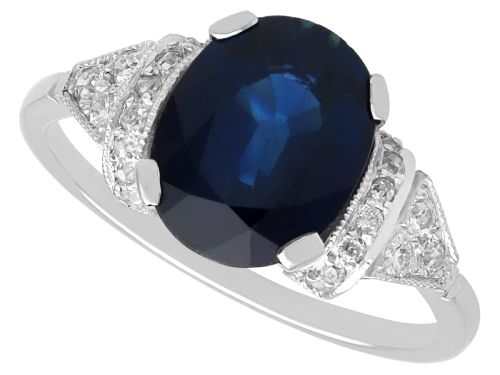
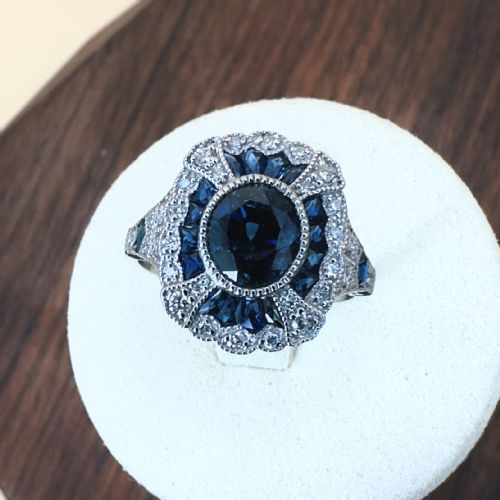
A milgrain sapphire cluster ring centres on a sapphire surrounded by diamonds, forming a distinctive floral or geometric shape. These pieces span several decades, including Edwardian examples, 1920s creations, and pieces from the 1930s, 1950s, and 1960s.
The assortment relies heavily on Art Deco and Art Deco Revival aesthetics, presenting both traditional cluster formations and target ring designs. Stones range from deep natural blue sapphires to pink varieties and cabochon cuts.
Origins stretch across French workshops and other European centres, providing buyers with varied expressions of a classic design template. Platinum and 18-carat white gold settings dominate the selections, offering crisp metallic frames for the gemstones.
How they were made
Goldsmiths utilised platinum and 18-carat white gold to construct secure, durable mountings that could support intricate stone arrangements. These precious metals allowed for delicate claw settings and fine channel work around the outer edges.
The characteristic beaded edge known as milgrain was carefully hand-rolled onto the metal borders using specialised small wheels. This technique softened the metallic profiles and added a refined texture that framed the central sapphire and surrounding old cut, rose cut, or baguette diamonds.
Baguette diamonds tucked beside sapphires give rings an architectural silhouette that looks ready to scale a skyscraper.
What varies in quality
The calibre of workmanship rests in the precision of the milgrain beadwork and the symmetry of the stone clustering. Superior pieces exhibit uniform metal texture and secure stone positioning that withstands daily handling.
Gemstone selection dictates the upper tier of the range, marked by sapphires with intense natural colour saturation and diamonds displaying clean cut proportions. The integration of rarer cuts, such as cabochon sapphires or baguette diamonds, elevates the complexity of the piece.
The Milgrain Sapphire Cluster Ring Glossary
- Milgrain
- A decorative border of tiny raised metal beads running along the edges of a setting. This technique was widely utilised during the Edwardian and Art Deco periods to create a soft, finished appearance.
- Cluster ring
- A ring featuring a prominent central gemstone encircled by a group of smaller stones, typically diamonds. This arrangement maximises overall visual impact and sparkle.
- Cabochon
- A gemstone shaped and polished with a smooth, rounded convex surface rather than faceted. This style highlights the natural colour and depth of the sapphire rather than its refractive brilliance.
- Target ring
- A specific concentric cluster design where contrasting colour bands circle the central stone, resembling an archery target. It is strongly associated with Art Deco jewellery design.
- Old cut
- A traditional diamond cutting style characterised by a smaller table, higher crown, and open culet. These stones were shaped by hand before modern symmetrical standards were established.
Milgrain Sapphire Cluster Ring: Frequently Asked Questions
Are these rings suitable for daily wear?
Most of these rings use platinum or 18-carat white gold, which provides durable mounting for everyday use. Regular inspection by a jeweller helps ensure the tiny settings remain secure.
Sapphires possess strong hardness ratings, making them resilient against normal daily impacts. However, removing the ring during heavy physical tasks prevents unnecessary wear on the delicate milgrain edges.
How do I identify an Art Deco piece?
Art Deco pieces generally feature geometric symmetry, sharp lines, and strong contrasts between white metals and dark sapphires. Target layouts and baguette diamond accents frequently appear in this design vocabulary.
Examining the metalwork reveals whether the piece belongs to the 1920s and 1930s or later revival periods. Hand-applied milgrain and older diamond cuts offer additional clues to the original era of manufacture.
What is the difference between pink and blue sapphires here?
Natural blue sapphires provide the traditional deep tone seen in the majority of vintage cluster rings. Pink sapphires offer a softer, distinct pastel or vivid alternative favoured in specific decorative variations.
Both varieties share the same mineral composition and durability. The choice between them depends entirely on personal aesthetic preference for colour.
How should I clean my sapphire ring?
Warm water with mild soap and a soft-bristled brush safely removes everyday oils and debris from the stone settings. Avoid harsh chemical cleaners that might affect the integrity of the metal.
Professional ultrasonic cleaning should be approached with caution, as older settings can loosen over time. Periodic checks by a specialist ensure the diamonds and sapphires stay firmly anchored.