
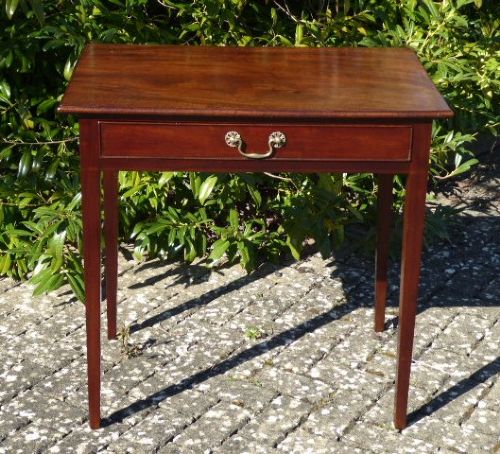
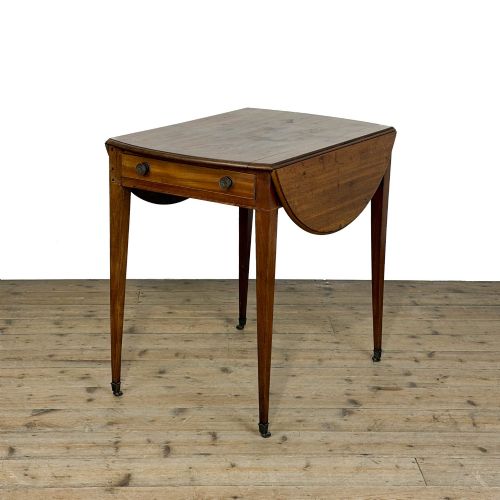
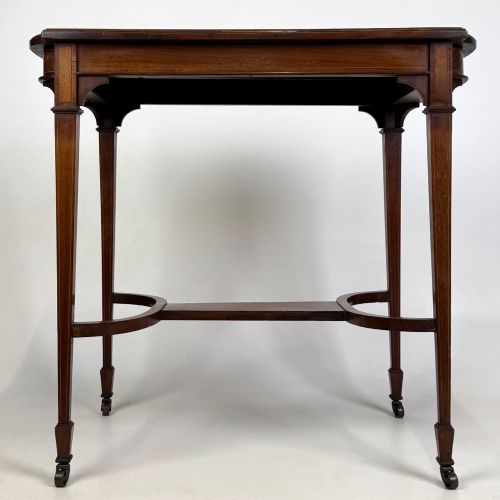
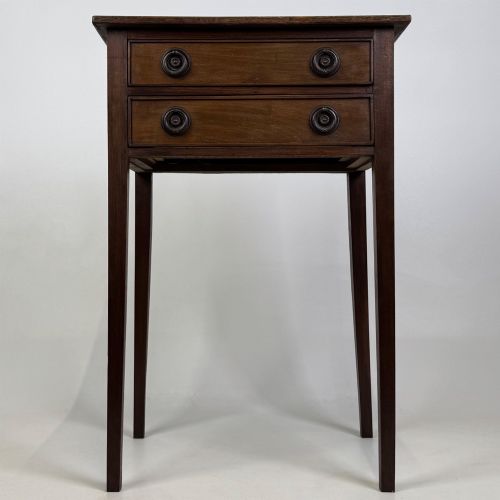
Tapered Leg Occasional Table
A tapered leg occasional table provides a neat surface with slender proportions, spanning Georgian through Edwardian periods.
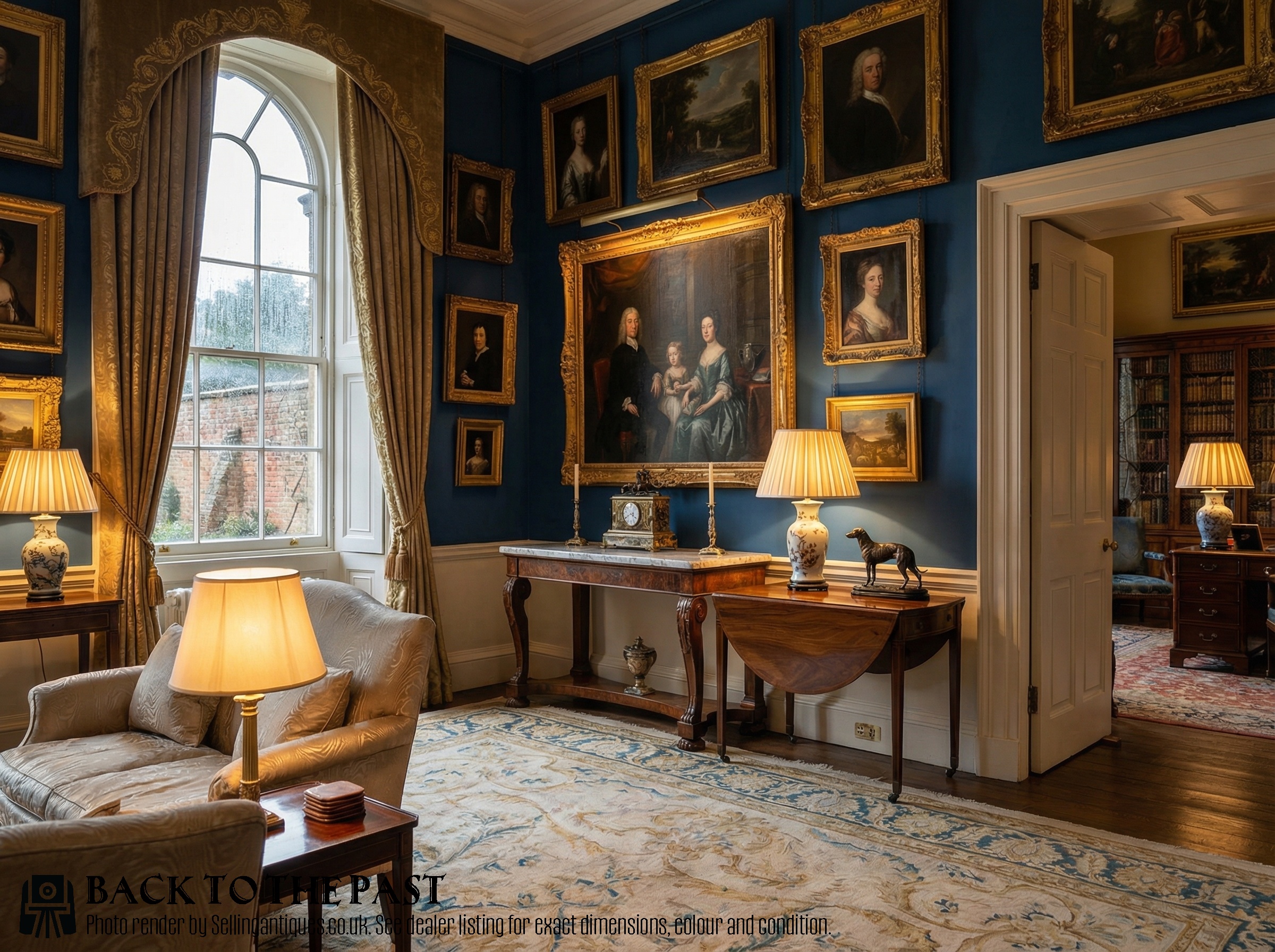
Tapered Leg Occasional Table
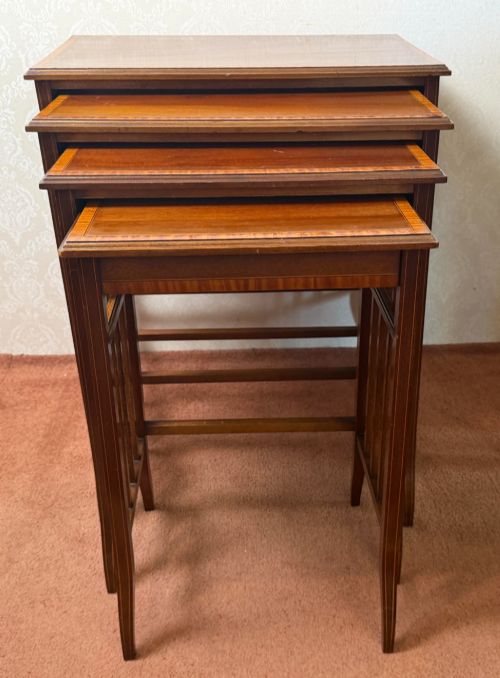
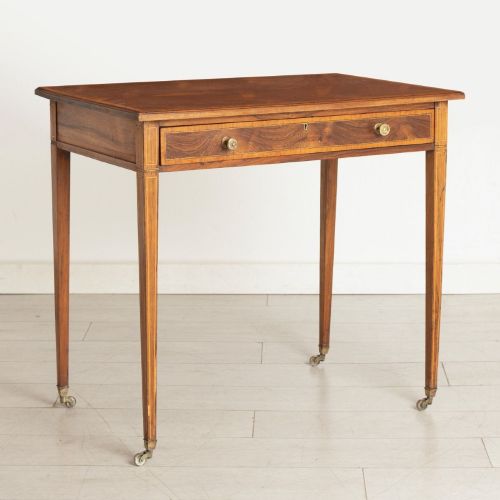
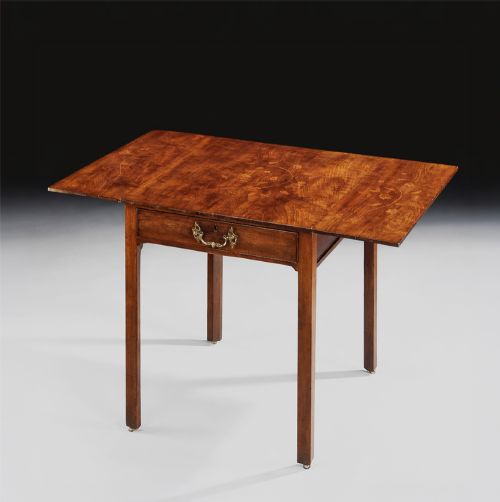
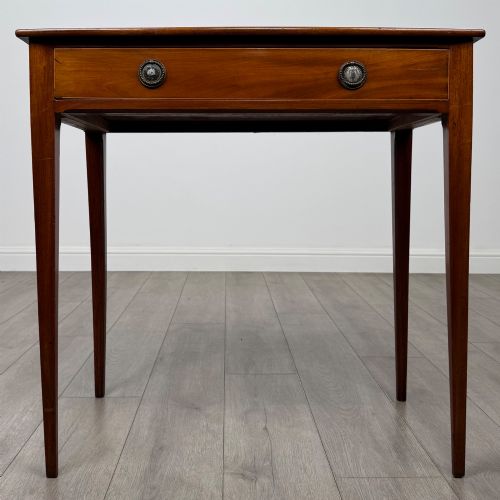
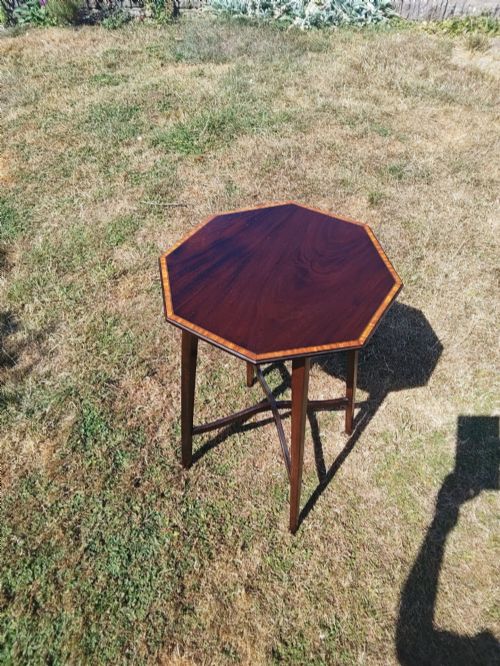
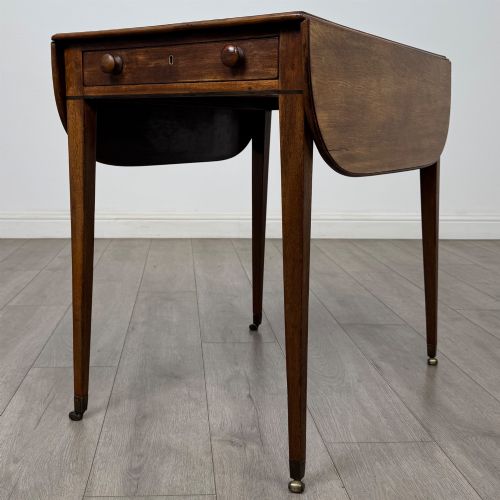
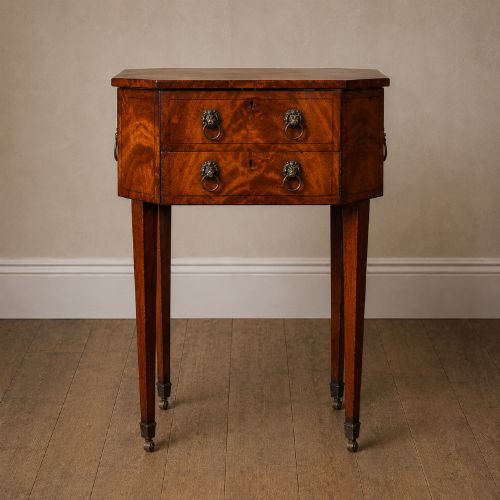
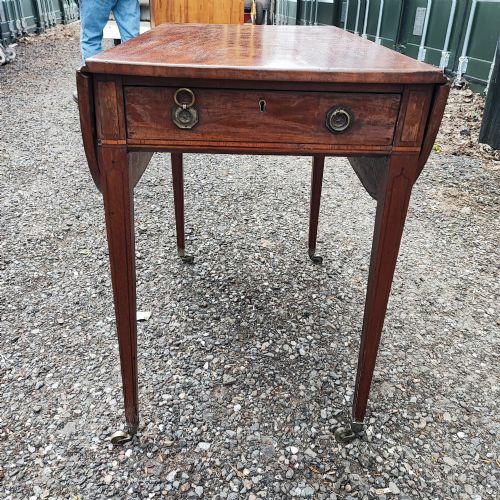
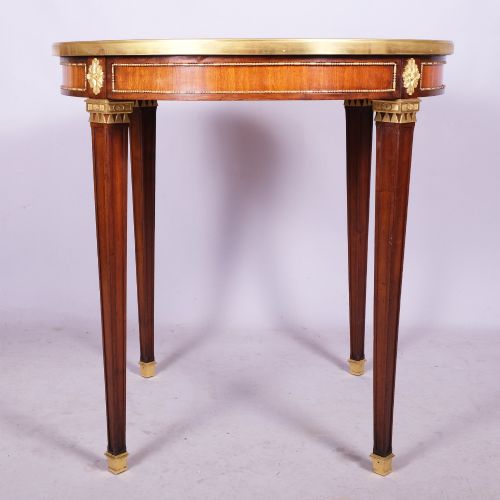
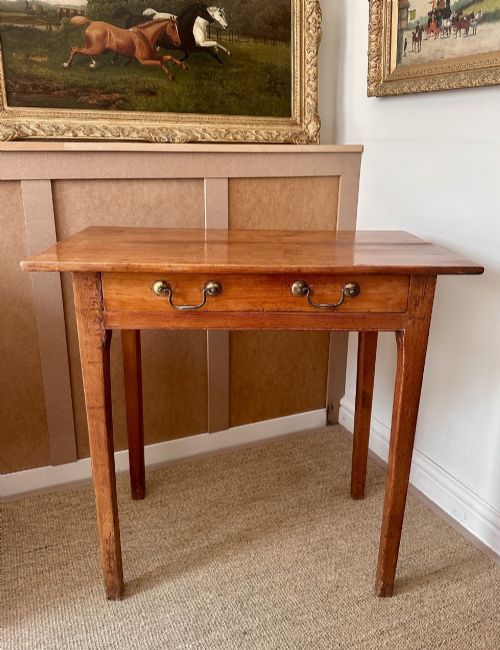
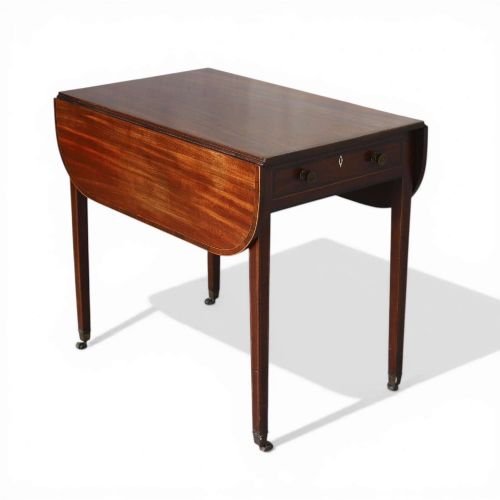
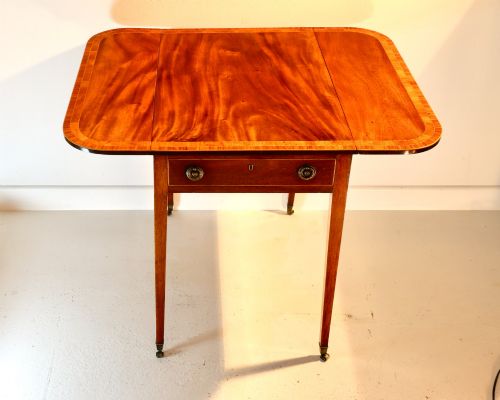
A tapered leg occasional table appears primarily in forms such as side tables, Pembroke tables, and small writing desks. These pieces originate across the 18th Century, Georgian period, 19th Century, and Edwardian era.
The domestic role of a tapered leg occasional table centres on providing movable surface space for lamps, books, or writing within a parlour or bedroom.
Mahogany dominates the selection, accompanied by satinwood, rosewood, and occasional examples in pine, oak, or harewood.
Materials and Construction
Cabinet makers utilised solid timbers and veneers of mahogany and satinwood, often supported by secondary woods for internal framing.
Surface decoration frequently incorporates boxwood inlay, stringing, and cross banding in contrasting timbers such as partridge wood.
Metal fittings appear in brass handles, details, and occasional marble tops bordered by raised galleries.
Tapered Leg Occasional Table Retail Price Guide 2026
Typical asking prices for tapered leg occasional table among the pieces listed under this phrase on Sellingantiques today, from the lower quarter to the upper quarter. They describe what is for sale here now, not the wider market.
Listings span the Georgian period, 18th Century, 19th Century, and Edwardian era, featuring mahogany, satinwood, rosewood, and marble.
Assessing Quality
The standard of timber selection and the precision of the inlay work dictate the visual distinction of the piece. Fine examples display carefully matched grain patterns and crisp boxwood stringing.
Structural integrity relies on the joinery of the frame and the straightness of the slender supports. Subtleties in proportion and original hardware separate standard production from superior craftsmanship.
The Tapered Leg Occasional Table Glossary
- Pembroke table
- A small drop-leaf table with hinged flaps on either side, popular from the Georgian period onward for versatile placement.
- Cross banding
- A strip of veneer applied to the border of a tabletop with the grain running perpendicular to the centre panel.
- Bouillotte table
- A small circular card or occasional table, typically featuring a marble top surrounded by a raised brass gallery.
- Stringing
- A narrow inlay of contrasting wood used in fine lines to outline the edges of drawers or tops.
- Guéridon
- A small French occasional table supported by a central column or slender legs, often topped with marble.
Tapered Leg Occasional Table: Frequently Asked Questions
What is a tapered leg occasional table used for?
These tables served various domestic functions in the Georgian and Edwardian home, acting as writing desks, bedside stands, or surfaces for lamps and small objects.
Their compact dimensions allowed them to be moved easily between rooms as household needs required.
How do I identify a Georgian table?
Georgian pieces typically display solid mahogany construction, hand-cut dovetails in the drawers, and restrained use of boxwood inlay or stringing.
The proportions remain functional and understated, reflecting the cabinet-making standards of the 18th Century and early 1800s.
What is satinwood cross banding?
Cross banding involves framing a primary timber top with a border of contrasting satinwood veneer, where the wood grain runs across the strip rather than along it.
This technique creates a decorative border that highlights the geometric shape of the table.
Are marble top tables French?
Many circular marble-topped examples with brass details originate from France, often referred to as bouillotte or guéridon tables.
They combine timber frames with inset marble slabs and protective metal galleries designed to keep items from sliding off.
How should I care for an antique mahogany table?
Keep the wood away from direct heat sources and strong sunlight to prevent the mahogany or satinwood veneers from drying out and cracking.
Regular application of traditional wax helps nourish the timber and preserve the patina built up over the centuries.