


Tan Leather Sofa
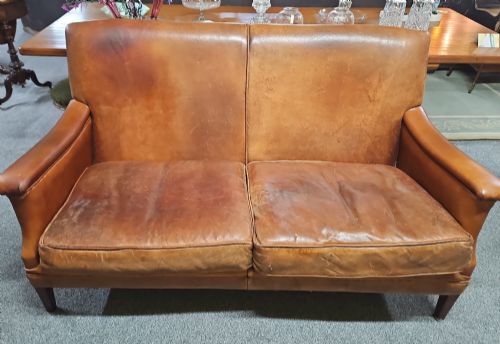
A tan leather sofa brings warmth and enduring comfort to a room, grounding the space with rich hides developed over decades.
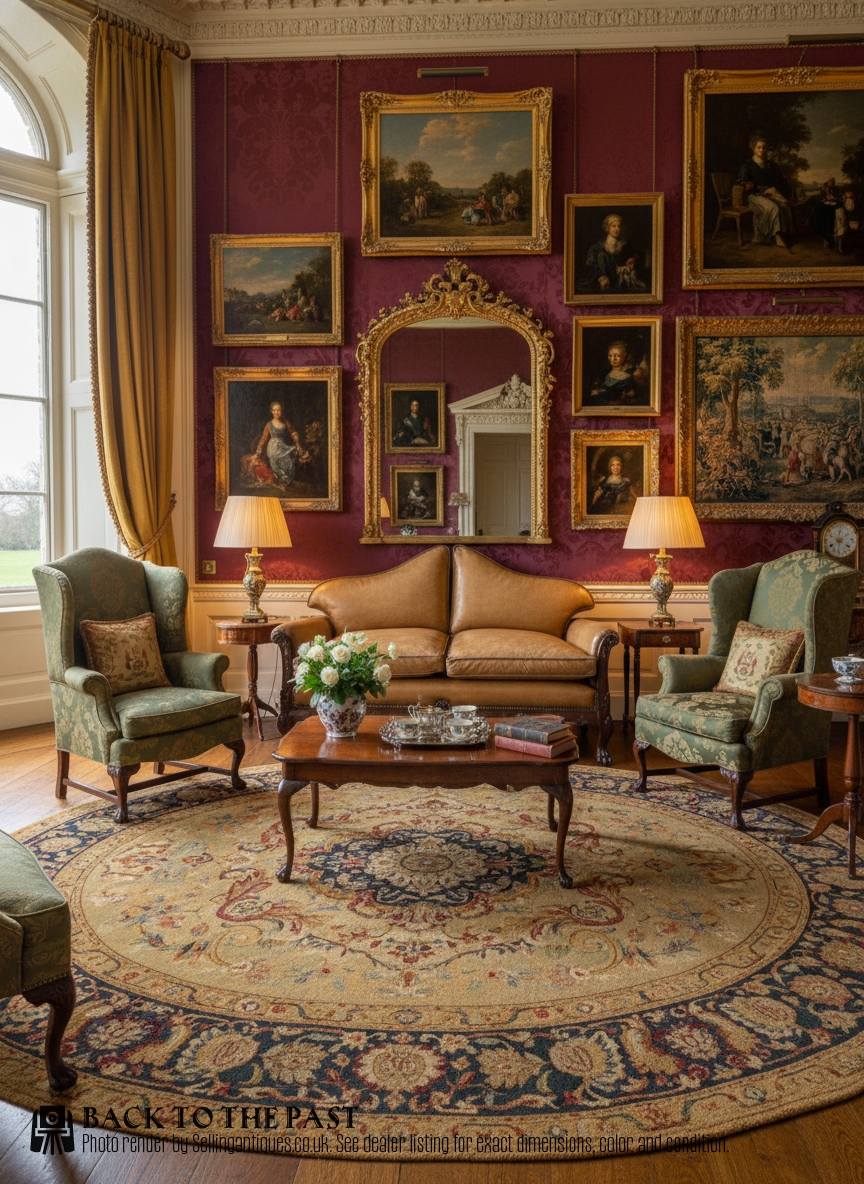
Tan Leather Sofa
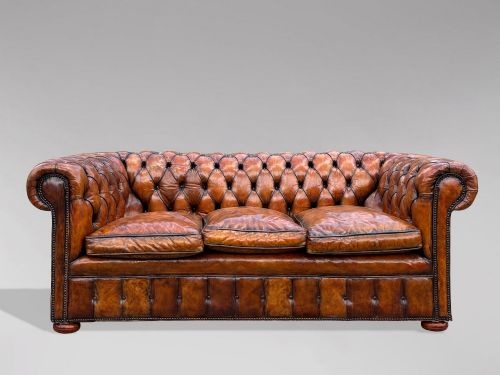
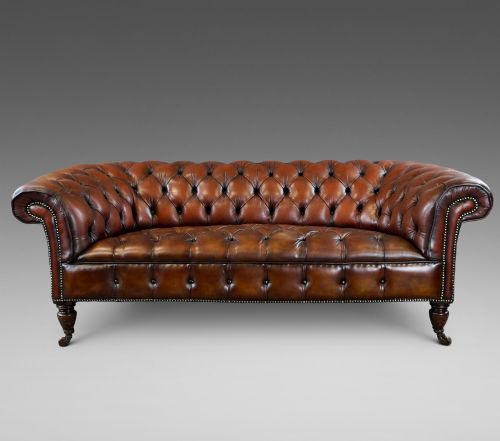
When searching for a tan leather sofa, buyers encounter a lineage stretching from the nineteenth century into the early decades of the twentieth. The most common version met on this page is the traditional Chesterfield, defined by deep buttoning and rolled arms that span Victorian, Edwardian, and later periods.
Beyond standard settees, the listings encompass related seating types including modular suites, drop-arm chaise lounges, and club chairs. These pieces originate from diverse aesthetic movements, ranging from Regency carved frames to Art Deco and Moroccan designs.
Materials and construction methods
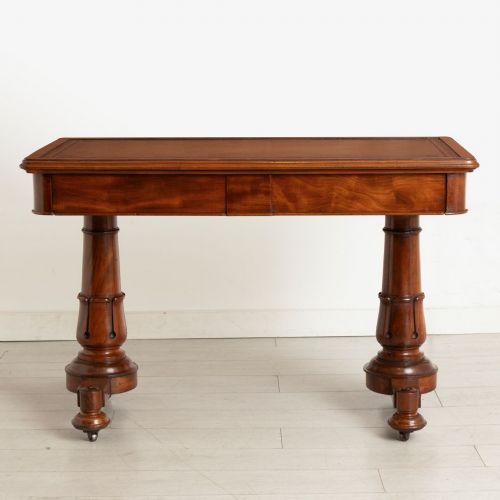
Makers built the structural carcases of these pieces using sturdy timbers such as mahogany, walnut, and general hardwood, often shaping show frames with detailed carvings. Metal and brass elements appear in castors, studs, and specialised library table mounts.
Internal upholstery relied on traditional fillings like horsehair paired with coil springing to ensure resilience. Hides were worked by hand, receiving deep buttoning and subsequent hand-dying processes that produced characteristic whisky and brown tones.
Tan Leather Sofa Retail Price Guide 2026
Typical asking prices for tan leather sofa among the pieces listed under this phrase on Sellingantiques today, from the lower quarter to the upper quarter. They describe what is for sale here now, not the wider market.
Snooker halls and gentlemen's clubs once commissioned extra-long benches specifically designed to accommodate resting cues alongside weary patrons.
Distinctions in craftsmanship and hide
The finest examples reveal themselves through the integrity of the wooden framework and the depth of the carved details, where hand-carved floral motifs or herms display superior artisan skill. Mass-produced or simpler frames lack this level of sculptural attention.
Leather quality dictates the tactile appeal, separating patinated hides that retain natural suppleness from surfaces that feel uniform or overly treated. The retention of original stuffing, such as genuine horsehair, further elevates an individual piece above later replacements.
Howard And Sons
The Tan Leather Sofa Glossary
- Chesterfield
- A traditional style of sofa characterised by rolled arms and a back of the same height, typically featuring deep button tufting. This form remains a staple of antique seating.
- Show frame
- A visible wooden framework surrounding the upholstered portions of a seat, often carved in walnut or mahogany. It allows the craftsmanship of the timber structure to be seen alongside the leather.
- Drop arm
- A moveable armrest mechanism that can be lowered to transform a sofa into a daybed or chaise lounge. This design offers flexibility in domestic seating.
- Horsehair fill
- A traditional padding material harvested from equine manes and tails, utilised for its springiness and durability. It provides firm support within antique upholstery layers.
- Deep buttoned
- An upholstery technique where buttons are pulled tight through the padding to create a diamond pattern of folds and depressions. This secures the internal stuffing while adding texture.
Tan Leather Sofa: Frequently Asked Questions
What makes a chesterfield antique?
An antique chesterfield derives its status from period construction methods, traditional frame timbers, and historical upholstery materials like horsehair rather than modern synthetic foams.
Age is determined through the joinery techniques, the wear patterns on the hide, and stylistic markers specific to nineteenth or early twentieth-century workshops.
How should I care for antique leather?
Antique leather benefits from regular dusting and occasional applications of appropriate nourishing balms to maintain flexibility in the aged hide.
Keeping the piece away from direct sunlight and heat sources prevents the natural material from drying out and cracking over time.
Are these sofas comfortable for daily use?
Many period sofas offer exceptional daily comfort due to hand-tied coil springing and supportive traditional stuffing materials that mould to the body.
Their ergonomic qualities often match or exceed modern alternatives, provided the internal webbing and springs remain structurally sound.
How do I identify a Victorian sofa?
Victorian pieces frequently feature heavier wood framing, deep button tufting, and lower profiles designed for formal nineteenth-century entertaining.
Look for characteristics like walnut or mahogany show frames and hand-dyed brown leather finishes that display authentic patination.