





Tallcase Clock Inlay
Tallcase clock inlay turns a functional timekeeper into a striking architectural centrepiece through contrasting woods and delicate decorative motifs.
Tallcase Clock Inlay
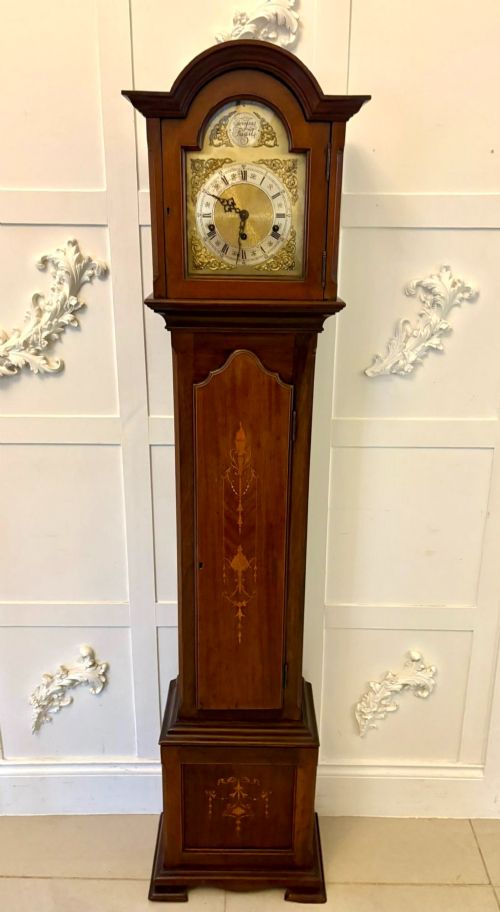
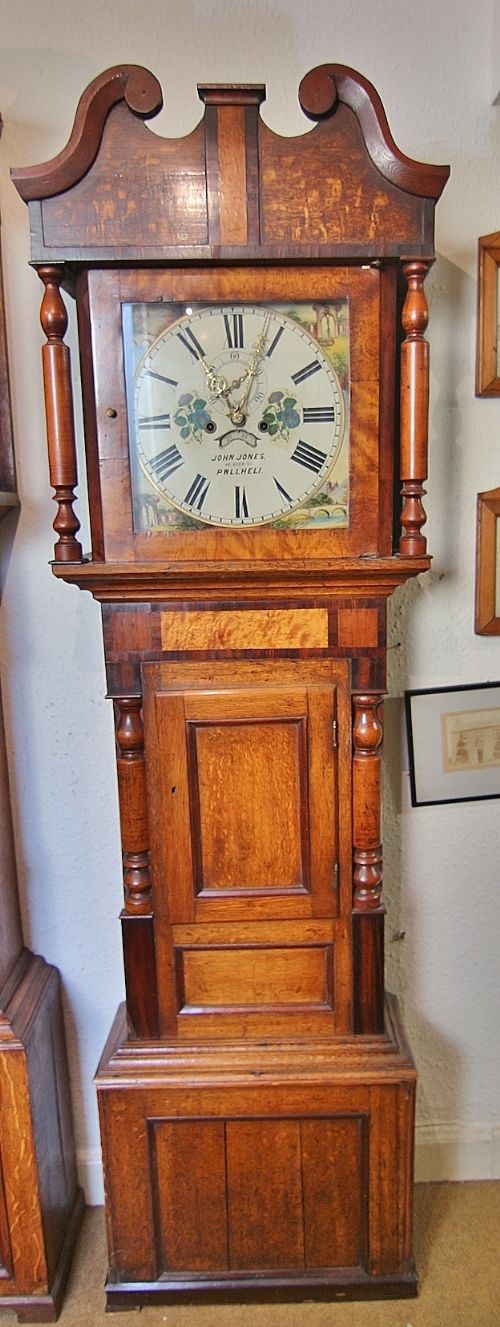
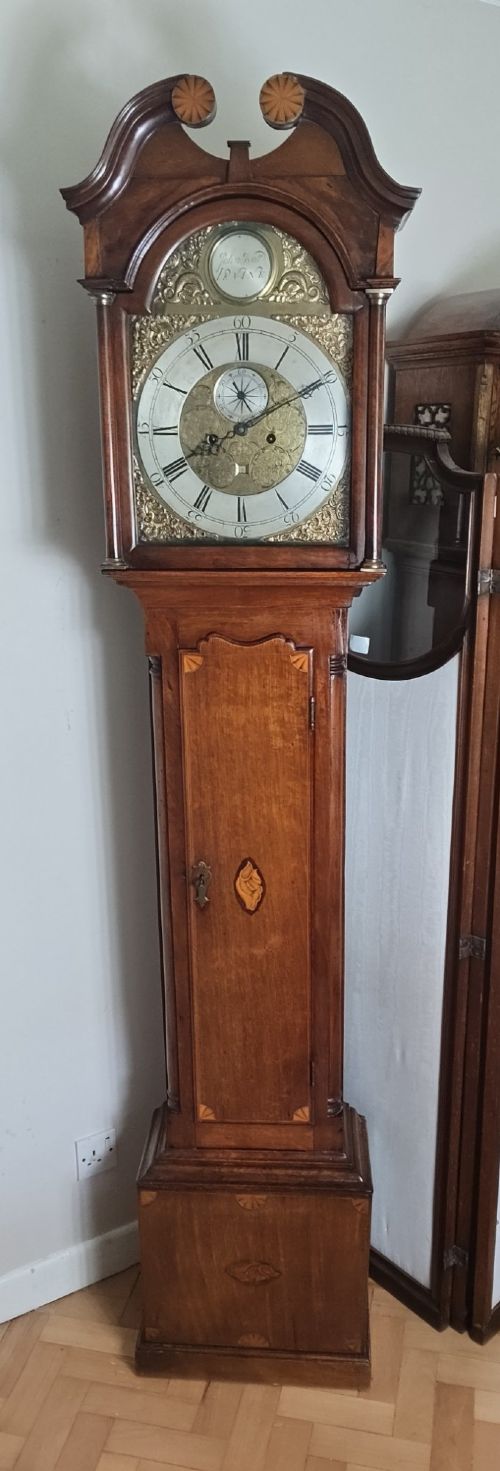
When you search for tallcase clock inlay, you encounter tall wooden uprights designed to house precision timekeeping movements and weights. These pieces appear predominantly in forms from the eighteenth and nineteenth centuries, alongside Edwardian revivals.
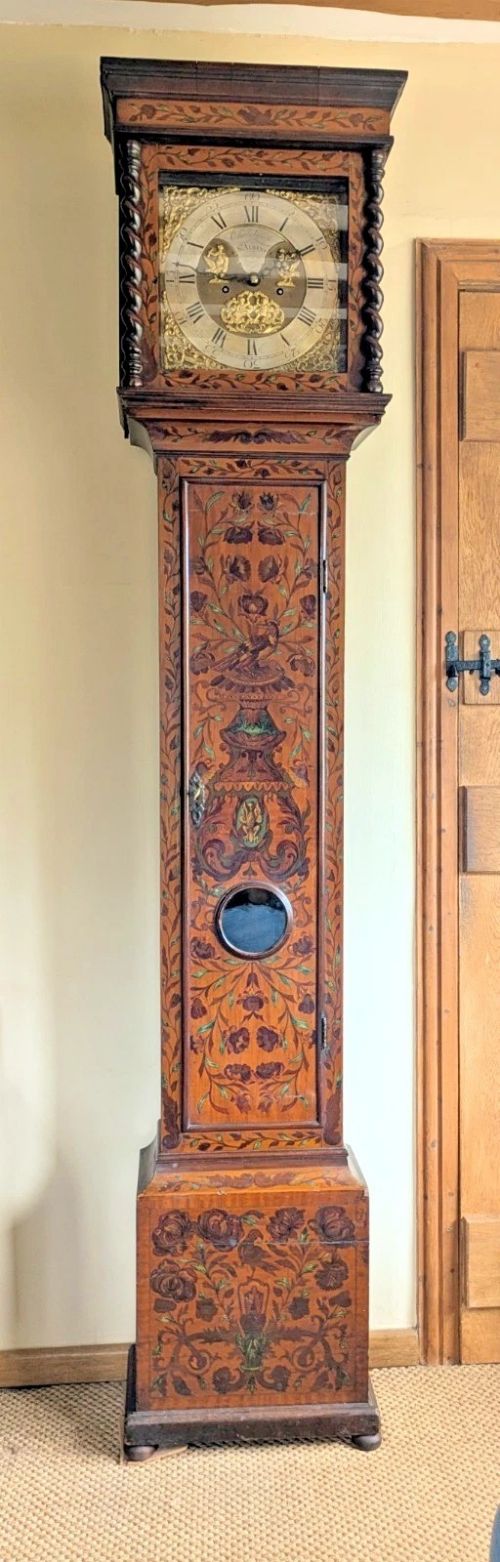
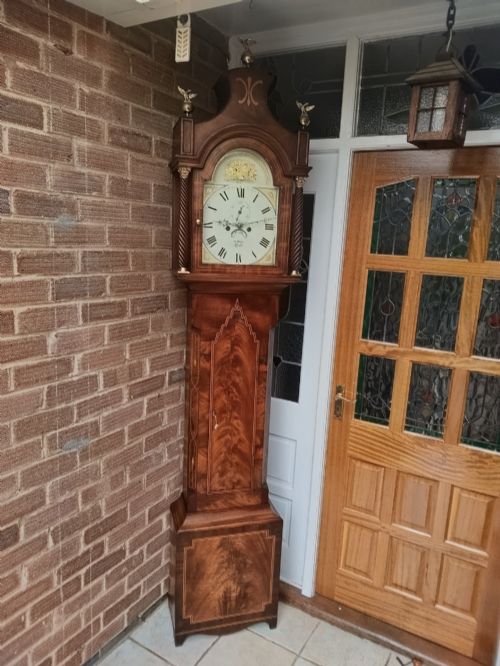
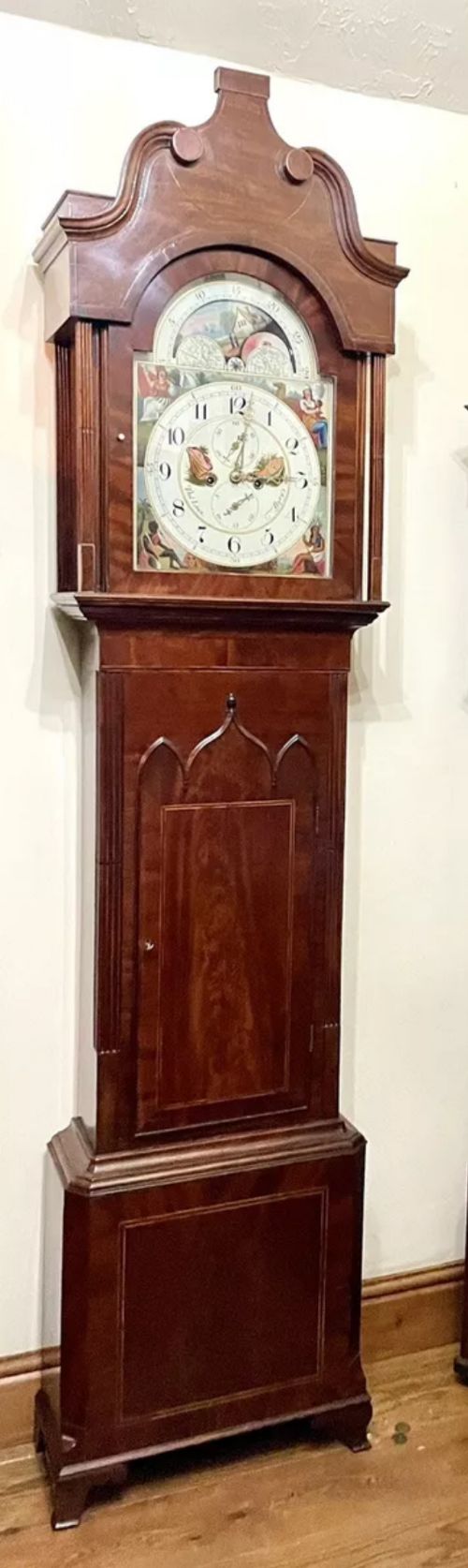
Mahogany and oak provide the primary structural carcasses for these examples, embellished with contrasting stringing, paterae, and elaborate marquetry scenes. You find both local provincial English or Scottish makers and sophisticated London cabinetmakers represented across the selection.
The regional variations display distinct local character, from Welsh arched dials to Channel Island and northern English signed movements. Grandfather and grandmother clock variants offer tall and more compact proportions respectively, suiting different ceiling heights.
Materials and Technique
Cabinetmakers constructed the tall cases using solid timbers like oak and mahogany, often applying richly figured flame mahogany veneers to the main doors and bases. Walnut and kingwood also appear in earlier or continental examples, offering darker tones and intricate grain patterns.
Inlay work relied on cutting contrasting woods such as satinwood and boxwood into precise recesses carved into the primary wood surface. Brass dials, painted iron faces with moon phases, and steel hands completed the mechanical presentation within the glazed trunk doors.
Tallcase Clock Inlay Retail Price Guide 2026
Typical asking prices for tallcase clock inlay among the pieces listed under this phrase on Sellingantiques today, from the lower quarter to the upper quarter. They describe what is for sale here now, not the wider market.
Listings span periods from the 17th century through the Edwardian era, featuring oak, walnut, and mahogany carcases with extensive satinwood inlay.
Judging Quality and Execution
The refinement of the marquetry and the crispness of the contrasting inlay separate standard examples from exceptional pieces. Superior makers integrated geometric stringing, shell paterae, and floral motifs that sit completely flush with the surrounding veneer.
The architectural harmony of the hood, trunk, and base dictates visual success, alongside the complexity of the dial movement. Pieces housing eight-day movements with moon phases or musical capabilities reflect higher initial expenditure and superior workshop capability.
Charles Louch St. Albans·David Morice of Auchtermuchty·Benjamin Peers Chester·William Moon London·Edward Glase of Bridgnorth·Henry Massy of London·Richard Baker London
The Tallcase Clock Inlay Glossary
- Marquetry
- Decorative veneer work formed by fitting together small pieces of different coloured wood to create pictorial designs. This technique frequently covers the entire front panel of high-end eighteenth-century examples.
- Paterae
- Small, round or oval decorative ornaments carved or inlaid with radial patterns resembling flower petals. They typically accent the corners of the trunk door or the hood.
- Moon Phase
- A dial mechanism tracking the lunar cycle through a rotating disc behind a shaped aperture. This complication adds visual interest and mechanical sophistication to the clock face.
- Stringing
- Thin lines of contrasting wood inlay used to outline panels and doors on cabinet furniture. It provides subtle definition and frames the figured wood grain.
Tallcase Clock Inlay: Frequently Asked Questions
What is a longcase clock?
A longcase clock is a tall, free-standing timekeeper enclosed in a wooden case with a pendulum and hanging weights inside the trunk. These floor-standing pieces combine precision horology with fine cabinetry.
They generally stand between six and eight feet tall, featuring a protective hood over the dial and a long door providing access to the weights.
How do I wind an eight day clock?
An eight day clock requires winding approximately once a week using a specialised key inserted into small winding holes on the dial face. This action lifts the internal weights back up toward the top of the trunk.
Care must be taken not to overwind the movement, stopping as soon as firm resistance is felt against the key.
Where should I place a tallcase clock?
Tallcase clocks require a stable, level floor and a secure fixing to a solid wall through the back of the case to prevent tipping. Plumb alignment ensures the pendulum swings evenly and the movement keeps accurate time.
Positioning them away from direct sunlight and heavy foot traffic protects the polished wood surfaces and delicate veneer work.
How can I tell the period of a tallcase clock?
The period is indicated by a combination of the cabinet style, the type of inlay materials utilised, and the construction of the dial. Earlier pieces often feature square brass dials and walnut marquetry, while later Georgian and Regency examples favour arched painted faces and flame mahogany.
Signatures inscribed on the dial by recorded makers further narrow down the date of production.