
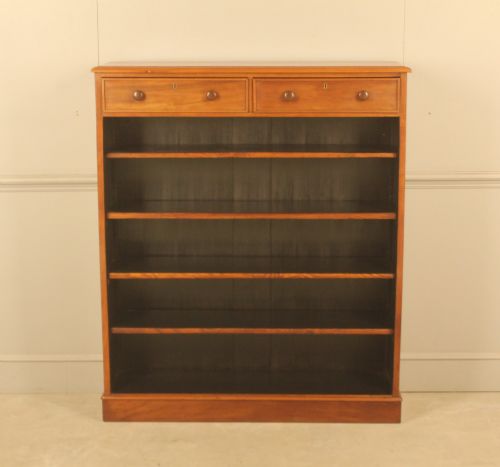


Tall Wooden Plinth
A tall wooden plinth elevates sculpture, lamps and urns, bringing height and presence to interiors through solid timbers and architectural forms.
Tall Wooden Plinth
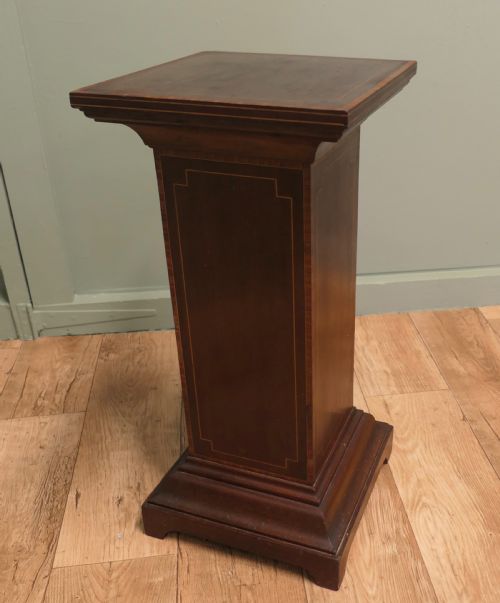
A tall wooden plinth serves as an elevated display stand for decorative objects, sculpture and lighting within a room. When searching for a tall wooden plinth, buyers encounter Victorian, Edwardian and Georgian examples designed to lift items into the line of sight.
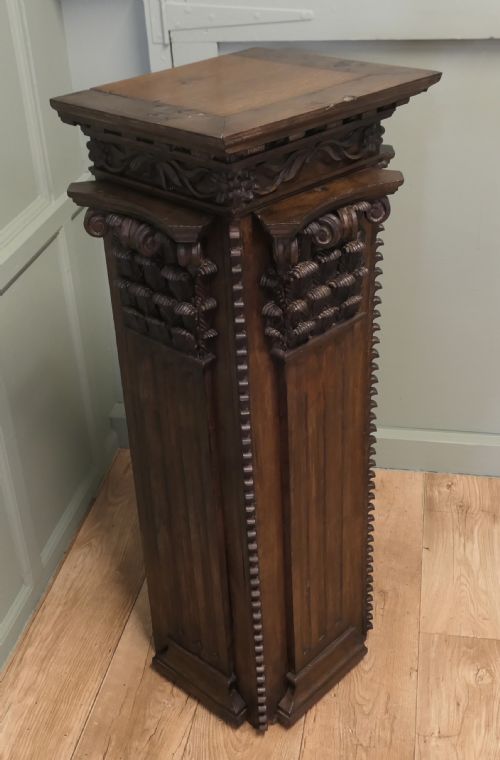
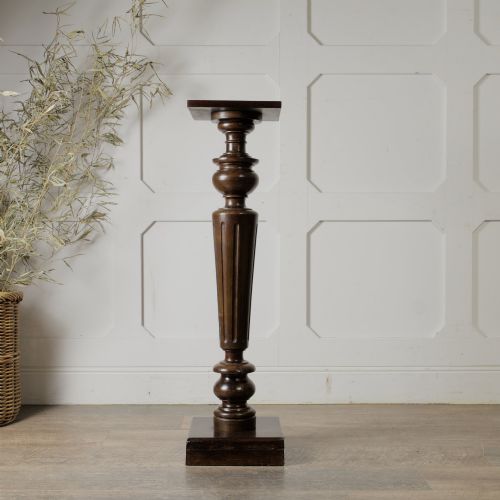
The selections on this page span several centuries and styles, featuring forms such as turned stands, carved columns and fluted pedestals. Mahogany, oak and painted wood dominate the pieces available, often drawing on revival movements like the French Renaissance and Chippendale.
Beyond dedicated pedestals, the category encompasses related architectural columns and display columns built for vertical impact. These furnishings function in hallways and corners where height adds architectural interest without occupying substantial floor area.
How they were made
Cabinet makers built these pieces using solid timbers like mahogany, oak and birch, frequently employing turning lathes to shape central columns. Joinery techniques varied from simple pegged construction to complex framing, ensuring stability for heavy objects placed on top.
Surface treatments range from clear polishes that highlight the natural grain of mahogany to ebonised finishes and painted wood surfaces with parcel gilding. Carving was often executed by hand, creating relief details on capitals, plinth bases and column shafts.
Several stands double as secret conversation starters by arriving with wonderfully eccentric ebonised finishes that make any potted fern look regal.
What varies in quality
Quality in a tall wooden plinth rests upon the selection of timber and the structural integrity of the column shaft. Solid mahogany and dense oak examples offer superior weight distribution and resistance to tipping compared to lighter woods.
The refinement of carved details and the execution of turned elements separate standard utility pieces from grander architectural items. Finishes that preserve the depth of the wood grain or retain original painted and gilded surfaces indicate higher craftsmanship.
The Tall Wooden Plinth Glossary
- Pedestal
- A structural support or base for a statue, urn or vase. It usually consists of a base, a vertical column and a flat top surface.
- Torchere
- A tall stand or ornamental candlestick designed to hold a light source. In furniture terms, it often refers to a slender display stand.
- Ebonised
- Wood finished with a dark stain or black lacquer to imitate ebony. This treatment was popular during the nineteenth century for formal display pieces.
- Fluted
- Decorated with parallel vertical grooves cut into the surface of a column or pillar. This classical detail adds visual texture and slenderness.
- Parcel Gilt
- Partially gilded with gold leaf or gold paint to highlight specific carved details. It contrasts with painted or polished wood surfaces.
Tall Wooden Plinth: Frequently Asked Questions
What goes on a tall wooden plinth?
Sculptures, large vases, table lamps and decorative urns sit naturally on top of these stands. The elevated surface draws the eye upward and displays individual objects away from standard table clutter.
Heavier items benefit from solid mahogany or oak bases that provide a stable centre of gravity. Lighter painted columns suit delicate porcelain or floral arrangements in corners and hallways.
How do I date a wooden pedestal?
Dating relies on observing the timber species, joinery methods and decorative revival styles present in the piece. Nineteenth-century examples often feature dense mahogany or ebonised finishes, while earlier Georgian items display restrained neoclassical carving.
Revival styles give clues through their interpretation of historical motifs like Chippendale fretwork or French Renaissance columns. Examining the underside and interior construction reveals the age of the fixings and timber preparation.
Where should I place a column stand?
Empty corners, entrance hallways and flanking points beside fireplaces or doorways provide ideal locations. These positions allow the vertical height of the column to command attention without blocking walkways.
Placing a stand against a plain wall lets the carved or turned silhouette stand out. Adequate clearance around the base ensures the piece remains stable and visible from multiple angles.
Are painted plinths original?
Many nineteenth-century and Edwardian stands received painted finishes or parcel gilding as part of their initial design. Neoclassical and Baroque revival pieces frequently used paint to mimic stone or to complement gilded decorative schemes.
Distinguishing original paint from later decoration involves checking the wear patterns and the wood preparation underneath. Surviving aged finishes often show craquelure and patina consistent with the age of the underlying timber.