
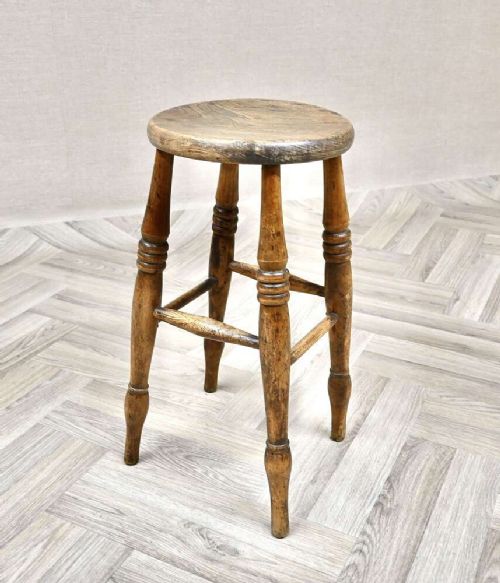
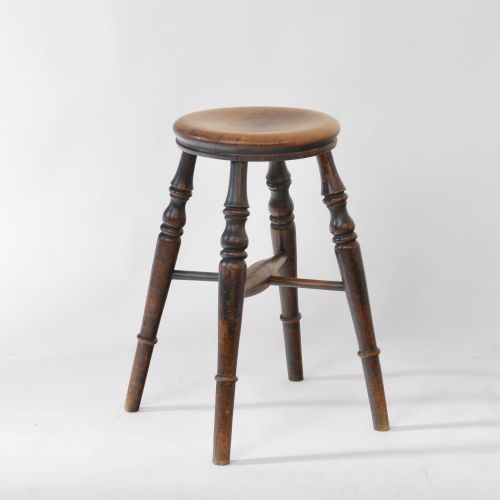
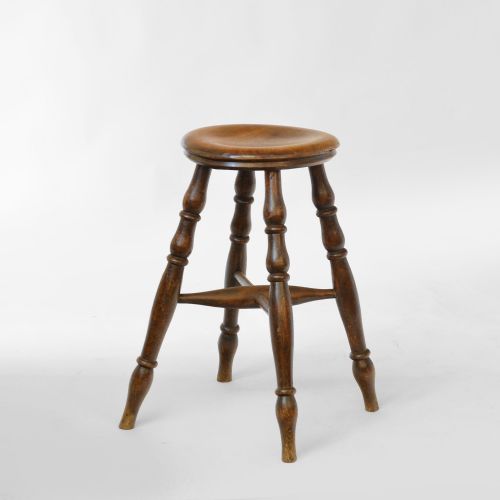
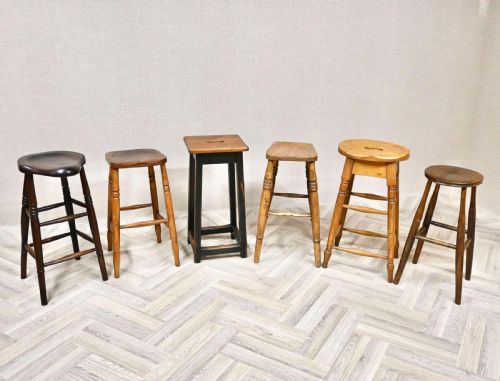
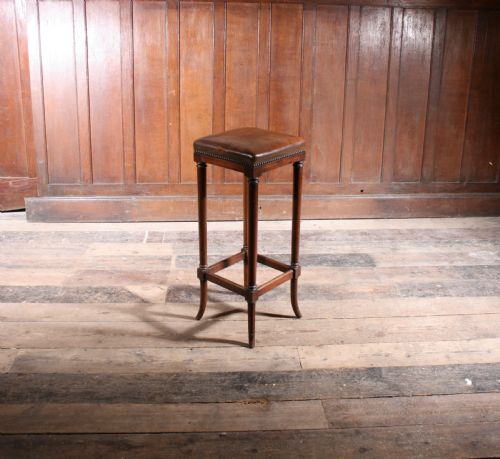


Tall Wooden Bar Stool
A tall wooden bar stool offers practical high seating, combining sturdy construction with historical character for domestic and commercial spaces.
Tall Wooden Bar Stool
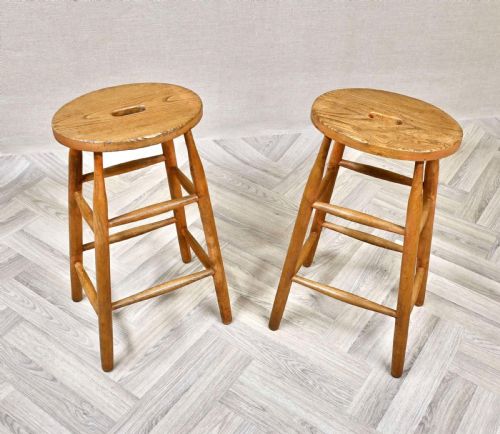
A tall wooden bar stool is a high seating form designed for counters, pubs, and workspaces. When searching for a tall wooden bar stool, buyers encounter nineteenth-century vernacular pieces alongside twentieth-century industrial examples.
The selection ranges from nineteenth-century clerk's stools and pub tavern stools to twentieth-century bentwood and kitchen stools. These objects serve utility in domestic kitchens and hospitality settings alike.
Most pieces date from the nineteenth century or the early decades of the twentieth century. Forms include rustic farmhouse designs, European bistro seating, and Victorian country variations.
How they were made
Construction relies on solid timbers including beech, elm, pine, oak, sycamore, mahogany, and birchwood. Turnery techniques shape the legs and stretchers of clerk's and pub stools, providing structural rigidity.
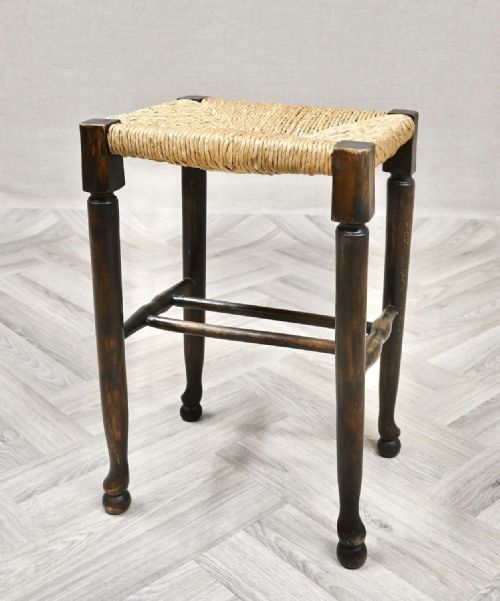
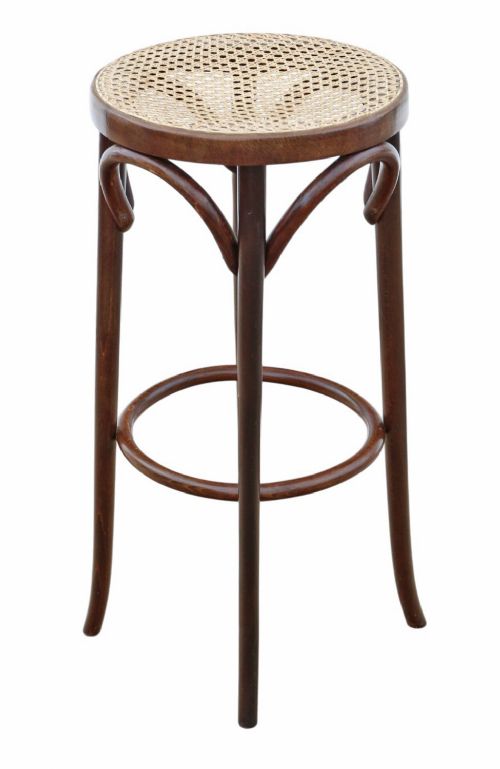
Seats are shaped from single timber planks or formed using bentwood methods. Some examples incorporate rush seating or leather upholstery to provide surface variation.
Pub patrons generations ago relied on these very stools to survey the room while nursing a pint.
What varies in quality
Quality separates through the selection of timber and the execution of the turnery. Dense hardwoods like elm and mahogany offer greater durability than softer pines.
Construction methods determine longevity, with traditional pegged joints and hand-turned components outperforming later mass-produced alternatives. The integrity of the wood grain and the patination acquired through use distinguish finer examples.
The Tall Wooden Bar Stool Glossary
- Clerk's stool
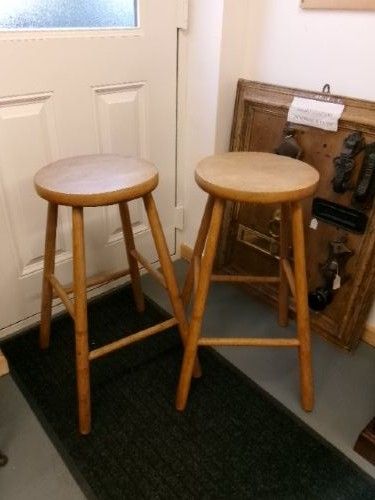
- A high-seated wooden stool traditionally used at a standing desk. These pieces often feature turned legs and circular wooden tops.
- Bentwood
- Wood softened by steam and bent into curved structural forms. This technique appears in twentieth-century examples.
- Vernacular
- Everyday objects made by local craftspeople for practical function rather than high-style design. Nineteenth-century examples often fall into this category.
- Rush seat
- Seating material woven from dried marsh plants. This technique provides a textured surface on specific stool types.
Tall Wooden Bar Stool: Frequently Asked Questions
Are tall wooden bar stools comfortable?
Comfort depends on the seat design, with shaped elm tops offering ergonomic support compared to flat wooden boards. Adding a footrest ring at the base aids posture during extended sitting.
Many historic examples were built for brief tasks in pubs or offices rather than lounging. Modern users often pair them with counter heights for kitchen dining.
How do I date a wooden stool?
Dating relies on timber types, tool marks, and construction methods visible beneath the seat. Nineteenth-century pieces typically show hand-turning and traditional joinery.
Twentieth-century examples often introduce machine-turned components or bentwood frames. Comparing the patination of the wood helps confirm age.
Can I use antique stools daily?
Solid hardwood construction makes nineteenth-century and vintage stools robust for regular use. Checking the stability of the leg joints ensures safe daily seating.
Routine maintenance involves keeping the timber conditioned and avoiding excessive moisture. Historic stools adapt well to modern kitchen islands and breakfast bars.
What is a tavern stool?
A tavern stool is a high-seated wooden piece designed for public houses and inns. These items feature sturdy turned legs and simple wooden tops built to withstand heavy commercial traffic.
Sycamore and beech are common timbers for these working pieces. Their utilitarian design prioritises stability over decoration.