




19th Century High Stools
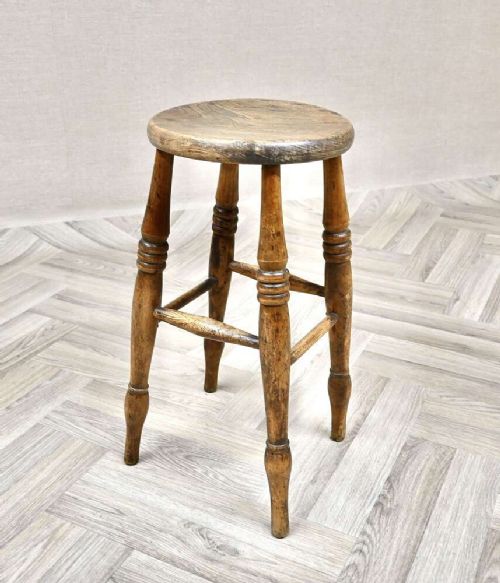
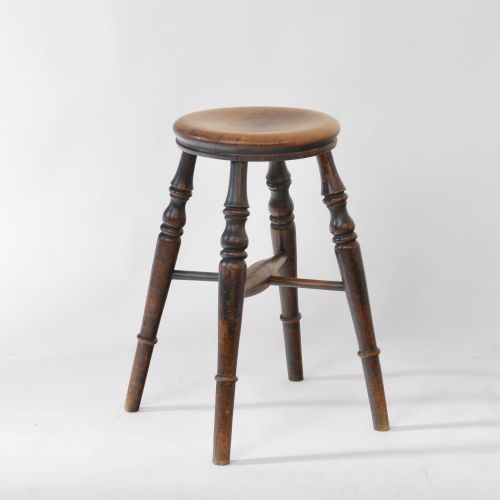
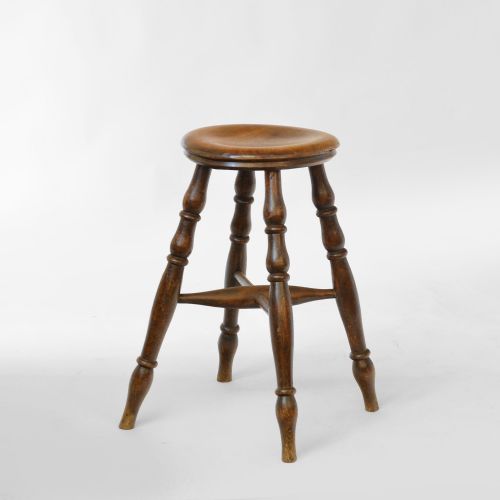
These 19th century high stools bring genuine utility and robust character to modern rooms, crafted for working environments like pubs, taverns and desks.
19th Century High Stools
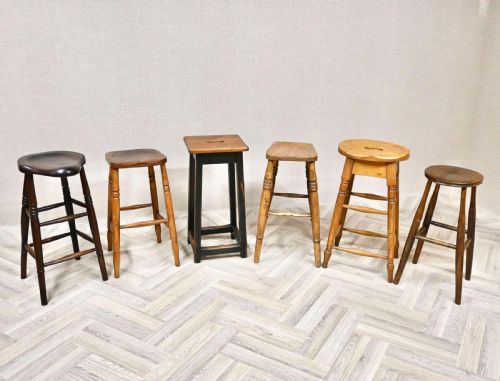
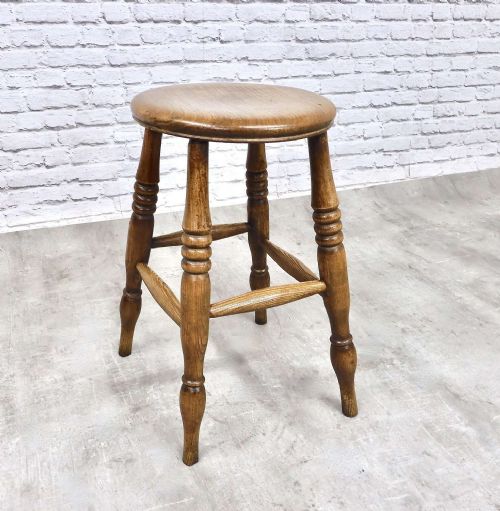
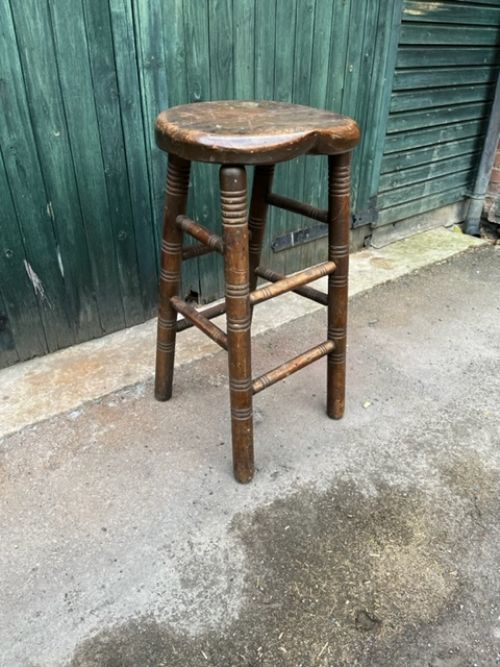
These pieces are tall seating forms built for commercial and clerical work, appearing as clerk's stools, pub stools and tavern seating across the nineteenth century. Buyers searching for 19th century high stools typically encounter practical vernacular pieces rather than formal parlour furniture.
The inventory on this page spans simple rustic farmhouse designs alongside refined Regency and Victorian examples. Common forms include tall elm stools, turned beech clerk's chairs and robust tavern seating intended for heavy daily use.
How they were made
Cabinetmakers and rural joiners utilised native timbers such as elm, sycamore, oak, beech and pine to construct these robust frames. Turned legs and sturdy stretchers provided essential stability for elevated seating.
Some finer examples incorporate mahogany or walnut framing, occasionally featuring upholstered seats in leather or fabric. Industrial variants integrated iron elements alongside traditional wooden components.
Listings feature woods including elm, sycamore, oak, beech, pine, mahogany and walnut across the 19th century.
What varies in quality
The distinction between ordinary utility items and superior examples lies in timber selection and turning detail. Nicely figured sycamore or wild elm seats display pleasing grain patterns developed through decades of honest use.
Structural integrity and original joinery elevate certain pieces above heavily repaired counterparts. Well-proportioned turnings on the legs and stretchers indicate conscientious rural craftsmanship.
The 19th Century High Stools Glossary
- Clerk's stool
- A tall seat designed for a standing desk or high counting house workspace, usually featuring turned legs and a circular wooden top.
- Vernacular
- Everyday objects made by regional craftsmen for local use rather than high-style metropolitan consumption. These pieces prioritise function over ornament.
- Stretcher
- The horizontal wooden rail connecting the legs of a stool or chair for added structural support. They often double as footrests on taller seating.
- Turned
- Shaped on a lathe to create cylindrical or decorative profiles on legs and spindles. This method was standard for strengthening tall frames.
19th Century High Stools: Frequently Asked Questions
Where were high stools used?
These tall seats served primarily in commercial and professional environments where workers stood or perched at elevated desks. Common settings included counting houses, legal offices, pubs and taverns.
Over time, many migrated into domestic spaces as practical seating for kitchens and breakfast bars, where their narrow footprint and height remain useful.
Are these stools comfortable for daily use?
Most nineteenth-century high stools were built for utility and posture during brief tasks rather than lounging. Wooden seats often feature a slight dished depression carved into the surface for basic comfort.
Some refined Regency or Victorian examples incorporate upholstered seats padded with horsehair or wool, offering a softer perch for longer sitting.
How do I care for antique wooden stools?
Maintain the timber by applying a traditional beeswax polish occasionally to nourish the dry wood and preserve the surface patina. Avoid placing them near direct heat sources or in damp rooms to prevent wood splitting.
Check the stretcher joints periodically to ensure the frame remains stable and secure under normal weight.