

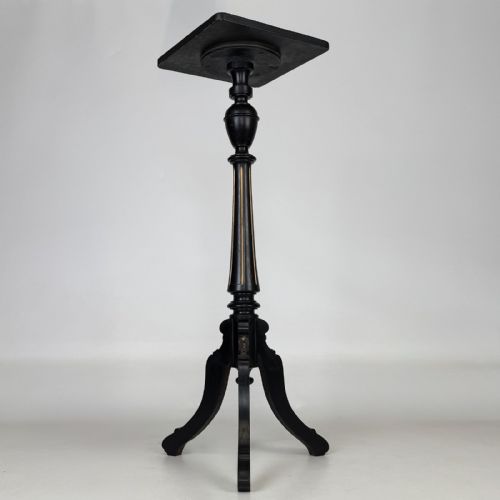
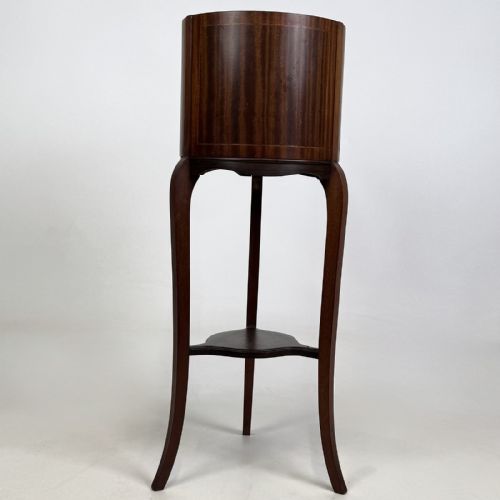

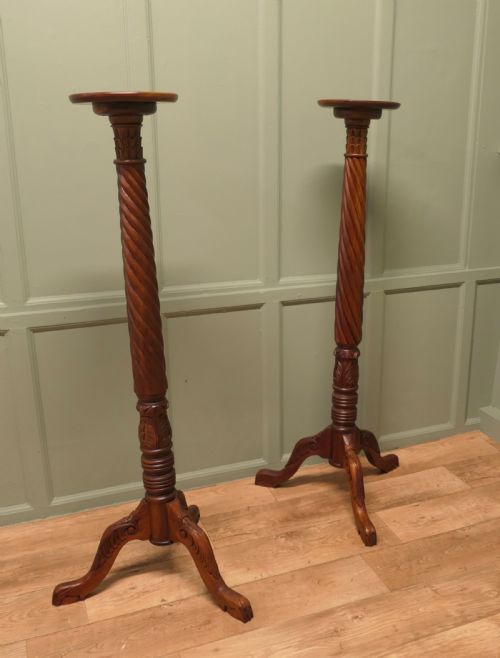
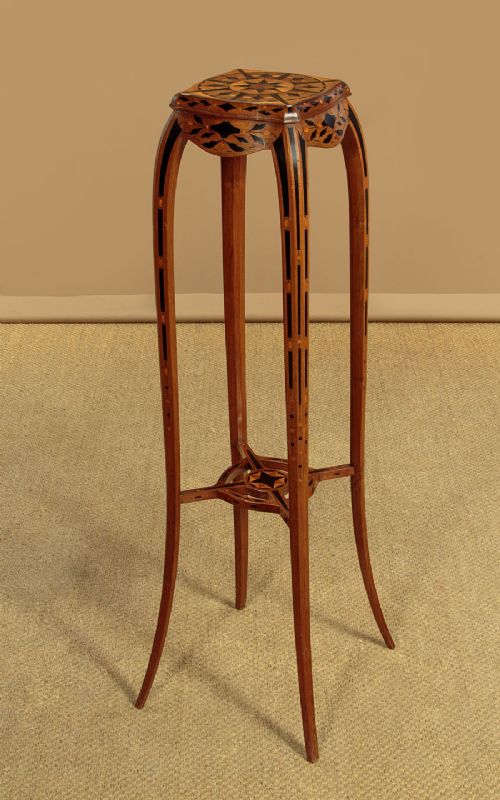
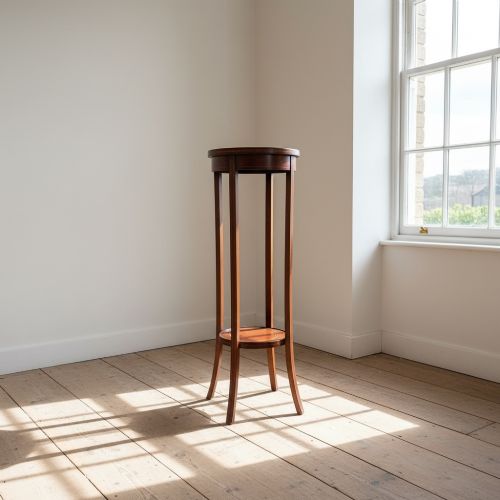
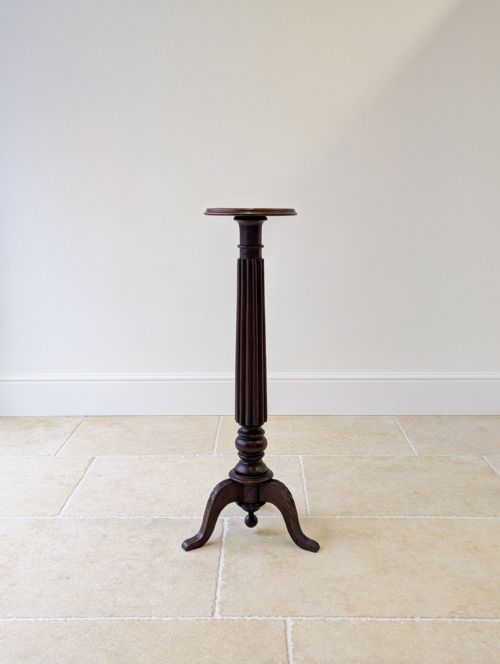
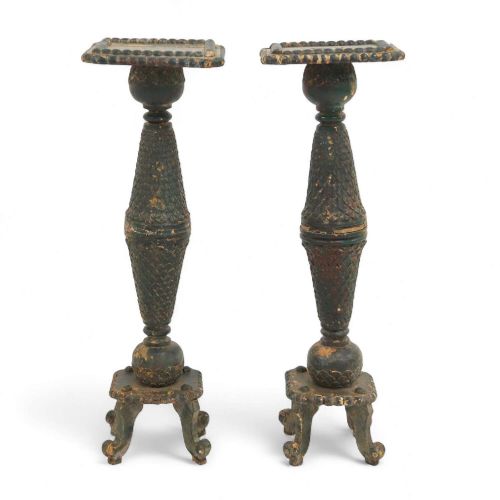
Tall Wood Pedestal Stand
These tall wood pedestal stand designs elevate plants, busts, and vases, bringing vertical height and period craft to empty corners.
Tall Wood Pedestal Stand
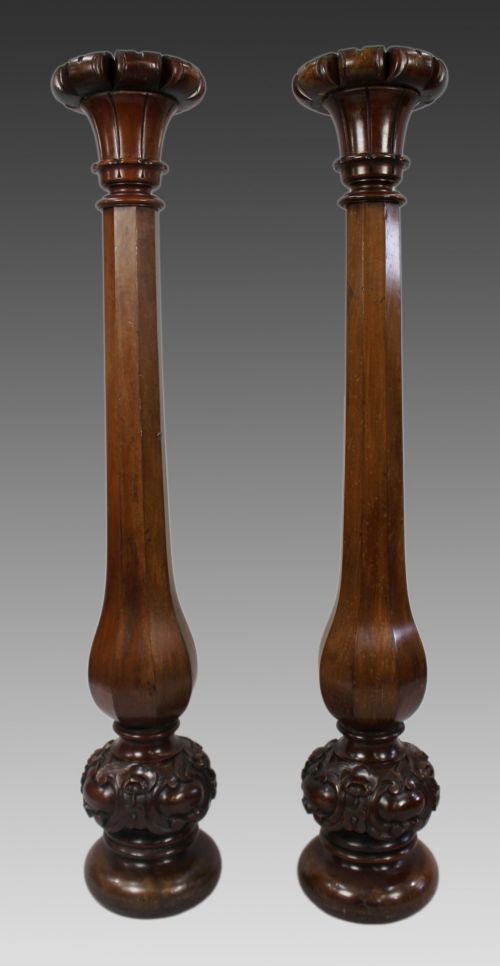
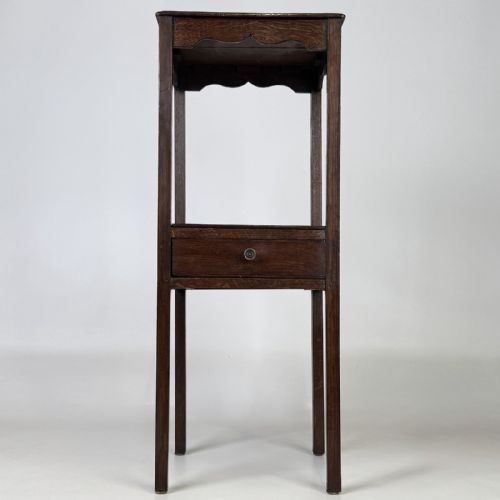
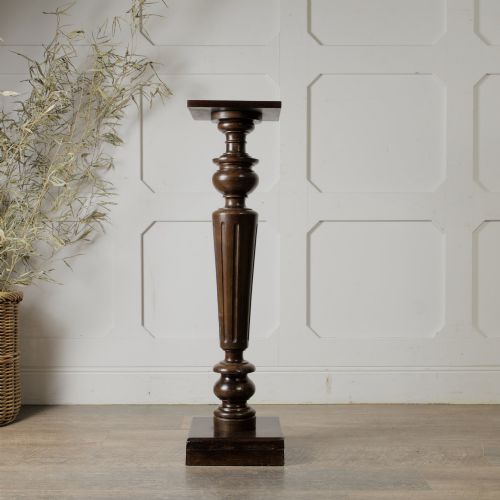
A tall wood pedestal stand serves multiple decorative purposes, appearing primarily as plant stands, torcheres, columns, and plinths across Victorian, Edwardian, and earlier periods. Buyers will most frequently encounter mahogany and hardwood examples dating from the nineteenth and early twentieth centuries.
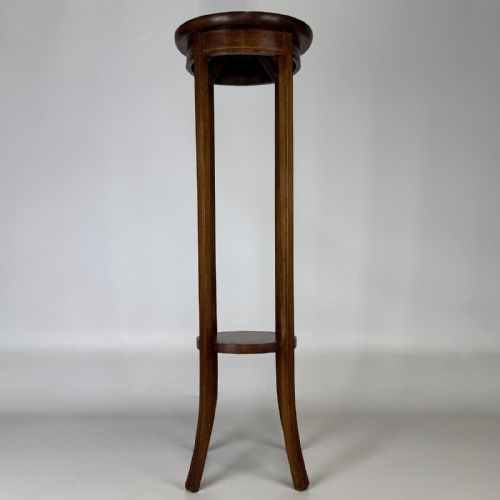
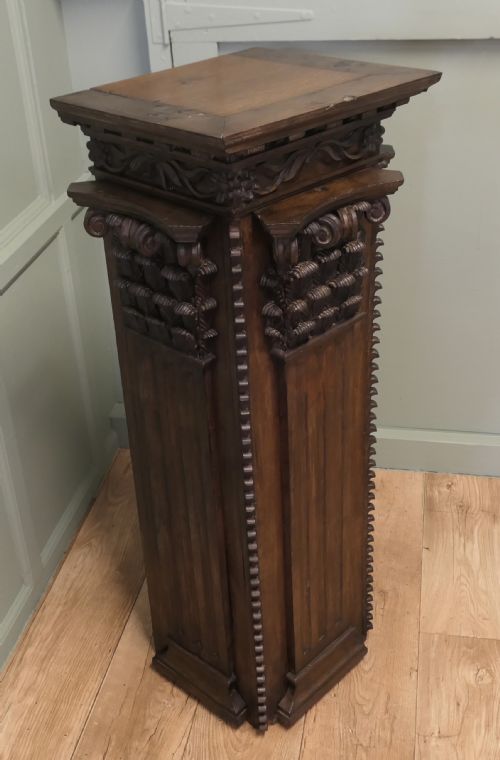
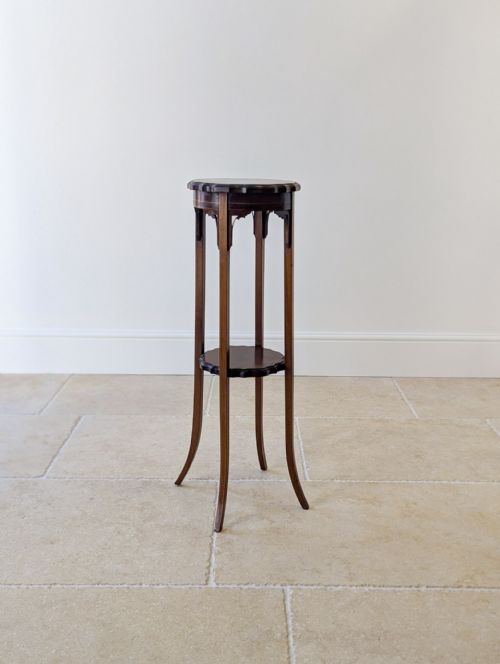
The inventory includes specialised forms such as Chinese export marble top vase stands, French carved oak display columns, and inlaid Edwardian jardiniere stands. These pieces function variously to display urns, sculptures, and botanical specimens within domestic interiors.
Materials and Technique
Cabinetmakers constructed these stands using solid timbers like mahogany, walnut, oak, and yew wood, often turning columns on a lathe or carving details by hand. Selected pieces incorporate contrasting materials, pairing wooden structures with inset marble tops or applying ebonised finishes and green paint.
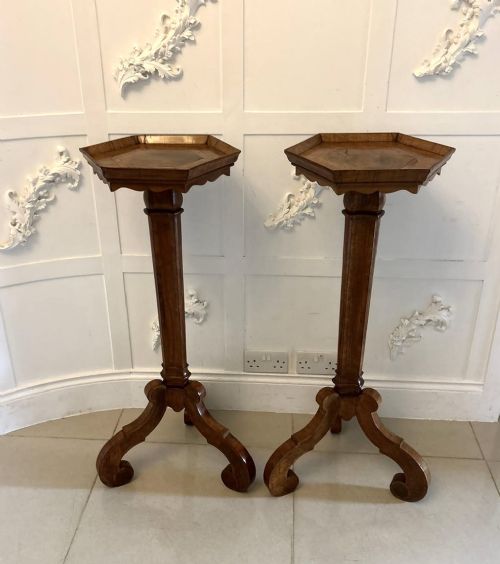
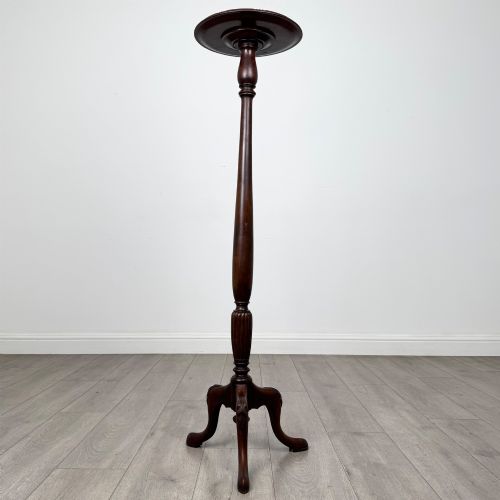
Joinery techniques include tripod bases, turned shafts, and occasional marquetry inlay, demonstrating traditional craftsmanship suited to supporting elevated loads. Surfaces receive polish or paint treatments appropriate to their respective Georgian, Victorian, or Edwardian origins.
Tall Wood Pedestal Stand Retail Price Guide 2026
Typical asking prices for tall wood pedestal stand among the pieces listed under this phrase on Sellingantiques today, from the lower quarter to the upper quarter. They describe what is for sale here now, not the wider market.
Several stands double as impromptu stages for heavy Victorian ferns that clearly grew larger than their original owners intended.
Craft and Proportion
Quality rests in the crispness of hand-carved details, the choice of figured timber, and the stability of the central shaft relative to the base. Superior examples display balanced proportions, particularly where tripod legs or heavy plinths support slender vertical columns.
Material integration also separates standard production from finer work, such as the precise fitting of marble inserts into hardwood tops or the execution of delicate floral marquetry and stringing on Edwardian mahogany surfaces.
Druce and Co London·Liberty of London
The Tall Wood Pedestal Stand Glossary
- Torchere
- A tall stand designed originally to hold a candle or lamp, now commonly used for plants and decorative objects. These slender pieces feature elevated platforms supported by columns or tripod bases.
- Jardiniere
- A large decorative pot or stand for holding plants and flowers. Often constructed from mahogany or oak to display botanical arrangements inside period rooms.
- Plinth
- A heavy rectangular or cylindrical base supporting a column, bust, or statue. They provide visual weight and stability at the base of tall display stands.
- Marquetry
- Decorative veneer applied in patterns to wooden furniture surfaces. Craftsmen utilise contrasting wood species to create floral or geometric designs.
- Ebonised
- Wood treated with a dark finish to imitate ebony. This technique appears on nineteenth-century and early twentieth-century decorative stands.
Tall Wood Pedestal Stand: Frequently Asked Questions
What is a torchere stand?
A torchere is a tall, slender stand originally built to hold a candle or light source. Today they function primarily as display furniture for plants, urns, and sculptures.
These pieces use vertical height to draw the eye upward and fill empty corners in period interiors without taking up significant floor space.
How do I style a tall pedestal?
Place a pedestal in a hallway or drawing room corner to highlight a single decorative object, such as a bronze bust or ceramic vase. The elevated surface creates a focal point at eye level.
Ensure the weight of the displayed item matches the stability and footprint of the stand's base, particularly with slender tripod designs.
How do I date a wooden stand?
Dating relies on identifying timber choices, construction methods, and stylistic details associated with periods like the Victorian era or Edwardian decades. Mahogany and walnut dominate nineteenth-century pieces, while inlay work often points to Edwardian production.
Examine the turning style, joinery, and wear patterns on the base to confirm the period of manufacture.
Can these stands hold heavy plants?
Most solid mahogany and hardwood stands provide sturdy support for potted plants and heavy ceramic planters. Tripod bases and solid plinths offer reliable weight distribution.
Check the width of the top platform and the rigidity of the central column before placing exceptionally heavy specimens on the stand.