



Tall Table Candlesticks
Tall table candlesticks bring height and presence to a room, shifting light upward through brass, silver plate, and carved timber.
Tall Table Candlesticks
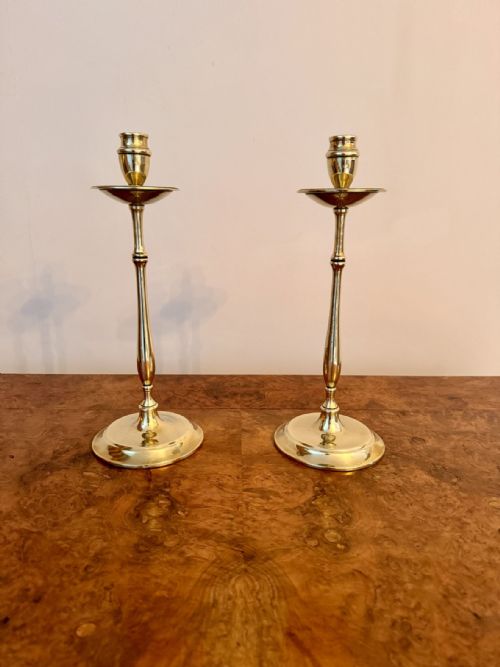
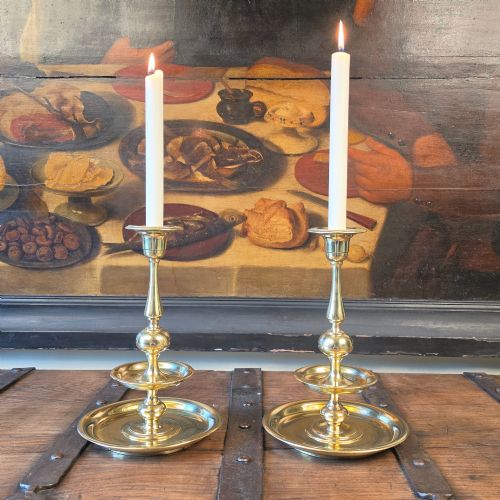
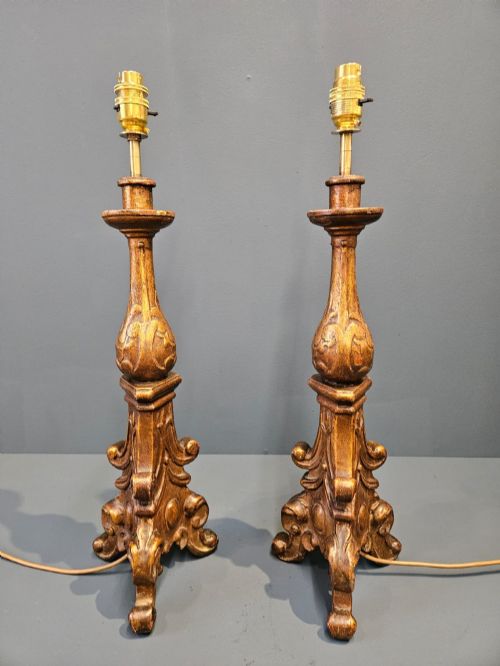
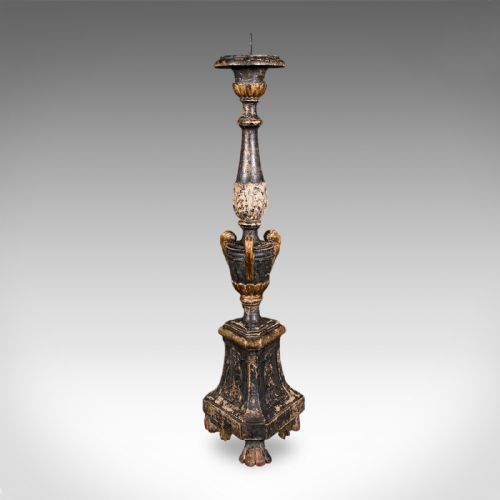
When you search for tall table candlesticks, you encounter elevated lighting pieces designed to command attention on sideboards, tables, and altars. The selection ranges from robust Victorian brass examples to refined Georgian silver columns and carved Italian giltwood lamp conversions.
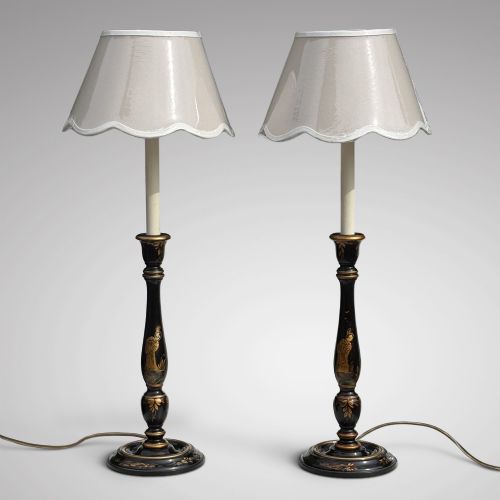
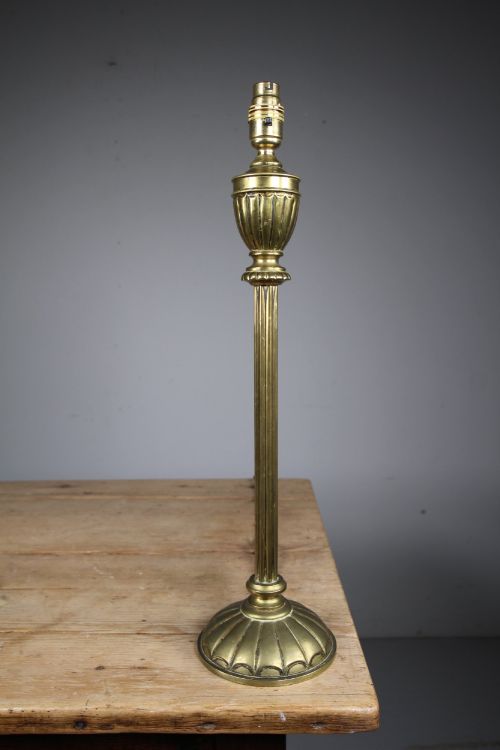
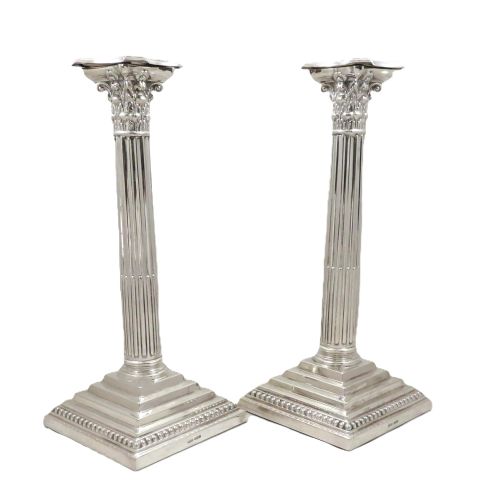
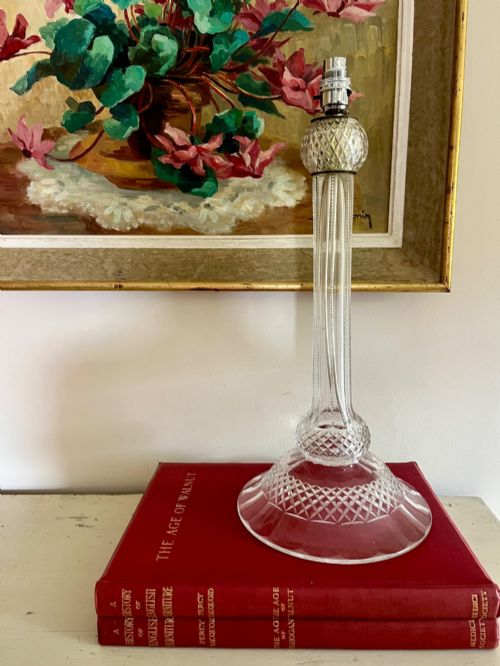
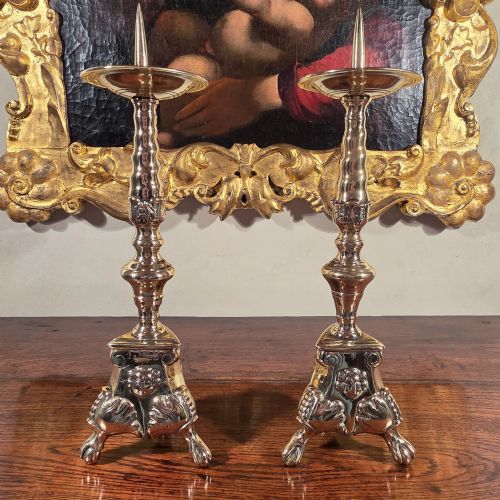
Brass versions dominate the available forms, often fashioned as barley twists or classical Corinthian columns. Alongside these, you find cut glass, bronze, and lacquered Chinoiserie creations spanning the eighteenth, nineteenth, and early twentieth centuries.
How they were made
Metal pieces rely on casting and turning, with brass and bronze components formed in sections before assembly. Many nineteenth-century examples utilise seamed construction or heavy turning to achieve structural height without excessive weight.
Wooden and giltwood variants depend on hand carving, gesso application, and gold leaf or paint finishes. Craftspeople shaped timber into baroque curves or columnar profiles before applying decorative surfaces that caught ambient candlelight.
Listings feature tall table candlesticks spanning the eighteenth, nineteenth, and twentieth centuries, executed in brass, giltwood, silver plate, and crystal.
What varies in quality
Proportion and casting crispness define the upper tier of metal candlesticks. Sharp fluting on Corinthian columns and substantial metal weight distinguish superior examples from lighter, mass-produced alternatives.
Surface preservation governs the appeal of wooden and giltwood items. Intricate carving depth and the integrity of original gilding or ebonising separate master-carved altar pieces from simpler domestic turnings.
Barker Ellis
The Tall Table Candlesticks Glossary
- Pricket
- A sharp metal spike set in the drip pan to secure a candle without a socket. This form frequently appears on ecclesiastical and altar lighting.
- Corinthian column
- A classical architectural order featuring elaborate acanthus leaf capitals atop a fluted shaft. Makers adapted this motif extensively for tall brass and silver candlesticks.
- Barley twist
- A helical turning resembling twisted barley sugar that creates movement along the stem. This decorative technique appears frequently on Victorian and Edwardian timber and brass examples.
- Giltwood
- Timber coated with a thin layer of gold leaf over a gesso base. Italian and English makers used this finish to simulate solid gold on ceremonial furnishings.
- Opaline
- An opaque or translucent glass developed in soft pastel shades during the nineteenth century. It adds colour and texture when mounted with brass on table lamps.
Tall Table Candlesticks: Frequently Asked Questions
What is a pricket candlestick?
A pricket candlestick uses an upward-pointing spike rather than a traditional socket to hold the candle in place. This design derives largely from church and altar lighting traditions.
Such pieces often date to the eighteenth or nineteenth century and require specialised candles with a base hole to fit securely over the metal point.
How do I distinguish Georgian from Victorian brass?
Georgian brass candlesticks tend to exhibit finer casting proportions with heavy, square or stepped bases. The metal often possesses a warmer, softer tone due to different copper-zinc ratios.
Victorian pieces frequently introduce heavier turned profiles like barley twists or incorporate mechanical components as lighting transitioned from candles to electricity.
Were these pieces originally wired for electricity?
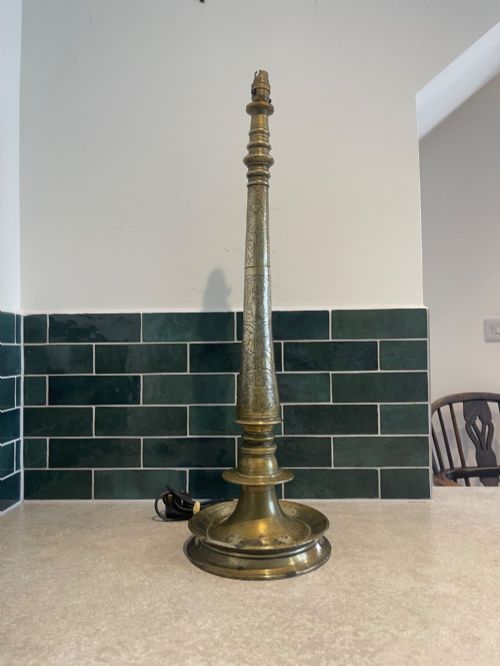
Almost all tall table lamps listed here began life as manual candle holders or oil lamps before later conversion. Craftsmen adapted the stems to house electrical wiring during the twentieth century.
This conversion process preserves the antique metal or wooden body while updating the utility for modern domestic interiors.
How do I clean antique brass safely?
Antique brass requires gentle maintenance to preserve the accumulated patina that develops over centuries. Heavy commercial polishes remove the surface ageing that collectors value.
A soft cloth and mild soapy water suffice for removing dust, leaving the natural oxidation untouched across recessed mouldings and turns.