


Antique Silver Candle Sticks
These antique silver candle sticks illuminate period interiors through enduring craftsmanship in sterling, plate, and bronze.
Antique Silver Candle Sticks
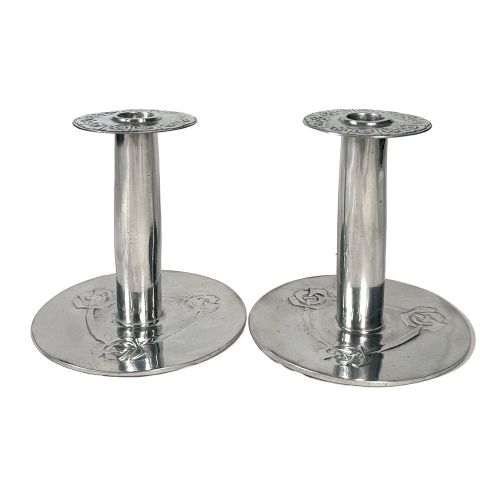
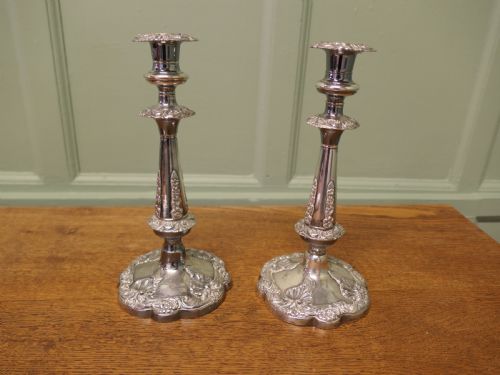
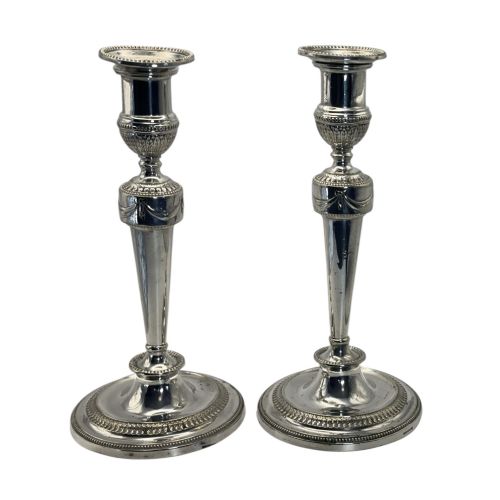
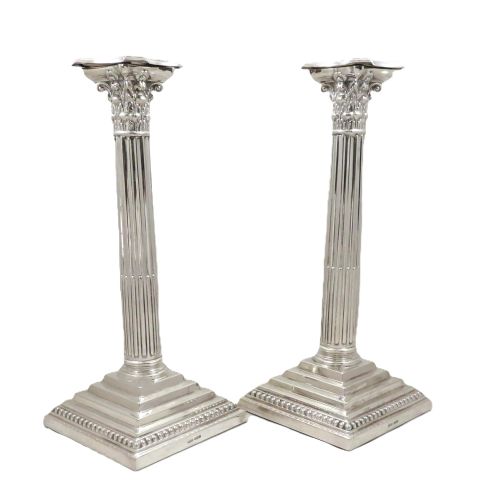
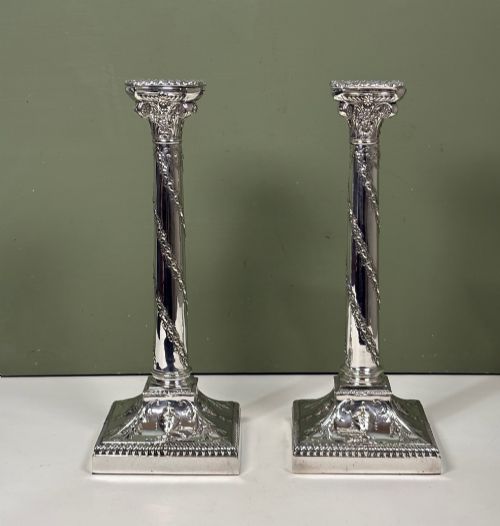
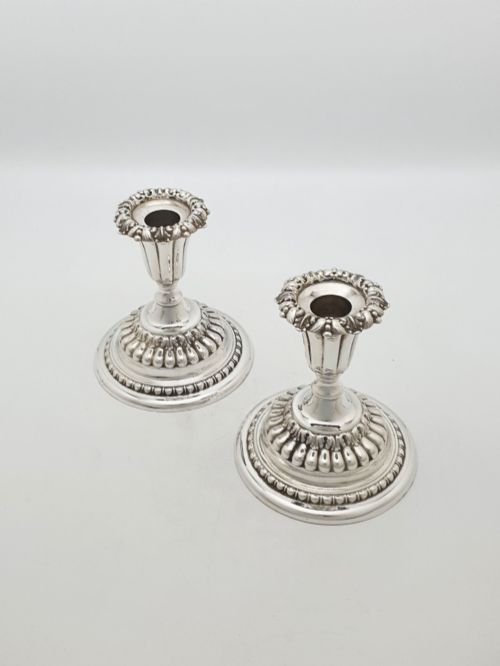
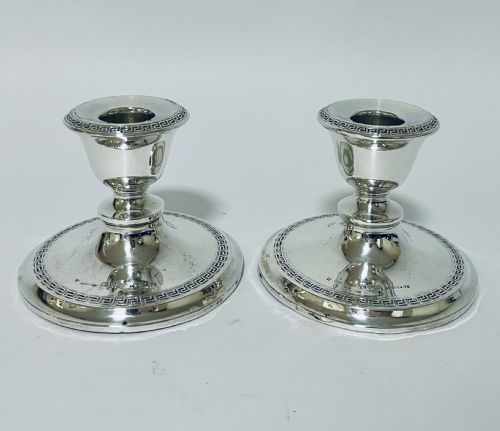
Antique silver candle sticks encompass functional lighting forms designed for domestic use across Georgian, Victorian, and Edwardian eras. Buyers encounter pairs and suites in sterling silver, Old Sheffield plate, and electroplated nickel silver, taking shapes from simple columns to elaborate figural designs.
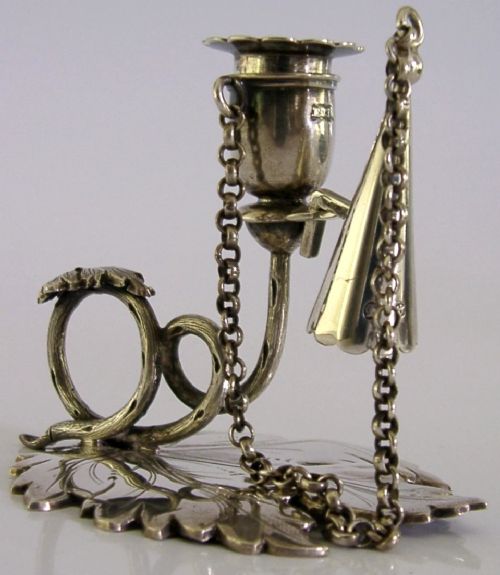
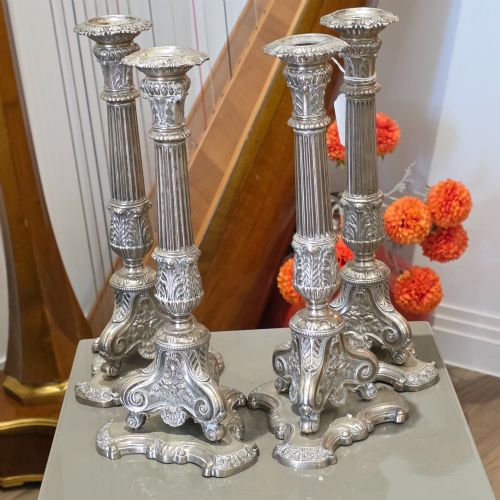
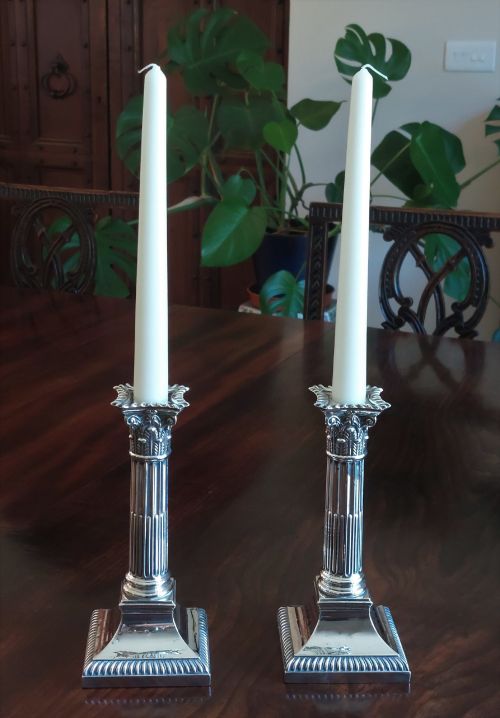
The selection ranges from tall dining table standards to compact chambersticks meant for bedroom use or desk illumination. Neoclassical columns and plain Sheffield plate variants appear frequently alongside ornate rococo revival pieces featuring chased decoration.
Origins span English workshops in London, Sheffield, and Birmingham, alongside continental European output from German and French makers. Dating generally stretches from the late eighteenth century through the early twentieth century, reflecting shifting domestic habits.
How They Were Made
Early examples utilise Old Sheffield plate, fusing a thin sheet of sterling silver onto a copper base, whilst nineteenth-century production often employs electroplating over nickel silver or white metal. Solid sterling pieces are cast or spun, frequently weighted at the base with resin or plaster to ensure stability.
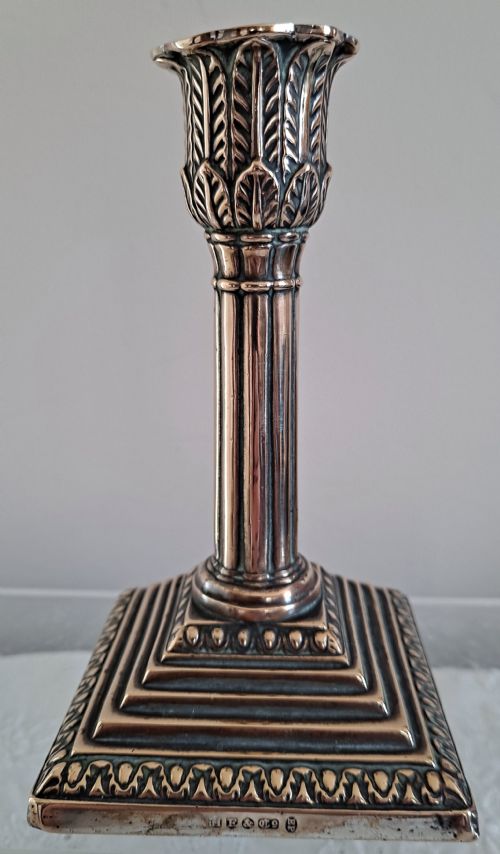
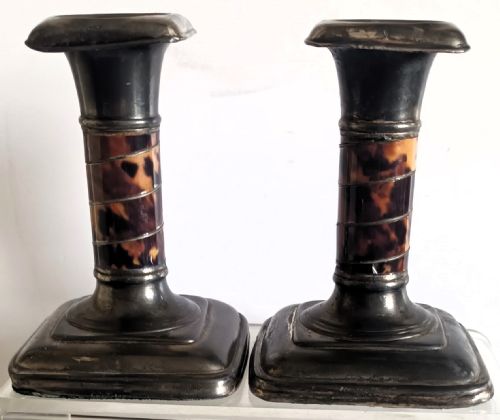
Decorative elements involve chasing, engraving, and applied cast ornament such as acanthus leaves or beaded borders. Subsidiary materials include wood cores in turned wooden items, pewter, and gilt finishes on silver-gilt surfaces.
Listings feature items spanning the eighteenth, nineteenth, and twentieth centuries, incorporating materials from solid sterling and Old Sheffield plate to copper, pewter, and carved wood.
What Varies in Quality
The degree of crispness in cast ornamentation distinguishes finer productions from mass-market output, particularly where floral swags, Corinthian capitals, or figural cherubs are concerned. Better examples retain clear hallmarks or maker marks alongside intact silver layers without copper bleed-through.
Proportion and structural integrity dictate value, with heavier gauge metal and weighted bases providing satisfactory balance. Removable sconces, matching registry numbers on matched suites, and uncompromised structural joins separate standard domestic pieces from exhibition-grade commissions.
Garrard and Co·Mappin and Webb·John Pound and Co·Barker Ellis·Walker and Hall·Richard Hodd and Son·William Hutton and Sons·J.C. Klinkosch
The Antique Silver Candle Sticks Glossary
- Chamberstick
- A low candle holder fitted with a shallow drip pan and a loop handle for carrying from room to room.
- Old Sheffield Plate
- A composite material formed by fusing a thin layer of sterling silver to a thick copper base before rolling.
- Corinthian Column
- A classical architectural column form frequently adapted for the shaft of tall candlesticks during the Georgian and Victorian periods.
- Sconce
- The detachable nozzle or tray at the top of a candlestick designed to catch dripping wax and hold the candle firmly.
- Pricket
- A sharp metal spike set in the drip pan to secure large altar candles without a socket.
Antique Silver Candle Sticks: Frequently Asked Questions
How do I clean antique silver candle sticks?
Use a soft microfiber cloth and a mild, non-abrasive silver cream to gently remove tarnish without scrubbing. Avoid aggressive dips, as these strip historic patina and damage plated surfaces.
Take care around weighted bases and felted bottoms to prevent moisture from entering internal resin fillings. Regular dusting with a dry cloth minimises the need for heavy chemical cleaning.
Why do some candlesticks feel heavy at the bottom?
Many hollow-formed silver and plated candlesticks contain an internal core of plaster, resin, or wooden dowels to provide weight and balance. This construction prevents the tall, slender pieces from tipping over easily during use.
Makers adopted this technique during the eighteenth century to save on precious metal costs whilst maintaining structural stability. Felt or baize is usually glued over the base to conceal and protect this filling.
How do I date an unmarked pair?
Examine the overall architectural style, construction techniques, and assembly seams to narrow down the manufacturing period. Neoclassical motifs point towards the late eighteenth or early nineteenth century, whilst electroplating indicates a date after eighteen-forty.
Compare the weight, metal colour, and wear patterns on the underside with documented examples bearing hallmarks. Base construction and screw threads often provide reliable chronological clues.