
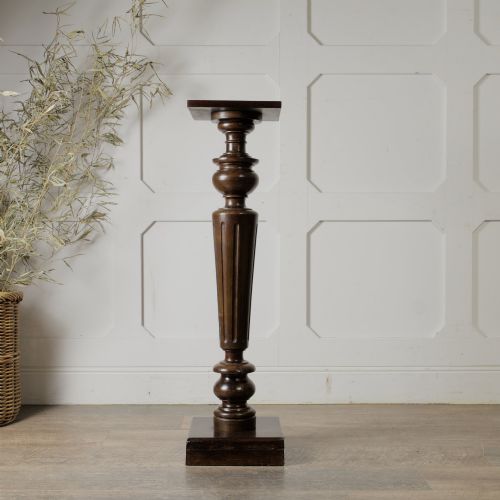
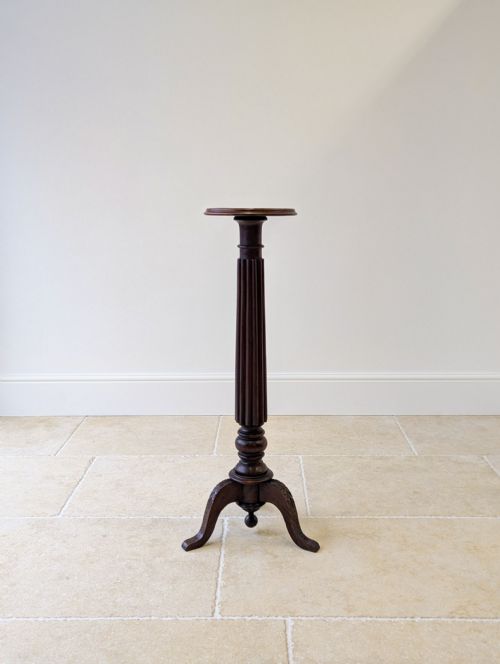
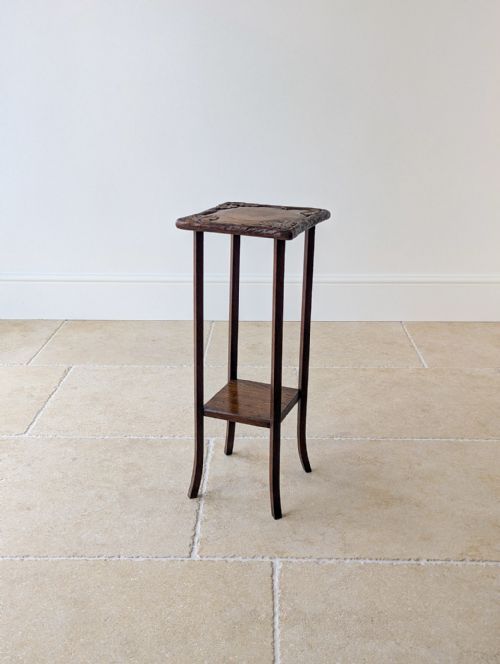
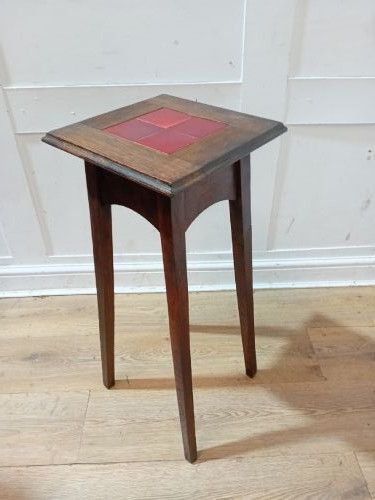

Tall Display Pedestal
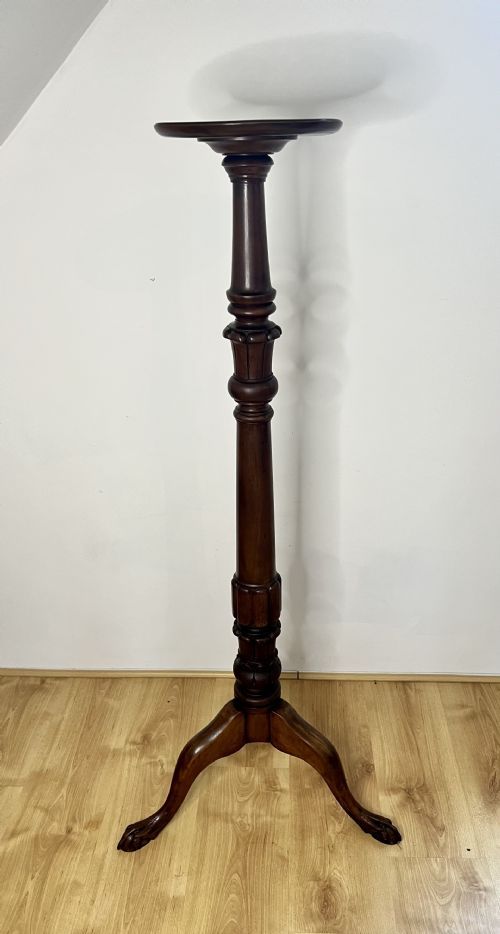
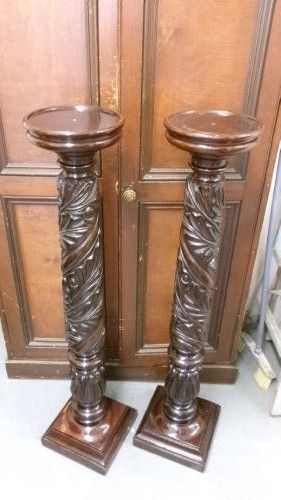
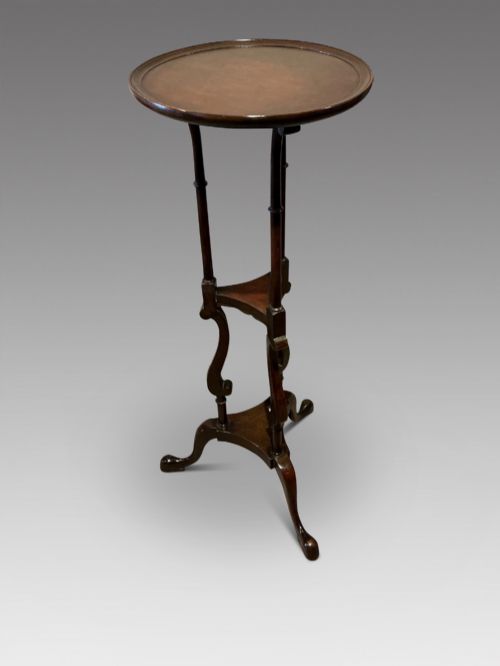
A tall display pedestal elevates sculpture, porcelain and plants, bringing height and structural focus to a room.
Tall Display Pedestal
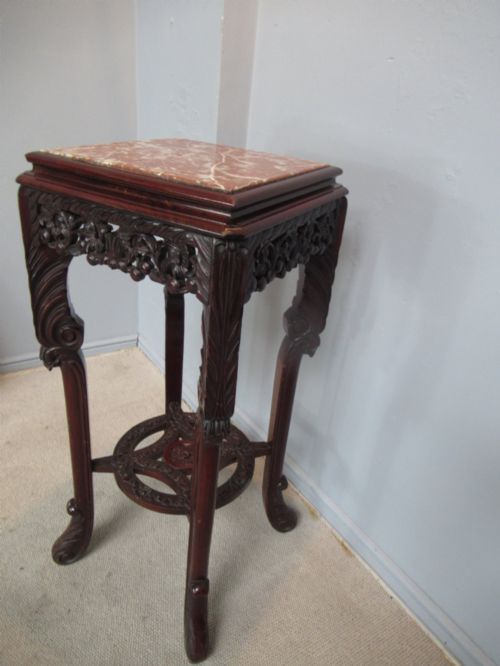
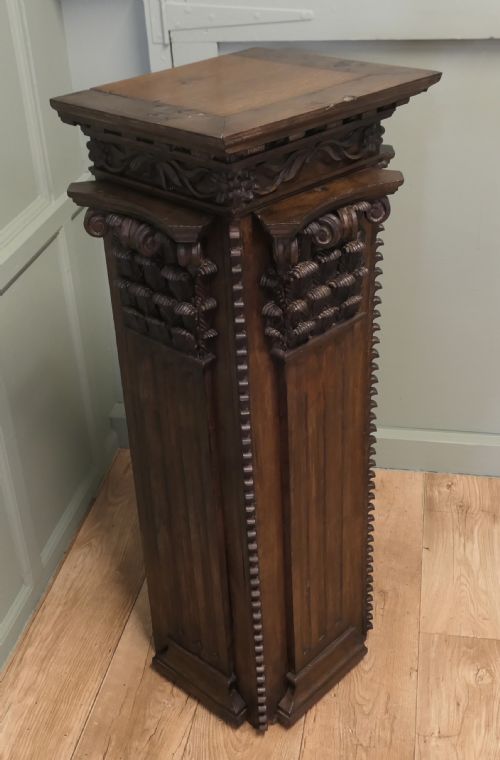
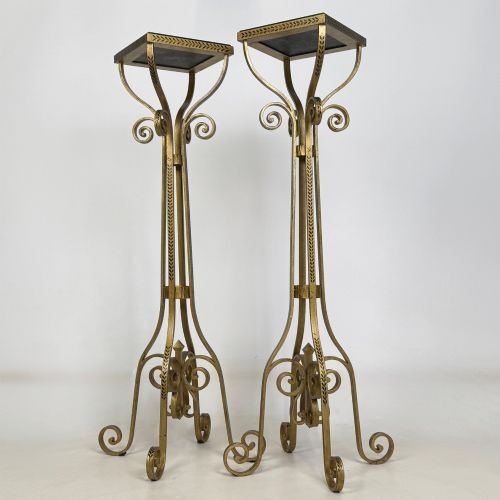
A tall display pedestal serves to elevate decorative objects, urns, and plants within a room. When searching for a tall display pedestal, buyers encounter forms ranging from slender torchères and column plant stands to sturdy timber plinths.
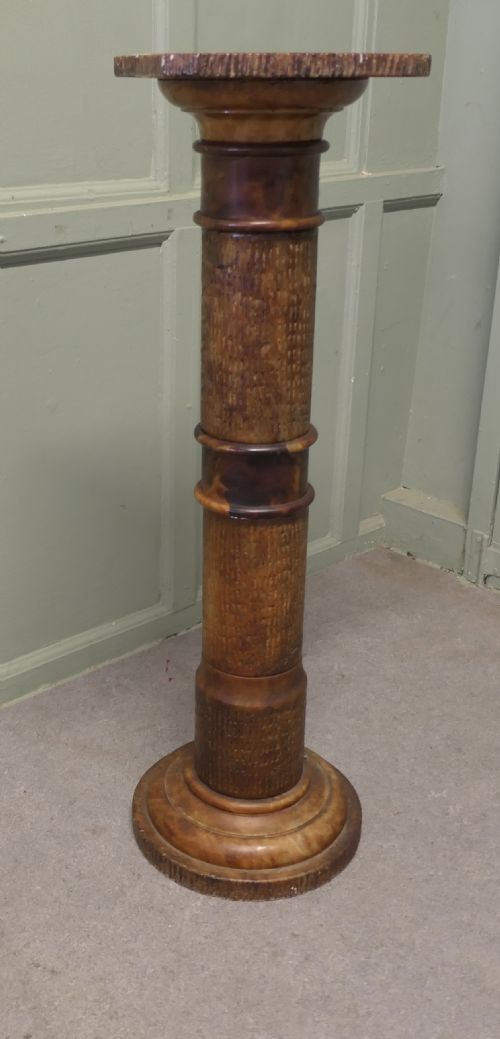
The pieces appearing here span the nineteenth century through the early twentieth century, taking the shape of columns, plant stands, and torcheres. Many originate from British workshops alongside continental European and Chinese export traditions.
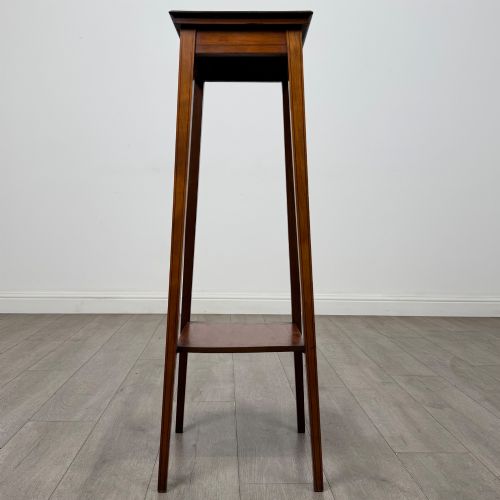
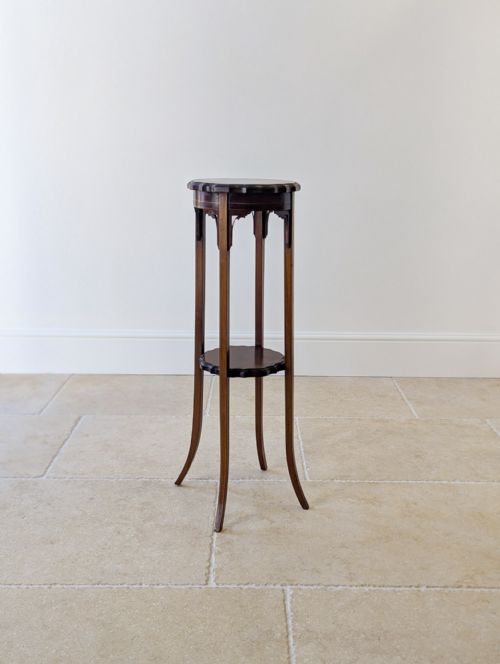
Mahogany and oak dominate the timber examples, frequently paired with inset marble tops or brass detailing. Buyers are most likely to meet Edwardian inlaid mahogany stands and nineteenth century carved mahogany torcheres on this page.
How they were made
Cabinetmakers utilised dense timbers such as mahogany, walnut, oak, and exotic hardwoods, turning columns on lathes or carving structural surfaces by hand. Inlaid versions incorporate contrasting satinwood and delicate stringing into the timber top and shaft.
Marble inserts provide a stable, cool surface for heavy vases and statues, whilst painted plaster and faux marble finishes achieve classical weight using alternative media. Brass mounts, collars, and galleries secure the joints and accent the wood grain.
What varies in quality
Proportion and material selection dictate the distinction between ordinary utility stands and fine decorative columns. Heavy carved mahogany and thick Arabescato or honey-coloured marble tops demonstrate superior material cost and manufacturing ambition.
The crispness of hand-carved acanthus leaves, fluting, and inlaid botanical motifs separates mass-produced items from accomplished cabinet work. Structural stability at height depends entirely upon the weight distribution of the base and the soundness of the central column joint.
Shoolbred·Liberty of London
The Tall Display Pedestal Glossary
- Torchere
- A tall, slender stand designed to hold a light or a decorative vessel. Originating in the seventeenth century for lighting, later examples serve primarily to display plants and sculptures.
- Plinth
- The heavy base or square slab supporting a column, statue, or pedestal. It provides the necessary ballast and footprint to prevent tipping when carrying heavy objects.
- Jardiniere
- A decorative receptacle or stand intended to hold plants or flowers. These often feature waterproof linings or inset marble surfaces to withstand moisture.
- Inlay
- A technique where pieces of contrasting wood, such as satinwood, are inserted into depressions within a solid timber surface to create decorative patterns.
Tall Display Pedestal: Frequently Asked Questions
How do I choose the right height?
Consider the scale of the object you intend to place on top and the ceiling height of your room. Taller torcheres draw the eye upward and suit corner placements.
Shorter plant stands work effectively beside seating or beneath windows where natural light highlights the timber grain and carved details.
How do I clean a marble top stand?
Wipe the stone surface gently with a soft cloth dampened in warm water and mild, neutral soap. Avoid acidic cleaners or vinegar, which etch polished marble surfaces instantly.
Dry the stone thoroughly with a lint-free cloth to maintain its polished finish and prevent water spotting on antique marble.
How do I date an antique pedestal?
Examine the timber species, construction joints, and decorative style markers such as Victorian carving or Edwardian string inlay. Tool marks and screw types underneath also offer reliable clues to the era of manufacture.
Comparing the turned column profiles against documented nineteenth and early twentieth century cabinetmaker designs confirms the period.