




Taisho Period Ceramics
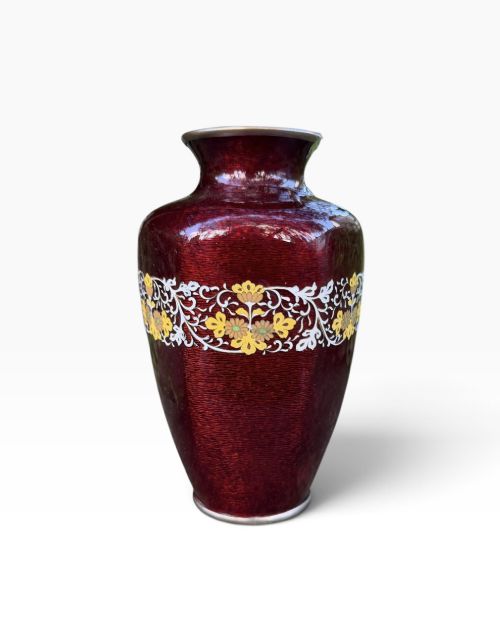
When you seek taisho period ceramics, you enter a vibrant era of Japanese artistry defined by expressive hand-modelled forms and rich glazes.
Taisho Period Ceramics
The objects span daily functional forms like pitchers, teacups, and jugs, as well as decorative plates, chargers, and sculptural figurines. Many pieces bridge the aesthetic shift between the late Meiji era and the emerging Taisho style, combining traditional hand-painted motifs with innovative studio pottery techniques.
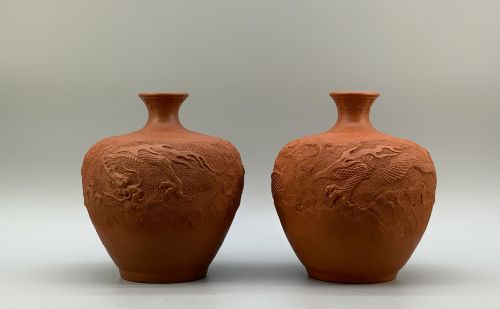
Makers utilised distinct regional traditions, producing red clay Tokoname vessels, Arita sculptural figures, and intricate Imari wares. These items reflect a period where Japanese kilns catered both to domestic utility and international artistic demand.
How they were made
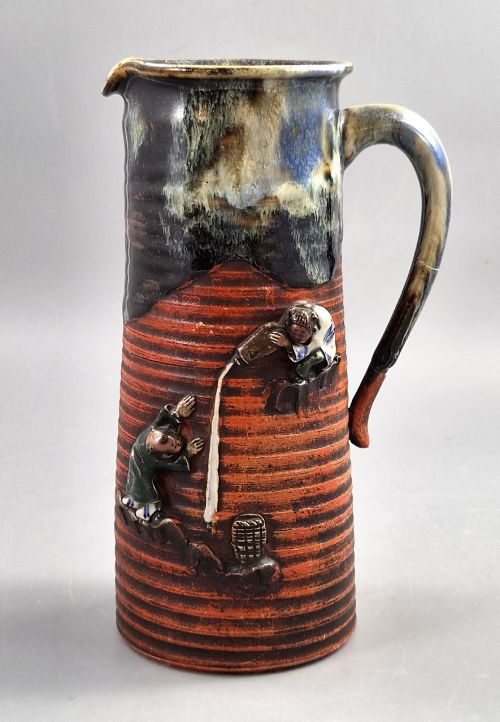
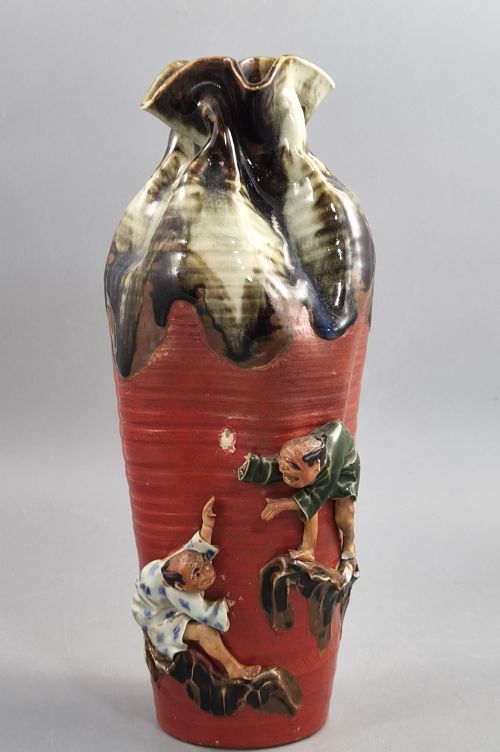
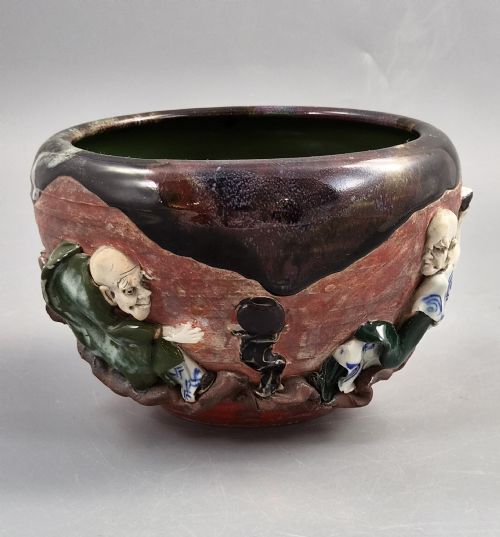
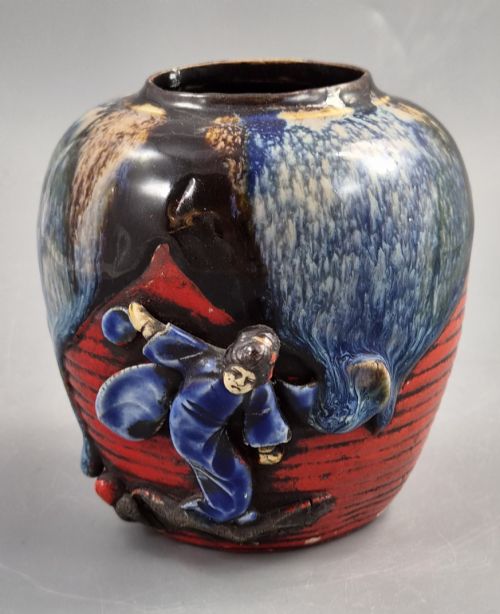
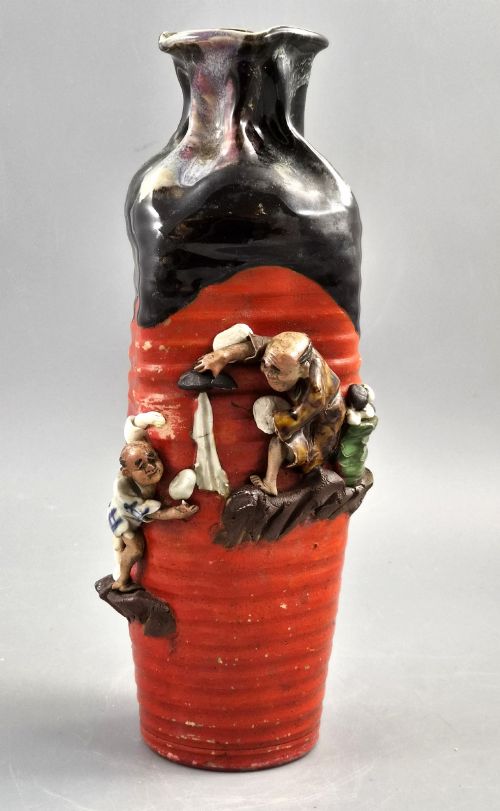
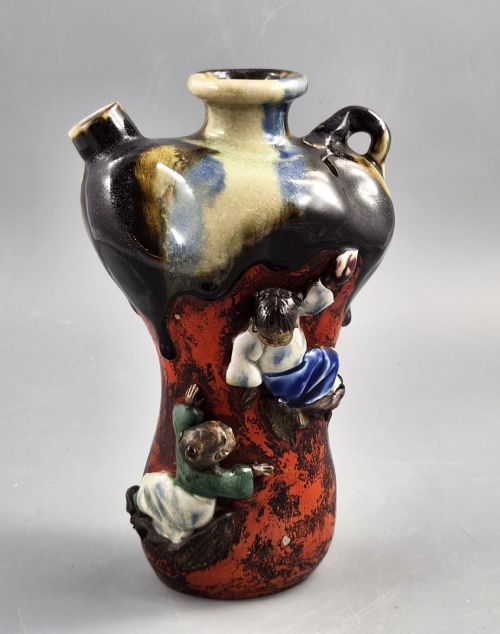
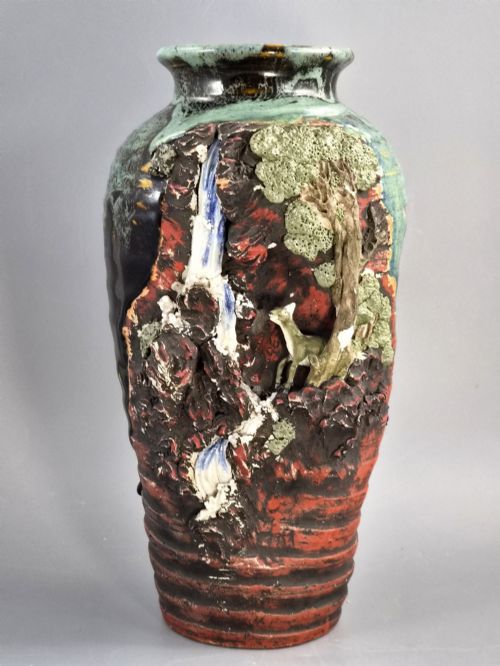
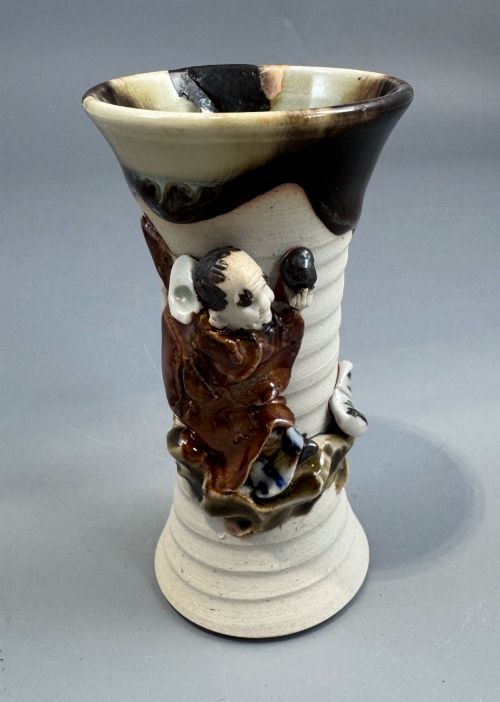
Potters shaped earthenware, stoneware, and porcelain using wheel-throwing and hand-modelling techniques, often applying sculptural figures directly onto the body before firing. Distinctive Sumida Gawa pieces received thick, uneven flambé glazes that pooled around pinched rims and textured surfaces.
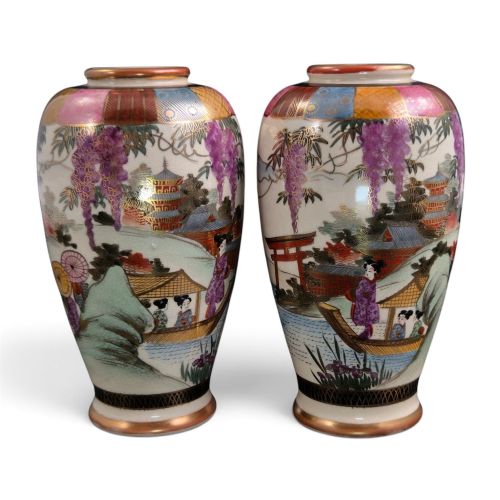
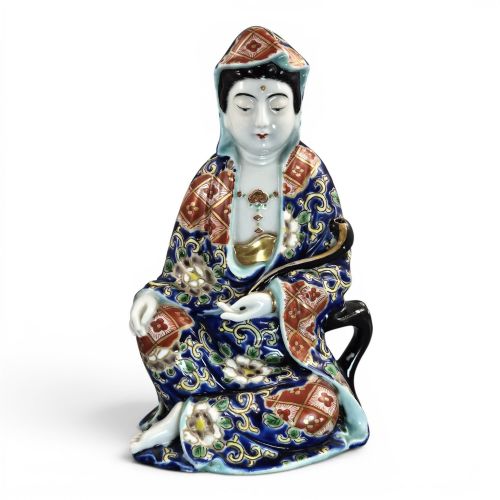
Decoration relied on meticulous hand-painting with enamel, gold leaf, and gilt highlights over a white or coloured base. Satsuma and Kutani workshops combined fine brushwork depicting landscapes and figures with raised moriage enamel details.
Red clay and terracotta bodies provided a robust foundation for unglazed areas or contrasting slip applications. Kiln masters controlled reduction and oxidation to achieve specific colour depths within the glaze layers.
Listings feature periods from the nineteenth century through the nineteen twenties, spanning earthenware, stoneware, and porcelain.
What varies in quality
The precision of the hand-painting and the clarity of the enamel pigments distinguish finer examples from standard production pieces. Brushwork depicting faces, robes, and natural scenes on Satsuma and Kutani wares displays varying levels of artistic execution and detail.
Sculptural elements such as applied figures on Sumida Gawa vessels demonstrate different degrees of anatomical modelling and secure attachment. Master potters achieved balanced compositions where the heavy drip glaze complements rather than obscures the underlying form.
The application of gold leaf and gilt work ranges from delicate, crisp highlights to heavier, less refined metallic additions. Signature clarity and documented studio provenance further separate standard utilitarian objects from notable art pottery.
Inoue Ryosai·Ishiguro Koko·Makuzu Kozan II·Tagawa·Taniguchi
The Taisho Period Ceramics Glossary
- Moriage
- A Japanese ceramic decorating technique using piped slip to create raised dots and decorative patterns before glazing and firing. This method adds tactile relief to the surface of vases and figures.
- Flambé glaze
- A rich, streaked glaze resulting from copper and other metallic oxides reacting in the kiln during reduction firing. These glazes produce unpredictable, shifting tones of blue, red, and purple.
- Imari
- A traditional style of Japanese porcelain featuring a distinct palette of underglaze blue, iron red, and gilt highlights. The designs typically incorporate intricate floral and brocade motifs.
- Satsuma
- A type of Japanese earthenware characterised by a pale, ivory crackle glaze and elaborate overglaze enamel and gold decoration. These pieces were widely produced for export during the late nineteenth and early twentieth centuries.
- Sumida Gawa
- A style of Japanese art pottery originating near Tokyo, noted for its heavy flambé glazes and high-relief applied figures. Individual pieces often carry signatures from notable studio potters.
- Kutani
- Japanese porcelain known for bold overglaze enamels, particularly utilising greens, blues, yellows, and purples alongside red and gold. These wares frequently depict figures from mythology, nature, and daily life.
Taisho Period Ceramics: Frequently Asked Questions
What defines taisho period ceramics?
These pieces represent the craft traditions of Japan between nineteen twelve and nineteen twenty-six, blending late Meiji aesthetics with modern studio techniques. The output ranges from delicate Kutani porcelain to heavily glazed Sumida Gawa art pottery.
Craftsmen produced both decorative and functional items, including vases, tea sets, and figural sculptures. The period is marked by experimentation with glazes, relief modelling, and hand-painted motifs.
How do I identify Sumida Gawa pottery?
Sumida Gawa pieces are instantly recognizable by their thick, drippy flambé glazes and rough, unglazed patches. They frequently feature high-relief figures of sages, children, or animals applied directly to the exterior.
Many of these vessels carry signatures or artist seals near the base. The forms often include pitchers, bowls, and vases with pinched rims and textured clay bodies.
Are Satsuma wares made of porcelain?
Traditional Satsuma pieces consist of a fine-grained earthenware body rather than porcelain. This earthenware is covered in an ivory-coloured glaze that develops a fine, intentional network of cracks.
Artists then painted intricate scenes over this glaze using enamel colours and gold leaf. The resulting appearance is matte and textural compared to the vitreous ring of porcelain.
How should I display these ceramics?
Given the delicate nature of overglaze enamels and applied relief figures, place these pieces away from direct sunlight and high-traffic areas. Stable shelving prevents accidental knocks to protruding elements on sculptural vessels.
Dust them gently with a dry, soft brush rather than using liquid cleaners. Allowing adequate space around each piece highlights their distinct glazes and hand-modelled details.