
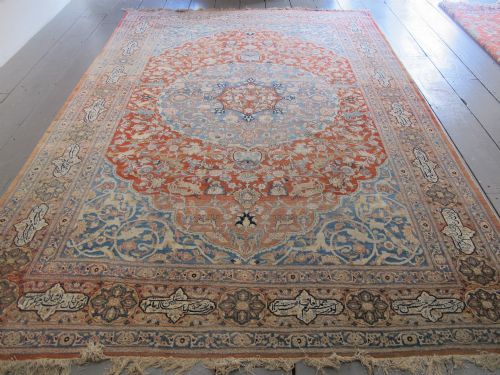


Tabriz Hand Knotted Carpet
A tabriz hand knotted carpet brings centuries of Persian weaving tradition into a room, offering durability and intricate design.
Tabriz Hand Knotted Carpet
A tabriz hand knotted carpet originates from North-West Persia, produced in city workshops and village regions alike. These floor coverings range from compact scatter sizes to large room and country house dimensions.
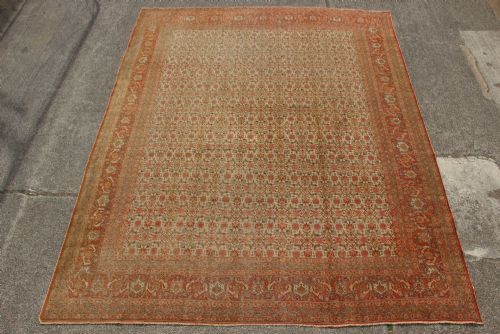
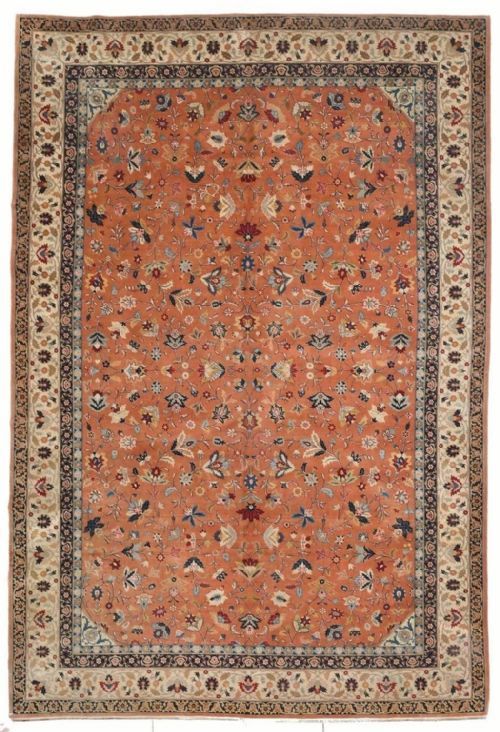
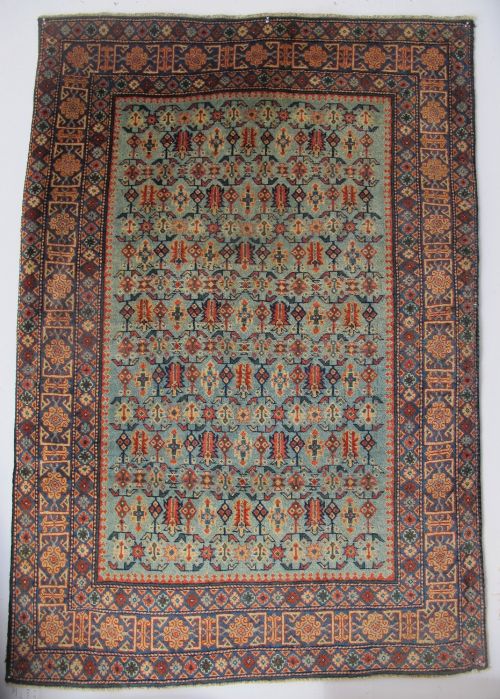
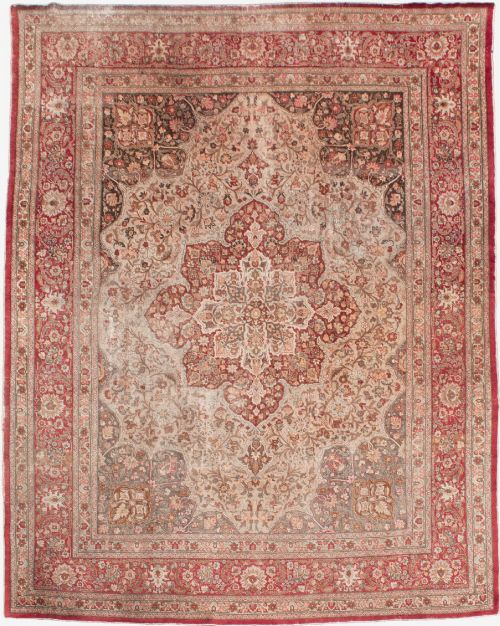
The selection here includes pieces spanning the eighteenth, nineteenth, and early twentieth centuries. Buyers encounter traditional floral medallions, all-over Herati patterns, and hunting scenes.
Most examples date from the late nineteenth century and the nineteen-twenties or nineteen-thirties. They reflect classic Persian and Safavid design traditions adapted for domestic interiors.
How They Were Made
Weavers construct these textiles using wool, cotton, and silk foundations and piles. Wool provides a resilient surface for daily use, while cotton serves reliably for warps and wefts.
Silk appears in select finer pieces to highlight intricate details and add a distinct sheen. Artisans knot the fibres by hand onto the foundation before securing the ends.
Some nineteenth-century weavers secretly worked tiny intentional flaws into their carpets to show that only divine creation is truly perfect.
What Varies in Quality
The density of the knots and the fineness of the materials dictate the crispness of the rendered motifs. Tighter knotting allows for sharper delineation of floral scrolls and medallion outlines.
Design complexity also separates standard village productions from master workshop creations. Superior pieces display balanced symmetry, nuanced palettes, and harmonious transitions between field and border.
Haji Jalili·Benlian
The Tabriz Hand Knotted Carpet Glossary
- Herati
- A repeating pattern composed of a central rosette enclosed by a diamond lattice and flanked by leaf motifs. This classic design appears frequently in Persian weaving.
- Medallion
- A central ornamental motif dominating the field of the carpet. It anchors the composition and dictates the arrangement of surrounding floral elements.
- Warp
- The stationary vertical threads stretched upon the loom that form the skeleton of the carpet. Weavers tie the pile knots around these foundational strands.
- Weft
- The horizontal threads passed alternately over and under the warp strands to lock the rows of knots in place. This process stabilises the woven structure.
- Pile
- The vertical or slanted ends of the knotted yarn that form the usable surface of the carpet. Its height and density determine the texture underfoot.
Tabriz Hand Knotted Carpet: Frequently Asked Questions
How do I place a large carpet in a living room?
Position the piece to anchor the main seating group, allowing the front legs of sofas and armchairs to rest upon the wool surface. This unifies the furniture arrangement while displaying the central medallion.
Ensure adequate clearance around the edges so the surrounding floorboards remain visible, framing the textile properly within the room.
Are these carpets suitable for heavy foot traffic?
Wool and cotton construction provides natural resilience for everyday domestic use. Traditional weaving techniques ensure the pile withstands regular walking.
Place the textile in moderate traffic areas, rotating it periodically to distribute wear evenly across the surface over the years.
How do I distinguish a village rug from a city piece?
City carpets often feature finer knotting, silk highlights, and highly symmetrical floral medallion layouts designed in urban workshops. They showcase precise drafting and controlled colour palettes.
Village pieces tend to display looser structures, geometric interpretations of floral themes, and local regional characteristics with spontaneous design variations.
What maintenance does a hand knotted textile require?
Vacuum the surface gently on a low setting without a rotating brush to remove dust from the pile. Avoid shaking the ends or using aggressive beaters that strain the foundational threads.
Address spills promptly with dry blotting and consult a specialist familiar with antique Persian textiles for professional washing when necessary.