



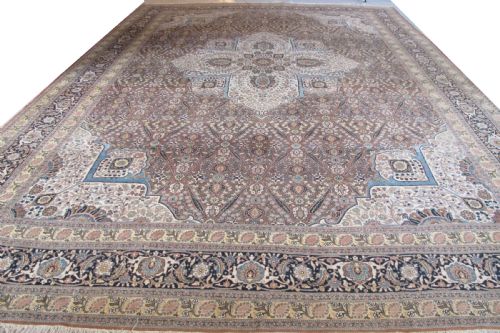


Tabriz Area Carpet
A tabriz area carpet brings centuries of Persian weaving tradition into a room, offering intricate floral designs and durable construction.
Tabriz Area Carpet
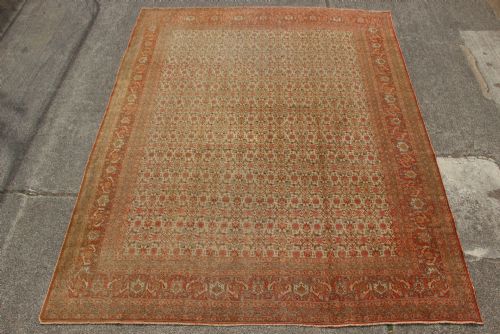
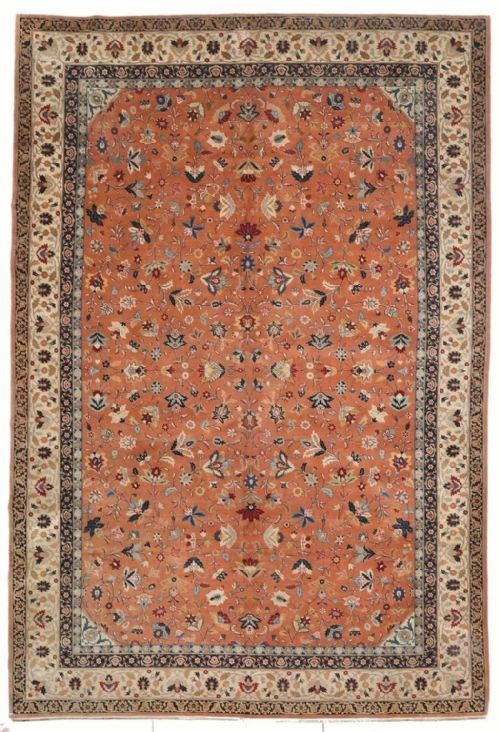
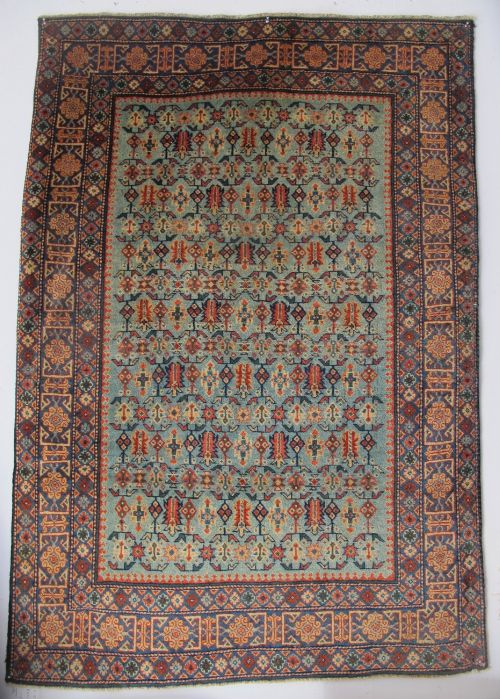
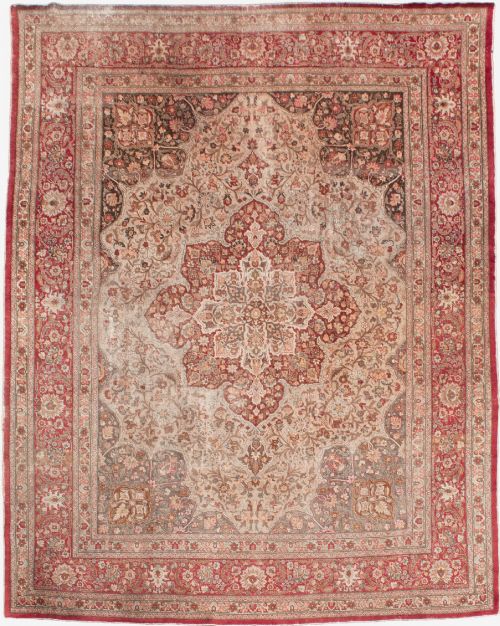
A tabriz area carpet originates from the historic weaving centre of Tabriz in North-West Persia, spanning styles from traditional medallion layouts to all-over Herati patterns. These floor coverings appear in various dimensions, from compact village rugs to large country house formats suited for expansive rooms.
The pieces listed on this page date primarily from the nineteenth and early twentieth centuries, including examples from the Qajar period and later decades. Buyers encounter both roomsize carpets and smaller area rugs bearing classic floral motifs or geometric village interpretations.
Materials and Construction
Weavers constructed these carpets using wool, cotton, and occasionally silk, knotted by hand onto sturdy foundations. Wool provided the durable pile for everyday floor use, while cotton typically formed the warp and weft threads.
The workshops utilised natural and vegetable dyes to achieve soft pastel tones or deep saturated hues. Artisans tied dense knots to execute fine floral medallions and complex overall field designs.
Tabriz Area Carpet Retail Price Guide 2026
Typical asking prices for tabriz area carpet among the pieces listed under this phrase on Sellingantiques today, from the lower quarter to the upper quarter. They describe what is for sale here now, not the wider market.
Listings feature wool, cotton, and silk materials across pieces dating from the eighteenth century to the 1930s.
Evaluating Quality
Knot density and the precision of the drawing distinguish finer examples from simpler village or region pieces. Tighter knotting allows for sharper delineation of curves within floral medallions and intricate border bands.
The choice of materials also marks distinction, as silk elements or exceptionally fine wool elevate a weaving. Benlian and Haji Jalili pieces often demonstrate notable fineness in execution and palette.
Haji Jalili·Benlian
The Tabriz Area Carpet Glossary
- Herati
- A repeating pattern of a central rosette enclosed by curved leaves, frequently seen across the field of Persian carpets. This design originated centuries ago and remained popular in Tabriz workshops.
- Medallion
- A symmetrical ornamental motif placed at the centre of the carpet field. It serves as the primary focal point of the composition.
- Warp
- The vertical foundation threads stretched tightly on the loom before knotting begins. Cotton is the standard material for this structural element.
- Weft
- The horizontal threads passed across the warp strands after each row of knots is secured. They hold the pile firmly in place.
- Pile
- The soft, upright surface of cut yarn that forms the visible and tactile part of the carpet. Wool and silk make up this upper layer.
Tabriz Area Carpet: Frequently Asked Questions
How do I clean a tabriz area carpet?
Professional specialist cleaning is essential for antique knotted textiles to prevent dye migration and fibre damage.
Vacuuming with suction only, without a rotating brush bar, removes surface dust safely between washes.
Where were these carpets made?
These carpets come from Tabriz, a major weaving centre located in North-West Persia.
Production in this region dates back centuries, supplying both domestic households and international markets.
Are these carpets suitable for heavy foot traffic?
Wool pile carpets constructed with sturdy cotton foundations withstand normal walking in residential settings.
Placing an appropriate underlay beneath the textile prevents slipping and reduces friction against the floor.
How can I tell the age of a carpet?
Structural characteristics, dye palettes, and design styles provide clues to the period of origin.
Nineteenth-century examples often display softer vegetable dye colours and finer knot counts compared to later pieces.