





Tabletop Storage Cupboard
A tabletop storage cupboard organises small treasures and documents on a desk, bringing compact historic utility into a modern room.
Tabletop Storage Cupboard
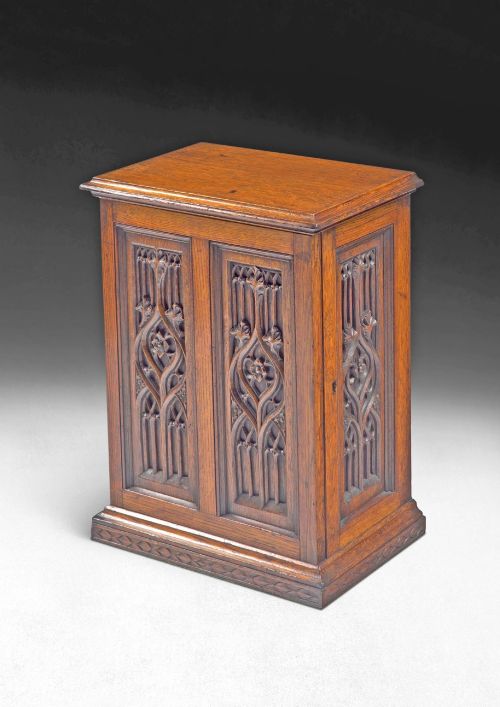
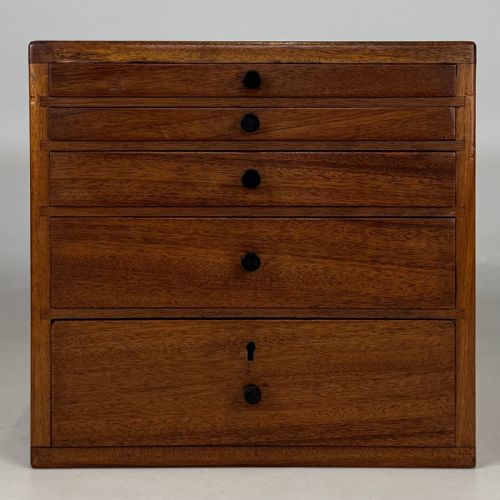
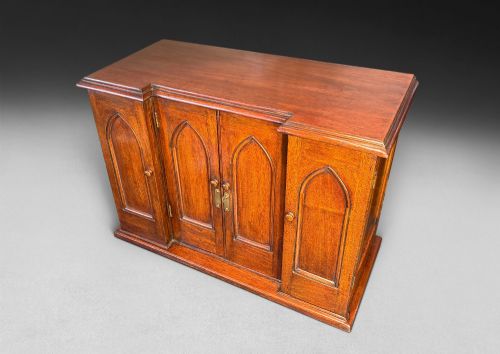
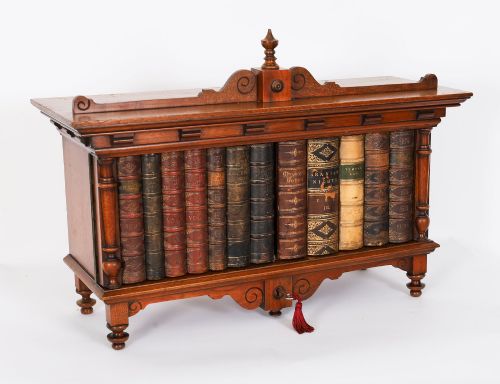
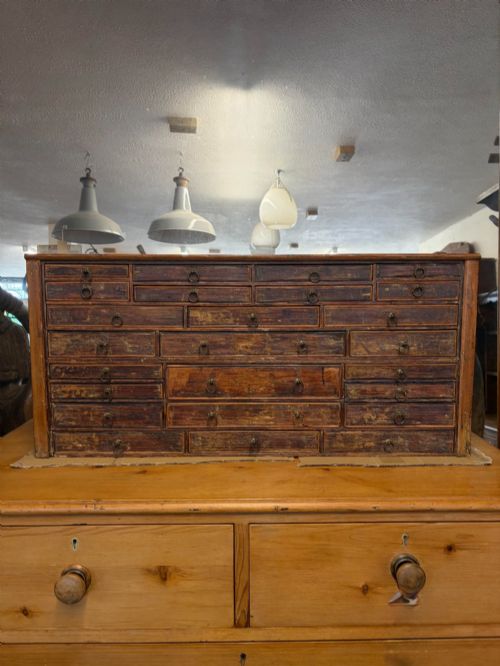
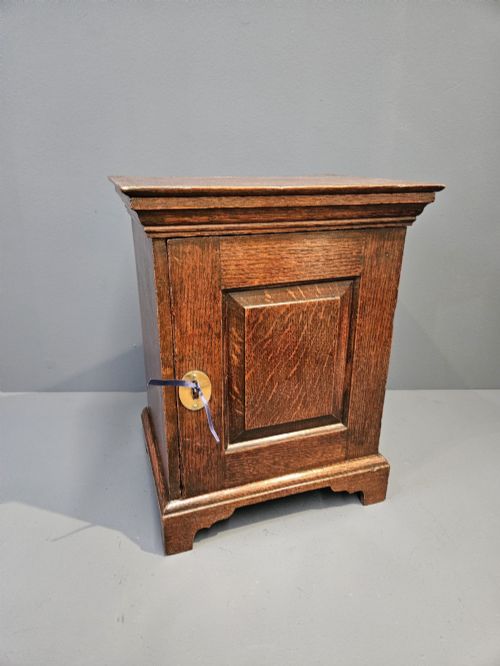
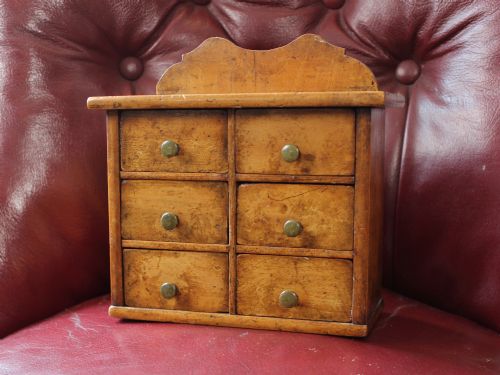
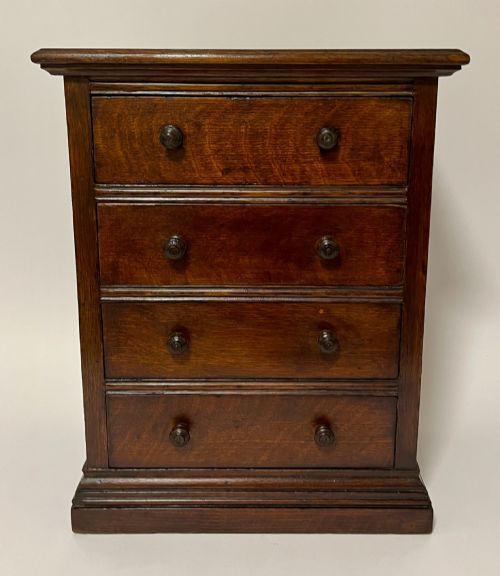
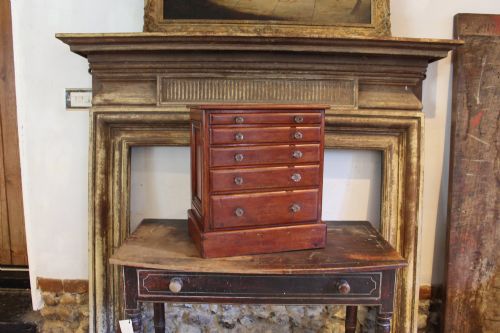
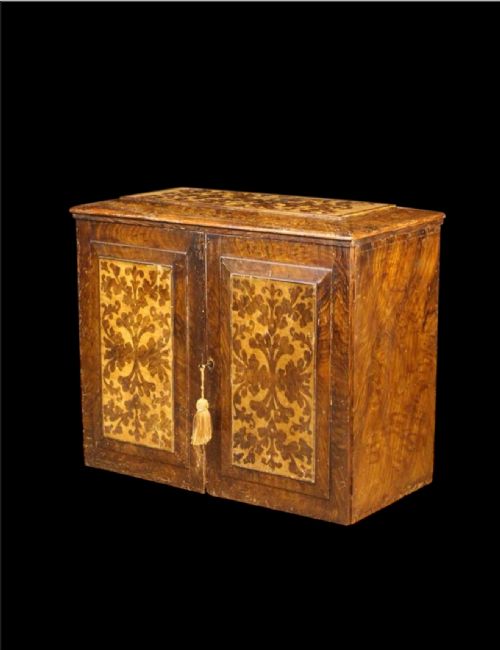
A tabletop storage cupboard serves as a miniature architectural archive designed for desks and counters, ranging from small spice cupboards and multi-drawer collector chests to watchmaker cabinets and smokers' cabinets. These pieces date from the Georgian period through the Victorian and Edwardian eras into the interwar twentieth century, offering compact organisation in domestic and commercial settings.
The versions most commonly met on this page include nineteenth-century oak and mahogany drawer banks, Victorian walnut collectors' cabinets, and early twentieth-century pine spice cabinets. Makers built these functional boxes to hold everything from natural specimens and jewellery to sewing needles and tobacco pipes, satisfying a demand for orderly desktop storage.
Materials and Construction
Cabinetmakers utilised sturdy timbers such as oak, mahogany, walnut, pine, fruitwood, and satinwood, frequently joining them with neat dovetails on small drawer boxes and fitted carcases. Hardwoods provided the structural integrity required for banks of numerous small drawers, while softer woods like pine served for simpler kitchen spice storage.
Metal fittings played an essential functional role, with brass drop handles, key escutcheons, and hinges securing doors and drawer fronts. Carved ornamentation, glass panels, and inlaid details appeared on specific Victorian and Edwardian examples to elevate the status of these desktop pieces.
Tabletop Storage Cupboard Retail Price Guide 2026
Typical asking prices for tabletop storage cupboard among the pieces listed under this phrase on Sellingantiques today, from the lower quarter to the upper quarter. They describe what is for sale here now, not the wider market.
One curious cabinet incorporates timber salvaged directly from a royal vessel, turning naval history into desktop storage.
Distinctions in Execution
Quality rests in the precision of the joinery and the selection of timber grain, particularly visible in the smooth running of multiple small drawers within a bank or collector chest. Superior examples display careful matching of veneers or solid boards and retain original brass hardware rather than later replacements.
The complexity of the interior layout also marks the tier of a piece, separating utilitarian pine spice cupboards from elaborately fitted watchmaker cabinets or collectors' repositories with multiple specialised compartments.
Manoah Rhodes & Sons Ltd
The Tabletop Storage Cupboard Glossary
- Collector cabinet
- A small desktop piece fitted with multiple shallow drawers designed to hold coins, fossils, insects, or geological specimens. These often feature locking glass or solid doors to protect delicate contents.
- Apprentice piece
- A miniature item of furniture demonstrated by a craftsman to prove skill before admission to a trade guild. These often take the form of small chests of drawers.
- Spice cupboard
- A small wall-hanging or tabletop storage box containing an arrangement of tiny internal drawers for culinary ingredients. They typically date from the Georgian and Victorian periods.
- Escutcheon
- A protective metal plate surrounding a keyhole on a cabinet door or drawer front. Brass versions are standard on nineteenth-century desktop storage pieces.
Tabletop Storage Cupboard: Frequently Asked Questions
What were tabletop storage cupboards originally used for?
These compact pieces held valuable or specialised items close at hand on a desk, counter, or table. Uses varied from storing spices and tobacco pipes to housing watchmaker tools, sewing gear, and natural history collections.
Owners relied on them to keep small, easily misplaced items organised and secure behind locked doors or within tight banks of drawers.
How do I date a tabletop storage cupboard?
Dating relies on observing the timber species, construction methods, and stylistic cues present in the piece. Georgian and Victorian examples often display hand-cut dovetails and dense hardwoods like mahogany or oak, while interwar pieces utilise different timber selections and simpler commercial hardware.
Matching the overall aesthetic, such as Gothic Revival details or Edwardian inlay, helps place the object within its specific nineteenth or twentieth-century period.
Where should I place a tabletop storage cupboard at home?
These versatile pieces sit naturally on top of writing desks, sideboards, chests of drawers, or dressing tables where their height does not overwhelm the room. Their compact footprint provides functional surface storage without requiring floor space.
Positioning them away from direct sunlight and heat sources protects the historic wood finishes and prevents timber movement.