
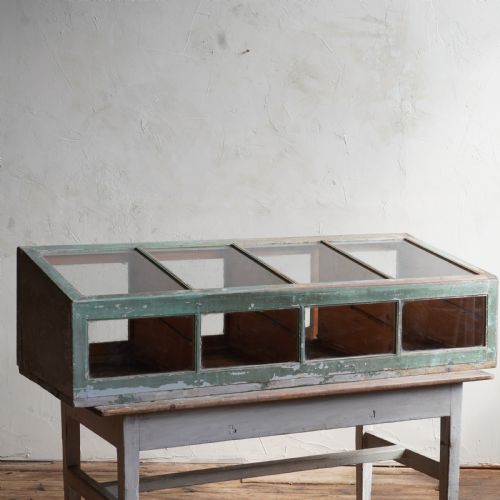
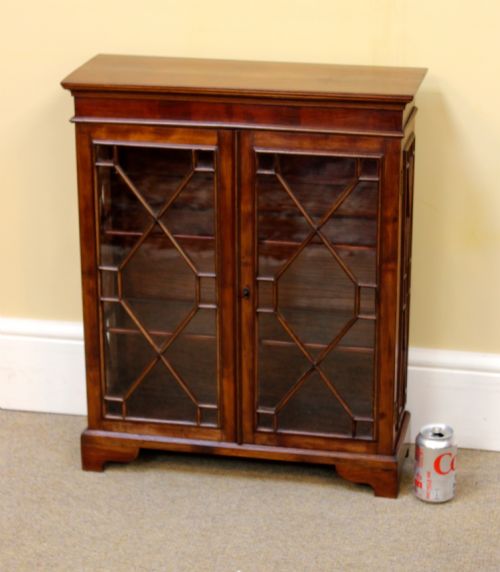


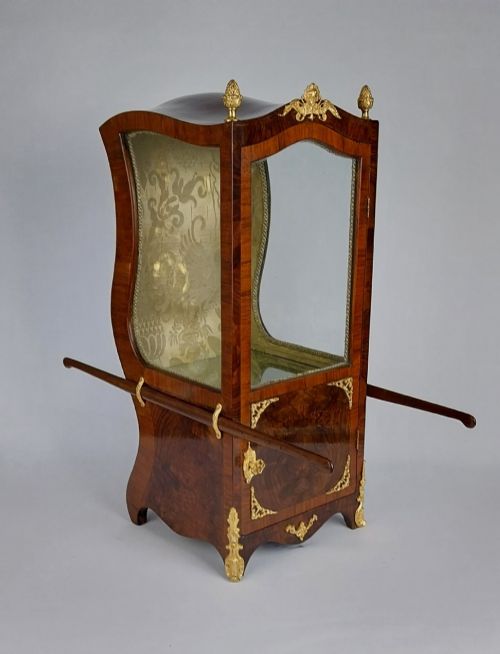


Tabletop Glazed Cabinet
A tabletop glazed cabinet sits on a counter or surface, offering a neat way to showcase small treasures behind glass.
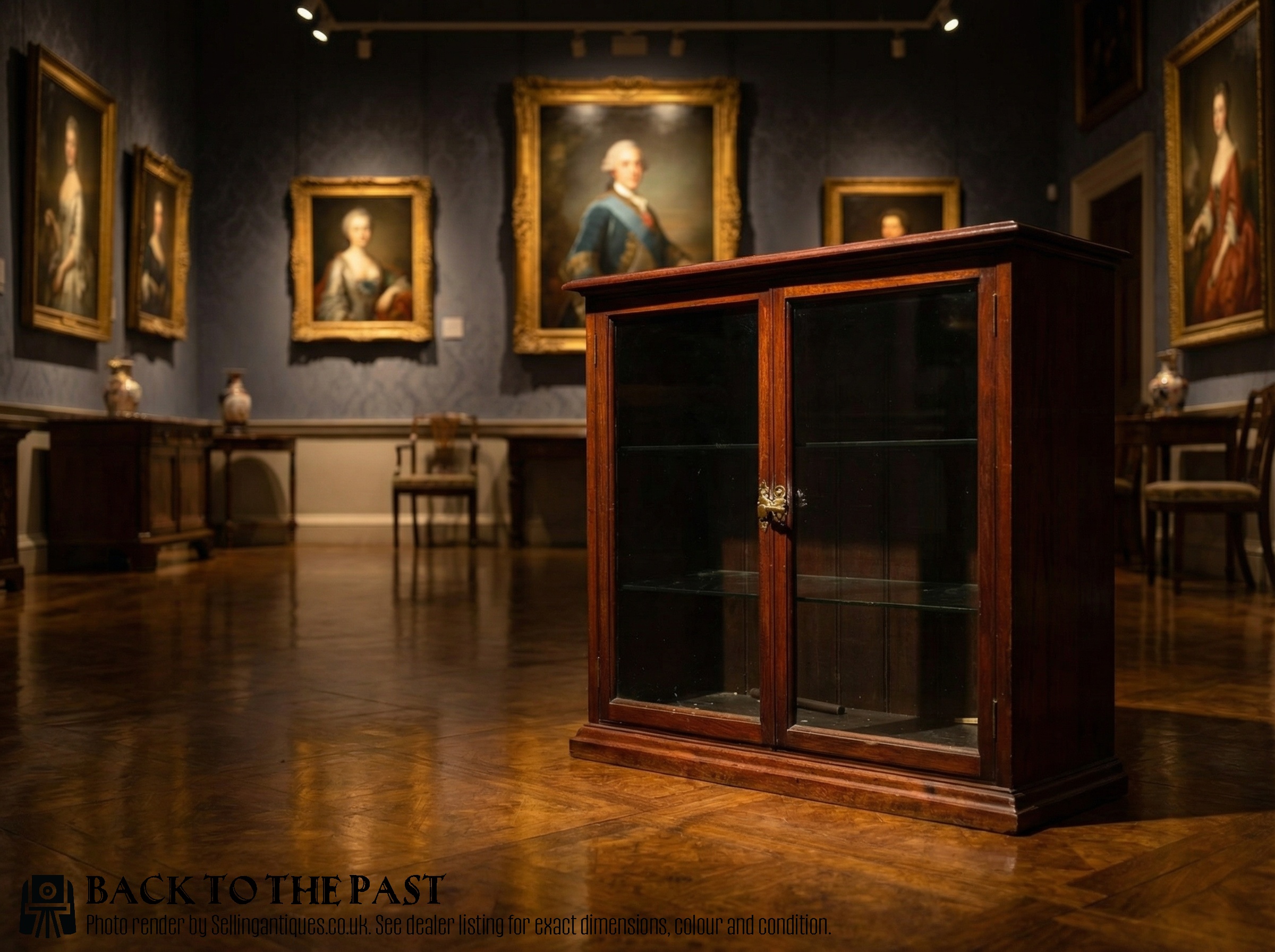
Tabletop Glazed Cabinet
A tabletop glazed cabinet brings together portable display pieces designed to sit upon furniture, counters, or desks. These functional objects range from Victorian shop display cases and countertop shop units to domestic collector cabinets, specimen drawers, and miniature vitrines.
The selection on this page draws heavily from Victorian, Edwardian, and early 20th-century eras, extending into the 1930s with Art Deco examples. Commercial shop display cabinets and domestic collector cases appear frequently across these periods.
Makers utilised mahogany, oak, burr walnut, ebonized wood, and hardwood to construct these compact display vessels. Glass panels and doors protect the contents while offering clear viewing angles from outside.
Materials and construction methods
Carpenters built the frames of these cabinets using traditional timbers such as mahogany, oak, and burr walnut, sometimes pairing them with brass hardware and fabric interiors like black velvet. Glass makes up the primary viewing surfaces, fitted into doors and panels to encase the interior.
Commercial and domestic workshops applied finishes ranging from distressed paint and ebonisation to polished wood surfaces. Specialised interiors accommodated specific collections, such as microscope slides, pipes, jewellery, or confectionery.
Listings feature mahogany, oak, burr walnut, and hardwood cabinets spanning the Victorian, Edwardian, and Art Deco periods.
Distinctions in quality and finish
The refinement of the timber joinery and the selection of figured woods like burr walnut separate standard commercial utility cases from finer domestic pieces. Cabinet makers who invested care in brass fittings, working keys, and polished mahogany frames produced items with greater enduring presence.
Commercial shop fittings show robust construction built for daily retail trade, while domestic collector cabinets often exhibit more intricate woodwork, such as satinwood inlays or carved hardwood details.
Frys Chocolate·Terry’s of York·Cadbury's Cocoa
The Tabletop Glazed Cabinet Glossary
- Vitrine
- A glass-sided cabinet or case designed for displaying objects of curiosity or fine items. These pieces often feature glass on multiple sides to maximise light penetration.
- Specimen Cabinet
- A specialised piece of furniture fitted with multiple shallow drawers for housing natural history specimens or small collections. Such cabinets frequently include glass doors or enclosed drawer fronts.
- Countertop Display Cabinet
- A commercial shop case built to sit upon a retail counter for promoting goods to customers. These units date largely from the late 19th century and early 20th century.
- Ebonized
- Wood treated with a dark finish to imitate expensive ebony. This technique appears on various 19th-century and 1920s cabinet frames.
Tabletop Glazed Cabinet: Frequently Asked Questions
What is a tabletop glazed cabinet used for?
These compact cases serve to protect and display small collections, curiosities, jewellery, or retail goods. Their glazed panels keep dust away while allowing an unobstructed view of the contents.
Historically, merchants used them on shop counters for chocolate and confectionery, while collectors used them at home for specimens, pipes, and microscope slides.
Where should I place a small display cabinet?
A tabletop glazed cabinet sits well on top of sideboards, desks, chests of drawers, or retail counters where the height brings the glazed display area to eye level. Placing the unit away from direct sunlight protects both the wooden frame and any sensitive items displayed inside.
Ensure the supporting surface is stable and level to support the weight of the wood and glass structure safely.
What is the difference between a vitrine and a specimen cabinet?
A vitrine is primarily an open display vessel with glass panels designed to showcase decorative objects or tableware from multiple angles. A specimen cabinet typically contains a series of shallow drawers meant for organised storage and close inspection of smaller items.
Both fall under the wider category of tabletop glazed storage but serve distinct organizational needs.