
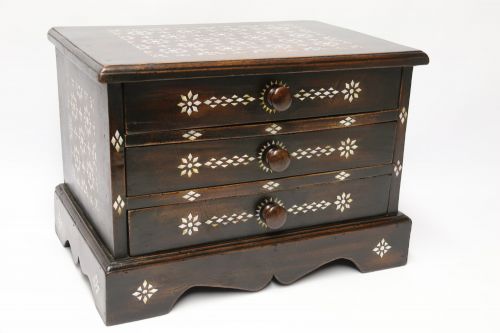
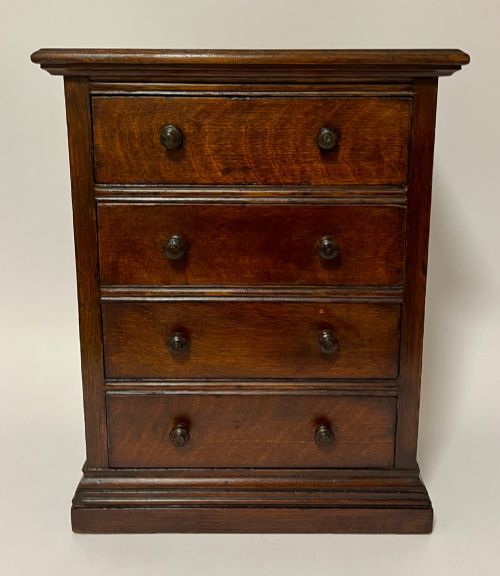
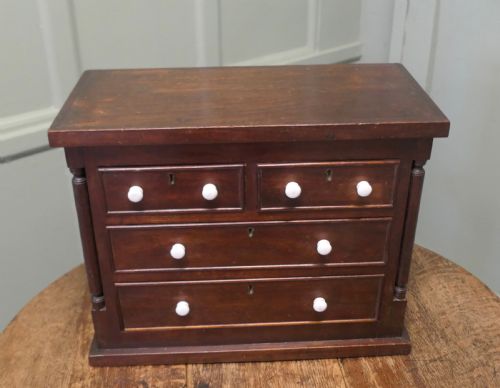
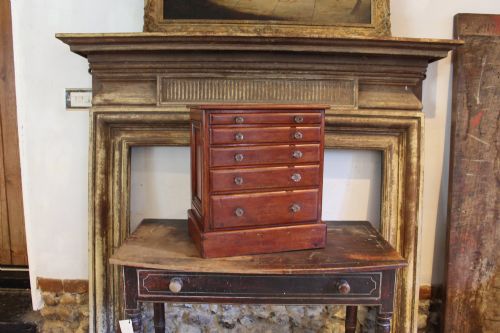
Tabletop Drawer Cabinet
When you search for a tabletop drawer cabinet, you seek compact storage pieces that combine utilitarian scale with fine cabinetmaking.
Tabletop Drawer Cabinet
A tabletop drawer cabinet satisfies the need for miniature and desktop storage across periods spanning the eighteenth century to the twentieth century.
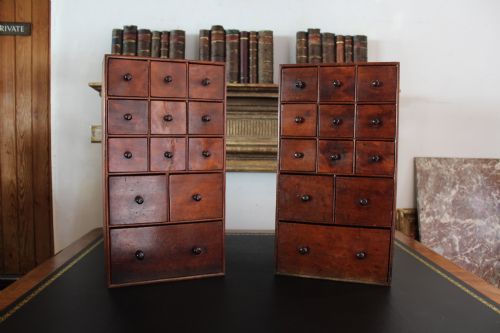
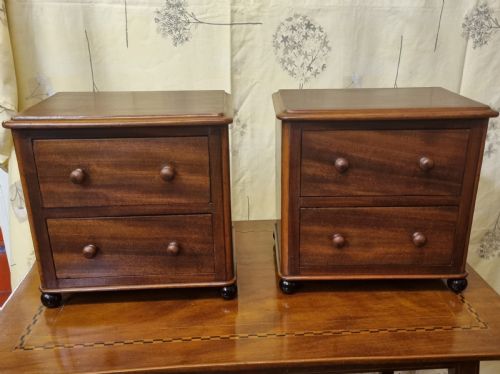
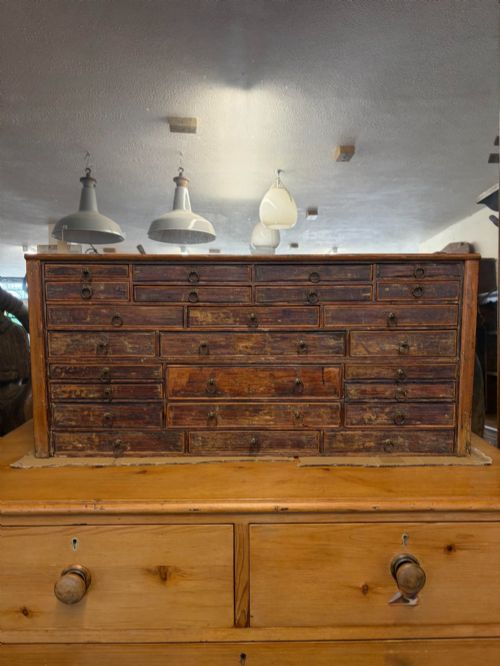
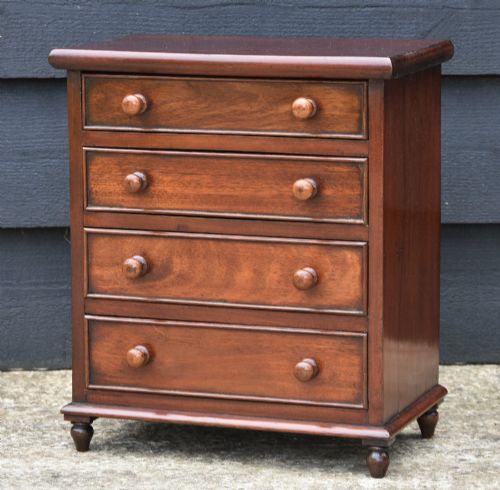
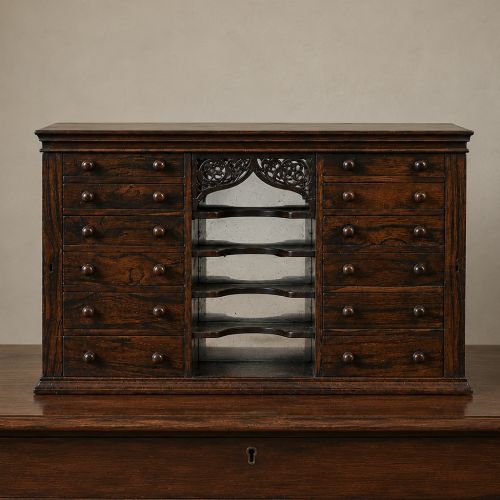
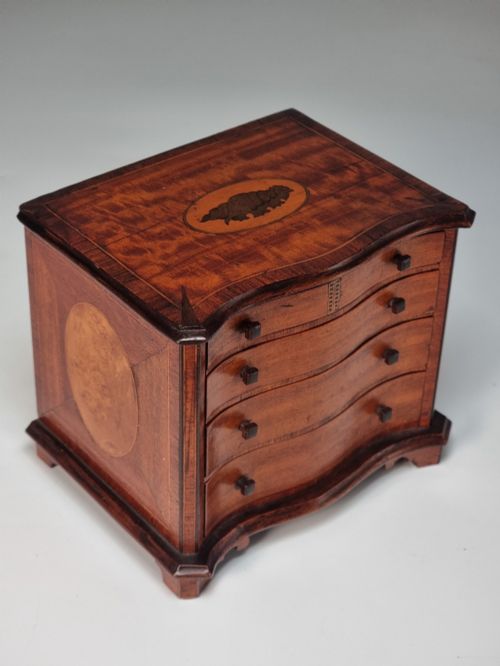
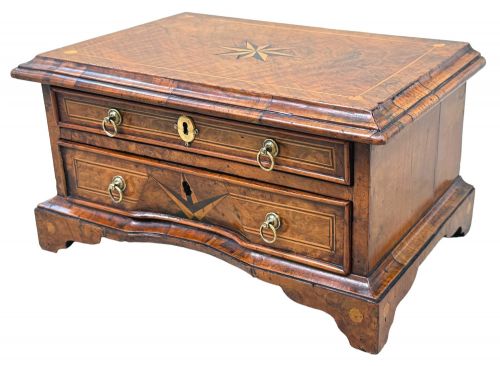
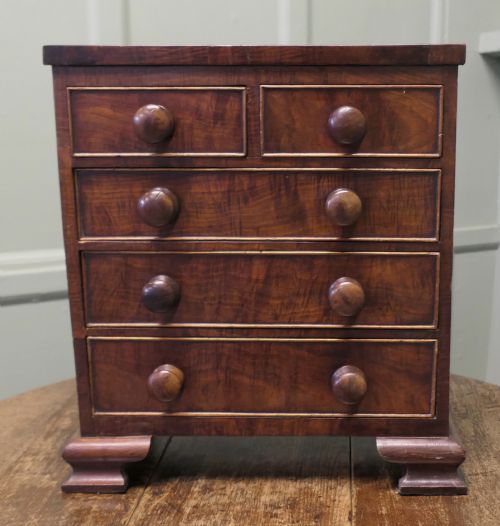
The selections here most frequently take the form of miniature chests of drawers, collectors cabinets, and spice drawers designed to sit upon desks or counters.
Makers shaped these small formats for specific tasks, producing homeopathic chests, specimen cases, and apprentice pieces from regional workshops.
How they were made
Cabinetmakers utilised dense timbers such as mahogany, oak, walnut, rosewood, and satinwood, often incorporating brass handles, locks, and bone escutcheons.
Construction methods mirror full-sized furniture of the Georgian and Victorian eras, employing dovetailed drawer construction and sometimes fitted internal compartments or secret drawers.
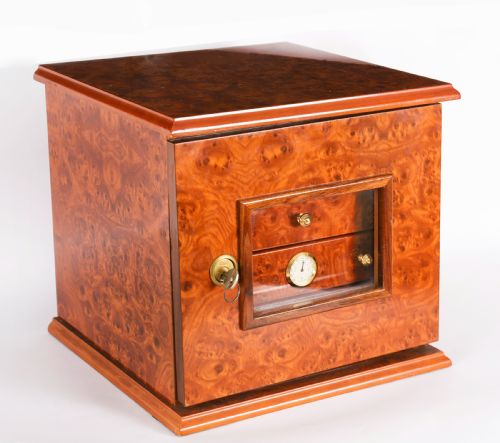
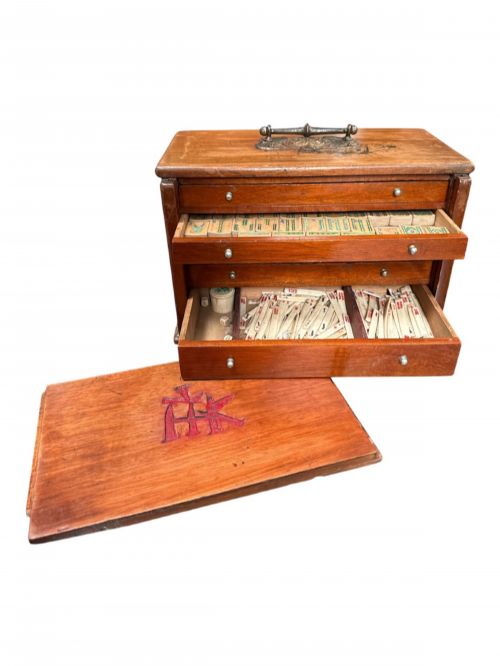
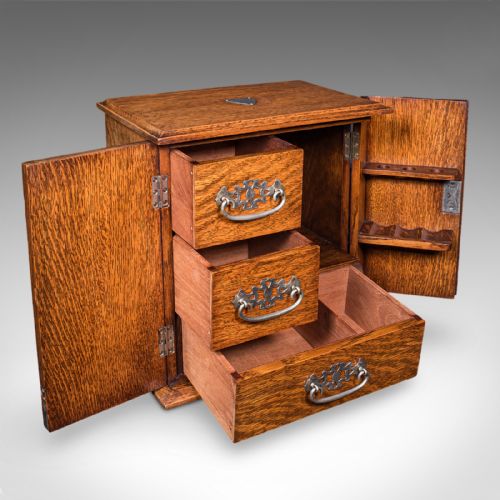
Formats range from doctor's smoking cabinets and mahjong sets to post office filing shelves and apothecary chests.
What varies in quality
The standard of execution depends on the crispness of the timber grain, such as burr elm or satinwood figure, and the precision of the miniature dovetailing.
Superior examples retain original brass hardware, working locks with keys, and uncompromised secondary woods that reflect the maker's original intent.
A. F. Lloyd·Luxmore's of Ilfracombe
The Tabletop Drawer Cabinet Glossary
- Miniature chest of drawers
- A scale model of a full-size chest, often created as an apprentice piece or a master's demonstration model. These pieces replicate domestic furniture in every structural detail.
- Apprentice piece
- A specimen item produced by a trainee craftsman to demonstrate mastery of joinery techniques. They frequently exhibit the same timber selection and dovetail precision as larger furniture.
- Collector's cabinet
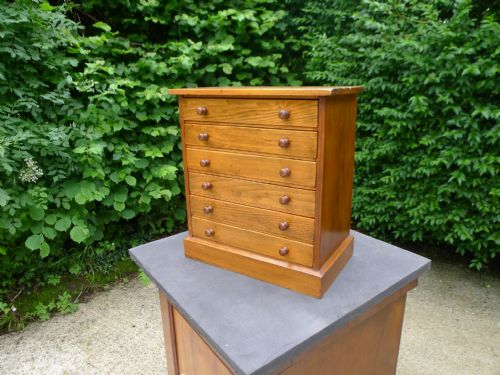
- A specialised housing fitted with multiple shallow drawers for storing specimens, coins, or small objects. They often feature locking doors to protect contents.
- Spice drawers
- A small multi-drawer unit traditionally used in domestic kitchens for culinary ingredients. They appear in timbers like oak and fruitwood during the eighteenth and nineteenth centuries.
- Wellington chest
- A tall, narrow chest secured by a hinged locking side bar that fastens over the drawer edges. Miniature versions utilise this mechanism for secure desktop storage.
Tabletop Drawer Cabinet: Frequently Asked Questions
What were tabletop drawer cabinets used for?
These small cabinets served multiple functions ranging from domestic spice storage and apothecary supplies to housing natural history specimens and microscope slides.
Craftsmen tailored the internal drawer layouts to specific professional or domestic collections, making them practical desktop organisers.
Were apprentice pieces actually used?
Apprentice pieces were created as skill demonstrations rather than everyday functional furniture for households.
Their miniature scale allowed craftsmen to display mastery of joinery, proportions, and drawer construction to guild examiners.
How do I care for antique wood?
Preserve antique surfaces by avoiding direct sunlight and maintaining stable room humidity to prevent timber splitting.
Apply traditional wax polish sparingly when the wood appears dry, buffing gently with a soft cloth to maintain the finish.