
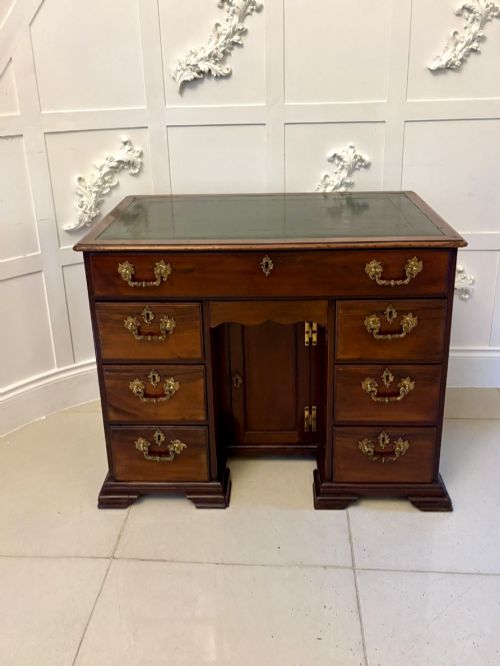
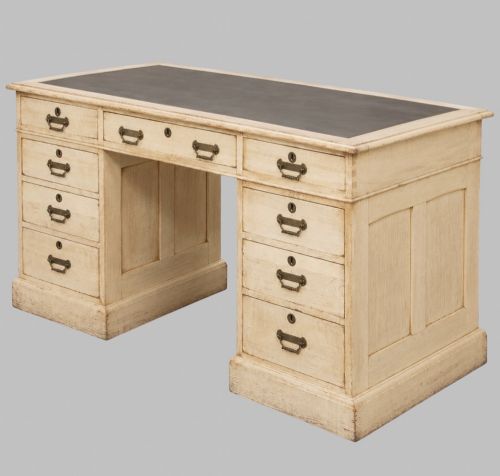
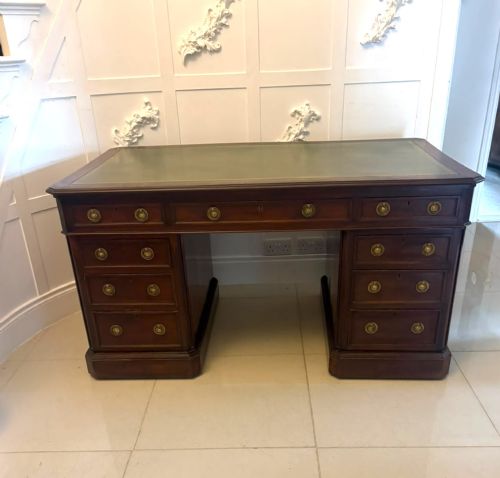
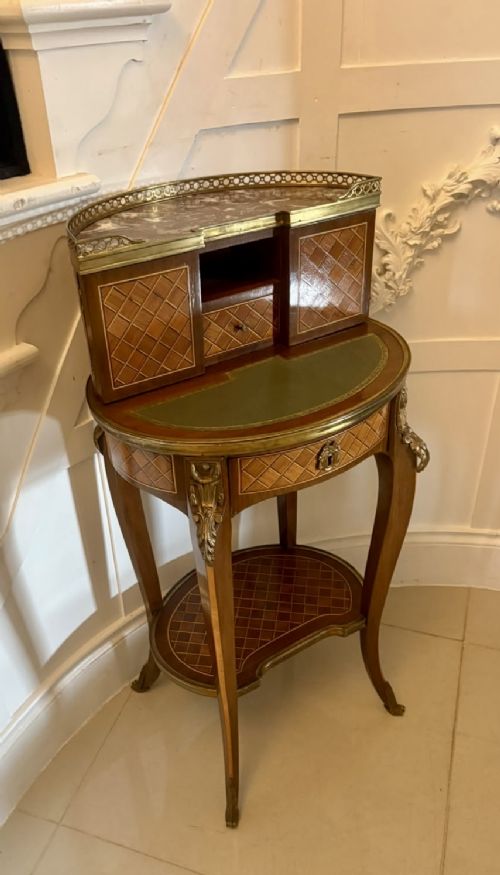
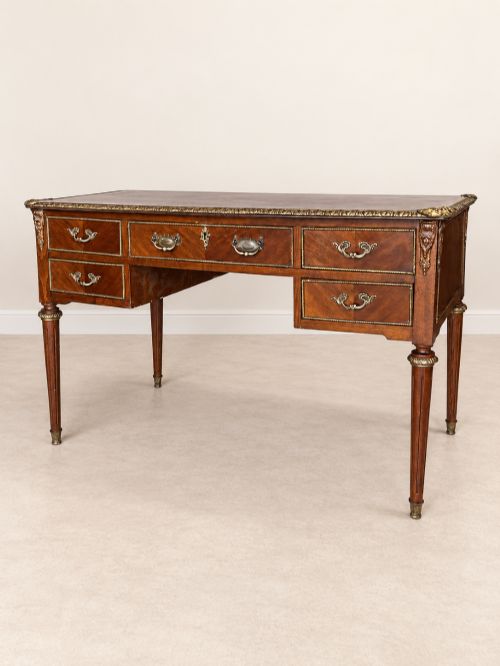
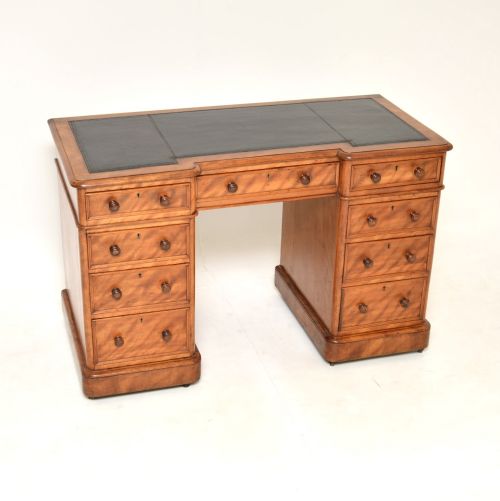
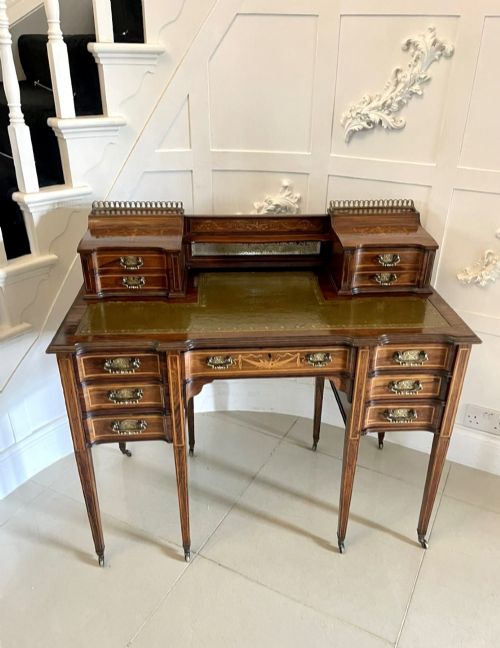
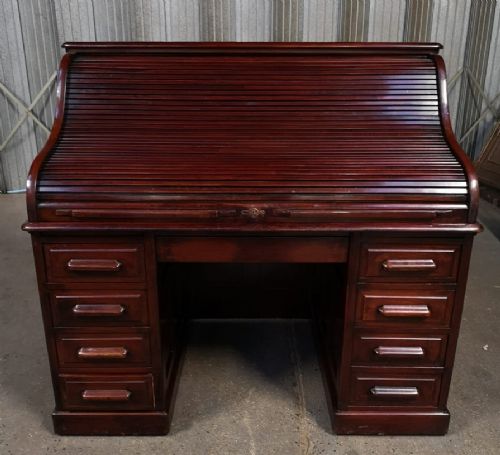


Table Top Bureau
A table top bureau offers compact, portable writing space with fitted interior compartments, combining practical storage with fine cabinetmaking.
Table Top Bureau
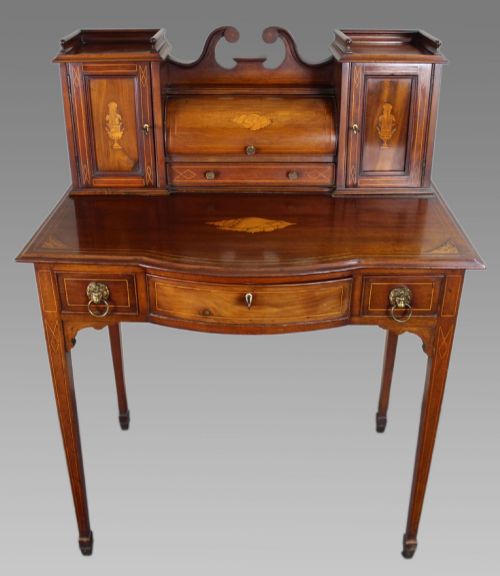
A table top bureau provides a dedicated writing surface and pigeonholes designed to rest upon a larger table, chest, or dedicated stand rather than standing directly on the floor. These pieces range from Georgian miniature examples to Edwardian satinwood variations.
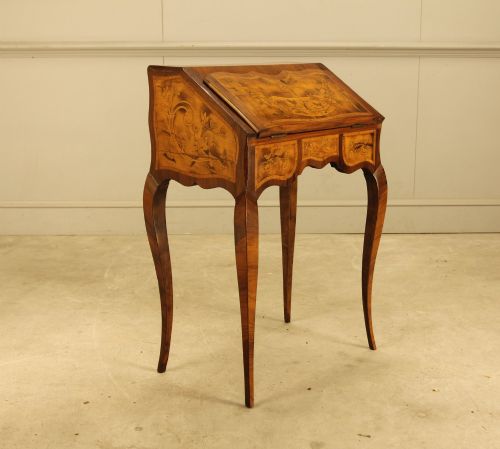
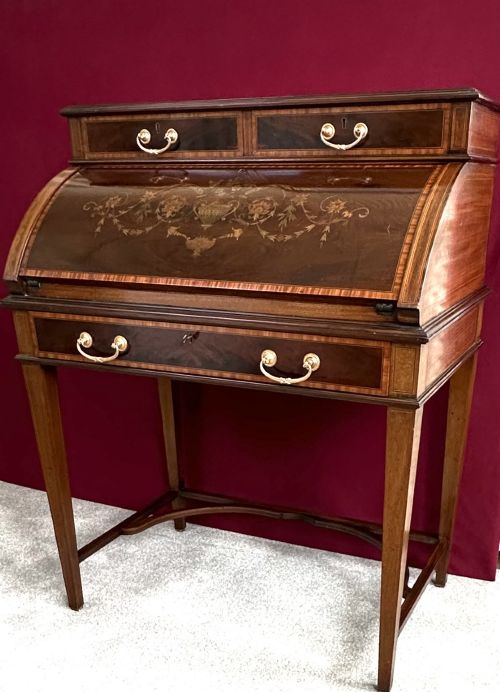
The form typically incorporates a sloping fall-front lid that opens to reveal internal document drawers and small compartments. Such construction allowed owners to secure correspondence and writing implements in a portable format during periods when standalone desks took up substantially more room.
How they were made
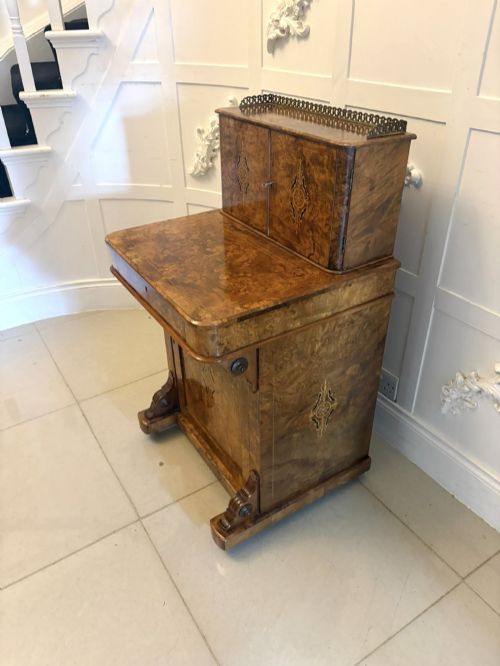
Craftsmen built these portable writing compartments using solid foundational timbers like oak or mahogany, frequently applying decorative veneers such as burr walnut, kingwood, or satinwood to visible exterior surfaces. Fine crossbanding and stringing lines often define the edges of the fall-front flap and drawer fronts.
Internal compartments demand precise miniature joinery, utilising small dovetailed drawer boxes and fitted partitions to organise paper and ink. Brass hinges, escutcheons, and locks secure the fall-front lid and internal compartments against unauthorized access.
Materials recorded across these desks include mahogany, walnut, burr walnut, satinwood, kingwood, oak, and brass.
What varies in quality
The standard of timber selection and veneer matching dictates the visual impact of the piece, particularly where figured grains like burr walnut or flame mahogany mirror across the fall-front. Finer examples display continuous grain patterns that flow seamlessly across joints and drawer fronts.
Internal complexity and the refinement of subsidiary drawers indicate the skill invested by the maker. Simple partitions suggest utilitarian production, whereas shaped pigeonholes, hidden compartments, and secondary woods of superior grade mark higher-tier cabinet work.
Maple & Co.·François Linke·Edwards & Roberts·Paul Sormani·Wylie & Lochhead
The Table Top Bureau Glossary
- Fall-front
- A hinged sloping or vertical writing flap that drops forward to create a flat desk surface. It conceals the internal document compartments when closed and locked.
- Pigeonhole
- A small, open compartment within the interior desk fitments used for sorting letters and papers. These sections often feature shaped upper edges in better examples.
- Escutcheon
- A protective plate surrounding a keyhole, usually cast in brass or bronze. It prevents the surrounding wood from wearing down through repeated use of the key.
- Crossbanding
- A narrow strip of veneer laid perpendicular to the grain of the surrounding surface to form a decorative border. This technique highlights the panel edges on drawers and lids.
- Dovetail
- An interlocking joint formed by interlocking wedge-shaped fingers, used to join drawer corners securely. Fine historical pieces feature tight, hand-cut pins and tails.
Table Top Bureau: Frequently Asked Questions
What is a table top bureau?
A table top bureau is a miniature writing desk designed to sit on top of a table or chest rather than resting on the floor.
These pieces feature a sloping fall-front that opens to reveal fitted pigeonholes and small drawers for correspondence.
How were table top bureaux used?
Owners utilised these compact writing boxes to store stationery, inkwells, and private letters securely in a portable format.
The sloping lid provided an angled surface for writing before folding flat to secure the contents.
How do I date a table top bureau?
Dating relies on examining the construction methods, secondary timbers, and decorative styles such as Georgian oak work or Edwardian satinwood inlay.
Interior drawer dovetailing and handle styles provide further clues regarding the period of manufacture.
How do I care for timber writing furniture?
Keep wooden surfaces away from direct heat sources and strong sunlight to prevent the timber and delicate veneers from drying out or splitting.
Apply traditional wax polish sparingly to maintain the protective finish on mahogany, walnut, and satinwood.