

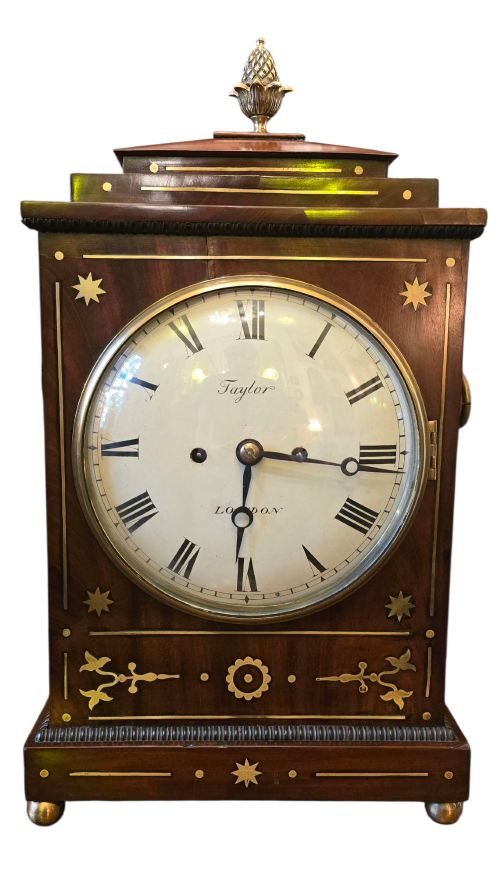
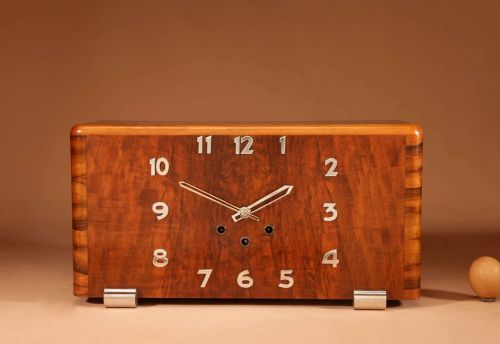
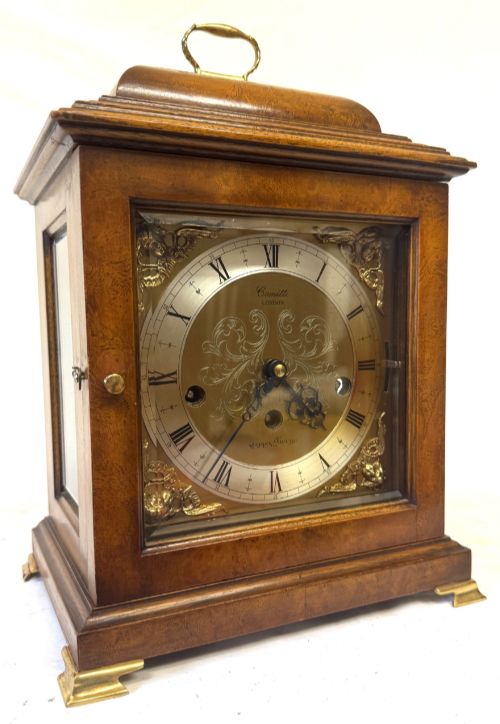
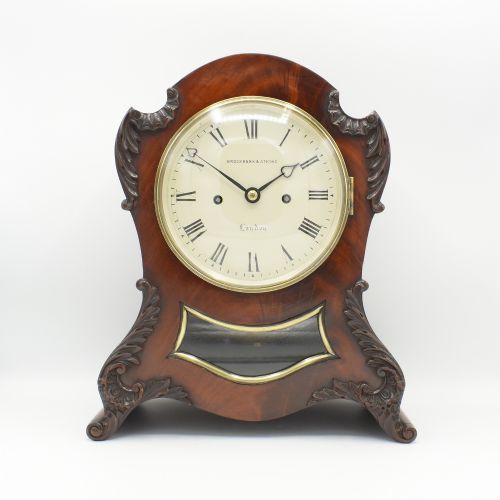

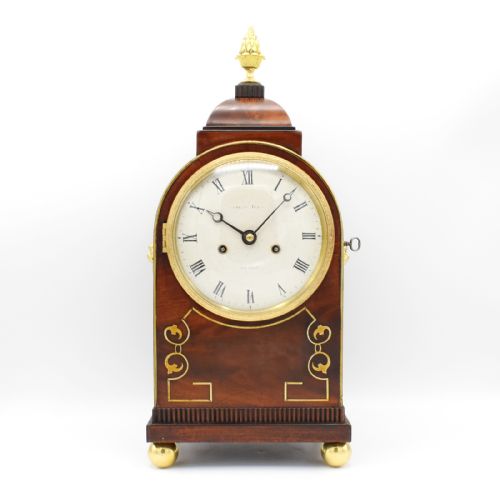
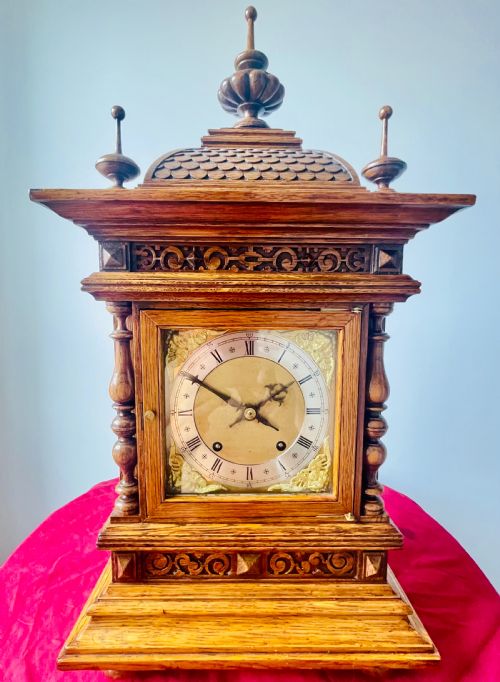
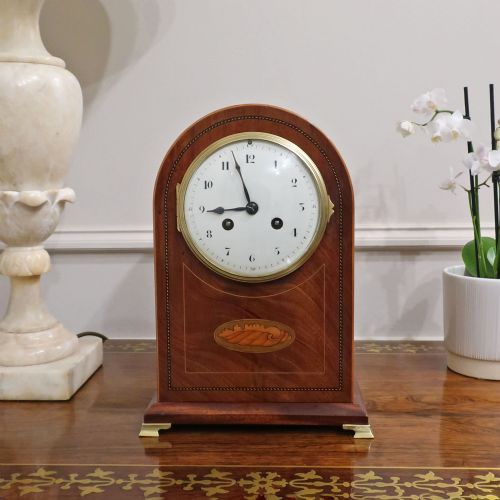
Table Clock with Chime
A table clock with chime brings a room alive with measured sound, uniting the art of the horologist with the warmth of period cabinetry.
Table Clock with Chime
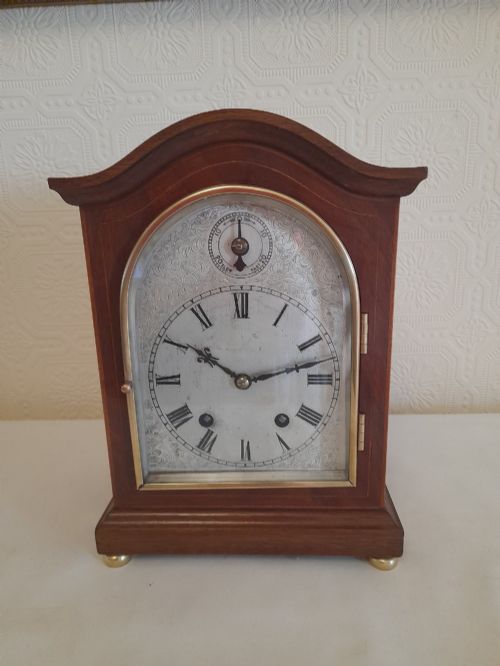
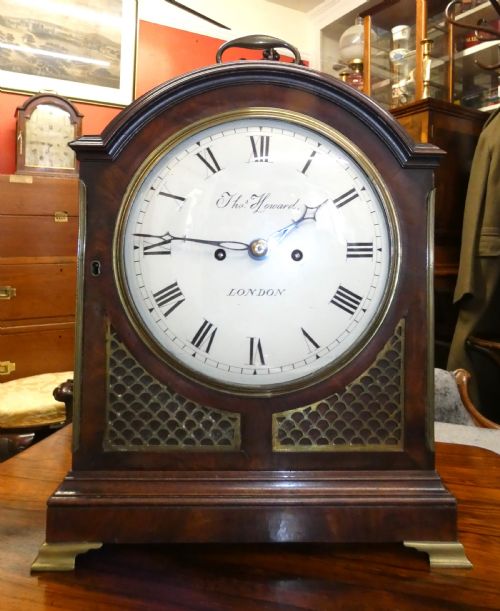
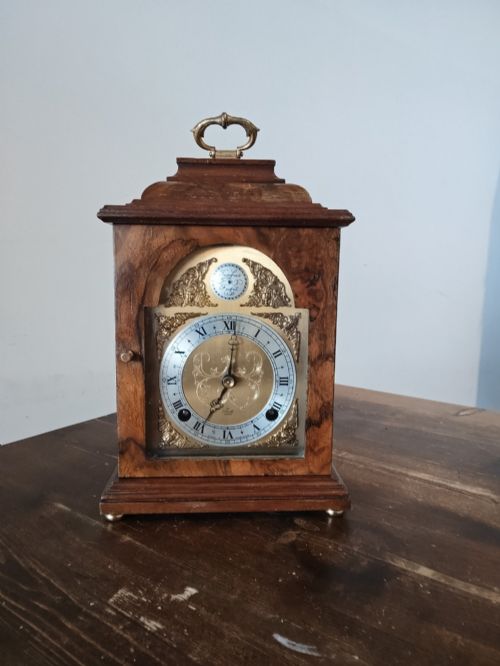
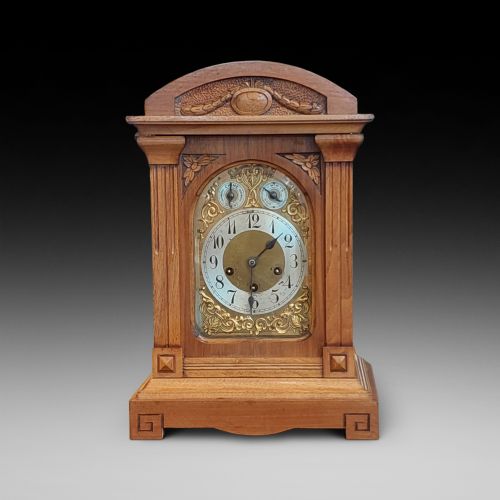
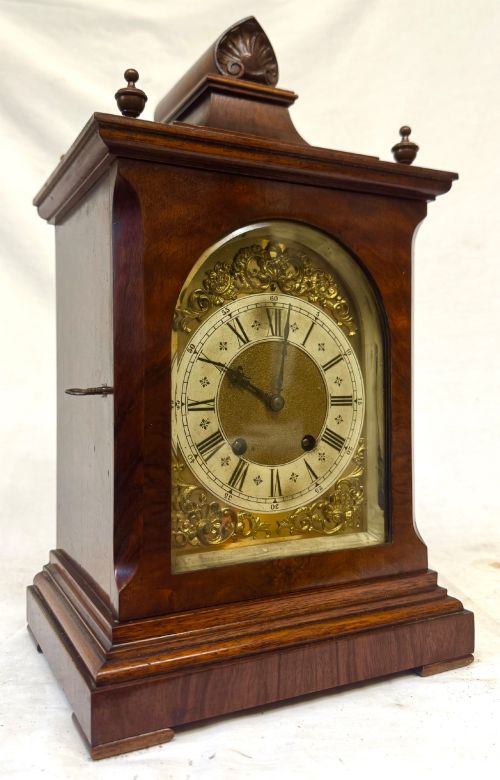
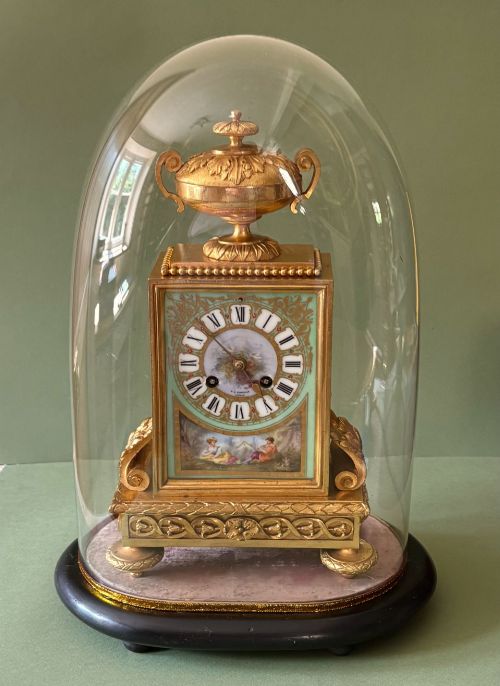
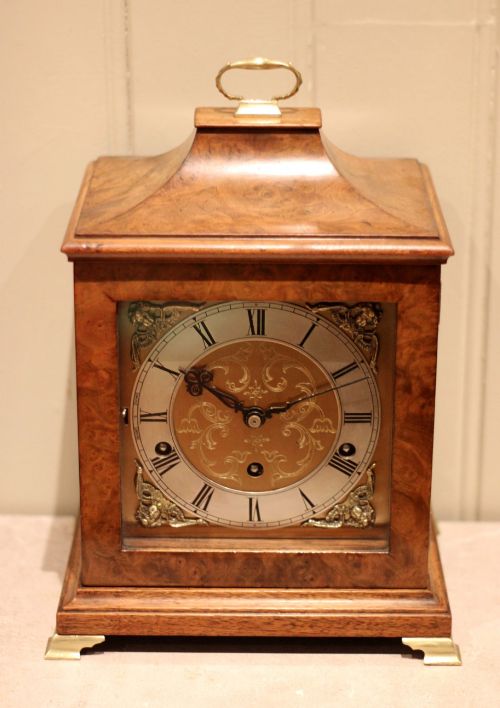
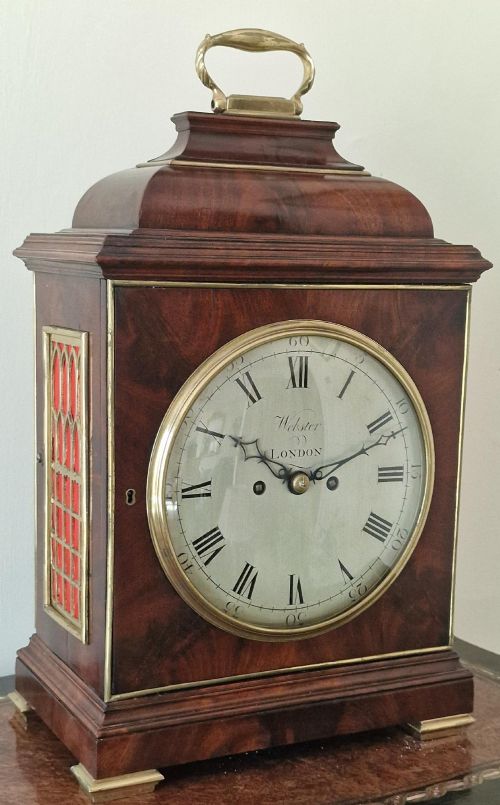
When you search for a table clock with chime, you are looking at timepieces designed to sit upon furniture rather than hang upon a wall, often taking the form of bracket or mantel clocks. These pieces originate across the eighteenth, nineteenth, and early twentieth centuries, spanning Georgian, Victorian, Edwardian, and Art Nouveau styles.
You are most likely to meet examples housed in rich timber cases such as mahogany, walnut, oak, and rosewood, frequently accented with brass dials. The forms include dedicated bracket clocks with their matching stands alongside versatile mantel clocks from both English and continental workshops.
How they were made
Maker-joiners constructed the housings from solid and veneered hardwoods like mahogany, walnut, and rosewood, sometimes integrating glass panels to reveal the movement within. Brass featured heavily for the dials, bezels, and internal plates, while specialised movements employed fusee or spring-driven mechanisms to govern the striking and chiming trains.
Table Clock with Chime Retail Price Guide 2026
Typical asking prices for table clock with chime among the pieces listed under this phrase on Sellingantiques today, from the lower quarter to the upper quarter. They describe what is for sale here now, not the wider market.
Some mantel clocks hide thermometers inside their wooden frames, proving that past owners liked knowing the temperature while waiting for the hour to strike.
What varies in quality
The sophistication of the internal movement distinguishes the standard production from the exceptional piece, particularly the complexity of the chiming mechanism and the number of pillars supporting the plates. Twin-fusee movements and signed dials by established makers represent a higher tier of horological ambition.
Cabinetwork fidelity dictates visual appeal, where crisp timber selection, balanced grain patterns, and careful execution of inlay or brass mounts elevate the piece. The harmony between the architectural proportions of the case and the refinement of the dial engraving determines the overall presence.
John Taylor·Chater And Son·Lenzkirch·Junghans·Savory And Fils A Paris
The Table Clock with Chime Glossary
- Bracket clock
- A portable table clock historically designed to sit on a wall bracket to project sound more effectively. These sturdy timepieces frequently incorporate carrying handles on their wooden cases.
- Fusee
- A conical pulley used in better mechanical clocks to maintain an even pull on the movement as the mainspring unwinds. This device ensures consistent timekeeping power throughout the running cycle.
- Double fusee
- A movement incorporating two separate fusee cones, one dedicated to the timekeeping train and the other to the striking or chiming train. Such arrangements indicate a higher grade of English clockmaking.
- Mantel clock
- A clock designed to stand upon the mantelpiece above a fireplace or upon other household furniture. They emerged in various decorative styles throughout the nineteenth and twentieth centuries.
- Pillar
- One of the vertical brass posts separating the front and back plates of a clock movement. Higher-end movements often feature multiple pillars for greater structural rigidity.
Table Clock with Chime: Frequently Asked Questions
How do you wind an antique chime clock?
Winding involves inserting a matching key into the winding holes on the dial face and turning it gently until resistance is felt. Care must be taken not to overwind the mainsprings, which can damage the internal mechanism.
Different trains within the clock, such as the time and the chime, often require separate winding. It is standard practice to consult the specific requirements of the fusee or spring-driven movement before proceeding.
How do I date a bracket clock?
Dating relies on examining the architectural style of the wooden case, the typography of the brass dial, and the design of the internal movement. Georgian pieces display different proportions and bracket designs compared to later Victorian or Edwardian examples.
Signatures or maker marks inscribed on the dial or movement backplate provide a reliable guide to the origin. Materials like rosewood or distinctive forms like Art Nouveau styling further narrow the period of manufacture.
Where should I place a chiming clock?
These clocks perform best on a stable, level surface such as a heavy sideboard, mantelpiece, or dedicated wall bracket. A solid foundation helps the pendulum swing evenly and allows the wooden case to resonate the chime properly.
Placement should avoid areas subject to direct sunlight, excessive moisture, or dramatic temperature fluctuations. Keeping the clock away from exterior doors prevents vibrations that might interfere with the delicate balance of the movement.